Commercial Carpet Cleaning for Offices: What to Plan Before Booking
November 4, 2026
Plan office carpet cleaning with guidance on traffic, access, estimates, staff preparation, and choosing a provider. Know what to clarify before booking.
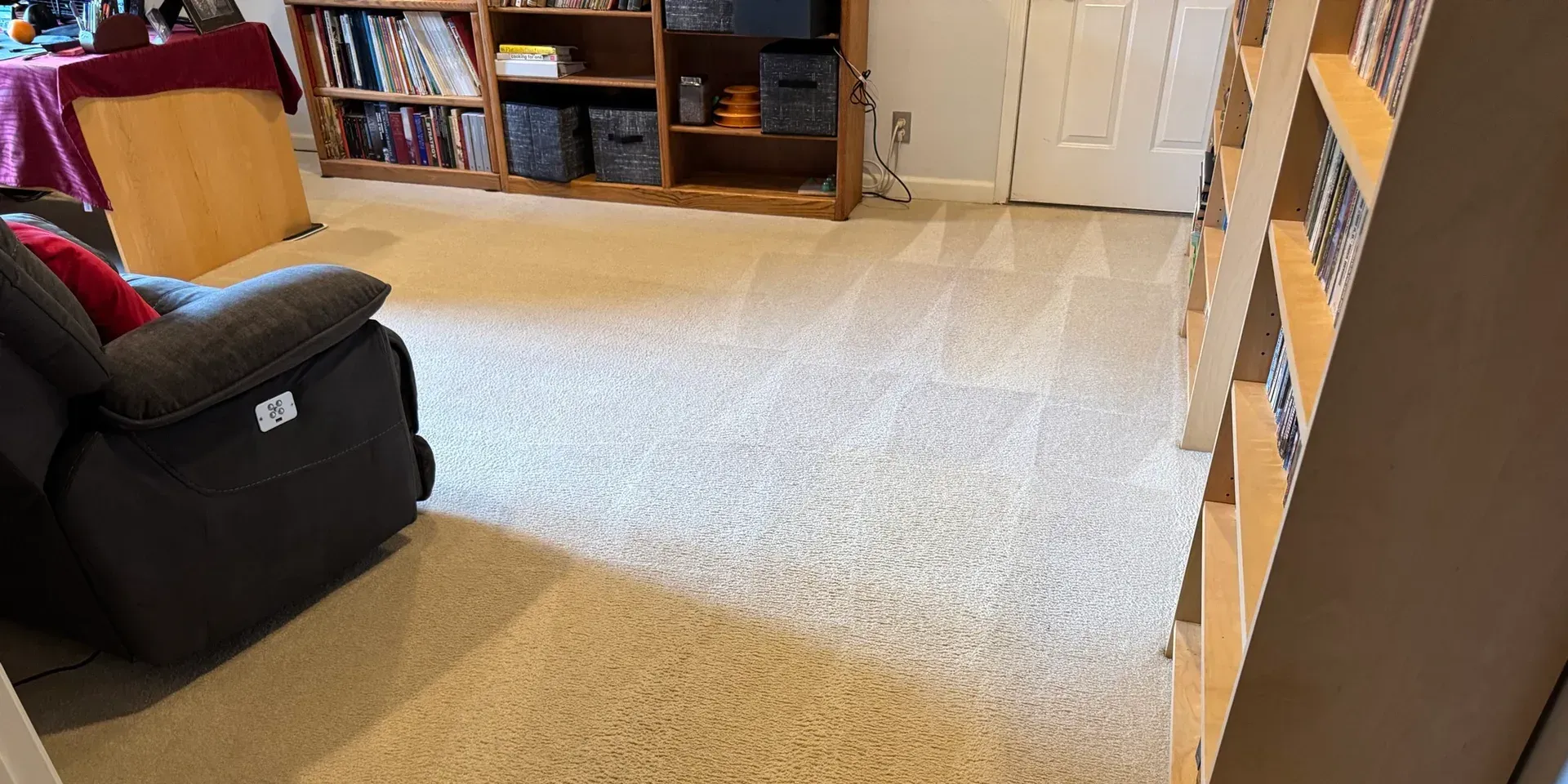
Commercial carpet cleaning for offices starts with a clear picture of the building, its busiest areas, and the work you want considered. A little preparation helps you compare proposals on the same basis and reduces confusion about access, staff responsibilities, and expectations.
Contact Tubro to discuss office carpet cleaning
What should an office manager plan first?
Begin with a practical inventory rather than a broad request to clean the whole office. Offices often contain different kinds of spaces, and each one may have a different priority. A reception area, corridor, conference room, and private office do not necessarily see the same use.
- List each carpeted room or shared area you want assessed.
- Mark common routes between entrances, work areas, and shared facilities.
- Estimate room dimensions or share a floor plan if one is available.
- Note furniture, equipment, or storage that may limit access.
- Identify visible wear, spots, or persistent odor as conditions for assessment, not promised outcomes.
- Write down any building access procedures or restricted spaces.
This list does not need to be a formal specification. Its purpose is to give everyone the same starting point. If the exact area is uncertain, say so and ask what information would help the provider assess it.
Key takeaway: A room-by-room outline turns a vague request into a discussion of specific spaces and priorities.

How do traffic patterns affect the scope?
Foot traffic usually concentrates soil and wear along particular paths. Entrances and corridors may need more attention than a lightly used private room. Visitor volume, occupancy changes, and the way teams move through the building also matter when deciding what to assess first.
Describe the office's normal week. Explain which rooms have daily use, whether visitors regularly pass through reception, and whether some departments work different shifts. This context helps the provider understand why a particular zone matters to your operation.
Then separate appearance priorities from maintenance goals. A manager preparing for an important client visit may focus on the reception route. A facilities lead planning routine care may want the shared areas and work rooms considered together. Neither request automatically determines a cleaning frequency; the carpet, traffic, and site conditions all need consideration.
Keep descriptions factual. A darker track can be noted as a visible condition, but it does not establish what caused it or what result is possible. Carpet material, age, prior care, and the nature of a mark can affect the assessment.
For related planning, see Tubro's guide to commercial carpet cleaning frequency and information on professional cleaning and commercial carpet life.
Key takeaway: Describe how people use each area, then ask the provider to assess the appropriate scope rather than assuming all rooms need identical attention.
What access and scheduling details should you share?
Access can affect how a visit is planned. Before discussing dates, check the building's procedures and the office's operating needs. A provider may need to know where to enter, whom to check in with, and whether an escort is required.
- Confirm the service address, entrance, and loading instructions.
- Ask reception or building management about advance notice and check-in rules.
- Identify rooms that are locked, occupied, or accessible only with an escort.
- Clarify what furniture or personal items staff should move, if anything.
- Explain any times when a space must remain open to staff or visitors.
- Name a site contact who can answer questions during the visit.
Do not assume a crew can move desks, computers, filing cabinets, or other heavy items. Discuss responsibilities in advance and describe any room that cannot be cleared. That lets the provider explain how access limitations may affect the work.
Ask what sequence is proposed and whether particular areas will be temporarily unavailable. If employees need to use alternate routes, share that plan before the visit. Avoid making assumptions about drying time; ask the provider what conditions and instructions apply to your site.
Key takeaway: Early coordination around entry, room access, and staff movement prevents avoidable day-of-service questions.
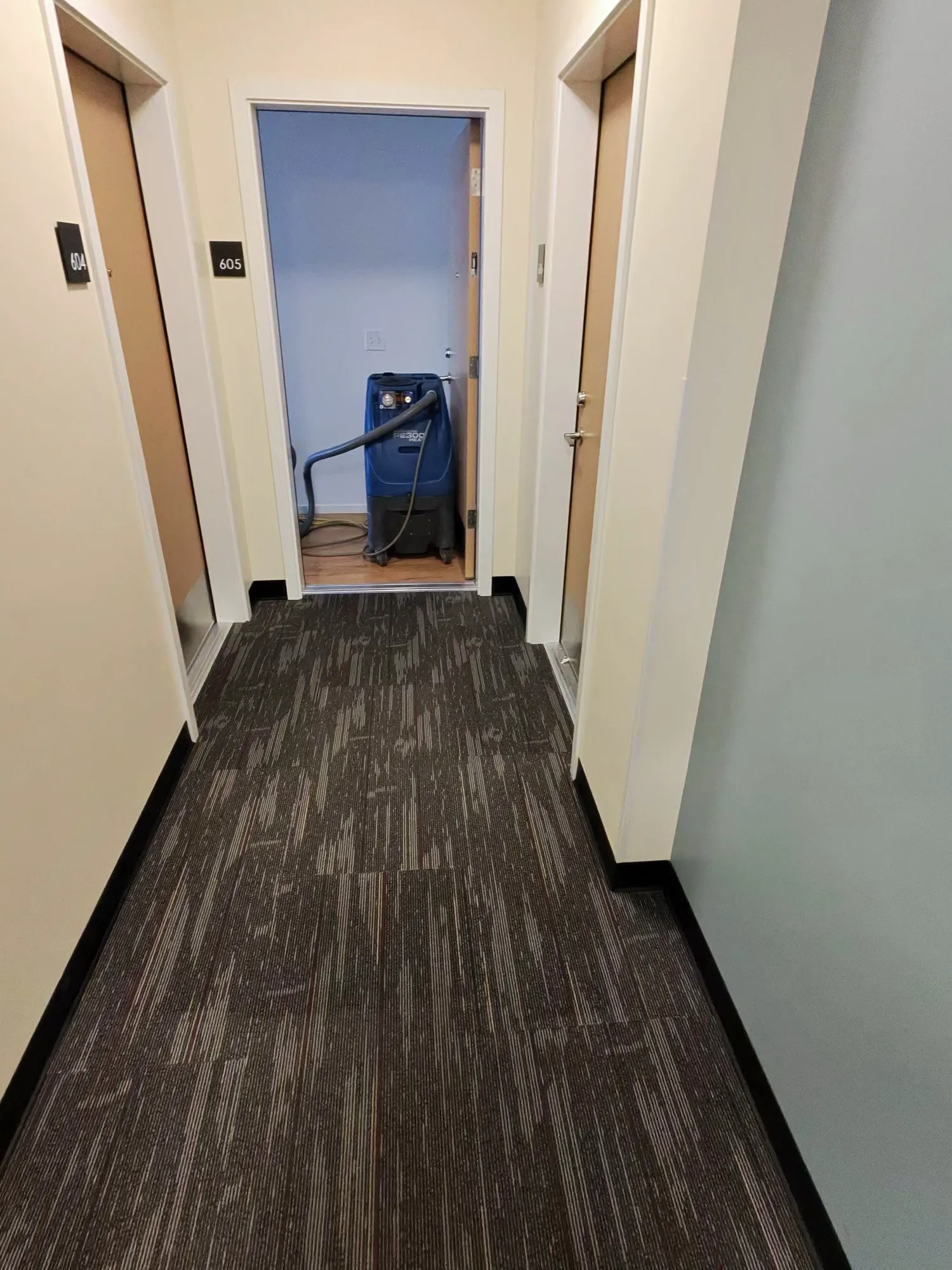
What should a commercial estimate explain?
A useful estimate describes a defined scope. Compare proposals only after checking that they cover the same rooms and make similar assumptions. One total can look lower simply because it leaves out a hallway, furniture handling, or another requested area.
Ask the provider to explain these points in plain language:
- Which carpeted rooms and shared areas are included?
- How were the area and layout considered?
- What access or furniture assumptions affect the proposal?
- What requested work is included, and what is outside the scope?
- What site conditions could change the estimate after review?
- How will a change be explained and approved before work proceeds?
Commercial pricing depends on the visit and the work requested. Provide measurements or a floor plan if available, but do not treat a rough measurement as a final scope. A walkthrough or other assessment may clarify access, room boundaries, and conditions that are hard to describe remotely.
For example, imagine two proposals for an office suite. One covers reception, corridors, and meeting rooms; the other covers only the meeting rooms. The totals alone do not show which is the better fit. Ask each provider to identify the same areas and explain any exclusions before comparing amounts.
Check whether the proposal distinguishes an estimate from a confirmed scope. If a provider expects to review conditions in person, ask what can be confirmed now and what remains uncertain. Tubro has served the Pacific Northwest since 2010 and holds IICRC certification. Learn about the documented wording and role of an IICRC-certified carpet cleaning professional.
Key takeaway: A fair comparison depends on matching scope, assumptions, and exclusions, not simply placing totals side by side.
How can you prepare employees and rooms?
Preparation works best when the office contact coordinates one simple plan. Staff need to know which areas are involved and what they should do before the visit. Follow the provider's specific instructions instead of guessing about what needs to be moved.
- Share the affected rooms and expected sequence with employees.
- Ask staff to remove personal belongings and loose items from the agreed work areas.
- Make agreed access routes available and notify reception or building staff.
- Flag sensitive equipment, secured rooms, and areas that cannot be cleared.
- Choose one person to confirm scope and answer questions on site.
If several departments share the floor, send one consistent area list or marked floor plan. For example, label the reception area, west corridor, and conference rooms instead of using names that different teams interpret differently. This small step makes it easier to confirm what was discussed.
Prepare a short staff notice that states the affected areas, the point of contact, and any access changes. Avoid promising a specific return-to-use time unless the provider has confirmed it for the actual conditions. Ask for the instructions employees should follow after the work.
Tubro's professional carpet cleaning preparation guide offers additional general preparation context. For service details, review the commercial carpet cleaning page.
Key takeaway: A shared area list, one site contact, and clear staff communication make preparation more consistent.
How should you evaluate the proposed work?
When choosing a provider, look for a clear conversation about the site, not a one-size-fits-all promise. A provider should be able to explain what information is missing, what the proposed scope covers, and what limitations may affect the result.
- Does the provider ask about your rooms, traffic, and access conditions?
- Can they distinguish included work from items that need separate discussion?
- Do they explain how changes in scope will be handled?
- Are staff responsibilities and site-contact expectations clear?
- Do they set realistic expectations for worn carpet or persistent odor?
- Can they explain their relevant training and approach without overstating outcomes?
It can help to record answers in a simple comparison note. Use one line for scope, one for access assumptions, one for expected staff preparation, and one for questions still open. This keeps the discussion concrete and makes it easier to revisit unresolved details.
Customer feedback may provide another perspective, but it cannot guarantee a particular office's result. Tubro's customer reviews can be considered alongside a direct conversation about your building and needs.
Key takeaway: Favor clear scope, candid limitations, and direct answers over sweeping promises.
How can you make the walk-through useful?
A site review is most useful when the office representative can explain how the building works. Before the visit, collect the floor plan, room names, and any access notes. You do not need to prepare a technical report. A concise map and a person who knows the daily routine can answer many practical questions.
During the review, walk the provider through the spaces in the same order staff use them. Point out where visitors enter, where teams gather, and which routes stay busy throughout the day. If the building has separate suites or floors, identify those boundaries clearly. This helps avoid assumptions that one suite's scope includes another.
Use the walk-through to resolve questions that are difficult to settle by email. For example, clarify whether a storage nook is carpeted, whether a locked room is included, or whether furniture prevents access to part of a room. Ask the provider to note these limits in the proposal so they do not become a surprise later.
Also identify conditions that need evaluation without suggesting a guaranteed fix. A visible mark or lingering odor can be described by location and history if known. The provider can then explain what can be assessed and what remains uncertain. Cleaning does not repair worn fibers, and some spots or stains may be permanent.
Key takeaway: Walk the actual work areas together and document boundaries, obstacles, and open questions before approving a scope.
What should happen after the service?
Agree on a simple closeout process before the visit. Decide who will review the completed areas and how questions will be raised. If the office has several departments, the site contact can check each listed zone against the agreed scope and share any concern promptly.
Ask the provider what care instructions apply after cleaning. The answer may depend on the method, carpet, and site conditions, so use the instructions given for your visit. Make sure staff know which areas are affected and whom to ask before returning equipment or furniture to place.
Keep the estimate, area list, and any final scope notes together. This record helps facilities teams understand what was completed and gives the next planning conversation a reliable starting point. If a future request covers different rooms or changed access, update the list rather than assuming the earlier scope still applies.
For an office with recurring service needs, note the areas that received attention and any provider recommendations. Treat those notes as a planning aid, not as a promise that every future visit will have identical conditions or results.
Key takeaway: A short closeout review and retained scope notes make follow-up clearer and future planning easier.
What does IICRC certification tell an office manager?
When comparing providers, ask what training and standards inform their work. IICRC is a professional organization that develops standards and offers certifications for cleaning and restoration professionals. Certification can be one useful factor in evaluating a provider, alongside the proposed scope, communication, and fit for the facility.
It does not replace a site assessment or guarantee a specific outcome. An office manager should still ask how the provider will address the conditions observed, what limitations apply, and what the team expects from the building staff. Tubro holds IICRC certification; read more about the meaning of IICRC-certified carpet cleaning and visit the IICRC organization for information about its standards and certifications.
Key takeaway: Certification offers context about professional training, while the site-specific proposal still needs clear scope and realistic expectations.
Contact Tubro to discuss your office's needs
Frequently Asked Questions
How often should an office schedule carpet cleaning?
There is no single schedule for every office. Traffic, occupancy, room use, carpet condition, and appearance priorities differ. Discuss those details with a provider and establish a plan based on your facility rather than an assumed universal interval.
Can every office spot or stain be corrected?
No. Results depend on the carpet and the condition. Spots and stains are permanent in many cases, and cleaning should not be assumed to correct them. Ask for a professional assessment and realistic expectations.
Should our staff move furniture?
Ask the provider what preparation is expected and which items should be moved by staff. Clarify what will remain in place, what areas can be reached, and whether any room needs a separate access plan.
What should we provide to request an estimate?
Share the address, list of rooms, approximate dimensions if available, access procedures, timing constraints, and the areas you want assessed. Explain the busiest routes and any conditions you want discussed.
Ready to discuss office carpet cleaning?
Every office has its own layout and operating routine. A clear conversation about spaces, access, and priorities is a practical first step toward a useful plan. Call (253) 499-1028 to discuss commercial carpet cleaning with Tubro.