Can You Pressure Wash Windows? A Surface-Safety Guide

October 19, 2026

Can you pressure wash windows? Sometimes exterior glass can be cleaned as part of a property wash, but high pressure directed at the glass, seals, or frames can create avoidable risks. The right approach depends on the window assembly, its condition, and the operator’s technique.

Discuss your window-cleaning questions with Tubro

Call Tubro at (253) 499-1028 to discuss exterior cleaning for your property.

Can windows be pressure washed safely?

There is no single yes-or-no answer for every window. A trained provider may be able to clean exterior glass in a broader building wash, but that does not mean every window should receive a forceful, direct spray.

Glass is only one part of a window. Frames, weather seals, joints, screens, coatings, and nearby siding may respond differently to water pressure. A window that looks intact from indoors may still have aging seals or loose trim outside.

High-pressure water can force moisture into gaps, disturb seals, damage screens, or harm delicate finishes. Older or previously repaired windows can be harder to assess from a distance. Even modern assemblies have limits that vary by design and condition.

A professional should evaluate the specific surface and choose a suitable cleaning method. When the condition is uncertain, a cautious assessment is more useful than assuming the highest pressure is the most effective option.

In short: Exterior windows may be cleanable during a wash, but direct high-pressure treatment is not automatically safe. The window assembly and its condition matter.

What determines whether a window is a good candidate?

Before anyone cleans near windows, consider the full assembly and the surrounding building materials. A qualified provider can identify concerns that are easy to miss in a quick estimate.

  • Window age and condition: Loose trim, cracked caulking, rattling panes, or signs of prior repairs deserve attention before washing.
  • Frame material and finish: Painted wood, older finishes, and some specialty surfaces may need gentler handling than durable, well-maintained materials.
  • Seal condition: Perished, separated, or visibly damaged seals may allow water to travel where it should not.
  • Glass type and coatings: Tinted, treated, coated, or specialty glazing should not be assumed to tolerate the same approach as ordinary glass.
  • Screens and attachments: Screen mesh, clips, shutters, and decorative pieces can be vulnerable to force or movement.
  • Nearby surfaces: Siding, trim, lights, and exterior fixtures can have different care requirements, even when they sit beside the window.

These details are useful when requesting an estimate. Point out known repairs, loose components, or specialty glazing. If you are unsure what kind of window you have, say so rather than guessing.

In short: A suitable method depends on the window, its surrounding materials, and its present condition—not just the amount of visible dirt.

What happens during a careful window assessment?

A useful assessment is a short investigation of the work area, not just a quick look at the glass. The provider should identify which elevations and windows are included, note visible concerns, and consider how water could reach vulnerable joints.

Start by walking through the scope together. Point out windows that have leaked, been repaired, or are difficult to access. Mention any screens or attachments that you want handled carefully. If only one side of the home needs attention, clarify that before the work plan is set.

The provider can then look at the frame, trim, seals, and adjacent siding. The goal is not to diagnose a building defect from a glance. It is to recognize signs that may make direct washing inappropriate or call for another professional to inspect the assembly first.

Ask how the plan changes if the assessment reveals a loose screen or deteriorated seal. A sound answer may be to avoid that area, use a different approach, or pause until the issue is reviewed. The specific response depends on the window and the work requested.

It also helps to agree on what “window cleaning” means in the scope. Does the work include glass only, frames, screens, or a rinse as part of siding treatment? Naming the included surfaces prevents different expectations on the day of service.

  • Confirm which windows and sides of the property are included.
  • Identify visible defects and specialty glass before work begins.
  • Ask how screens, nearby fixtures, and landscaping will be treated.
  • Clarify what will happen if the actual condition differs from what was expected.

In short: A careful assessment defines the scope, notes vulnerable components, and establishes what should happen if a concern appears before cleaning.

Why can high pressure cause problems around windows?

Pressure concentrates water into a forceful stream. At close range, that force may stress fragile parts or push water into openings. The potential consequences are not limited to the pane itself.

Washington’s worker-classification rules describe pressure washing as involving a forced spray of air and water, a useful reminder that the stream’s force and direction matter.

Water entering a frame or wall cavity may be difficult to notice right away. Seals and joints are designed to manage ordinary exposure, but they are not an invitation to direct a powerful stream into gaps. Existing defects can raise the risk.

Screens may bend or pull away from their frames. Paint or a delicate finish may lift, and loose trim may shift. A stream that deflects from one surface can also reach nearby fixtures or an area that was not intended to be washed.

There is also a practical safety concern. Exterior window work can involve elevated areas, wet walkways, and awkward angles. The operator should have a safe plan for access and should not put people or property at risk to reach a pane.

This is why a careful provider considers the whole work area, not only the glass. Tubro’s pressure washing service information is a useful starting point for discussing exterior cleaning needs and the surfaces involved.

In short: Excessive or poorly aimed pressure can affect seals, screens, finishes, nearby materials, and safe access. A site-specific method helps manage those risks.

How does professional window cleaning differ from pressure washing?

Window cleaning and pressure washing are related exterior-care tasks, but they are not interchangeable. Window cleaning focuses on glass and its immediate edges. Pressure washing addresses exterior surfaces using water delivered under pressure, with the setting and distance suited to the material.

For windows, an appropriate plan may use a gentler approach rather than a forceful stream against the pane. The provider should explain how the glass, frames, screens, and adjacent surfaces will be treated. Avoid relying on a broad label such as “soft wash” without asking what it means for your specific windows.

The right choice can also vary across one building. Durable siding may be suitable for a particular exterior-cleaning method while nearby window components need more protection. A cautious operator can adjust the work rather than assuming one treatment fits every surface.

ApproachTypical focusWindow considerationDirect high-pressure sprayForceful cleaning of a surfaceCan stress glass edges, seals, screens, or finishes; requires particular caution near windows.Lower-pressure exterior washCleaning suitable exterior materials with less forceStill requires assessment; reduced pressure does not make every window or seal suitable.Dedicated window cleaningCleaning the glass and window areaMethod should account for glass type, frames, access, and condition.

The table is a general comparison, not a promise that a given method is safe for a particular property. Assessment should come before selecting equipment or technique.

For mixed exterior surfaces, Tubro also describes hard-surface cleaning services. Ask which service actually fits your property rather than assuming all exterior materials receive the same treatment.

In short: Window-focused cleaning and pressure washing serve different purposes. The safest choice is based on the material and the window’s condition, not a method’s name.

Technician assessing an exterior window before cleaningWhat should you ask before hiring someone?

Clear questions make it easier to understand whether a provider has considered the risks. You do not need to choose the equipment or prescribe a method; ask the provider to explain the plan.

  • Will you inspect the window frames, seals, screens, and nearby finishes before work begins?
  • How will you determine whether a direct spray is appropriate for these windows?
  • What will you do differently around older, repaired, coated, or delicate windows?
  • How will you protect adjacent surfaces and exterior fixtures?
  • What access and safety precautions are part of the work?
  • What should I point out about known defects or prior repairs?

A reassuring answer is specific to your property. Be cautious if someone treats every window as identical, dismisses visible concerns, or cannot explain how the surrounding materials will be considered.

For a sense of the work Tubro shares, browse its project gallery. A gallery can provide context, but it does not replace an assessment of your own windows and surfaces.

In short: Ask how the provider will assess the window assembly, protect adjacent materials, and handle any condition that makes the original plan unsuitable.

How can you prepare for a window-washing assessment?

Preparation does not require special equipment or a do-it-yourself cleaning attempt. A few observations can help a professional understand the property before recommending a service.

  • Identify which windows and elevations you want considered.
  • Share any known leaks, loose trim, failed seals, cracks, or recent repairs.
  • Mention whether the glass has a coating, tint, or other specialty treatment, if known.
  • Point out screens, shutters, fixtures, landscaping, or walkways close to the work area.
  • Ask whether the provider needs to view the windows before confirming the scope.

Do not conceal a known defect or assume it will be harmless during cleaning. If a window appears damaged, have the appropriate building or window professional evaluate it before cleaning is considered.

It can help to take clear photos of exterior areas that are hard to see during a phone conversation. Include enough surrounding trim and siding to show the context, rather than sending only a close-up of the pane. Photos can guide an initial discussion, but they do not replace an on-site assessment when one is needed.

Make a simple list of the questions that matter most to you. For example, ask whether screens are included, whether the provider will work near a repaired frame, and how the scope changes if a defect is found. Clear questions help you compare proposals on the work plan instead of relying on a vague service label.

If you need to discuss a property in Tubro’s service area, use the contact page to ask about the appropriate exterior-cleaning service. The company serves communities across South King County and Pierce County, including Maple Valley, Kent, Renton, Auburn, Bellevue, and Tacoma.

In short: Share what you know about the windows and surrounding area, and let a professional assess the appropriate scope before work begins.

Call Tubro to discuss your window and exterior-cleaning questions

Frequently Asked Questions

Can a pressure washer crack window glass?

Glass condition, distance, pressure, and the way water is directed all affect risk. A forceful stream can also affect components around the pane, so a professional should assess the window rather than assuming direct pressure is appropriate.

Is low-pressure washing automatically safe for windows?

No. Lower pressure can reduce force, but it does not resolve issues such as damaged seals, fragile screens, specialty coatings, or an unsafe access plan. The specific assembly still needs consideration.

Should I have older windows pressure washed?

Age alone does not determine the right method. Older windows may have worn seals, loose trim, or previous repairs. Point those out and ask for an assessment before scheduling exterior work.

Can windows be cleaned during a house wash?

Sometimes windows are considered as part of a broader exterior-cleaning job. Ask the provider how the windows and adjacent materials will be treated, and whether the proposed scope is appropriate for their condition.

What if a window is already cracked or has a loose seal?

Tell the provider before work is discussed, and seek an evaluation from a qualified window or building professional as appropriate. Do not assume cleaning will correct a defect or leave it unaffected.

Ready to discuss exterior cleaning?

Every property is different, and a safe plan starts with the actual surfaces and their condition. Tubro Carpet Cleaning can discuss your exterior-cleaning needs and help identify the right service path.

Call Tubro at (253) 499-1028 to discuss your property.

For more information, visit Tubro’s pressure washing service page or read customer reviews.

A careful assessment helps protect your windows and surrounding surfaces while setting realistic expectations for the cleaning work.
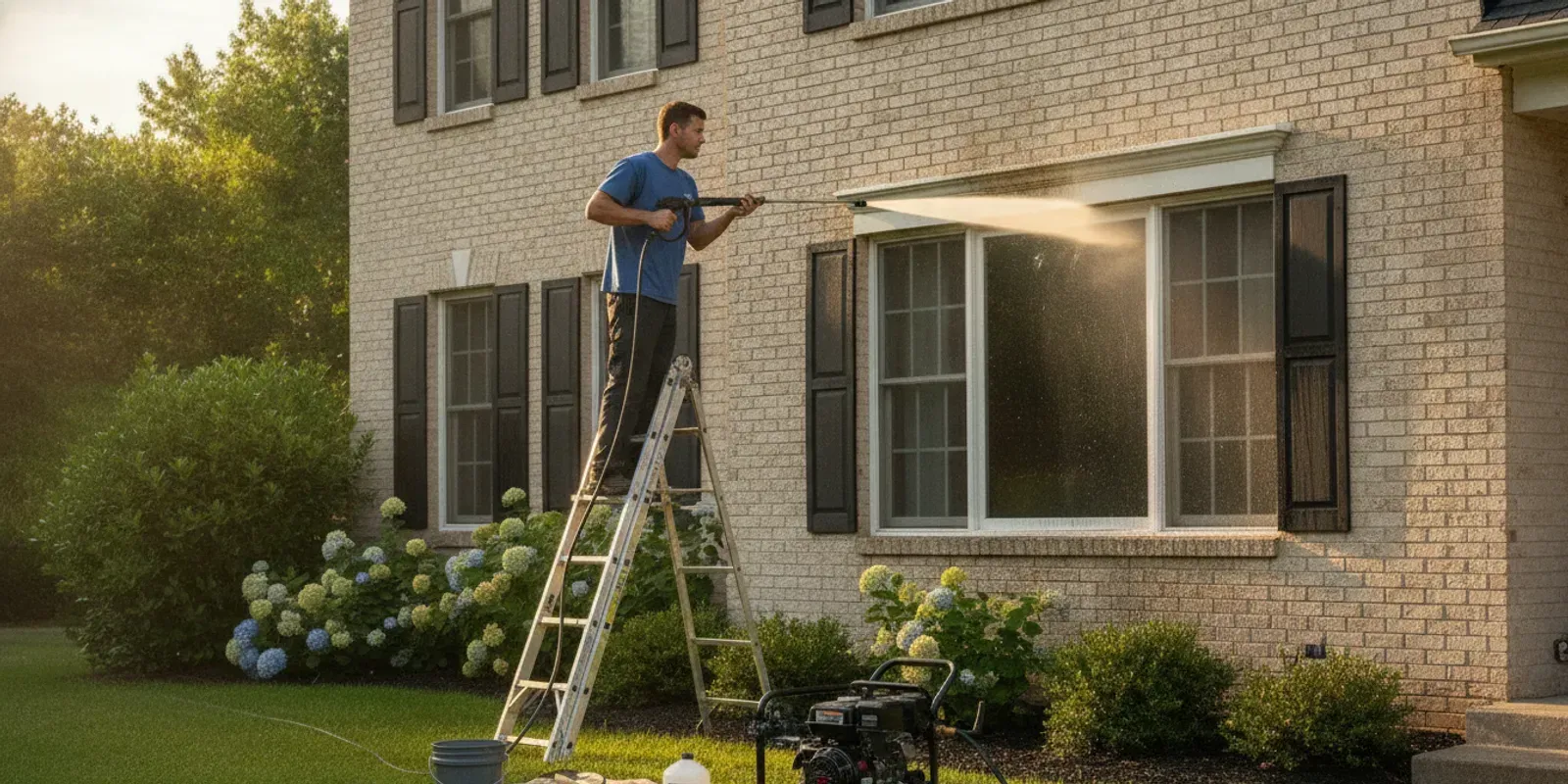
Can windows be pressure washed safely? Learn what affects the risk, which surfaces need special care, and when to ask a professional for assessment.
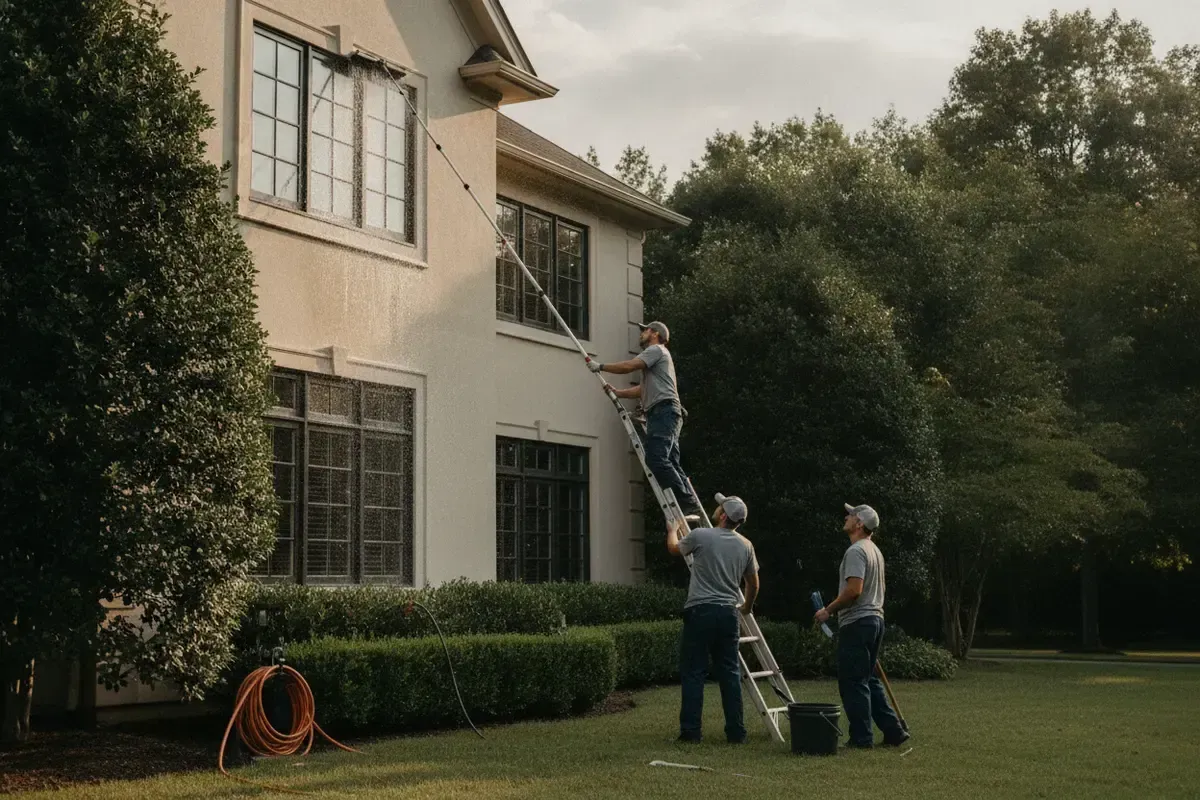
Exterior windows and professional cleaning equipment at a home
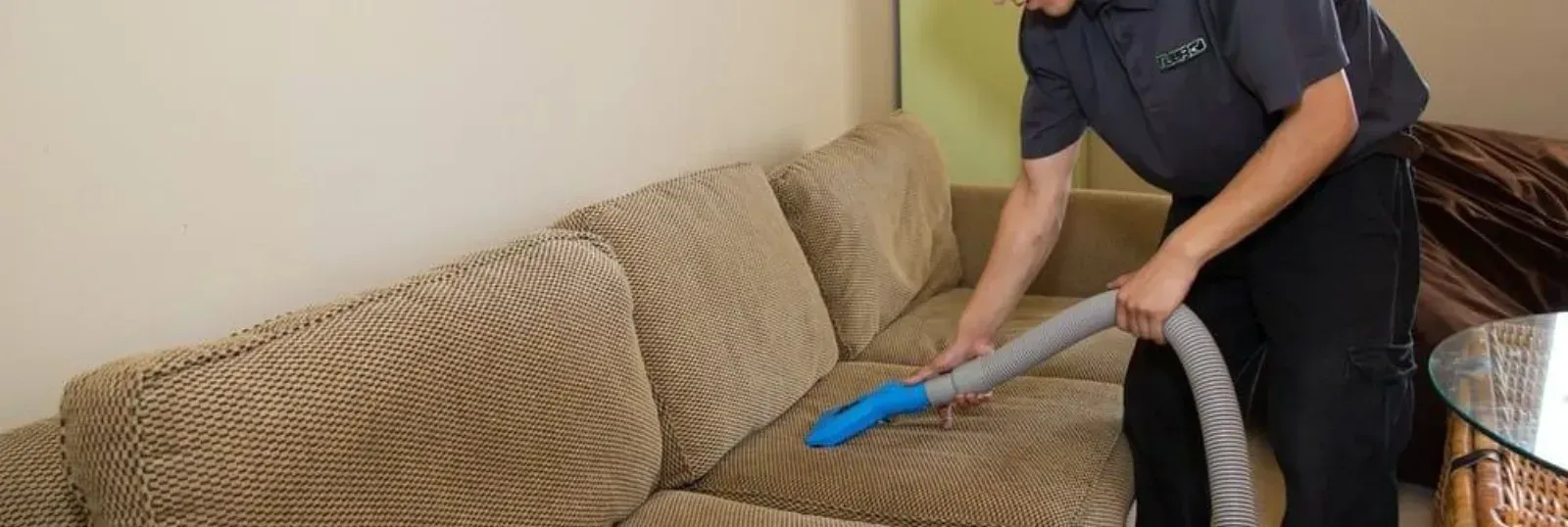
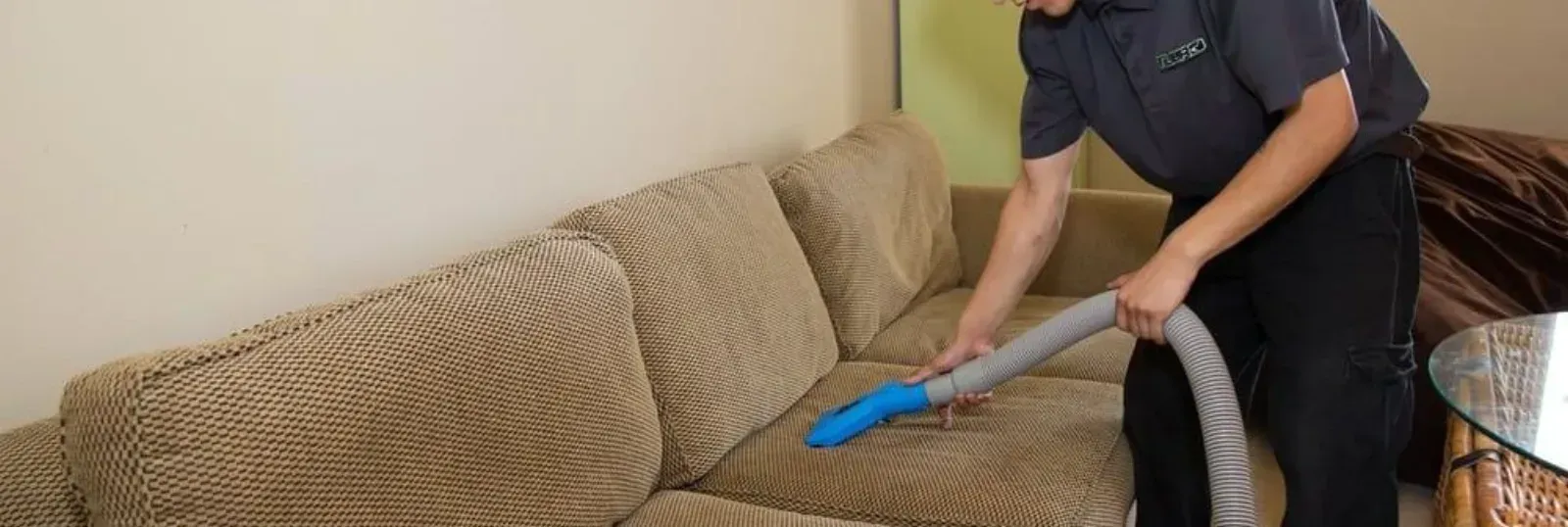
Professional upholstery cleaning technician using an extraction tool on a fabric sofa
By Ryota Nishino • October 17, 2026
Learn how Washington homeowners can choose upholstery cleaning methods, understand fabric needs, and plan service with Tubro Carpet Cleaning.
Professional upholstery cleaning technician using an extraction tool on a fabric sofa
By Ryota Nishino • October 17, 2026
Learn how Washington homeowners can choose upholstery cleaning methods, understand fabric needs, and plan service with Tubro Carpet Cleaning.
Professional carpet cleaning team inspecting clean commercial carpet
By Ryota Nishino • October 17, 2026
Learn how to choose commercial carpet cleaning company services by comparing credentials, equipment, contracts, scheduling, drying, and pricing.
Professional carpet cleaning team inspecting clean commercial carpet
By Ryota Nishino • October 17, 2026
Learn how to choose commercial carpet cleaning company services by comparing credentials, equipment, contracts, scheduling, drying, and pricing.
Pet-safe carpet cleaning for Covington families in a bright home
By Ryota Nishino • October 16, 2026
Learn how pet-safe carpet cleaning helps Covington families manage pet dander, indoor dirt, odor concerns, and drying time with Tubro's process.
Professional carpet cleaning technician inspecting carpet in a bright home
By Ryota Nishino • October 16, 2026
Learn what IICRC certification means for carpet cleaning, which credentials fit homes and businesses, and what to ask a local provider.
Professional carpet cleaning in a bright Pacific Northwest home
By Ryota Nishino • October 13, 2026
. How long carpets usually take to dry after professional cleaning depends on the carpet, room, and cleaning conditions. Tubro Carpet Cleaning states that its quick-dry process can support a 6 to 12 hour drying time. Actual results vary with carpet construction, moisture, airflow, humidity, and the work performed. Call Tubro at (253) 499-1028 to plan professional carpet cleaning and ask about drying time. This guide explains what changes drying time and how to plan your rooms afterward. It applies to homeowners, landlords, property managers, and businesses across South King County and Pierce County. How Long Carpets Usually Take to Dry After Professional Cleaning After professional hot water extraction, many carpets dry within several hours. Tubro identifies a 6 to 12 hour drying range for its quick-dry process. That range gives homeowners a useful starting point when planning cleaning around work, children, pets, or guests. The common professional cleaning range Drying begins when the technician finishes extracting moisture from the carpet. Carpet may feel cool or slightly damp before it becomes fully dry. Touch alone cannot always show whether moisture remains deeper in the pile or backing. A small room with good airflow may dry sooner than a large room with dense carpet. A heavily soiled area may also need more cleaning work. That can change the amount of moisture left behind. Why the estimate is not a promise A drying estimate describes expected conditions rather than a fixed deadline. Indoor humidity, ventilation, carpet fiber, padding, soil level, and equipment setup all affect the outcome. Ask the technician what to expect for your rooms. This matters when you need to replace furniture, welcome guests, reopen an office, or return a rental to service. Summary: Tubro's stated 6 to 12 hour range is a practical planning estimate. Your carpet may dry sooner or take longer based on the room and cleaning conditions. When you are ready to discuss a service visit, use the Tubro contact page to share your location and timing needs. What Happens During Professional Carpet Cleaning? Professional carpet cleaning uses a planned process that balances soil removal, fiber care, and moisture recovery. Tubro describes hot water extraction, also called steam cleaning, as its primary carpet-cleaning method. Hot water extraction and moisture recovery Hot water extraction applies cleaning solution and water, then removes the mixture with powerful vacuum equipment. The extraction stage is important because it removes suspended soil and much of the moisture used during cleaning. Truck-mounted equipment can support strong extraction at the property. The result still depends on carpet construction, access, technician setup, and the amount of cleaning required. The final inspection and drying plan A responsible visit includes a review of the cleaned areas and the expected next steps. Ask which rooms were cleaned and when they can return to normal use. An IICRC-certified textile cleaning professional can also explain care considerations for the carpet type. Manufacturer guidance should remain part of the planning process, especially for newer carpet or warranty-covered flooring. Review Tubro residential carpet cleaning to learn more about the company's local service approach. Summary: Extraction quality affects drying because the process removes moisture from the carpet. Equipment, carpet condition, and a clear final inspection all help set realistic expectations. Which Factors Affect Carpet Drying Time? Several conditions can make carpet dry faster or slower. Understanding them helps you plan service without relying on a single universal number. Carpet fiber and pile thickness Dense or thick carpet can hold more moisture than a low-profile carpet. Padding and backing can also retain moisture below the visible surface. Fiber type and construction should guide the technician's method and the expected timeline. Humidity and indoor temperature Moist air slows evaporation because it has less capacity to accept additional moisture. Cooler rooms can also dry more slowly. Pacific Northwest homes may experience different conditions during damp winter weather and warmer summer days. Airflow and ventilation Moving air helps moisture leave the carpet surface. Closed rooms with limited ventilation often take longer than rooms with useful air circulation. The best approach depends on outdoor conditions, indoor comfort, and the technician's guidance. Cleaning scope and carpet condition A larger job can take longer to dry than one small room. Heavy soil, dense traffic lanes, and carpet that needs additional attention can change the amount of work and moisture involved. Summary: Carpet type, humidity, temperature, airflow, and cleaning scope all influence drying. Ask for room-specific guidance instead of treating one estimate as universal. How Should You Plan Room Use After Cleaning? Planning room use is part of a successful cleaning appointment. Keep people and pets away from treated areas until the carpet is ready for normal traffic. Identify the rooms that must return to use first. Tell the technician about children, pets, furniture, and access limits. Plan an alternate path until each cleaned area is ready for normal traffic. This simple order helps households, landlords, and businesses avoid unnecessary traffic while the carpet dries. It also creates a clearer conversation about the rooms that need special attention. Before the appointment Tell the cleaner which rooms matter most and when each room must be usable. Move small items from the carpeted areas, unless the technician has approved another arrangement. Share entry, parking, gate, stair, and access details before the visit. Keep children and pets away from active work areas. Have carpet manufacturer information available when you know the fiber or warranty requirements. After the appointment Follow the technician's instructions about walking, furniture, children, and pets. If you must cross a damp area, ask what is appropriate for that carpet and situation. Plan a clear path through the home and keep heavy traffic away from freshly cleaned carpet. This reduces tracking and gives the carpet time to finish drying evenly. When a business needs a quick return to use Property managers and business owners should identify priority rooms before service begins. Offices, retail areas, rental units, and shared spaces may need different schedules. Share operating hours and access limits with the provider. Tubro's commercial carpet cleaning service information can help business owners prepare a more focused request. For a property with several rooms, the priority list can also guide the cleaning sequence. Share deadlines before the appointment, then confirm which spaces should remain closed. This planning does not change physical drying time, but it can make the return to normal use more orderly. Summary: A good drying plan starts before the technician arrives. Prioritize rooms, limit traffic, and follow the technician's guidance until the carpet is ready. How Can You Support Faster, More Even Drying? Homeowners can support drying by creating suitable airflow and reducing unnecessary traffic. These steps do not replace professional extraction or the technician's instructions. Use practical airflow Ask whether fans, ventilation, or air conditioning are appropriate for the conditions. Air movement can help, but opening windows is not always useful during damp outdoor weather. Keep doors and pathways arranged so air can move without creating a safety problem. Do not place objects directly on damp carpet unless the technician says it is safe. Reduce moisture added after service Avoid washing floors nearby or bringing wet items across freshly cleaned carpet. Keep outdoor moisture and household traffic away while the carpet is drying. Watch the whole room, not one small spot Carpet may feel different near walls, under furniture, or in thicker traffic lanes. Check the rooms as a whole and follow the agreed care plan. If carpet remains unusually damp beyond the expected window, contact the cleaning company for guidance. Do not assume that a longer drying period means the service failed. Room conditions and carpet construction may explain the difference. Summary: Appropriate airflow, limited traffic, and careful room use can support more even drying. Contact the provider when the carpet stays damp longer than expected. How Does Pacific Northwest Weather Affect Drying? Weather can influence indoor humidity and ventilation in South King County and Pierce County. Seasonal conditions do not create one fixed drying schedule, but they can change how quickly moisture leaves carpet. Damp conditions High outdoor humidity can make natural ventilation less helpful. During damp weather, ask about indoor airflow and the best way to support drying without making the room uncomfortable. Warmer, drier conditions Warm conditions may support faster evaporation when indoor humidity is controlled. Even then, thick carpet, padding, and limited airflow can extend the timeline. Local service planning Tell the technician about rooms with limited windows, basement locations, or unusual ventilation. These details help the team provide more useful guidance for the property. For broader indoor carpet-care context, the EPA carpet-care guidance recommends considering manufacturer instructions and household conditions. Summary: Seasonal humidity and room ventilation can change drying time. Local conditions are useful context, but carpet construction and indoor airflow still matter most for the individual room. When Should You Call a Professional Carpet Cleaner? Professional service is useful when carpet needs a deeper clean than routine vacuuming can provide. It can also help when a home, rental, office, or retail space needs a planned maintenance visit. Choose a clear service plan Ask about the cleaning method, rooms included, expected drying range, and post-service care. A clear plan helps you schedule around daily life without relying on unsupported promises. Tubro serves local communities across South King County and Pierce County. You can review Maple Valley carpet cleaning service for local context, or visit the Tubro About Us page to learn about the company. Ask the right drying questions Before booking, ask what drying range is realistic for your carpet and rooms. Mention the carpet type, room size, ventilation, furniture, children, pets, and the time you need the space ready. That conversation gives you a better plan than a generic promise. It also helps the technician identify conditions that may change the expected timeline. Summary: A reliable professional explains the method, scope, drying range, and care plan. Clear questions help you choose a service time that fits your property. Call Tubro at (253) 499-1028 to ask about carpet cleaning and a realistic drying timeframe. Frequently Asked Questions How long do carpets usually take to dry after professional cleaning? Many carpets dry within several hours after professional hot water extraction. Tubro states that its quick-dry process can support a 6 to 12 hour drying time, but results vary by carpet and room conditions. Can carpet dry in one day after professional cleaning? Yes, many professional cleaning jobs can dry within the same day. Humidity, carpet thickness, padding, airflow, and cleaning scope can extend the timeline. What makes carpet take longer to dry? Dense carpet, thick padding, high humidity, cool rooms, limited ventilation, and a larger cleaning scope can all extend drying time. Can I walk on carpet while it is still damp? Follow the technician's instructions. Keep traffic limited while carpet dries, and keep children and pets away from treated areas until the carpet is ready for normal use. What should I ask before booking carpet cleaning? Ask about the cleaning method, expected drying range, rooms included, access requirements, furniture, and post-service room-use guidance. Share any carpet manufacturer instructions you have. Plan Your Carpet Cleaning With Tubro Drying time matters when you are planning around family routines, tenants, guests, or business operations. Tubro Carpet Cleaning can discuss your carpeted areas, local service needs, cleaning method, and realistic drying expectations before the appointment. Call Tubro Carpet Cleaning at (253) 499-1028 to plan professional carpet cleaning in South King County or Pierce County. 
Professional carpet cleaning in a bright Pacific Northwest home
By Ryota Nishino • October 13, 2026
Learn how long carpets usually take to dry after professional cleaning, what affects the timeline, and how to plan room use with Tubro Carpet Cleaning.
Professional carpet cleaning equipment in a bright commercial office
By Ryota Nishino • October 9, 2026
Learn the key commercial vs residential carpet cleaning differences in scope, equipment, pricing, scheduling, and carpet wear before you book service
Technician using pressure washing equipment to clean an outdoor walkway
By Ryota Nishino • October 5, 2026
Learn what pressure washing does, which outdoor surfaces may benefit, when to schedule it in Washington, and what affects the price of a professional job.