
Upholstery Cleaning Guide for Washington Homeowners

October 17, 2026

Learn how Washington homeowners can choose upholstery cleaning methods, understand fabric needs, and plan service with Tubro Carpet Cleaning.

This upholstery cleaning guide helps Washington homeowners understand how fabric type, furniture use, and local conditions shape a professional cleaning plan.

Schedule upholstery cleaning with Tubro Carpet Cleaning at (253) 499-1028.

Why upholstery cleaning matters in Washington homes

Key takeaway: Professional upholstery cleaning helps manage accumulated soil and odors without treating every fabric the same. Washington's wet seasons, active households, and indoor heating can make a furniture-care plan especially useful.

Furniture can look acceptable while holding fine soil deep in the weave. Upholstery also absorbs odors from cooking, pets, smoke, and closed-up rooms. Heavy use can flatten fibers and make armrests look darker than the rest of a sofa.

Rainy weather adds another challenge. Damp jackets, shoes, and pets can transfer moisture and outdoor soil indoors. That soil can move onto chairs, ottomans, and sectional cushions during normal use.

Professional service begins with inspection. A technician considers fiber type, construction, color stability, backing, cushion design, and the manufacturer's care information. This assessment matters more than choosing a cleaning method by appearance alone.

Tubro Carpet Cleaning serves homeowners across South King County and Pierce County. Its upholstery cleaning service is designed for sofas, sectionals, chairs, and ottomans.

What upholstery fabrics need different cleaning plans?

Key takeaway: Cotton, linen, microfiber, velvet, wool, and leather respond differently to moisture, agitation, heat, and drying. A professional should identify the material and care code before recommending a process.

Fabric labels often include a cleaning code. Codes are helpful starting points, but they do not replace a professional evaluation. Furniture construction and previous treatments can change how a material responds.

Material or constructionWhat a professional considersWhy assessment mattersCotton and cotton blendsMoisture tolerance, color stability, shrinkage risk, and weaveNatural fibers can react differently across cushions and panelsLinen and delicate blendsFiber sensitivity, texture, moisture control, and dryingDelicate fibers can show texture or color changes when mishandledMicrofiber and performance fabricsFabric code, pile direction, moisture level, and finishUneven moisture can create visible texture or drying differencesVelvet and textured fabricsPile direction, crushing risk, color response, and constructionPressure and moisture must match the fabric's structureWool and wool blendsFiber response, dye stability, moisture, and controlled dryingNatural fibers require careful handling and realistic expectationsLeatherFinish, surface condition, soil type, and conditioning needsLeather care differs from textile cleaning and requires a separate plan

Do not assume a removable cushion cover can be treated like a towel. Some covers have backing, zippers, dyes, or finishes that react differently from the exposed furniture panel.

When a label is missing or unclear, tell the technician before service. A professional can document the furniture's condition and explain which results are realistic.
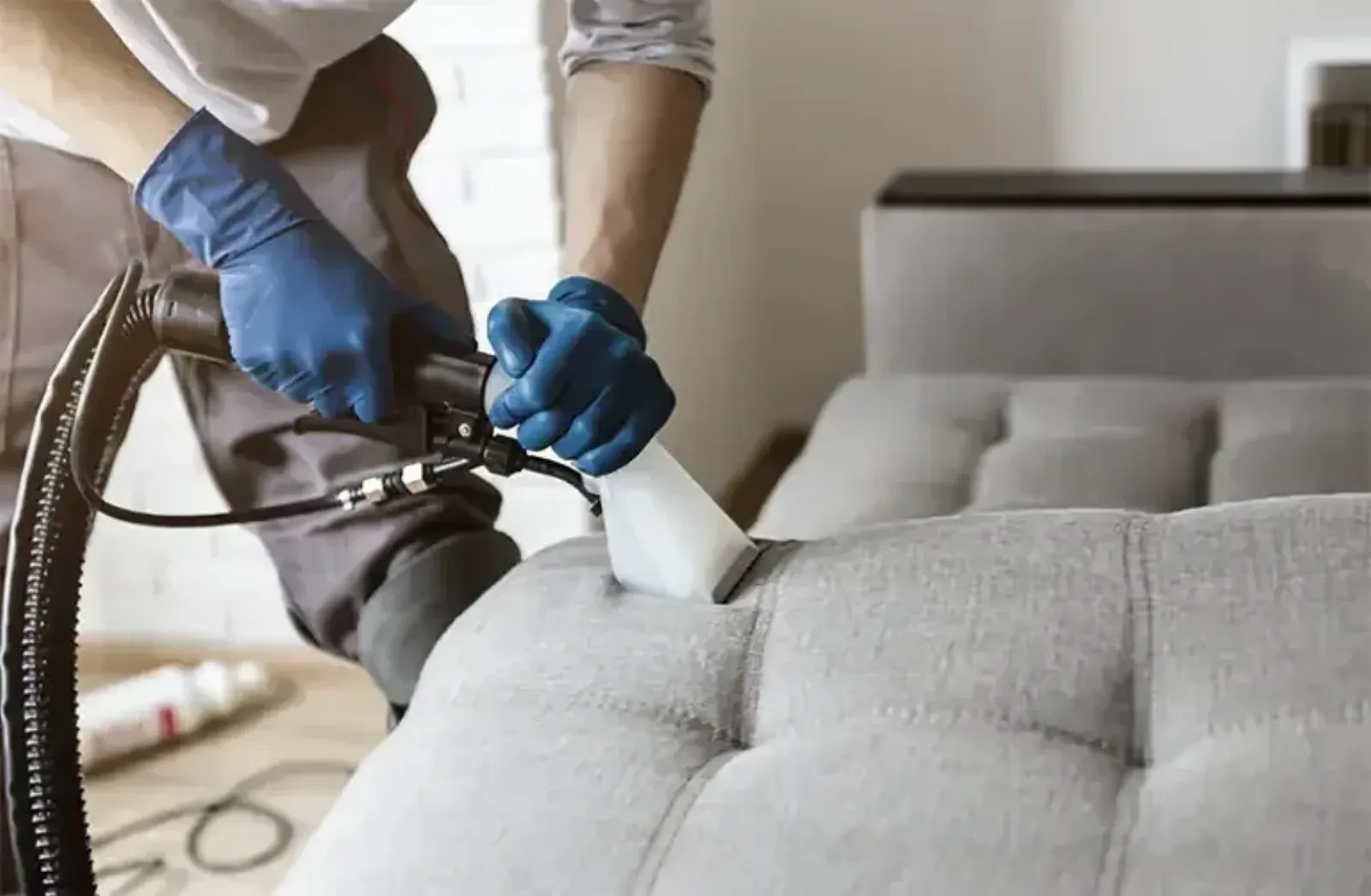
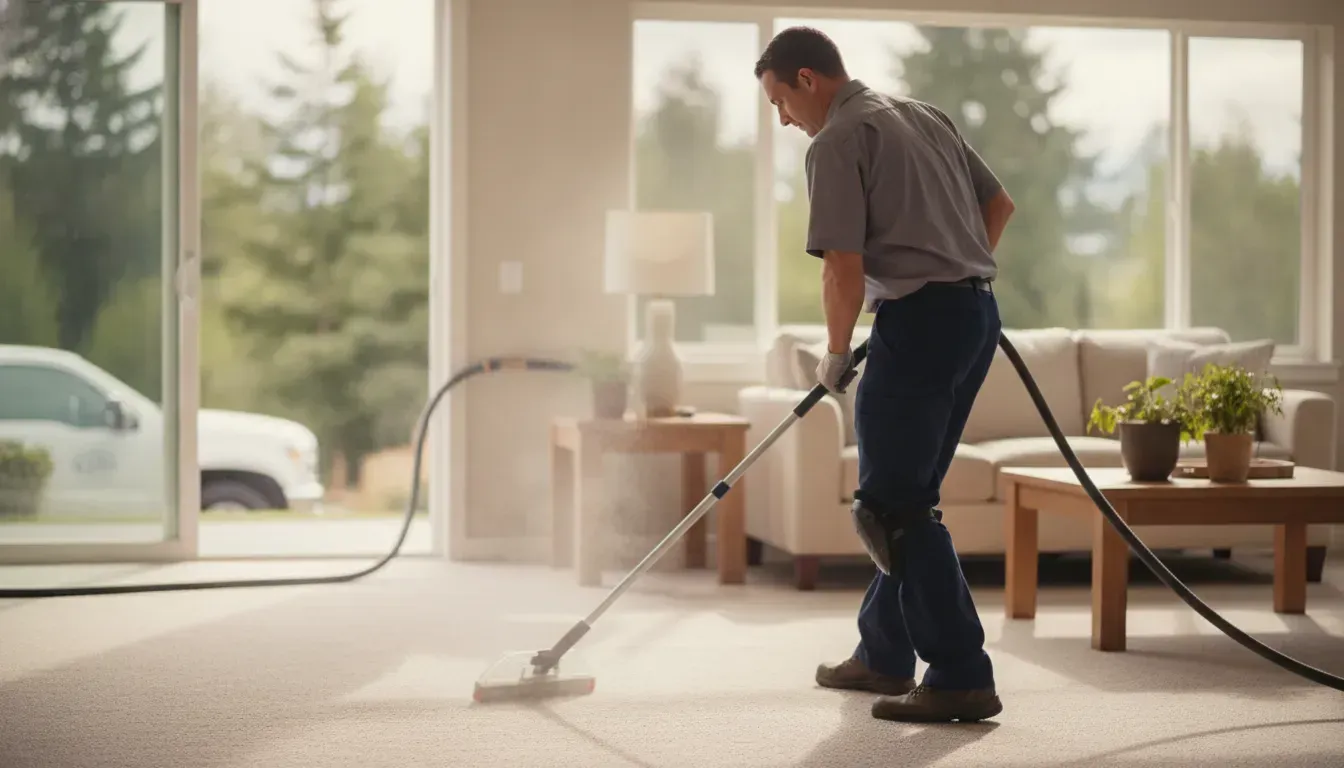
Professional upholstery cleaning equipment working on a fabric sofa in a homeWhen should Washington homeowners schedule upholstery cleaning?

Key takeaway: Schedule professional upholstery cleaning when furniture shows accumulated soil, persistent odor, flattened texture, or heavy daily use. The best timing depends on the household, fabric, and furniture condition.

A fixed calendar interval cannot fit every home. A lightly used guest chair has different needs than a sectional used by children and pets every day.

Consider a professional assessment when you notice:

  • Darkened armrests, seat fronts, or headrests
  • A dull or flattened appearance across frequently used cushions
  • Persistent odors that remain after normal ventilation
  • Pet hair and fine soil embedded in the weave
  • A greasy or tacky feel on high-contact areas
  • Furniture that has not been professionally evaluated after years of use
  • Visible wear that needs a realistic condition assessment

Timing also matters before a move, home showing, holiday gathering, or major room change. Professional cleaning may require drying time, furniture access, and time for the fabric to return to its normal appearance.

Ask about drying expectations before booking. Tubro Carpet Cleaning promotes quick-dry service features, but actual drying depends on fabric, construction, airflow, humidity, and the cleaning process selected.

What happens during professional upholstery cleaning?

Key takeaway: A professional upholstery visit should move from inspection to method selection, controlled cleaning, extraction or drying, and a final condition review. The process should fit the furniture rather than force every item through one routine.

  1. Inspection: The technician reviews fabric, construction, care information, visible soil, odor concerns, and existing wear.
  2. Method selection: The technician chooses a suitable low-moisture, dry-cleaning, or hot-water extraction approach when appropriate.
  3. Preparation: Loose debris and pet hair are addressed, and surrounding areas are protected before cleaning begins.
  4. Controlled cleaning: Product choice, moisture, agitation, and extraction are adjusted to the furniture.
  5. Drying support: Air movement and efficient extraction help manage remaining moisture.
  6. Final review: The technician explains the finished condition, drying guidance, and any limits caused by age, wear, or permanent discoloration.

Good service includes clear communication. Tell Tubro about pets, children, allergies, recent furniture repairs, previous cleaning, or concerns about a particular fabric.

Professional cleaning is not a promise that every mark will disappear. Many spots and stains are permanent, especially when fibers are damaged, dyes have changed, or discoloration has set. Assessment keeps expectations realistic.

Is dry cleaning or steam cleaning better for upholstery?

Key takeaway: Neither method is best for every piece of furniture. Dry-cleaning options and hot-water extraction serve different materials, so a professional should match the process to the fabric and construction.

In everyday conversation, people often call hot-water extraction steam cleaning. Hot-water extraction applies a controlled cleaning solution and removes soil with powerful vacuum extraction. It is not the same as flooding furniture with water.

Dry-cleaning upholstery generally uses a low-moisture or solvent-based process selected for a suitable fabric. It can be considered for delicate materials or furniture that should not receive a water-based process.

The choice depends on the cleaning code, fiber, dye, backing, cushion design, and the furniture's condition. A technician may also recommend different methods for different pieces in the same room.

QuestionHot-water extractionDry-cleaning or low-moisture servicePrimary considerationControlled moisture and thorough extractionMaterial compatibility and minimal moisturePossible fitSuitable textiles after professional inspectionDelicate or moisture-sensitive textiles when appropriateDrying needsDepends on fabric, airflow, humidity, and extractionOften uses less moisture, but the furniture still needs evaluationBest next stepConfirm the fabric and expected drying timeConfirm the process, product, and realistic outcome

Do not choose a method only because it sounds stronger or faster. The wrong process can create texture changes, color transfer, shrinkage, or other damage. A professional assessment protects the furniture and clarifies the service plan.

Are eco-friendly upholstery products safer for families and pets?

Key takeaway: Eco-friendly products can support a family-conscious cleaning plan, but product selection still depends on the furniture and the cleaning goal. Ask about products, ventilation, drying, and re-entry guidance before service.

Tubro Carpet Cleaning describes its cleaning products as eco-friendly, non-toxic, biodegradable, and safe for children and pets. These qualities are useful for homes where furniture receives daily contact.

Eco-friendly does not mean every product fits every textile. A professional still needs to consider fiber, dyes, finishes, and the furniture's construction. Product compatibility comes first.

Families should also ask practical questions:

  • Which product type is planned for the fabric?
  • How much moisture should the furniture receive?
  • How long should children and pets stay away from the furniture?
  • What airflow will support drying?
  • What conditions could change the expected result?

Share information about sensitive household members before service. A clear conversation helps the technician plan the work and explain any precautions.
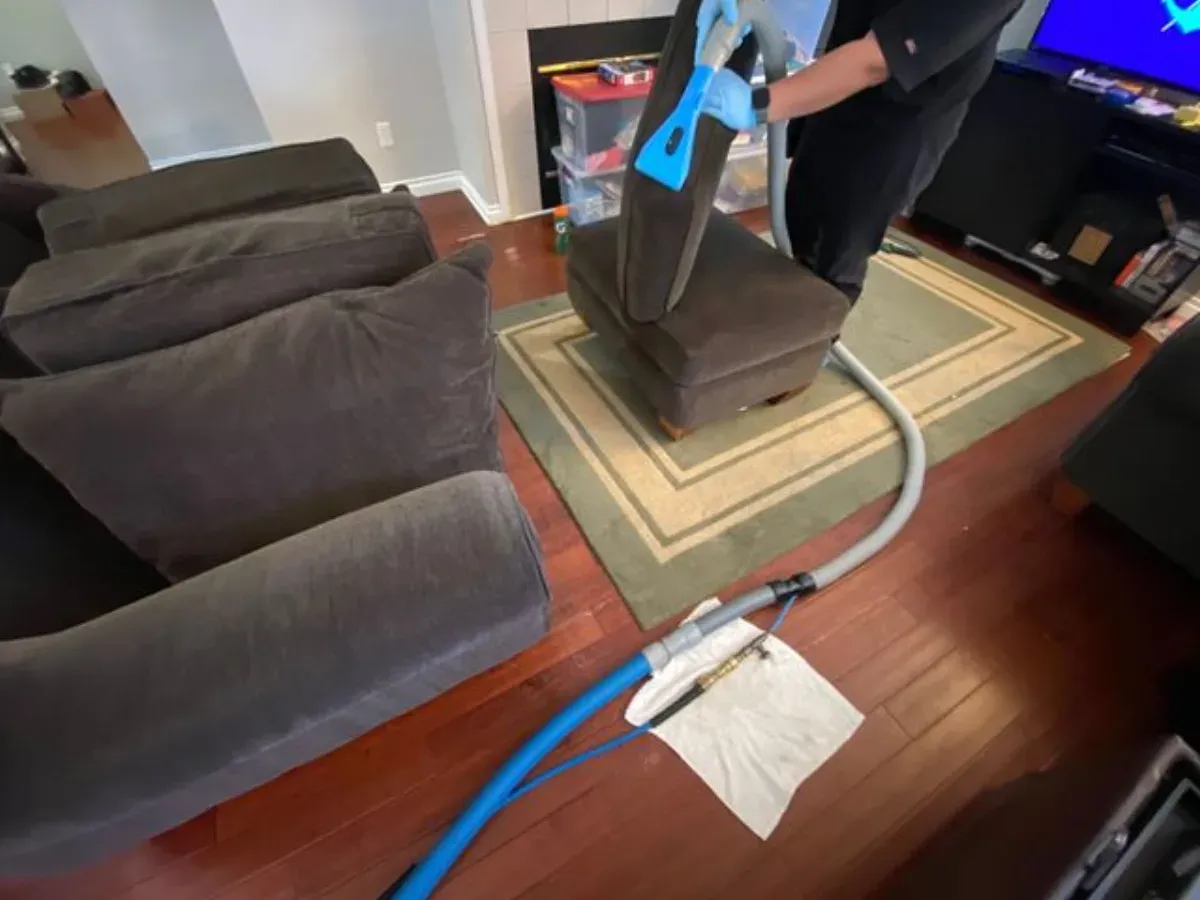
Technician cleaning upholstered chairs and a sofa in a Washington homeHow can homeowners choose an upholstery cleaning company?

Key takeaway: Compare upholstery cleaners by inspection quality, fabric knowledge, process transparency, drying guidance, realistic claims, and local service coverage. A low price or broad promise does not show that a provider understands your furniture.

Before booking, ask whether the company evaluates the fabric and explains the planned method. Ask how the technician handles delicate materials, leather, mixed fabrics, and furniture with uncertain care labels.

Look for a provider that explains limits. Trustworthy upholstery cleaning does not guarantee that every stain, discoloration, odor, or wear pattern will disappear. It describes what the service can address and what may remain.

Review the company's service area and communication standards. Tubro Carpet Cleaning is based in Maple Valley and serves communities across South King County and Pierce County. Its home page provides a starting point for confirming local availability.

Also review independent customer feedback and service information. Tubro's customer reviews provide a starting point for evaluating the local experience.

Finally, ask what happens after cleaning. You should receive drying guidance, care information, and a clear explanation of the furniture's finished condition.

How does upholstery cleaning fit a whole-home cleaning plan?

Key takeaway: Upholstery and carpet collect related household soil, but they require separate material assessments. Coordinating both services can make scheduling easier while keeping each surface on an appropriate cleaning plan.

Many homes have carpet and upholstered furniture in the same high-use rooms. Soil can move between floors, seating, clothing, and pets. Coordinating service can help homeowners plan access, drying, and room use.

Upholstery still should not be treated like carpet. Furniture has seams, cushions, backing, frames, finishes, and different fiber combinations. The technician should evaluate each material separately.

Homeowners can review Tubro's residential cleaning services when planning related carpet care. Commercial property owners can review commercial cleaning options for offices, rentals, and other facilities.

Planning the visit around household routines can reduce disruption. Clear furniture access, identified fabric concerns, and realistic drying expectations help the appointment run smoothly.

Call Tubro Carpet Cleaning at (253) 499-1028 to discuss your upholstery and furniture-care needs.

Frequently Asked Questions

How often should upholstery be professionally cleaned?

Cleaning frequency depends on furniture use, pets, children, fabric, indoor conditions, and visible soil. A professional assessment is more reliable than a universal calendar interval.

Can professional upholstery cleaning remove every stain?

No. Spots and stains are often permanent. A professional can assess the material, explain realistic expectations, and recommend a suitable cleaning process without promising complete removal.

Is hot-water extraction the same as steam cleaning?

People often use the terms interchangeably, but hot-water extraction uses controlled solution application and vacuum extraction. The suitable process depends on the fabric and furniture construction.

Can every sofa be cleaned with water?

No. Some fabrics and constructions require a dry-cleaning or low-moisture approach. The care code, fiber, dye, backing, and condition should be evaluated first.

Are eco-friendly products suitable for homes with pets?

Eco-friendly products can support a family-conscious cleaning plan, but product compatibility and drying guidance still matter. Tell the technician about children, pets, and household sensitivities before service.

What should I do if my furniture has no care label?

Tell the cleaning professional that the label is missing. The technician can inspect the construction and condition, then explain the safest available process and expected limitations.

Ready to refresh your upholstered furniture?

Tubro Carpet Cleaning can help Washington homeowners plan upholstery service around fabric type, furniture condition, household needs, and drying expectations.

Call (253) 499-1028 to schedule an upholstery cleaning consultation with Tubro Carpet Cleaning.
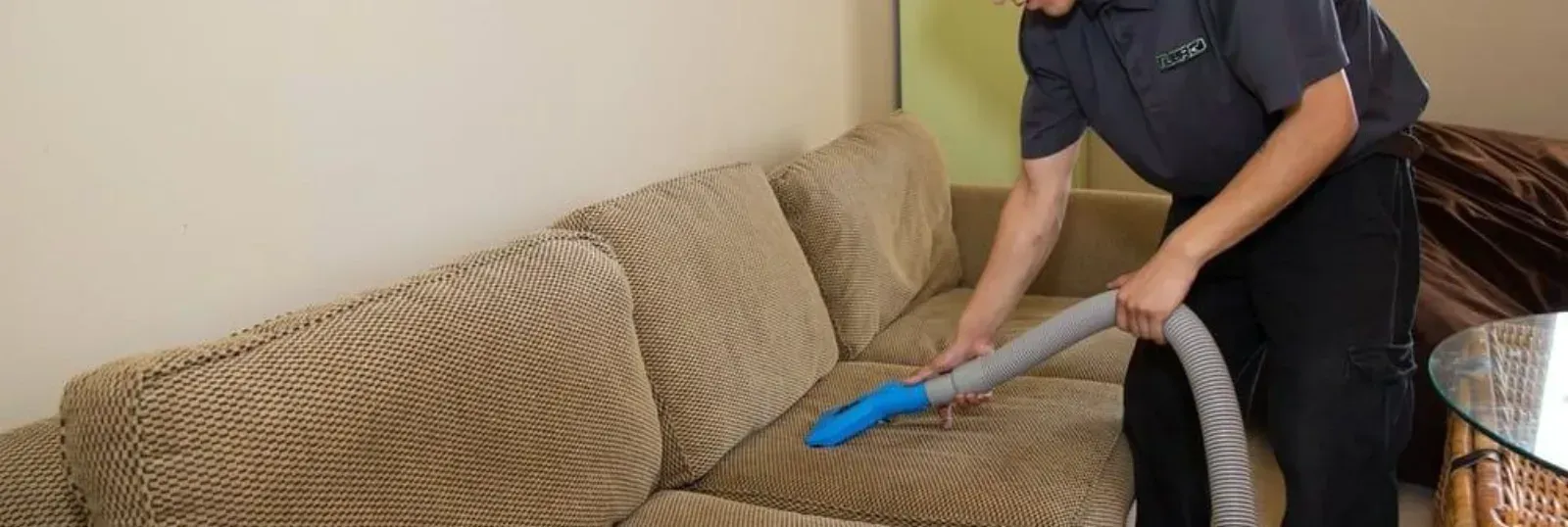
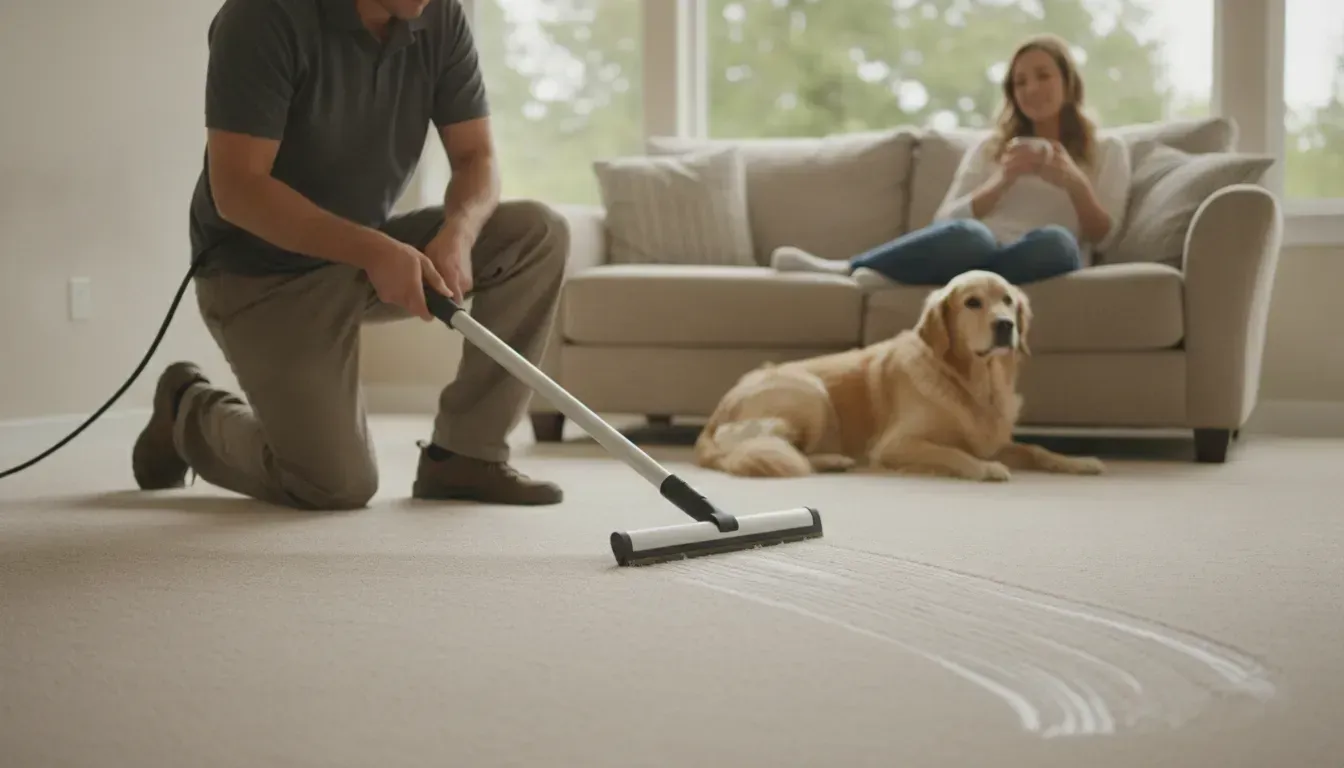
Professional upholstery cleaning technician using an extraction tool on a fabric sofa
By Ryota Nishino • October 17, 2026
Learn how Washington homeowners can choose upholstery cleaning methods, understand fabric needs, and plan service with Tubro Carpet Cleaning.
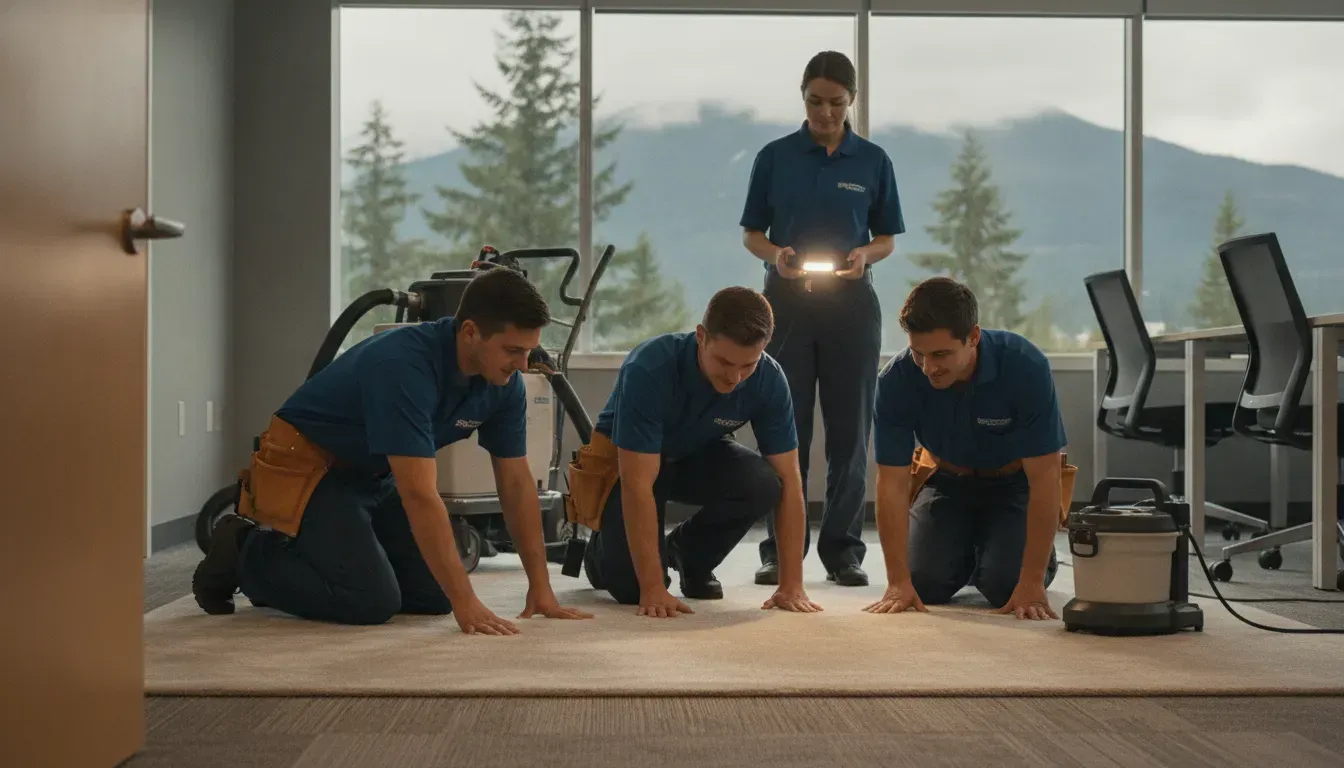
Professional carpet cleaning team inspecting clean commercial carpet
By Ryota Nishino • October 17, 2026
Learn how to choose commercial carpet cleaning company services by comparing credentials, equipment, contracts, scheduling, drying, and pricing.
Professional carpet cleaning team inspecting clean commercial carpet
By Ryota Nishino • October 17, 2026
Learn how to choose commercial carpet cleaning company services by comparing credentials, equipment, contracts, scheduling, drying, and pricing.
Pet-safe carpet cleaning for Covington families in a bright home
By Ryota Nishino • October 16, 2026
Learn how pet-safe carpet cleaning helps Covington families manage pet dander, indoor dirt, odor concerns, and drying time with Tubro's process.
Professional carpet cleaning technician inspecting carpet in a bright home
By Ryota Nishino • October 16, 2026
Learn what IICRC certification means for carpet cleaning, which credentials fit homes and businesses, and what to ask a local provider.
Professional carpet cleaning in a bright Pacific Northwest home
By Ryota Nishino • October 13, 2026
. How long carpets usually take to dry after professional cleaning depends on the carpet, room, and cleaning conditions. Tubro Carpet Cleaning states that its quick-dry process can support a 6 to 12 hour drying time. Actual results vary with carpet construction, moisture, airflow, humidity, and the work performed. Call Tubro at (253) 499-1028 to plan professional carpet cleaning and ask about drying time. This guide explains what changes drying time and how to plan your rooms afterward. It applies to homeowners, landlords, property managers, and businesses across South King County and Pierce County. How Long Carpets Usually Take to Dry After Professional Cleaning After professional hot water extraction, many carpets dry within several hours. Tubro identifies a 6 to 12 hour drying range for its quick-dry process. That range gives homeowners a useful starting point when planning cleaning around work, children, pets, or guests. The common professional cleaning range Drying begins when the technician finishes extracting moisture from the carpet. Carpet may feel cool or slightly damp before it becomes fully dry. Touch alone cannot always show whether moisture remains deeper in the pile or backing. A small room with good airflow may dry sooner than a large room with dense carpet. A heavily soiled area may also need more cleaning work. That can change the amount of moisture left behind. Why the estimate is not a promise A drying estimate describes expected conditions rather than a fixed deadline. Indoor humidity, ventilation, carpet fiber, padding, soil level, and equipment setup all affect the outcome. Ask the technician what to expect for your rooms. This matters when you need to replace furniture, welcome guests, reopen an office, or return a rental to service. Summary: Tubro's stated 6 to 12 hour range is a practical planning estimate. Your carpet may dry sooner or take longer based on the room and cleaning conditions. When you are ready to discuss a service visit, use the Tubro contact page to share your location and timing needs. What Happens During Professional Carpet Cleaning? Professional carpet cleaning uses a planned process that balances soil removal, fiber care, and moisture recovery. Tubro describes hot water extraction, also called steam cleaning, as its primary carpet-cleaning method. Hot water extraction and moisture recovery Hot water extraction applies cleaning solution and water, then removes the mixture with powerful vacuum equipment. The extraction stage is important because it removes suspended soil and much of the moisture used during cleaning. Truck-mounted equipment can support strong extraction at the property. The result still depends on carpet construction, access, technician setup, and the amount of cleaning required. The final inspection and drying plan A responsible visit includes a review of the cleaned areas and the expected next steps. Ask which rooms were cleaned and when they can return to normal use. An IICRC-certified textile cleaning professional can also explain care considerations for the carpet type. Manufacturer guidance should remain part of the planning process, especially for newer carpet or warranty-covered flooring. Review Tubro residential carpet cleaning to learn more about the company's local service approach. Summary: Extraction quality affects drying because the process removes moisture from the carpet. Equipment, carpet condition, and a clear final inspection all help set realistic expectations. Which Factors Affect Carpet Drying Time? Several conditions can make carpet dry faster or slower. Understanding them helps you plan service without relying on a single universal number. Carpet fiber and pile thickness Dense or thick carpet can hold more moisture than a low-profile carpet. Padding and backing can also retain moisture below the visible surface. Fiber type and construction should guide the technician's method and the expected timeline. Humidity and indoor temperature Moist air slows evaporation because it has less capacity to accept additional moisture. Cooler rooms can also dry more slowly. Pacific Northwest homes may experience different conditions during damp winter weather and warmer summer days. Airflow and ventilation Moving air helps moisture leave the carpet surface. Closed rooms with limited ventilation often take longer than rooms with useful air circulation. The best approach depends on outdoor conditions, indoor comfort, and the technician's guidance. Cleaning scope and carpet condition A larger job can take longer to dry than one small room. Heavy soil, dense traffic lanes, and carpet that needs additional attention can change the amount of work and moisture involved. Summary: Carpet type, humidity, temperature, airflow, and cleaning scope all influence drying. Ask for room-specific guidance instead of treating one estimate as universal. How Should You Plan Room Use After Cleaning? Planning room use is part of a successful cleaning appointment. Keep people and pets away from treated areas until the carpet is ready for normal traffic. Identify the rooms that must return to use first. Tell the technician about children, pets, furniture, and access limits. Plan an alternate path until each cleaned area is ready for normal traffic. This simple order helps households, landlords, and businesses avoid unnecessary traffic while the carpet dries. It also creates a clearer conversation about the rooms that need special attention. Before the appointment Tell the cleaner which rooms matter most and when each room must be usable. Move small items from the carpeted areas, unless the technician has approved another arrangement. Share entry, parking, gate, stair, and access details before the visit. Keep children and pets away from active work areas. Have carpet manufacturer information available when you know the fiber or warranty requirements. After the appointment Follow the technician's instructions about walking, furniture, children, and pets. If you must cross a damp area, ask what is appropriate for that carpet and situation. Plan a clear path through the home and keep heavy traffic away from freshly cleaned carpet. This reduces tracking and gives the carpet time to finish drying evenly. When a business needs a quick return to use Property managers and business owners should identify priority rooms before service begins. Offices, retail areas, rental units, and shared spaces may need different schedules. Share operating hours and access limits with the provider. Tubro's commercial carpet cleaning service information can help business owners prepare a more focused request. For a property with several rooms, the priority list can also guide the cleaning sequence. Share deadlines before the appointment, then confirm which spaces should remain closed. This planning does not change physical drying time, but it can make the return to normal use more orderly. Summary: A good drying plan starts before the technician arrives. Prioritize rooms, limit traffic, and follow the technician's guidance until the carpet is ready. How Can You Support Faster, More Even Drying? Homeowners can support drying by creating suitable airflow and reducing unnecessary traffic. These steps do not replace professional extraction or the technician's instructions. Use practical airflow Ask whether fans, ventilation, or air conditioning are appropriate for the conditions. Air movement can help, but opening windows is not always useful during damp outdoor weather. Keep doors and pathways arranged so air can move without creating a safety problem. Do not place objects directly on damp carpet unless the technician says it is safe. Reduce moisture added after service Avoid washing floors nearby or bringing wet items across freshly cleaned carpet. Keep outdoor moisture and household traffic away while the carpet is drying. Watch the whole room, not one small spot Carpet may feel different near walls, under furniture, or in thicker traffic lanes. Check the rooms as a whole and follow the agreed care plan. If carpet remains unusually damp beyond the expected window, contact the cleaning company for guidance. Do not assume that a longer drying period means the service failed. Room conditions and carpet construction may explain the difference. Summary: Appropriate airflow, limited traffic, and careful room use can support more even drying. Contact the provider when the carpet stays damp longer than expected. How Does Pacific Northwest Weather Affect Drying? Weather can influence indoor humidity and ventilation in South King County and Pierce County. Seasonal conditions do not create one fixed drying schedule, but they can change how quickly moisture leaves carpet. Damp conditions High outdoor humidity can make natural ventilation less helpful. During damp weather, ask about indoor airflow and the best way to support drying without making the room uncomfortable. Warmer, drier conditions Warm conditions may support faster evaporation when indoor humidity is controlled. Even then, thick carpet, padding, and limited airflow can extend the timeline. Local service planning Tell the technician about rooms with limited windows, basement locations, or unusual ventilation. These details help the team provide more useful guidance for the property. For broader indoor carpet-care context, the EPA carpet-care guidance recommends considering manufacturer instructions and household conditions. Summary: Seasonal humidity and room ventilation can change drying time. Local conditions are useful context, but carpet construction and indoor airflow still matter most for the individual room. When Should You Call a Professional Carpet Cleaner? Professional service is useful when carpet needs a deeper clean than routine vacuuming can provide. It can also help when a home, rental, office, or retail space needs a planned maintenance visit. Choose a clear service plan Ask about the cleaning method, rooms included, expected drying range, and post-service care. A clear plan helps you schedule around daily life without relying on unsupported promises. Tubro serves local communities across South King County and Pierce County. You can review Maple Valley carpet cleaning service for local context, or visit the Tubro About Us page to learn about the company. Ask the right drying questions Before booking, ask what drying range is realistic for your carpet and rooms. Mention the carpet type, room size, ventilation, furniture, children, pets, and the time you need the space ready. That conversation gives you a better plan than a generic promise. It also helps the technician identify conditions that may change the expected timeline. Summary: A reliable professional explains the method, scope, drying range, and care plan. Clear questions help you choose a service time that fits your property. Call Tubro at (253) 499-1028 to ask about carpet cleaning and a realistic drying timeframe. Frequently Asked Questions How long do carpets usually take to dry after professional cleaning? Many carpets dry within several hours after professional hot water extraction. Tubro states that its quick-dry process can support a 6 to 12 hour drying time, but results vary by carpet and room conditions. Can carpet dry in one day after professional cleaning? Yes, many professional cleaning jobs can dry within the same day. Humidity, carpet thickness, padding, airflow, and cleaning scope can extend the timeline. What makes carpet take longer to dry? Dense carpet, thick padding, high humidity, cool rooms, limited ventilation, and a larger cleaning scope can all extend drying time. Can I walk on carpet while it is still damp? Follow the technician's instructions. Keep traffic limited while carpet dries, and keep children and pets away from treated areas until the carpet is ready for normal use. What should I ask before booking carpet cleaning? Ask about the cleaning method, expected drying range, rooms included, access requirements, furniture, and post-service room-use guidance. Share any carpet manufacturer instructions you have. Plan Your Carpet Cleaning With Tubro Drying time matters when you are planning around family routines, tenants, guests, or business operations. Tubro Carpet Cleaning can discuss your carpeted areas, local service needs, cleaning method, and realistic drying expectations before the appointment. Call Tubro Carpet Cleaning at (253) 499-1028 to plan professional carpet cleaning in South King County or Pierce County. 
Professional carpet cleaning in a bright Pacific Northwest home
By Ryota Nishino • October 13, 2026
Learn how long carpets usually take to dry after professional cleaning, what affects the timeline, and how to plan room use with Tubro Carpet Cleaning.
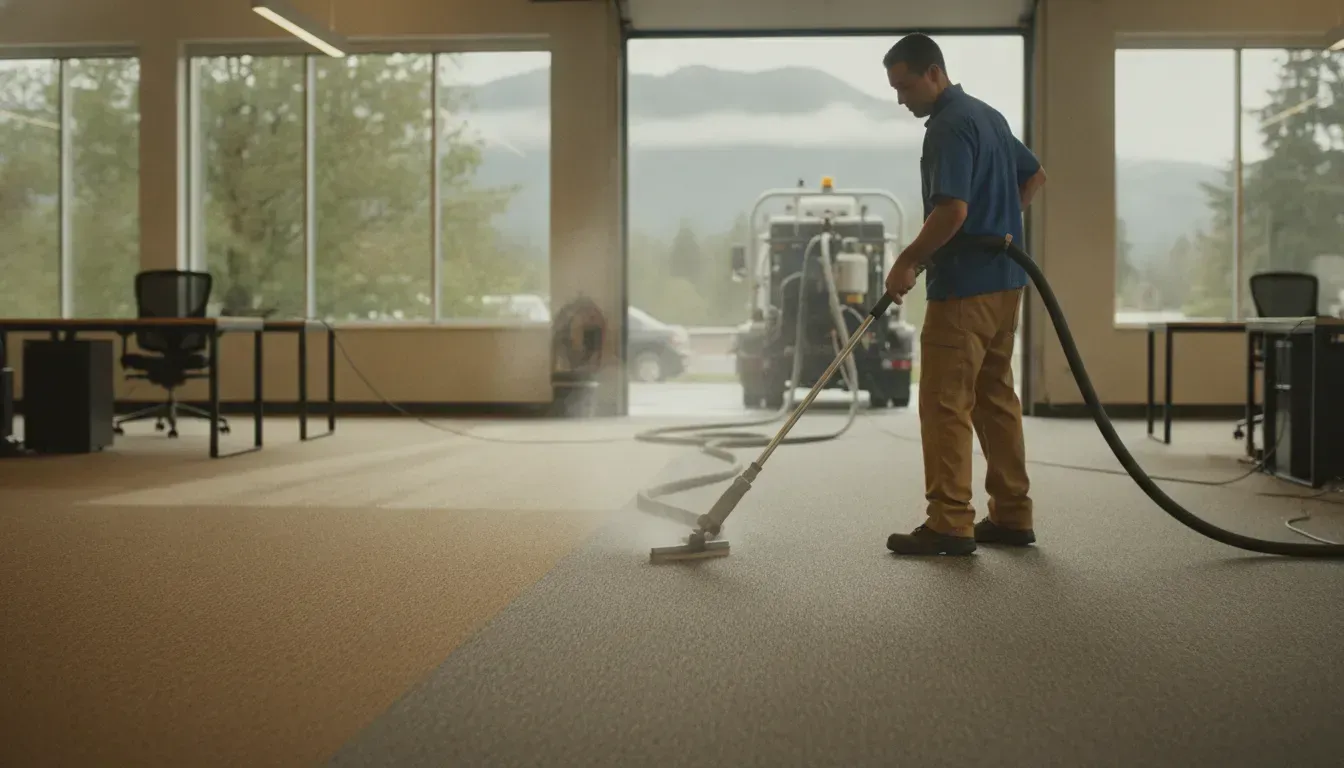
Professional carpet cleaning equipment in a bright commercial office
By Ryota Nishino • October 9, 2026
Learn the key commercial vs residential carpet cleaning differences in scope, equipment, pricing, scheduling, and carpet wear before you book service
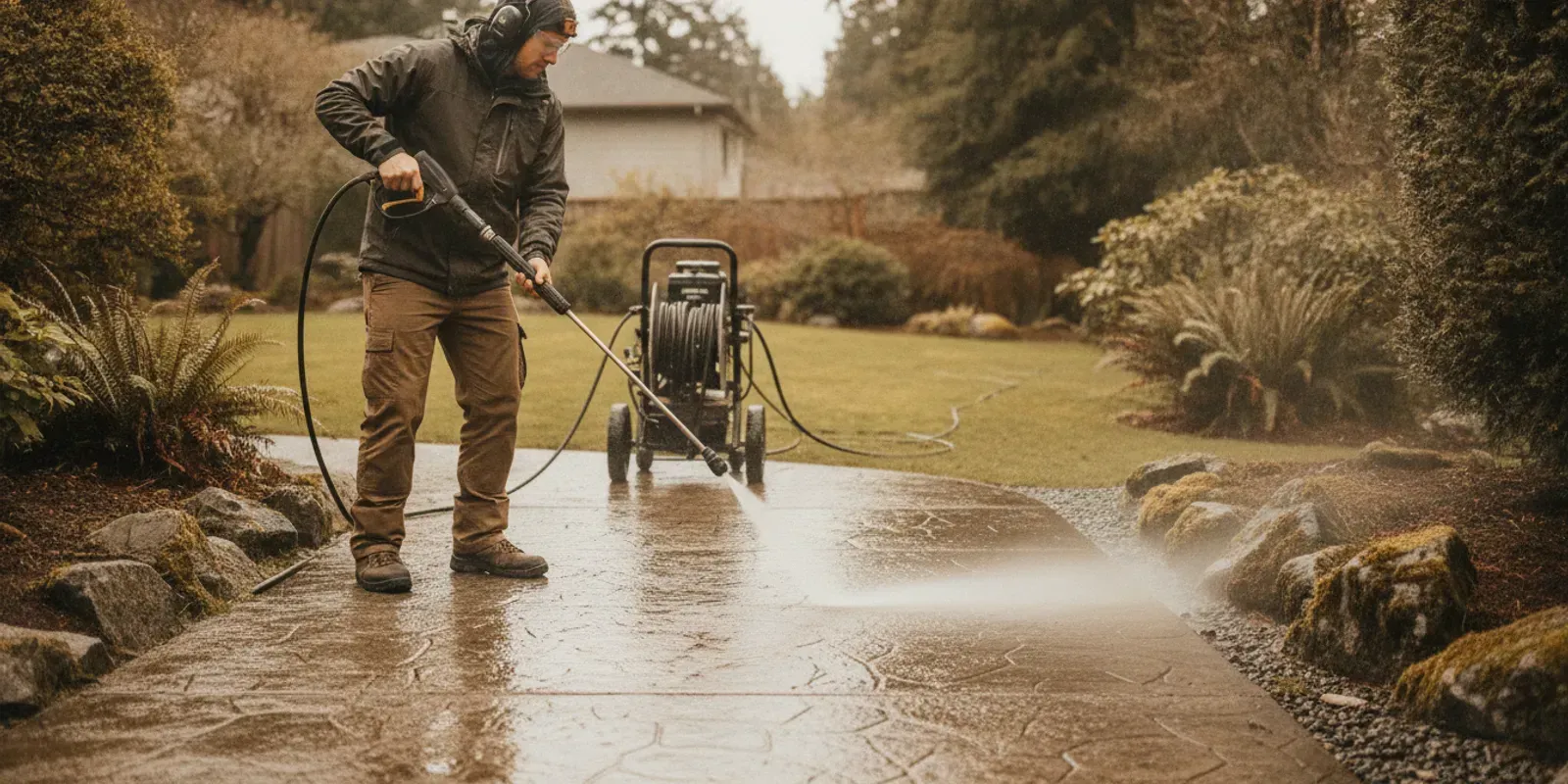
Technician using pressure washing equipment to clean an outdoor walkway
By Ryota Nishino • October 5, 2026
Learn what pressure washing does, which outdoor surfaces may benefit, when to schedule it in Washington, and what affects the price of a professional job.
Professional carpet cleaning technician using hot water extraction equipment in a bright Renton-area
By Ryota Nishino • September 15, 2026
Learn how often Renton homes should schedule professional carpet cleaning based on traffic, pets, seasons, and carpet condition.