How Much to Rent a Carpet Cleaner

November 2, 2026

How much to rent a carpet cleaner depends on the machine window, solution, tools, deposit, and fees. Read the full quote before pickup.

How much to rent a carpet cleaner is the full quote, not the number on the daily sign. The machine window is only the first line. Cleaning solution, an upholstery attachment, a refundable deposit, and a late or dirty-return fee can all sit on the same slip. A store in Maple Valley, Covington, or Renton can also post a different daily rate than the one you saw online. Ask for every line before you drive over.

Call Tubro at (253) 499-1028 to schedule a carpet cleaning visit.

This guide stays on the rental receipt. Tubro Carpet Cleaning does not rent machines. Technicians come to the home with their own equipment. A separate page already compares professional carpet cleaning with renting a machine. Use the sections below when you want to know what the counter might charge.

How Much to Rent a Carpet Cleaner for 24 or 48 Hours

The posted machine rate is the number most people remember. Rug Doctor by BISSELL lists a recommended 24-hour rental price of $39.99 and a 48-hour price of $49.99. The longer window is $10 more, and you choose it at checkout. It is not offered at every store. According to Rug Doctor's carpet cleaner rental prices, these are recommended rates and pricing may vary by retailer and location.

Call the desk and ask which clock is available on your day. A 24-hour rental usually means the machine is due back the next day at the same time you picked it up. If the living room, hall, and stairs take longer than you planned, the extra day is a new charge. It is not a free extension.

Confirm the return time on the rental slip before you leave the parking lot. Write that time in your phone. A Friday pickup with a Saturday return is a different plan from a Monday morning rental. Weekend desks are often busier, and some add a weekend premium.

The drive is part of the clock. If the rental desk is in Kent, Auburn, or Renton, the trip both ways comes out of the window you paid for. Build pickup and return into the plan before you promise yourself one day is enough.

The 24-hour rate and the 48-hour rate are the base of the quote. Everything else on this page stacks on top of them.

What Else Lands on a Carpet Cleaner Rental Quote

A portable carpet cleaner does not come ready to clean a whole house. The counter usually sells or rents the pieces separately. Read each line as its own charge. A missing line is not the same as a free line.

Cleaning solution

Solution is often sold by the bottle, not bundled into the machine rate. In Rug Doctor's first sample, a 48-ounce bottle of pet cleaning solution is $17.99. You pay for the bottle even if you only use part of it. The same price guide notes that leftover solution can be saved for a later rental. That helps the next trip, not this one. Ask what each bottle covers before you add a second jug or a pet formula.

Attachments and tools

Rug Doctor lists an upholstery tool at $5.99 for both the 24-hour and 48-hour rental. It is meant for sofas, chairs, and car interiors. The price guide says to check fabric codes and use it only on W or WS fabrics. Stairs and the edges of rooms are a different job from the sofa. If you only need the floor, you can skip this line. If a chair is part of the plan, put the $5.99 on the quote now so it does not surprise you at pickup.

Fabric care is not a do-it-yourself project to promise a result on. Many marks stay visible after one pass. If the sofa needs its own visit, Tubro's upholstery cleaning page is the separate path. Do not treat a rental attachment as a promise that a mark will disappear.

How the lines add up

  • 24-hour machine, recommended rate: $39.99.
  • 48-hour machine, recommended rate: $49.99.
  • 48-ounce pet solution in the sample: $17.99.
  • Upholstery tool: $5.99.
  • Sample 24-hour total with tool and solution: $63.97.
  • Sample 48-hour total with tool only: $55.98.

Rug Doctor adds those pieces into two sample totals. A 24-hour machine, the upholstery tool, and the pet solution come to $63.97. A 48-hour machine plus the upholstery tool, with no solution in that example, comes to $55.98. Those totals are illustrations. Your store can charge a different solution price or tool price. The samples also leave out the deposit and any fee charged after you return the unit.

Add the machine, the solution, and any tool before you compare stores. The base rate alone is not the receipt. Two counters can advertise a similar daily price and still hand you different totals once the bottles and tools are on the slip.

Machine, solution, and tools are the charges you expect to keep. The deposit and the penalty fees sit in a different column.

Deposits, Dirty Returns, and Late Fees

Three charges sit outside the cleaning itself. They are easy to miss because they are not on the per-day sign. Ask about each one even if the clerk does not mention it.

Rug Doctor says a $40 refundable machine deposit may be required. It varies by location. You get it back when the machine comes back in good condition. Bring a card that can cover the deposit on top of the rental. A $39.99 rental plus a $40 hold is $79.99 leaving your account before solution.

A $40 cleaning fee applies if the machine comes back dirty. Rug Doctor says the fee exists so the next renter gets a clean unit. Rinse the tanks and wipe the housing before you return it. Ask the clerk what dirty means at that store. A fee you can avoid is still part of the real cost if the return rules are vague.

A $40 late fee applies if the machine comes back after the rental period ends. If you are unsure you can finish and drive back in 24 hours, the $10 step up to 48 hours is the smaller charge. One late fee costs as much as the entire 24-hour machine.

  1. Ask whether a refundable deposit is held, and how much.
  2. Ask what returned dirty means so a cleaning fee is not a surprise.
  3. Write down the return clock before you leave the counter.
  4. Choose the longer window at checkout if that is the clock you need.

Deposit, dirty-return fee, and late fee are each listed at $40 on Rug Doctor's recommended schedule. Only the deposit is meant to come back. Treat the other two as real money when you decide whether the shorter window is realistic.
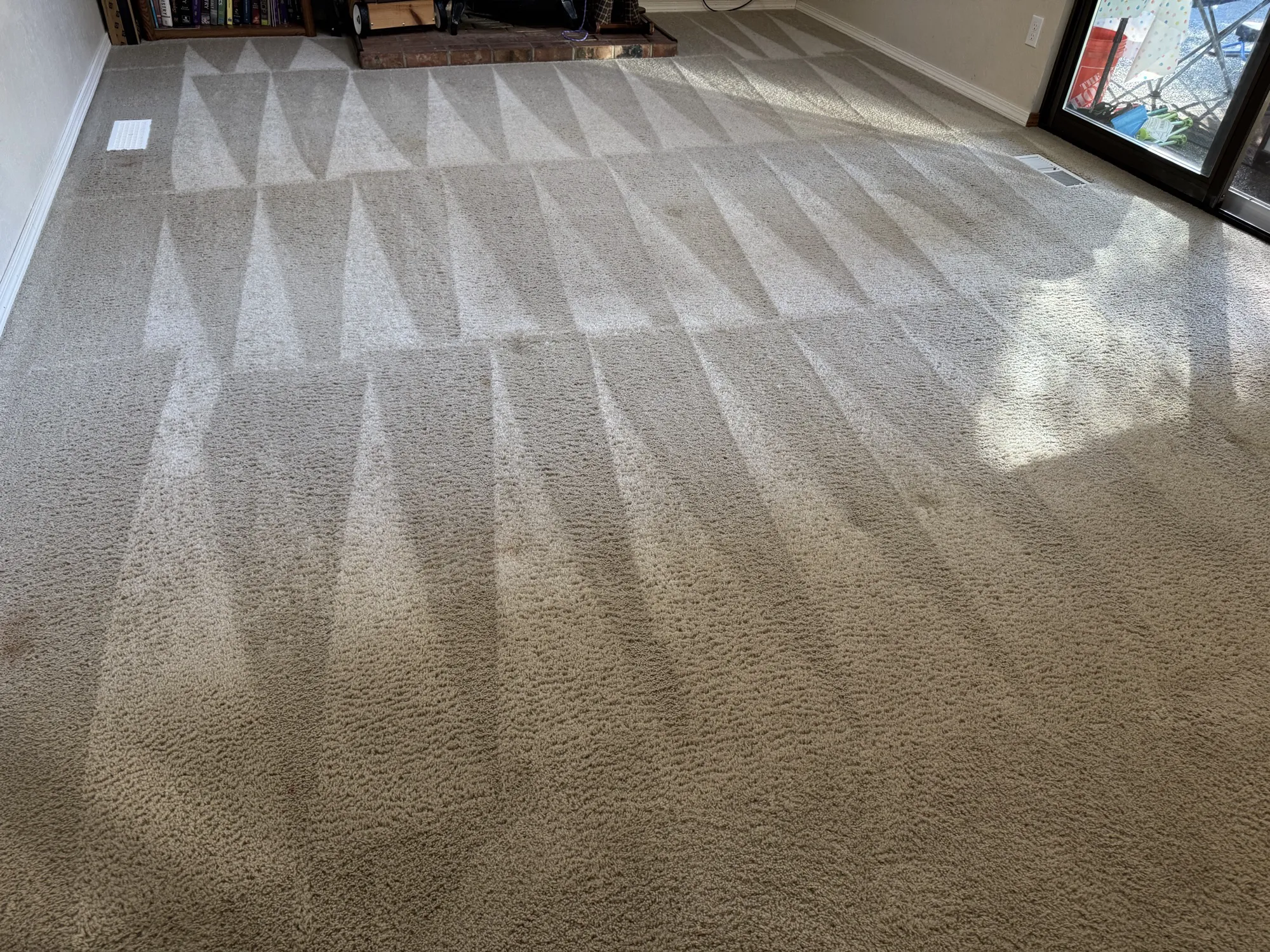
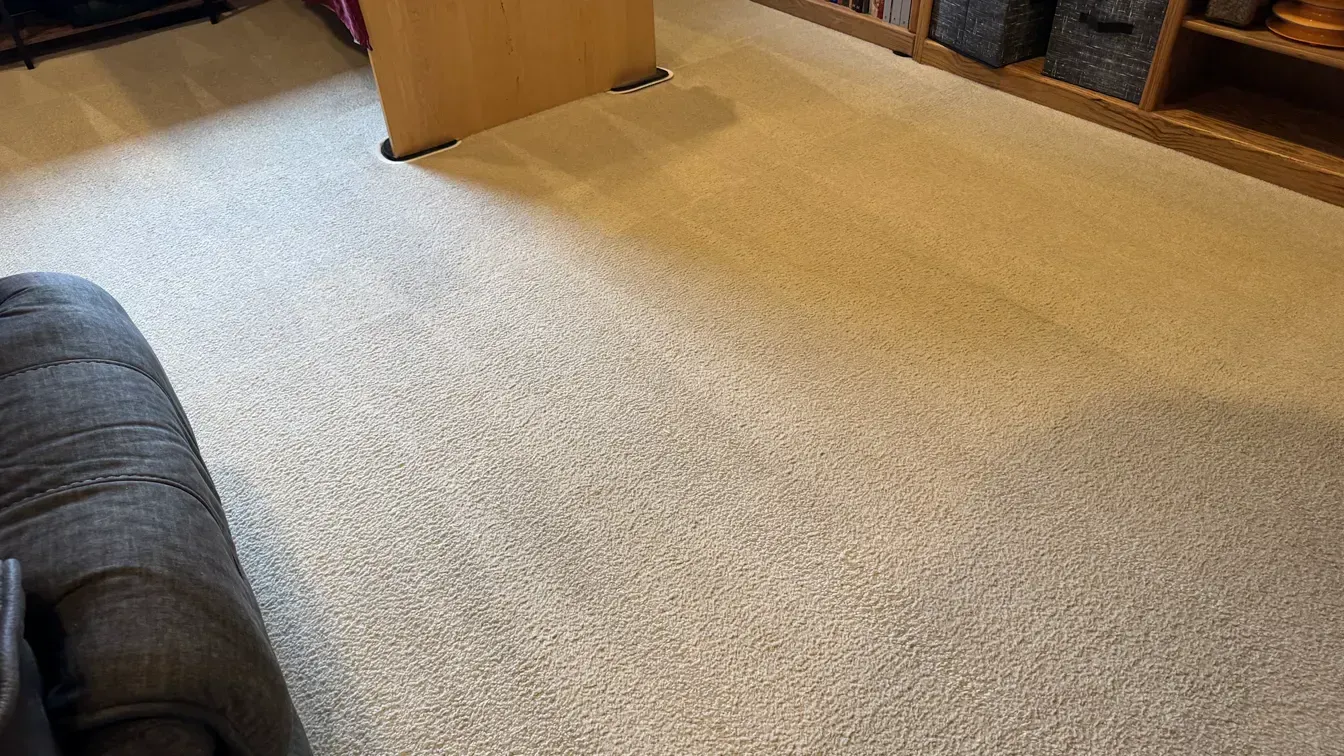
Clean living room carpet after a professional carpet cleaning visit

What Changes the Quote at the Counter

Two homes can rent the same style of machine and leave with different totals. The difference is usually the house and the store's rules, not a secret discount.

How much floor you are cleaning

A one-bedroom apartment and a two-story house do not use the same amount of solution or the same number of hours. More floor means more solution. It can also push you from a 24-hour window into a 48-hour window. Measure the rooms you actually plan to clean. Halls, stairs, and the family room add up faster than a single bedroom.

Pets, stairs, and furniture

Pet formulas often cost more than a basic solution. That is why solution belongs on its own line instead of hiding inside the machine price. Stairs are slow with a portable unit, and they eat the clock. A sofa or chair adds the tool rental if you take one. Skip the tool if fabric is not part of the job.

Store rules

Retailers set their own rates. Some require the deposit. Some do not offer 48 hours. Some charge more on weekends. Ask whether tax is added at the register. Sample totals you see online are often pre-tax. Your register slip is the one that counts in Washington.

Ask the clerk four questions before you pay:

  • What is the machine rate for the window you need?
  • What does the solution cost, and is any bottle included?
  • Is a tool extra, and can you skip it?
  • Does a deposit, a late fee, or a dirty-return fee apply?

Write the answers down. That list is your quote. Home size, pets, stairs, and the store's own rules move the total more than the headline daily rate does.
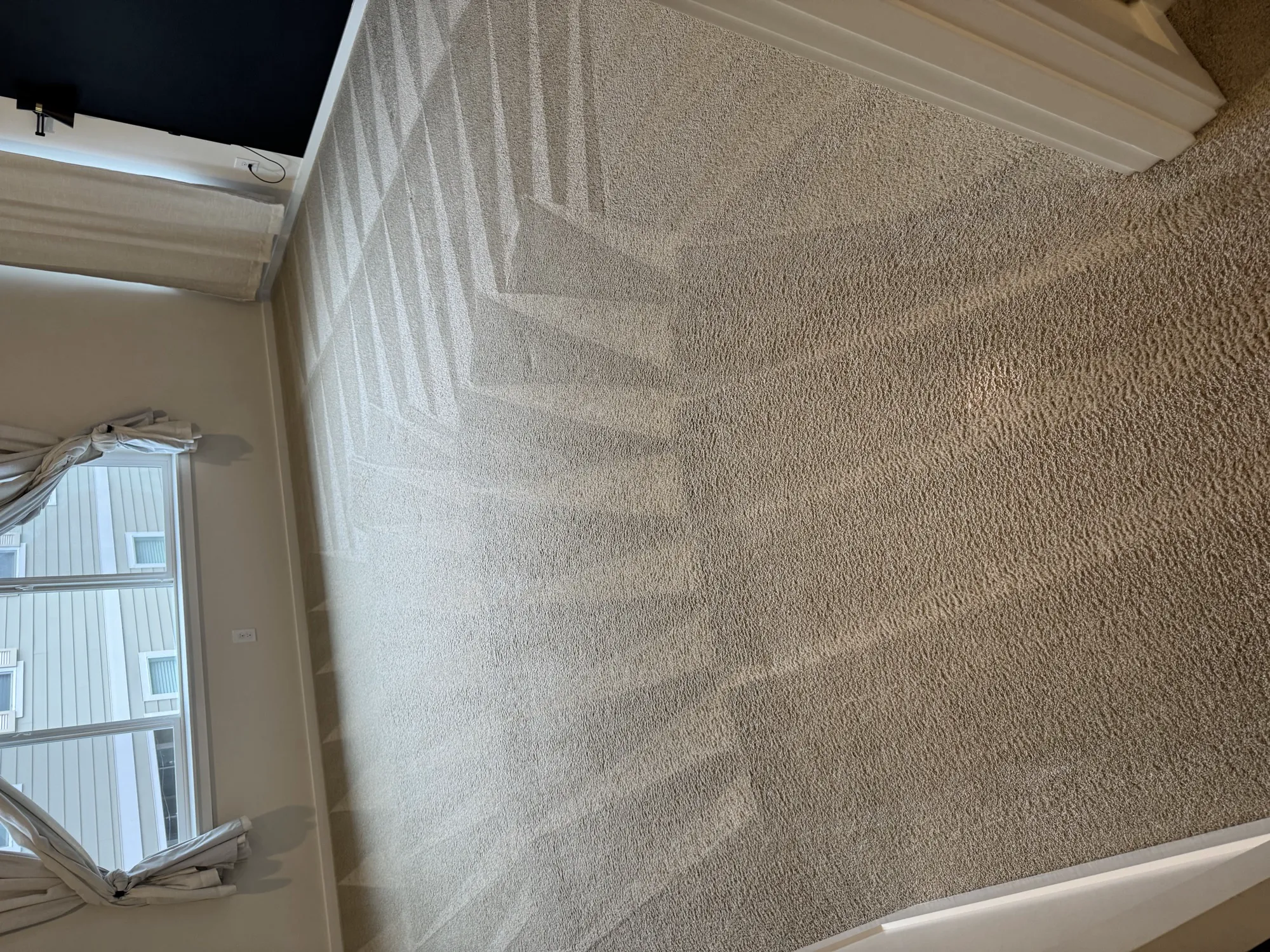
Bedroom carpet with fresh cleaning lines after a residential cleaning

How to Read the Rental Quote

Put the lines in the same order every time so two stores are easy to compare. Start with the machine. Add solution. Add tools. Note the deposit separately, because it should return. Then note the fees you will owe only if something goes wrong.

A quote that only says a daily price is incomplete. You cannot compare it with another store. You also cannot tell whether solution is included. Ask the clerk to point at each line. If the store will not separate the deposit from the rental, assume you need the extra credit available until the machine is back.

Keep a simple tally on your phone:

  • Machine rate, confirmed by that store for your pickup day.
  • Each solution bottle, with size and formula.
  • Each tool you accept at the counter.
  • Deposit amount, marked as refundable.
  • Late fee and dirty-return fee, marked as penalties.
  • Tax, if the clerk can quote it.

Once the lines are clear, you can decide whether the rental is the errand you want to run. If you would rather have a crew bring the equipment, start with Tubro's residential carpet cleaning page. For the cost of hiring a crew, see how much professional carpet cleaning costs. Those pages cover a scheduled visit. They are not rental prices.

A complete quote lists the machine, the solution, the tools, the deposit, and the fees. Anything missing is a question, not a savings.

Plan the Pickup Before You Leave Home

The rate you were quoted is useless if the store is out of machines. Call before you drive. Ask whether a unit is actually on the floor for the day you want, and ask what time it must come back.

Load the car for the return, not just the pickup. You will be hauling a wet tank, a hose, and a power cord. Put down a towel so the cargo area stays dry. Check that you have an outlet you can reach in the first room. A typical rental cord does not cross a large house on one plug. Moving it is part of the time you are paying for.

Clear a path before the machine is in the driveway. Move small items off the floor. Pick a room to finish first so you are not guessing while the clock runs. Plan a whole-room pass. Do not treat spots as a project you can promise to erase. Many spots stay visible after a rental pass.

Bring the payment method that can cover the deposit hold. If the store wants cash for the deposit, know that before you are at the counter with only a card. Confirm whether the solution is sold in one size or several. Running out mid-room means a second trip, and the rental clock does not pause for that drive.

Write the return time on your phone the moment the clerk says it. Set an alarm for an hour earlier. That hour covers rinsing the tank, loading the car, and the drive back. Renters miss the window because the last room took longer, not because they ignored the sign.

The guide to preparing for professional carpet cleaning covers what to do before a technician visit. For timing after a clean, read the drying-time guide. Renters comparing a move-out clean can also read the move-in and move-out carpet cleaning guide. Tubro's headquarters is in Ravensdale, and crews clean homes across South King County and Pierce County, including Maple Valley.

A pickup plan is part of the price. An unused machine sitting in your driveway still costs the daily rate, the solution you already bought, and the risk of a late fee.

Call (253) 499-1028 when you want Tubro to schedule the visit instead.

Frequently Asked Questions

How much does it cost to rent a carpet cleaner for one day?

Rug Doctor's recommended 24-hour rate is $39.99. The local store can charge a different amount. Solution, tools, tax, and any deposit are extra. Ask the desk to confirm the rate for your pickup day.

Does the rental price include cleaning solution?

Not in Rug Doctor's sample. A 48-ounce pet formula is listed at $17.99 on top of the machine. Ask the counter whether any bottle is bundled before you pay.

Is there a deposit to rent a carpet cleaner?

Rug Doctor says a $40 refundable deposit may be required. It depends on the store. You should get it back when the machine is returned in good condition.

What if I return the carpet cleaner late or dirty?

Rug Doctor lists a $40 late fee and a $40 cleaning fee if the machine comes back dirty. If you need more time, choose the 48-hour rate at checkout instead of risking the late fee. Rinse the tanks before you bring the unit back.

How much to rent a carpet cleaner if I only need one room?

You still pay the machine window the store offers, even for a small area. You may use less solution, and you may skip an upholstery tool. The deposit and the return clock still apply. A short job does not shrink the rental period.

Get a Clear Carpet Cleaning Plan

Knowing how much to rent a carpet cleaner lets you compare the counter with a scheduled visit. Tubro Carpet Cleaning is headquartered in Ravensdale and cleans homes across South King County and Pierce County, including Maple Valley. Rental rates on this page are store charges, not Tubro prices. If you want a crew to bring the equipment, call and ask about a time that fits the house.
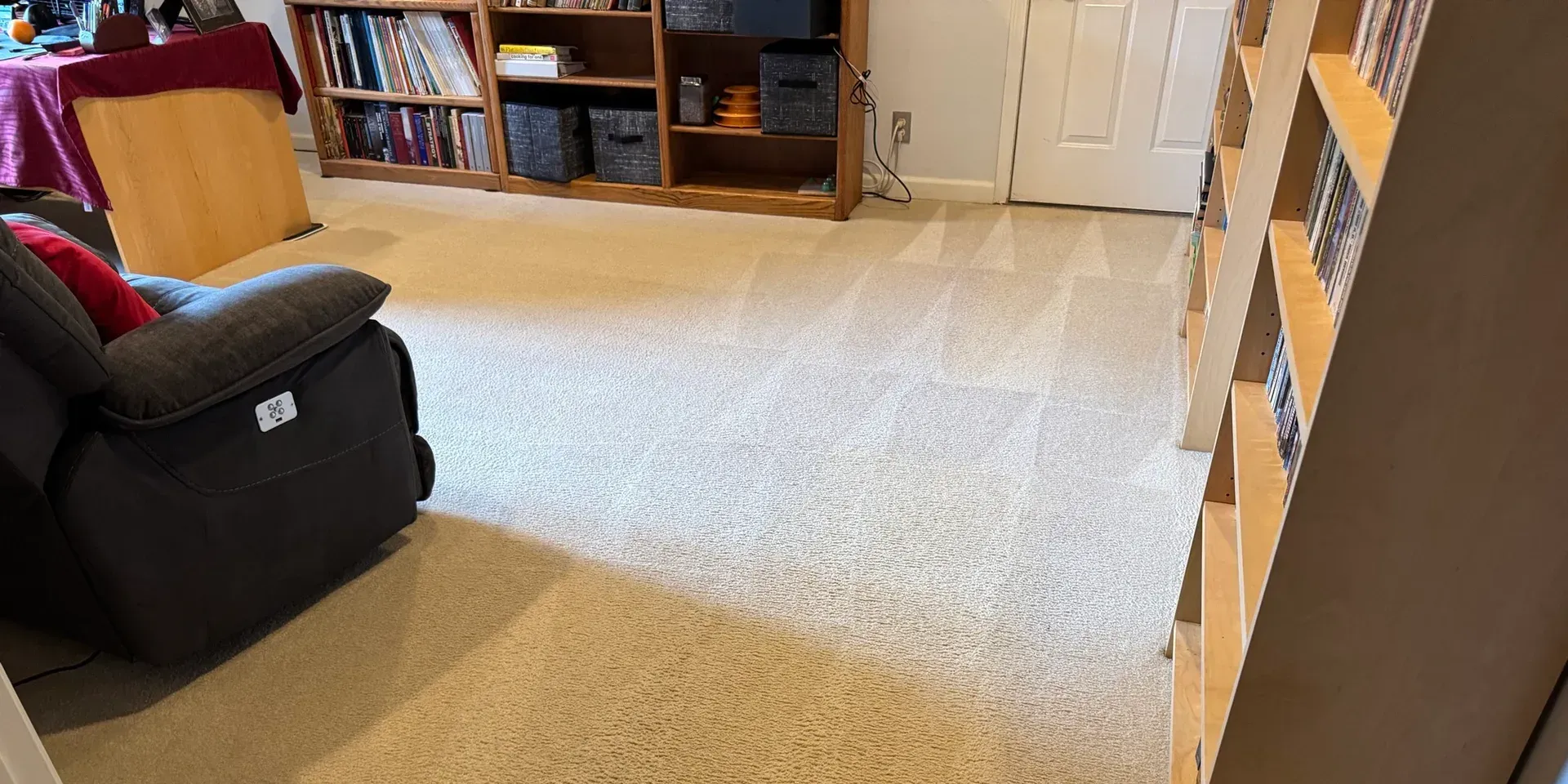
Call Tubro Carpet Cleaning at (253) 499-1028.

Technician assessing a tiled floor before professional cleaning
By Ryota Nishino • November 2, 2026
Learn what shapes tile and grout cleaning estimates, how to compare service scopes, and what to ask before booking a professional assessment.
Composite deck boards beside a home, viewed in soft daylight
By Ryota Nishino • October 20, 2026
Can you pressure wash Trex decking? Learn how product guidance and deck condition shape the decision, what to ask a provider, and when to pause.
Tubro technician assessing exterior windows at a South King County home
By Ryota Nishino • October 19, 2026
Can windows be pressure washed safely? Learn what affects the risk, which surfaces need special care, and when to ask a professional for assessment.
Professional upholstery cleaning technician using an extraction tool on a fabric sofa
By Ryota Nishino • October 17, 2026
Learn how Washington homeowners can choose upholstery cleaning methods, understand fabric needs, and plan service with Tubro Carpet Cleaning.
Professional upholstery cleaning technician using an extraction tool on a fabric sofa
By Ryota Nishino • October 17, 2026
Learn how Washington homeowners can choose upholstery cleaning methods, understand fabric needs, and plan service with Tubro Carpet Cleaning.
Professional carpet cleaning team inspecting clean commercial carpet
By Ryota Nishino • October 17, 2026
Learn how to choose commercial carpet cleaning company services by comparing credentials, equipment, contracts, scheduling, drying, and pricing.
Professional carpet cleaning team inspecting clean commercial carpet
By Ryota Nishino • October 17, 2026
Learn how to choose commercial carpet cleaning company services by comparing credentials, equipment, contracts, scheduling, drying, and pricing.
Pet-safe carpet cleaning for Covington families in a bright home
By Ryota Nishino • October 16, 2026
Learn how pet-safe carpet cleaning helps Covington families manage pet dander, indoor dirt, odor concerns, and drying time with Tubro's process.
Professional carpet cleaning technician inspecting carpet in a bright home
By Ryota Nishino • October 16, 2026
Learn what IICRC certification means for carpet cleaning, which credentials fit homes and businesses, and what to ask a local provider.
Professional carpet cleaning in a bright Pacific Northwest home
By Ryota Nishino • October 13, 2026
. How long carpets usually take to dry after professional cleaning depends on the carpet, room, and cleaning conditions. Tubro Carpet Cleaning states that its quick-dry process can support a 6 to 12 hour drying time. Actual results vary with carpet construction, moisture, airflow, humidity, and the work performed. Call Tubro at (253) 499-1028 to plan professional carpet cleaning and ask about drying time. This guide explains what changes drying time and how to plan your rooms afterward. It applies to homeowners, landlords, property managers, and businesses across South King County and Pierce County. How Long Carpets Usually Take to Dry After Professional Cleaning After professional hot water extraction, many carpets dry within several hours. Tubro identifies a 6 to 12 hour drying range for its quick-dry process. That range gives homeowners a useful starting point when planning cleaning around work, children, pets, or guests. The common professional cleaning range Drying begins when the technician finishes extracting moisture from the carpet. Carpet may feel cool or slightly damp before it becomes fully dry. Touch alone cannot always show whether moisture remains deeper in the pile or backing. A small room with good airflow may dry sooner than a large room with dense carpet. A heavily soiled area may also need more cleaning work. That can change the amount of moisture left behind. Why the estimate is not a promise A drying estimate describes expected conditions rather than a fixed deadline. Indoor humidity, ventilation, carpet fiber, padding, soil level, and equipment setup all affect the outcome. Ask the technician what to expect for your rooms. This matters when you need to replace furniture, welcome guests, reopen an office, or return a rental to service. Summary: Tubro's stated 6 to 12 hour range is a practical planning estimate. Your carpet may dry sooner or take longer based on the room and cleaning conditions. When you are ready to discuss a service visit, use the Tubro contact page to share your location and timing needs. What Happens During Professional Carpet Cleaning? Professional carpet cleaning uses a planned process that balances soil removal, fiber care, and moisture recovery. Tubro describes hot water extraction, also called steam cleaning, as its primary carpet-cleaning method. Hot water extraction and moisture recovery Hot water extraction applies cleaning solution and water, then removes the mixture with powerful vacuum equipment. The extraction stage is important because it removes suspended soil and much of the moisture used during cleaning. Truck-mounted equipment can support strong extraction at the property. The result still depends on carpet construction, access, technician setup, and the amount of cleaning required. The final inspection and drying plan A responsible visit includes a review of the cleaned areas and the expected next steps. Ask which rooms were cleaned and when they can return to normal use. An IICRC-certified textile cleaning professional can also explain care considerations for the carpet type. Manufacturer guidance should remain part of the planning process, especially for newer carpet or warranty-covered flooring. Review Tubro residential carpet cleaning to learn more about the company's local service approach. Summary: Extraction quality affects drying because the process removes moisture from the carpet. Equipment, carpet condition, and a clear final inspection all help set realistic expectations. Which Factors Affect Carpet Drying Time? Several conditions can make carpet dry faster or slower. Understanding them helps you plan service without relying on a single universal number. Carpet fiber and pile thickness Dense or thick carpet can hold more moisture than a low-profile carpet. Padding and backing can also retain moisture below the visible surface. Fiber type and construction should guide the technician's method and the expected timeline. Humidity and indoor temperature Moist air slows evaporation because it has less capacity to accept additional moisture. Cooler rooms can also dry more slowly. Pacific Northwest homes may experience different conditions during damp winter weather and warmer summer days. Airflow and ventilation Moving air helps moisture leave the carpet surface. Closed rooms with limited ventilation often take longer than rooms with useful air circulation. The best approach depends on outdoor conditions, indoor comfort, and the technician's guidance. Cleaning scope and carpet condition A larger job can take longer to dry than one small room. Heavy soil, dense traffic lanes, and carpet that needs additional attention can change the amount of work and moisture involved. Summary: Carpet type, humidity, temperature, airflow, and cleaning scope all influence drying. Ask for room-specific guidance instead of treating one estimate as universal. How Should You Plan Room Use After Cleaning? Planning room use is part of a successful cleaning appointment. Keep people and pets away from treated areas until the carpet is ready for normal traffic. Identify the rooms that must return to use first. Tell the technician about children, pets, furniture, and access limits. Plan an alternate path until each cleaned area is ready for normal traffic. This simple order helps households, landlords, and businesses avoid unnecessary traffic while the carpet dries. It also creates a clearer conversation about the rooms that need special attention. Before the appointment Tell the cleaner which rooms matter most and when each room must be usable. Move small items from the carpeted areas, unless the technician has approved another arrangement. Share entry, parking, gate, stair, and access details before the visit. Keep children and pets away from active work areas. Have carpet manufacturer information available when you know the fiber or warranty requirements. After the appointment Follow the technician's instructions about walking, furniture, children, and pets. If you must cross a damp area, ask what is appropriate for that carpet and situation. Plan a clear path through the home and keep heavy traffic away from freshly cleaned carpet. This reduces tracking and gives the carpet time to finish drying evenly. When a business needs a quick return to use Property managers and business owners should identify priority rooms before service begins. Offices, retail areas, rental units, and shared spaces may need different schedules. Share operating hours and access limits with the provider. Tubro's commercial carpet cleaning service information can help business owners prepare a more focused request. For a property with several rooms, the priority list can also guide the cleaning sequence. Share deadlines before the appointment, then confirm which spaces should remain closed. This planning does not change physical drying time, but it can make the return to normal use more orderly. Summary: A good drying plan starts before the technician arrives. Prioritize rooms, limit traffic, and follow the technician's guidance until the carpet is ready. How Can You Support Faster, More Even Drying? Homeowners can support drying by creating suitable airflow and reducing unnecessary traffic. These steps do not replace professional extraction or the technician's instructions. Use practical airflow Ask whether fans, ventilation, or air conditioning are appropriate for the conditions. Air movement can help, but opening windows is not always useful during damp outdoor weather. Keep doors and pathways arranged so air can move without creating a safety problem. Do not place objects directly on damp carpet unless the technician says it is safe. Reduce moisture added after service Avoid washing floors nearby or bringing wet items across freshly cleaned carpet. Keep outdoor moisture and household traffic away while the carpet is drying. Watch the whole room, not one small spot Carpet may feel different near walls, under furniture, or in thicker traffic lanes. Check the rooms as a whole and follow the agreed care plan. If carpet remains unusually damp beyond the expected window, contact the cleaning company for guidance. Do not assume that a longer drying period means the service failed. Room conditions and carpet construction may explain the difference. Summary: Appropriate airflow, limited traffic, and careful room use can support more even drying. Contact the provider when the carpet stays damp longer than expected. How Does Pacific Northwest Weather Affect Drying? Weather can influence indoor humidity and ventilation in South King County and Pierce County. Seasonal conditions do not create one fixed drying schedule, but they can change how quickly moisture leaves carpet. Damp conditions High outdoor humidity can make natural ventilation less helpful. During damp weather, ask about indoor airflow and the best way to support drying without making the room uncomfortable. Warmer, drier conditions Warm conditions may support faster evaporation when indoor humidity is controlled. Even then, thick carpet, padding, and limited airflow can extend the timeline. Local service planning Tell the technician about rooms with limited windows, basement locations, or unusual ventilation. These details help the team provide more useful guidance for the property. For broader indoor carpet-care context, the EPA carpet-care guidance recommends considering manufacturer instructions and household conditions. Summary: Seasonal humidity and room ventilation can change drying time. Local conditions are useful context, but carpet construction and indoor airflow still matter most for the individual room. When Should You Call a Professional Carpet Cleaner? Professional service is useful when carpet needs a deeper clean than routine vacuuming can provide. It can also help when a home, rental, office, or retail space needs a planned maintenance visit. Choose a clear service plan Ask about the cleaning method, rooms included, expected drying range, and post-service care. A clear plan helps you schedule around daily life without relying on unsupported promises. Tubro serves local communities across South King County and Pierce County. You can review Maple Valley carpet cleaning service for local context, or visit the Tubro About Us page to learn about the company. Ask the right drying questions Before booking, ask what drying range is realistic for your carpet and rooms. Mention the carpet type, room size, ventilation, furniture, children, pets, and the time you need the space ready. That conversation gives you a better plan than a generic promise. It also helps the technician identify conditions that may change the expected timeline. Summary: A reliable professional explains the method, scope, drying range, and care plan. Clear questions help you choose a service time that fits your property. Call Tubro at (253) 499-1028 to ask about carpet cleaning and a realistic drying timeframe. Frequently Asked Questions How long do carpets usually take to dry after professional cleaning? Many carpets dry within several hours after professional hot water extraction. Tubro states that its quick-dry process can support a 6 to 12 hour drying time, but results vary by carpet and room conditions. Can carpet dry in one day after professional cleaning? Yes, many professional cleaning jobs can dry within the same day. Humidity, carpet thickness, padding, airflow, and cleaning scope can extend the timeline. What makes carpet take longer to dry? Dense carpet, thick padding, high humidity, cool rooms, limited ventilation, and a larger cleaning scope can all extend drying time. Can I walk on carpet while it is still damp? Follow the technician's instructions. Keep traffic limited while carpet dries, and keep children and pets away from treated areas until the carpet is ready for normal use. What should I ask before booking carpet cleaning? Ask about the cleaning method, expected drying range, rooms included, access requirements, furniture, and post-service room-use guidance. Share any carpet manufacturer instructions you have. Plan Your Carpet Cleaning With Tubro Drying time matters when you are planning around family routines, tenants, guests, or business operations. Tubro Carpet Cleaning can discuss your carpeted areas, local service needs, cleaning method, and realistic drying expectations before the appointment. Call Tubro Carpet Cleaning at (253) 499-1028 to plan professional carpet cleaning in South King County or Pierce County.