
Does Professional Cleaning Extend Commercial Carpet Life?
September 11, 2026
Learn how professional carpet cleaning protects commercial fibers, reduces replacement risk, and supports a practical maintenance plan for your facility.
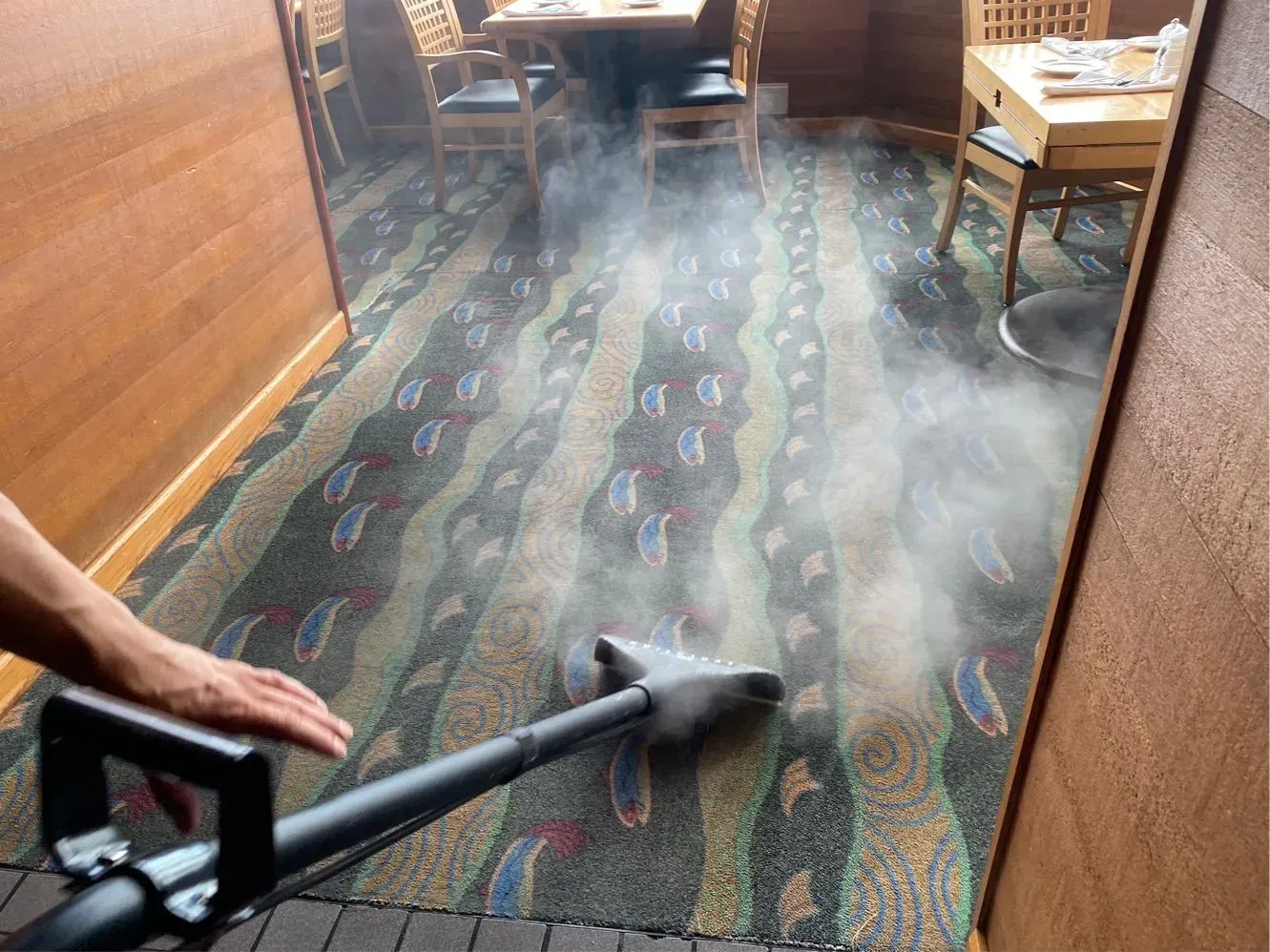
Does professional carpet cleaning extend carpet life for a commercial facility? Yes, planned cleaning helps control abrasive soil before it wears down carpet fibers. The strongest results come from a complete maintenance program, not a single rescue visit. That program combines daily care, traffic-based scheduling, and periodic professional deep cleaning. Tubro Carpet Cleaning helps offices, retail spaces, rental properties, and other facilities protect their flooring investment across South King County and Pierce County. Learn more about commercial carpet cleaning for South King County offices, rentals, and retail.
Schedule a commercial carpet assessment with Tubro Carpet Cleaning at (253) 499-1028.
How Soil and Grit Damage Commercial Carpet Fibers
Dry soil acts like fine sandpaper when it remains in a busy carpet. Consistent removal reduces abrasion, slows visible traffic patterns, and helps the carpet retain its intended appearance.
Commercial carpet catches soil brought inside by shoes, carts, deliveries, and outdoor activity. Entryways and corridors usually receive the heaviest burden. Food areas, elevators, reception spaces, and restroom approaches also collect soil quickly.
Loose grit does more than make carpet look dull. Foot traffic presses those particles against the fibers and pushes them deeper into the pile. Repeated friction can create traffic lanes, flatten texture, and change how light reflects from the surface.
Once soil spreads beyond high-traffic zones, routine care becomes less efficient. The janitorial team may vacuum the entire floor, yet heavily loaded areas still need a more focused plan. Early maintenance is usually less disruptive than waiting for widespread wear.
- Entrances: Outdoor soil enters here first, so matting and frequent vacuuming matter.
- Corridors: Repeated foot traffic distributes dry soil across a larger area.
- Reception areas: Appearance and cleanliness influence a visitor's first impression.
- Food service zones: Crumbs and tracked residue can increase the soil load.
- Elevator lobbies: Frequent turning and concentrated traffic accelerate visible wear.
A useful maintenance review starts with traffic mapping. Facility managers can identify where soil enters, where people pivot, and where the carpet shows the earliest change. That information supports a schedule based on actual use rather than a generic calendar.
 What Professional Deep Cleaning Removes That Daily Vacuuming Cannot
Vacuuming removes loose surface soil, while professional deep cleaning addresses material held within the carpet system. The correct method depends on fiber, construction, backing, traffic, and manufacturer guidance.
Daily vacuuming is essential, but it has a defined job. It removes loose dry soil before foot traffic can grind it into the carpet. It cannot fully recover material that has migrated into the pile or settled below the surface.
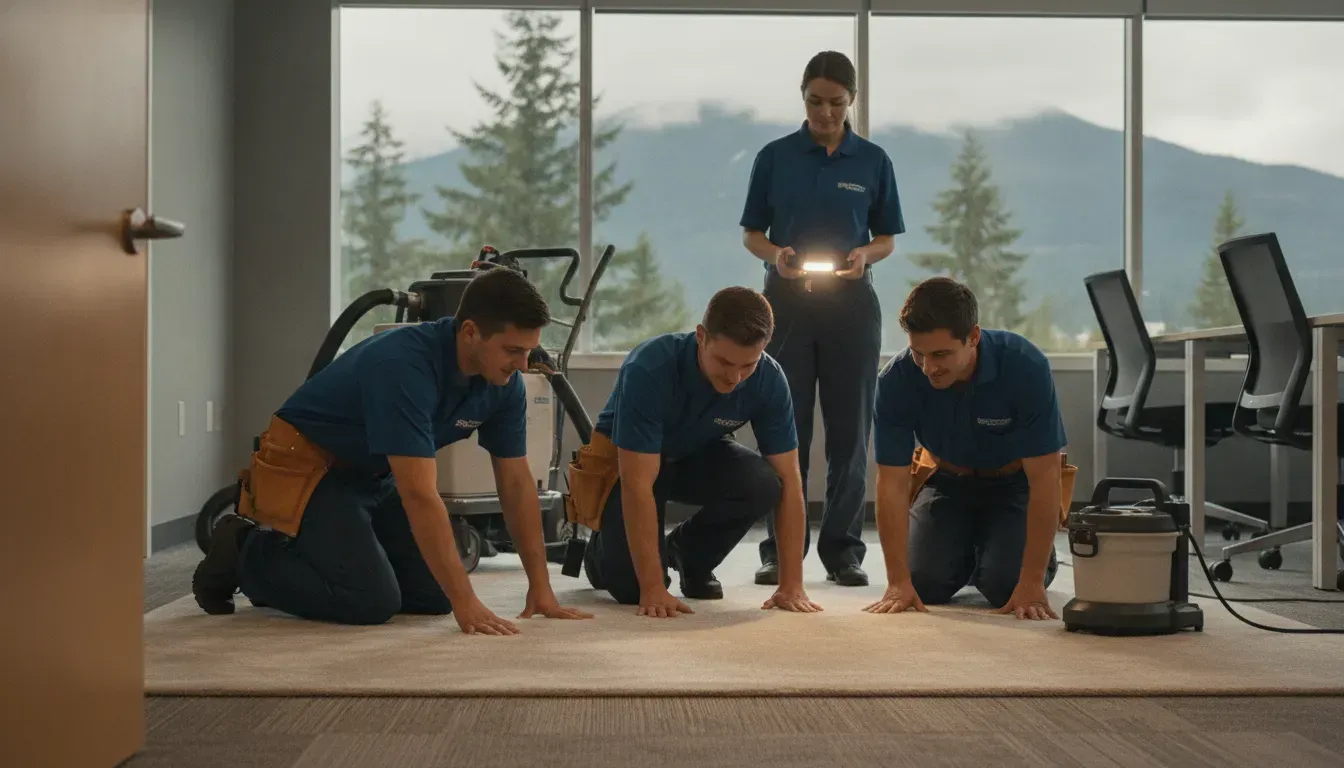
Professional hot water extraction uses controlled cleaning solution, agitation, and powerful vacuum recovery. The process loosens embedded soil and removes it with recovered moisture. A trained technician adjusts the approach to the carpet's construction and condition.
An IICRC-certified textile cleaning professional evaluates more than visible discoloration. The evaluation considers fiber type, pile construction, backing, traffic, moisture sensitivity, and the facility's operating needs. This helps protect carpet from over-wetting, excessive agitation, or an unsuitable cleaning method.
Professional service also supports better soil control after cleaning. Technicians can identify overloaded zones, discuss entry matting, and recommend a routine that fits the building. Tubro's commercial carpet cleaning cost guide explains what can affect a service plan without treating price as the only decision.
Deep cleaning does not make worn or damaged carpet new forever. It can improve the condition that maintenance teams must manage. It also gives a facility manager a clearer basis for deciding whether continued care or replacement is appropriate.
How Maintenance Cleaning Schedules Reduce Replacement Risk
A maintenance schedule works by removing soil at several stages before it becomes a fiber-wear problem. The frequency should rise with traffic, soil exposure, and the facility's appearance requirements.
The Carpet and Rug Institute's CRI 204 Commercial Carpet Standard describes maintenance as an ongoing process. Its framework separates routine cleaning, interim maintenance, and deep cleaning. Each level serves a different purpose.
- Routine cleaning: Vacuuming and daily care limit loose soil and slow its movement through the building.
- Interim maintenance: Targeted service addresses developing soil loads before the carpet needs restorative attention.
- Deep cleaning: Periodic professional extraction removes embedded material that routine care cannot reach.
These levels should work together. Professional cleaning cannot compensate for neglected daily vacuuming. Daily vacuuming also cannot replace periodic deep cleaning in a high-use commercial environment.
Entry matting belongs in the same conversation. Effective mats capture soil before it reaches the carpet. They also need routine cleaning or replacement when they become overloaded. A dirty mat can transfer soil instead of containing it.
Facility managers should review the program when occupancy, tenant mix, weather, or building use changes. A schedule that worked for a quiet office may not suit a busy retail space. A rental property may need a separate plan for turnover periods and shared corridors.
 How to Calculate the Value of Carpet Maintenance
The value of professional cleaning is broader than the service invoice. Compare planned maintenance with replacement cost, disruption, lost productivity, and the risk of delaying a flooring decision.
There is no universal return-on-investment number for commercial carpet cleaning. Building use, carpet quality, traffic, labor, installation, and replacement timing vary too widely. A useful calculation starts with the facility's own records.
Use this framework to compare maintenance with early replacement:
- Record the current condition: Note traffic lanes, compacted areas, visible soil, and carpet sections needing professional evaluation.
- Estimate annual maintenance cost: Include routine labor, interim service, professional deep cleaning, mat care, and any approved protective measures.
- Estimate the full replacement cost: Include new carpet, removal, disposal, subfloor preparation, installation, furniture movement, and project management.
- Add operational disruption: Consider closed areas, tenant coordination, employee relocation, schedule delays, and reduced productivity.
- Compare timing: Evaluate whether maintenance can responsibly extend useful service life without ignoring structural damage or manufacturer requirements.
The annualized replacement cost can be estimated by dividing the full replacement cost by the expected service years. The result is not a promise of savings. It is a planning measure that helps compare two different budget paths.
Maintenance may be a poor investment when the carpet has reached the end of its useful life, has backing failure, or cannot meet the facility's needs. Professional assessment should identify those limits. Cleaning should support an informed replacement decision, not postpone a necessary one.
For property managers, records create additional value. Keep service dates, areas cleaned, traffic observations, and post-service notes together. This history helps explain budget requests and supports more consistent care across multiple properties.
Recommended Commercial Carpet Maintenance Plan by Traffic Level
Traffic level is the best starting point for a practical maintenance plan. High-use areas need more frequent attention, while lower-use areas can follow a lighter schedule with periodic review.
Low-traffic offices and private work areas
Vacuum routinely and inspect entrances, hallways, and shared rooms during regular facility reviews. Schedule professional deep cleaning when soil accumulates or when the manufacturer recommends it. Keep records so the schedule responds to actual conditions.
Moderate-traffic offices, rentals, and shared facilities
Increase attention around entrances, reception areas, elevators, and shared corridors. Combine frequent vacuuming with interim maintenance and planned professional extraction. Review the plan after seasonal weather changes or occupancy increases.
High-traffic retail, lobbies, and public facilities
Use a daily soil-control routine, effective matting, and frequent inspection of pivot points. Schedule interim work before the carpet looks heavily soiled. Plan professional deep cleaning around traffic patterns and operating hours.
What every facility should confirm before service
- Carpet fiber, construction, backing, and manufacturer cleaning requirements.
- Areas with the highest traffic, soil exposure, and appearance expectations.
- Access limits, business hours, furniture needs, and drying requirements.
- Past cleaning records, recurring concerns, and sections nearing replacement.
- A communication plan for staff, tenants, customers, or residents.
A tailored schedule protects the building's appearance without applying the same frequency everywhere. It also gives the cleaning provider enough information to recommend an appropriate method and service window.
Frequently Asked Questions
Does professional carpet cleaning really extend commercial carpet life?
Professional carpet cleaning can help extend useful carpet life by controlling embedded soil and reducing the abrasive load on fibers. Results depend on carpet construction, traffic, daily care, entry matting, and the timing of service. A planned program is more reliable than waiting until the carpet looks heavily soiled. A professional assessment can also identify when cleaning is no longer the right investment.
How often should commercial carpet be professionally cleaned?
There is no single schedule for every facility. High-traffic entrances, lobbies, corridors, retail spaces, and shared buildings usually need more frequent attention than private offices. The right plan combines routine vacuuming, interim maintenance, and periodic deep cleaning. Review the schedule when occupancy, weather, tenant use, or the facility's appearance requirements change.
Can professional cleaning prevent carpet replacement?
Professional cleaning cannot prevent every replacement. It can help control soil-related wear and provide better information about the carpet's condition. Replacement may still be appropriate when the backing fails, the carpet has reached the end of its useful life, or the facility's needs have changed. Cleaning supports the decision, but it should not conceal structural or installation problems.
What should a commercial carpet maintenance plan include?
A complete plan should include soil-control mats, routine vacuuming, traffic-based inspection, interim maintenance, professional deep cleaning, manufacturer guidance, and service records. It should also account for access, drying, furniture, tenants, employees, and operating hours. The plan should identify high-use areas and define who reviews the schedule when building conditions change.
Ready to Protect Your Commercial Carpet?
Commercial carpet lasts longer when soil control is planned before wear becomes widespread. Tubro Carpet Cleaning serves offices, retail spaces, rentals, and other facilities throughout South King County and Pierce County.
Our local team uses professional equipment and a condition-based approach. Read more about Tubro's local experience and service standards, then contact the team to discuss your facility.