IICRC-Certified Carpet Cleaning: What It Means
October 16, 2026
Learn what IICRC certification means for carpet cleaning, which credentials fit homes and businesses, and what to ask a local provider.
When you hire a carpet cleaner, a credential can tell you more than a polished website or a low estimate. It can show that the professional has studied carpet materials, cleaning science, equipment, and service procedures.
Schedule a carpet cleaning assessment with Tubro Carpet Cleaning at (253) 499-1028.
Understanding what IICRC-certified carpet cleaning means helps you ask better questions. IICRC certification can demonstrate training in carpet construction, soiling conditions, pre-inspection, fabric identification, and cleaning methodology. It does not guarantee that every carpet will respond the same way or that every technician has the same credential.
The most useful conversation starts with the provider's specific certification, the work it covers, and how the technician will evaluate your carpet before choosing a method. That practical distinction gives the credential meaning for your home, rental property, office, or retail space.
What IICRC Certified Carpet Cleaning Means: Understanding the Credential
IICRC stands for the Institute of Inspection Cleaning and Restoration Certification. The organization's Carpet Cleaning Technician, or CCT, credential covers the practical science behind professional carpet cleaning.
For the credential scope, see the IICRC Carpet Cleaning Technician overview.
According to IICRC, CCT training addresses carpet fibers, yarns, construction, styles, finishes, soiling conditions, cleaning science, and cleaning methodology. It also covers pre-inspection, fabric identification, basic equipment, cleaning products, and proper procedures for residential and light commercial work.
For a customer, that training signals a foundation for making informed decisions before cleaning begins. An IICRC-certified textile cleaning professional should understand why carpet construction and fiber type matter. They should also evaluate the material and its condition before selecting an appropriate process.
What certification does not guarantee
Certification is not a promise that every carpet will look new or that every spot, stain, or odor will disappear. Carpet age, wear, fiber condition, previous treatments, installation, and the source of soiling can affect the result. A credential also does not automatically describe every technician on a company's team.
Ask whether the person performing the work holds the credential, what type of carpet experience they have, and how they handle pre-inspection. For commercial properties, ask whether their training matches the building's maintenance needs. CCT has a residential and light-commercial emphasis, while IICRC identifies commercial carpet maintenance as a distinct training area.
Summary: IICRC certification signals knowledge of carpet materials, inspection, equipment, and procedures, but it cannot guarantee a result or replace careful carpet evaluation.
What Does a Carpet Cleaning Technician Learn?
Training begins before a machine starts. The technician learns to conduct a pre-inspection, identify the carpet's fiber and construction, and note its style, finish, and visible soiling conditions. Those details help determine which cleaning methodology is appropriate for the installed material.
The IICRC describes Carpet Cleaning Technician training as practical instruction in carpet-cleaning science and application. Coursework covers fiber, yarn, and carpet construction, along with the cleaning concerns technicians face while maintaining installed broadloom carpet.
Inspection and material identification
A careful inspection is more than looking for discolored areas. It involves understanding how the carpet was made and how its fibers, backing, finish, traffic patterns, and soiling may affect service planning. A trained professional can explain what the inspection shows and set realistic expectations before work begins.
Methodology, equipment, and safe procedures
Certification scope includes cleaning science, methodology, basic cleaning chemicals, equipment, and proper cleaning procedures. That knowledge supports decisions about equipment setup, moisture control, agitation, extraction, and protecting nearby surfaces. It also gives the technician a framework for handling equipment and cleaning agents responsibly, following service procedures, and recognizing when a condition needs additional review.
This training is not a promise that every carpet will respond identically. It helps a technician make informed decisions instead of treating every floor covering the same way. IICRC describes the CCT credential with a residential and light commercial emphasis, while larger commercial maintenance needs may call for a different credential or deeper service-specific experience.
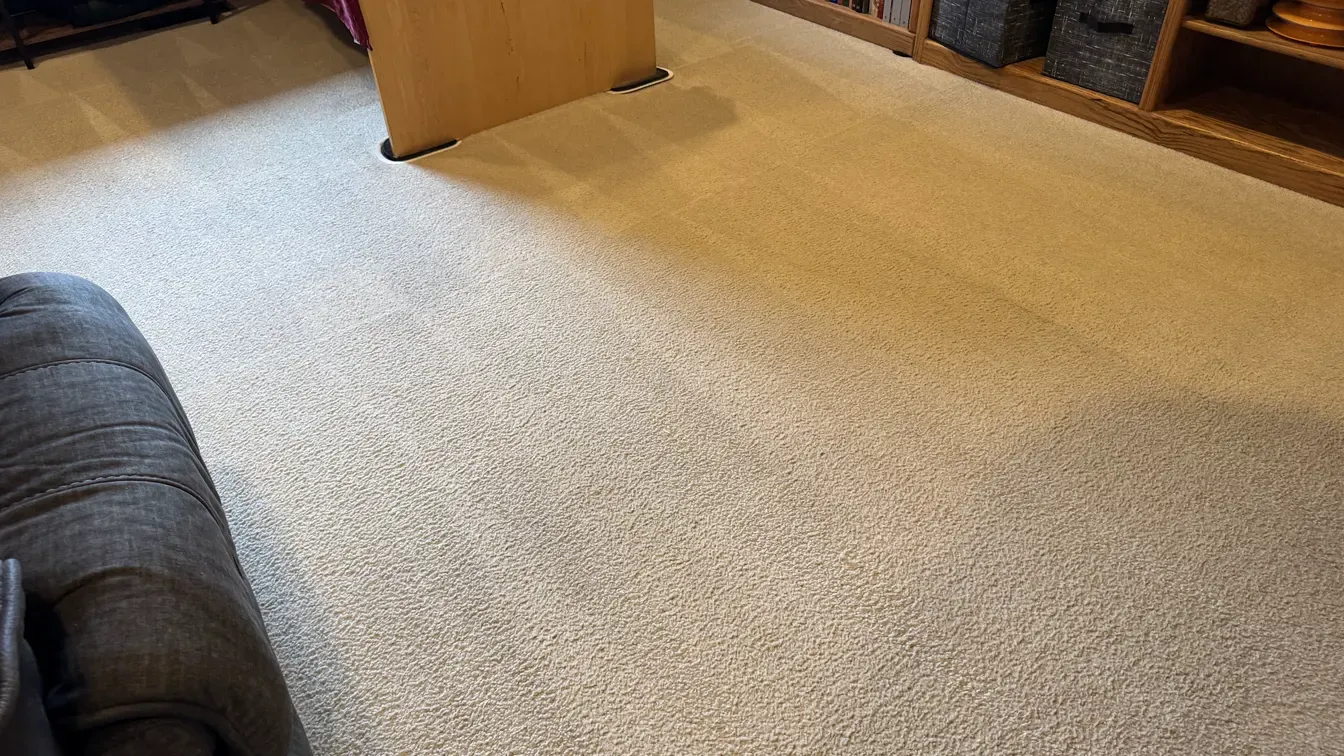 Summary: A trained carpet cleaning technician learns to inspect materials, understand soiling, select suitable methods and equipment, and perform work with realistic expectations and safe procedures.
Which IICRC Credentials Matter for Residential and Commercial Work?
The right credential depends on the setting, carpet system, and work being requested. IICRC lists CCT, CCMT, and Senior Carpet Inspector as distinct certifications, rather than interchangeable labels.
How common IICRC carpet credentials relate to customer needs.Credential.Primary scope.What it can mean for customers.CCT.Carpet cleaning in residential and light-commercial settings.Training includes pre-inspection, fabric identification, equipment, cleaning methodology, and proper procedures. It is a relevant baseline for many homes, apartments, and smaller business spaces.CCMT.Commercial carpet maintenance programs.Training covers academic and practical assessment, ANSI/IICRC S100, safety, field procedures, and standard operating procedures. It also addresses preventive, daily, interim, and deep cleaning.SCI.Senior carpet inspection.IICRC lists this as a distinct credential. It is more relevant when a project requires specialized inspection or evaluation, rather than routine cleaning alone.
For a home or light-commercial property, CCT may align with the requested cleaning scope. A large office, retail location, or managed portfolio may call for commercial maintenance knowledge, including CCMT-level concepts and documented procedures.
That distinction matters because a company-level certification statement does not automatically identify every technician's credential. Tubro's documented information identifies the company as IICRC certified, but does not specify individual credentials, specialty certifications, training hours, or renewal details. Customers can ask which technician will perform the work and which credential matches the project.
Credential scope helps customers compare providers, but it does not guarantee a particular result. A careful provider should still assess the carpet, explain the proposed service, and set realistic expectations before work begins.
Summary: CCT generally fits residential and light-commercial cleaning, CCMT focuses on commercial maintenance systems, and SCI centers on carpet inspection. Match the credential to the service scope, then verify who holds it.
How Can Customers Evaluate an IICRC-Certified Provider?
A credential is useful when it connects to the person, service, and carpet in front of you. Ask these questions before scheduling an IICRC-certified textile cleaning professional.
- Who holds the certification? Ask whether the company, the assigned technician, or both hold the credential. A company-level statement does not automatically identify every technician's training.
- Which IICRC credential applies? Ask for the credential name and its service scope. IICRC describes Carpet Cleaning Technician training as covering pre-inspection, fabric identification, equipment, cleaning techniques, and procedures, with a residential and light-commercial emphasis.
- Is the credential current? Ask how the provider confirms current status and whether the technician assigned to your job is covered. Do not rely on a vague certification claim when a specific answer is available.
- Will the technician inspect the carpet first? Pre-inspection and fabric identification are part of the CCT scope. The provider should discuss carpet construction, condition, soiling, and any limitations before selecting a method.
- What method and equipment fit this carpet? Ask for the reason behind the proposed method, not just its name. A professional should explain the process, basic equipment, expected drying considerations, and any preparation the customer must complete.
- How are safety and expectations handled? Ask what precautions apply to occupants, furnishings, materials, and ventilation. Also ask what the service may not address, so the agreement reflects a realistic assessment rather than a guaranteed result.
- What documentation will you receive? Request the service scope, recommendations, and any relevant care instructions in writing. For commercial work, ask how the provider will align the work with the building's maintenance needs.
Summary: The strongest evaluation connects a current, relevant credential with the assigned technician's inspection, method explanation, safety practices, and clearly stated expectations.
What Should Certification Not Promise?
Certification is evidence of training, not a guarantee that every carpet will respond the same way. An IICRC-certified textile cleaning professional should assess the material and explain what the service can reasonably address before work begins.
Carpet fibers, construction, age, wear, and prior treatments all affect the expected result. Certification does not promise that every spot or stain will disappear, or that a carpet will look new after one visit. It also does not replace a careful pre-inspection or justify making a result claim without seeing the carpet in person.
Odors require similarly honest scope. Their source, depth, and spread can vary, and surface cleaning may not resolve an odor linked to materials beneath the carpet. A qualified provider should explain what can be evaluated, what service is appropriate, and where the outcome remains uncertain. That conversation is more useful than a blanket promise.
The credential also should not be treated as proof that every technician has the same specialty or current qualification. Tubro's customer information identifies the company as IICRC certified, but does not specify individual credentials or specialty training. Customers can ask who will perform the work, which credential applies, and how the provider will assess the carpet.
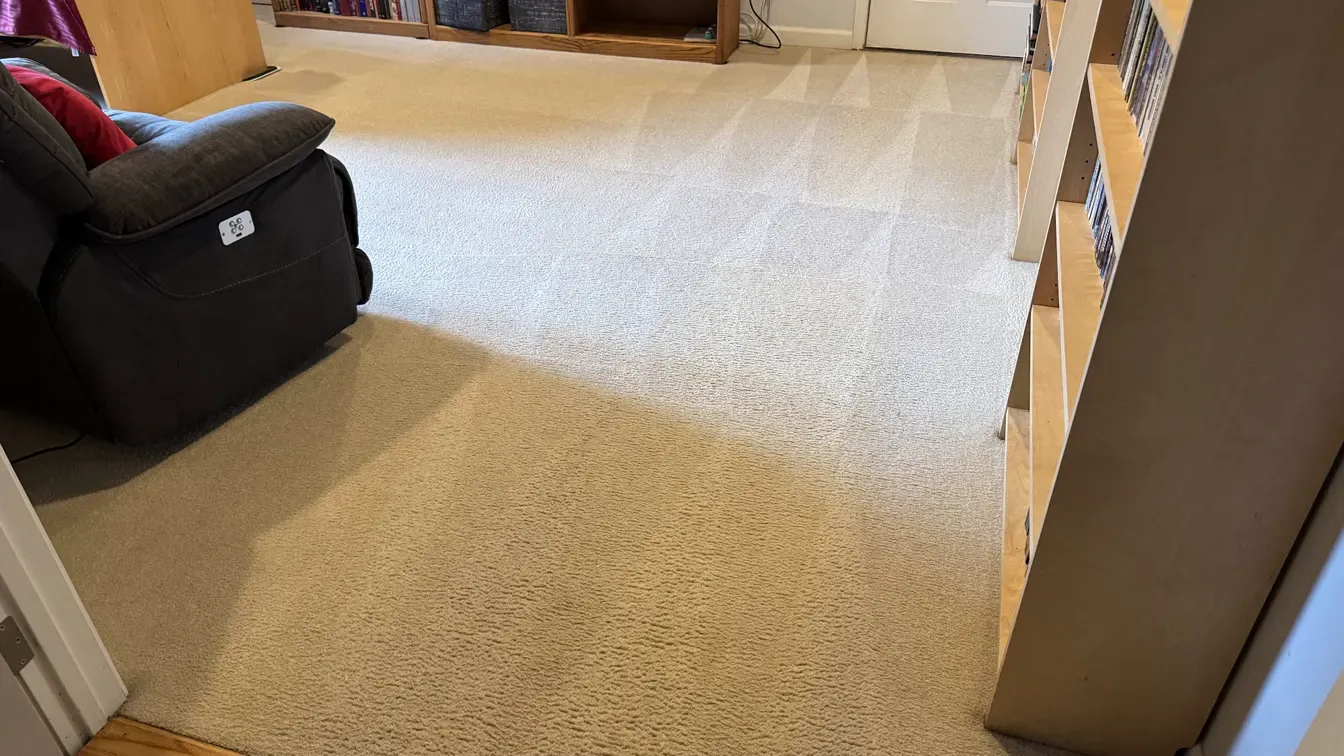 Summary: Certification signals structured knowledge and procedures. It does not promise identical results, complete odor resolution, or a substitute for inspection and clear communication.
Why Local Experience and Method Still Matter
Certification is useful evidence of training, but it is not a substitute for a careful inspection. An IICRC-certified textile cleaning professional should consider the carpet's fiber, construction, soil level, traffic patterns, and maintenance history before selecting a cleaning procedure. IICRC training covers fabric identification and procedure selection, which helps connect technical knowledge with the conditions found in a real home or business.
That assessment matters because two carpets can look similar while requiring different care. A family room with concentrated walk paths has different needs from a lightly used guest room. A rental property may need a practical turnover plan, while an office or retail space may need service that fits operating hours and recurring foot traffic. Tubro has served South King County and Pierce County since 2010, giving local customers a provider familiar with the region's residential and commercial service needs.
Commercial customers should also ask whether the provider understands maintenance beyond a single visit. IICRC's Commercial Carpet Maintenance Technician credential addresses assessment, safety, field procedures, and the ANSI/IICRC S100 standard. It also covers preventive, daily, interim, and deep cleaning within a commercial maintenance program. Those distinctions can help property managers and facility leaders discuss an appropriate service scope instead of treating every building the same.
Homeowners can review Tubro's residential carpet cleaning service, while businesses can compare its commercial carpet cleaning services. Customers in the company's home community can also see its Maple Valley carpet cleaning service area. For commercial planning, this guide to professional carpet maintenance planning provides a related service perspective.
Summary: Certification supports sound training, while inspection and local experience help apply that knowledge to carpet construction, traffic, building use, and a realistic maintenance plan.
IICRC Certified Carpet Cleaning: What the Credential Means for Your Property
For homeowners and businesses in South King County and Pierce County, a credential is one useful part of choosing a carpet-cleaning provider. It should help you ask better questions, not replace a conversation about your carpet, building, and expectations.
IICRC training can cover carpet construction, soil conditions, inspection, equipment, cleaning methods, and safe procedures. The exact credential matters, however. A provider should explain whether the relevant training applies to residential work, light commercial settings, or a more specialized commercial program.
Ask who will perform the work, which credential that person holds, and whether the training is current. Also ask how the provider will inspect the carpet before selecting a method. A careful assessment considers fiber, construction, traffic, previous service, and the building's use.
Tubro Carpet Cleaning has served the region since 2010 and identifies the company as IICRC certified. Its available service information includes residential carpet cleaning service and commercial carpet cleaning services. Those pages can help you decide which service conversation fits your property.
For local customers near the company's base, the Maple Valley carpet cleaning page provides another starting point. Customers can also ask how hot water extraction, inspection, and post-service expectations fit their specific carpet.
In short, IICRC-certified carpet cleaning means choosing a provider whose training, inspection, and service scope you can verify. Connect it to your property, and expect an honest assessment rather than a guaranteed outcome.
Summary: The credential matters most when it matches your property, the assigned technician, and a careful inspection with realistic expectations.
Frequently Asked Questions
What does IICRC stand for?
IICRC stands for the Institute of Inspection Cleaning and Restoration Certification. It develops credentials that address professional cleaning knowledge, methods, inspection, and related procedures.
What does professional carpet cleaning include?
Professional carpet cleaning should begin with a pre-inspection. An IICRC-certified textile cleaning professional should consider the carpet's fibers, construction, finishes, soiling conditions, equipment, and appropriate cleaning method. IICRC describes its Carpet Cleaning Technician credential as covering residential and light-commercial procedures.
Does IICRC certification guarantee a specific cleaning result?
No. Certification shows that a person demonstrated knowledge of defined techniques and procedures. It does not guarantee that every carpet, odor, or appearance concern will respond the same way. A responsible provider explains realistic expectations after assessing the carpet.
Which IICRC credential should a carpet cleaner have?
That depends on the work. Carpet Cleaning Technician training addresses general residential and light-commercial carpet cleaning. Commercial Carpet Maintenance Technician training focuses on commercial maintenance processes, safety, standards, and field procedures. Senior Carpet Inspector is a separate credential.
How can I verify a provider's certification scope?
Ask which technician will perform the work, the exact credential held, whether it is current, and whether it matches your property's needs. Also ask how the provider will inspect the carpet, select a method, address safety, and document realistic service expectations.
Ready to Talk Through Your Carpet Cleaning Needs?
Understanding a provider's training can help you ask better questions and set practical expectations for your home or business. Tubro Carpet Cleaning can discuss your space, cleaning goals, and the next appropriate step. Call Tubro Carpet Cleaning at (253) 499-1028 to talk with the team about professional carpet cleaning.