
How Much Does Tile and Grout Cleaning Cost?
November 2, 2026
Learn what shapes tile and grout cleaning estimates, how to compare service scopes, and what to ask before booking a professional assessment.
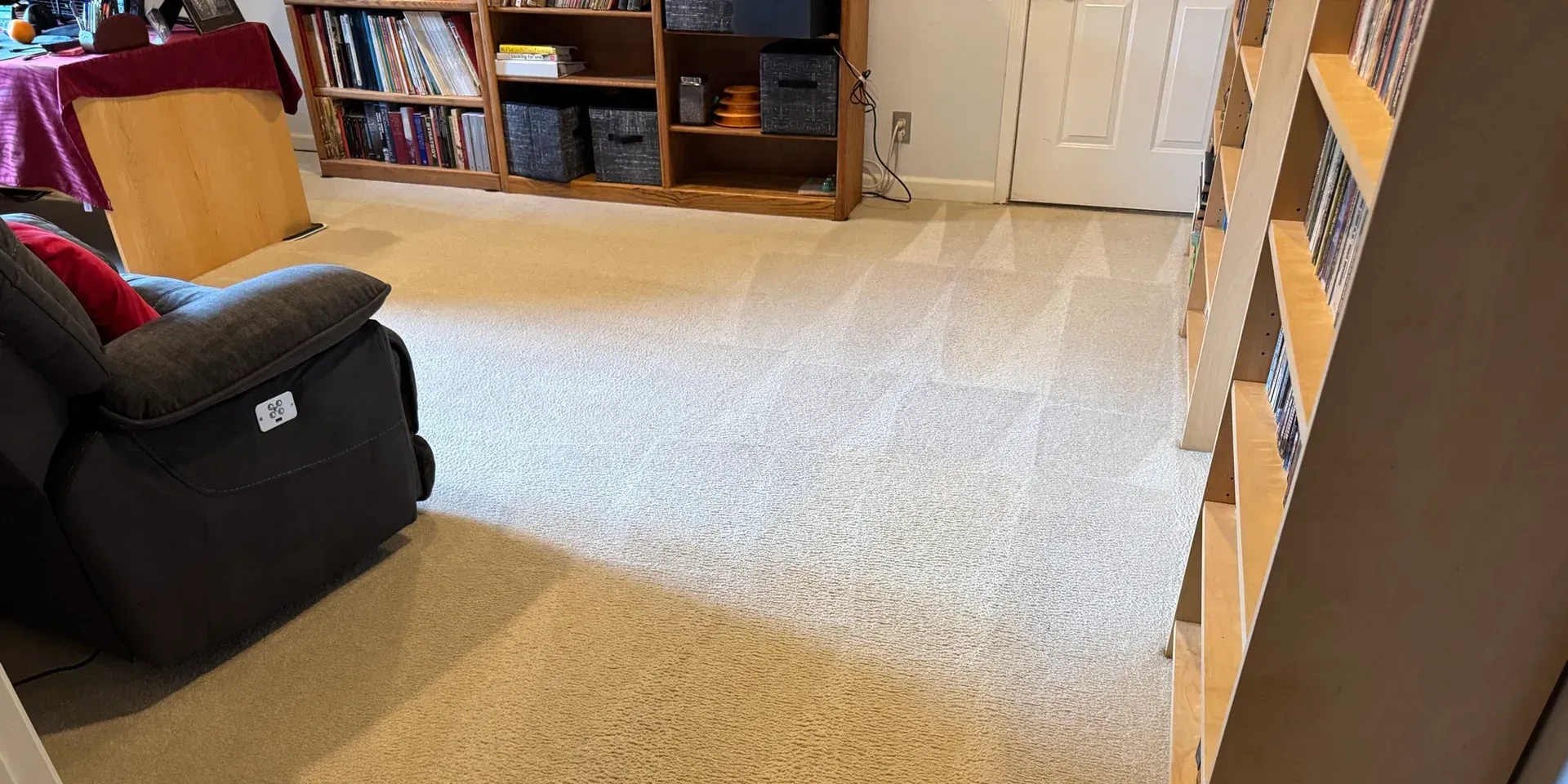
How much does tile and grout cleaning cost? The answer depends on the area, surface material, grout condition, access, and exactly what the service includes. A useful estimate explains those factors rather than presenting an unsupported number without defining the work.
Discuss your tile and grout cleaning needs
What affects the cost of tile and grout cleaning?
There is no single rate that describes every tiled surface. Two spaces with similar floor area may need different preparation, assessment, and time. The estimate should reflect the actual surfaces and requested scope.
- Area and layout: More surface means more to assess and clean. Small rooms, alcoves, corners, and fixed fixtures can make the work more detailed than an open floor.
- Tile material and finish: Ceramic, porcelain, natural stone, and specialty finishes may have different care requirements. Identify the surface before choosing an approach.
- Grout condition: Width, wear, age, and uneven discoloration affect the assessment. Some marks may remain after cleaning.
- Furniture and access: Stairs, narrow entries, furniture, and parking arrangements may affect preparation. Confirm what must be moved and who is responsible.
- Service scope: A cleaning visit differs from work that includes additional treatment or protective options. Ask for each included item in writing.
A total is meaningful only when you know what property areas and services it covers. Clear boundaries make estimates easier to compare.
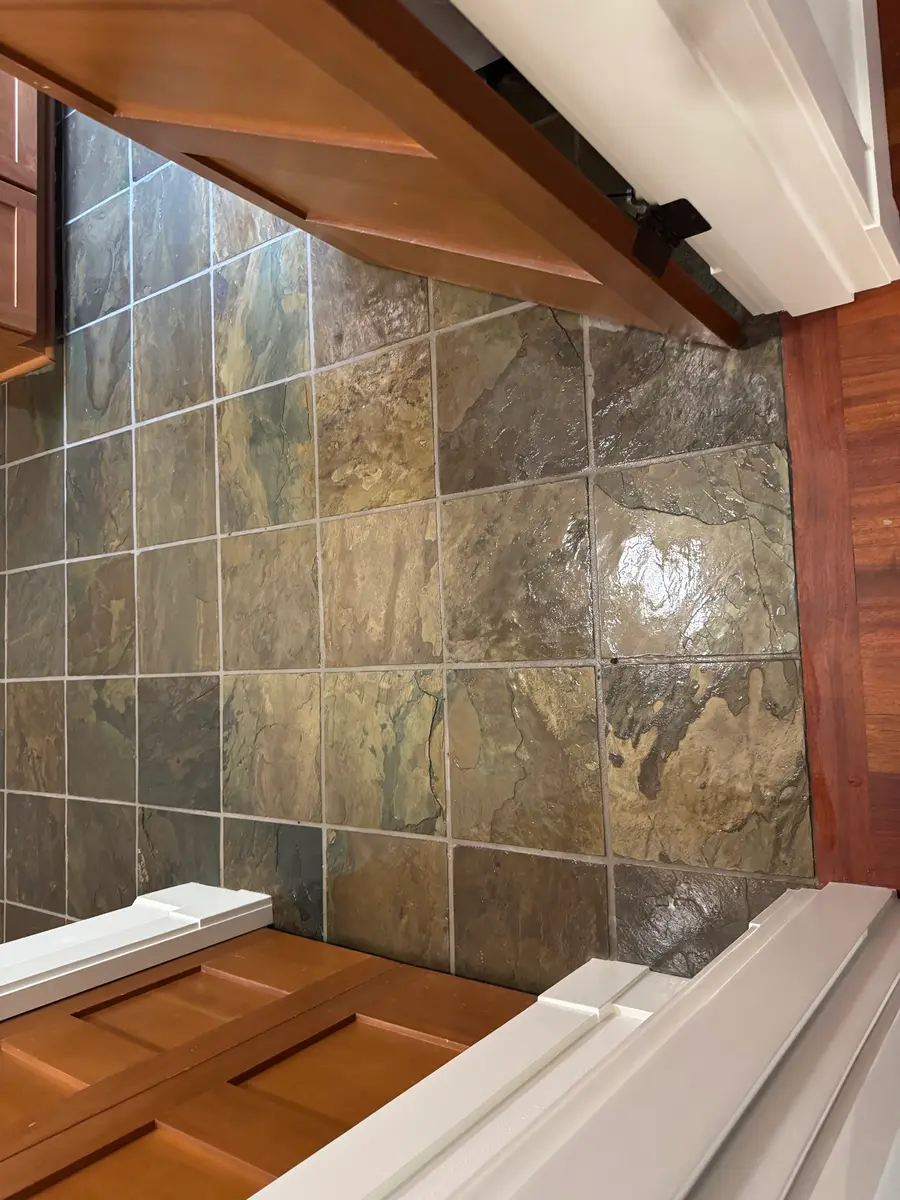
How do area and room layout shape an estimate?
Square footage helps describe the amount of surface, but measurement alone does not show access. A broad, open floor may be simpler to assess than a smaller room with tight corners and fixed fixtures.
Consider two requests. One covers an open kitchen floor with a clear path from the entrance. The other covers a compact bathroom with a vanity, toilet, and narrow sections of tile. Similar floor area does not necessarily mean identical preparation or labor.
When requesting an initial estimate, list each room and provide approximate dimensions when known. Say whether you mean only the floor or also a backsplash, shower, entry, or adjoining area. Do not assume an adjacent surface is included unless the written scope names it.
For several rooms, group them by location and describe where one surface ends and another begins. This helps clarify thresholds, tiled closets, and transitions between flooring types. Ask whether the provider will confirm the dimensions and scope before work begins.
Accurate room descriptions reduce uncertainty and help prevent an expected area from being left out.
Why do tile material and grout condition matter?
Tile is not one uniform material. A technician may need to distinguish ceramic or porcelain from natural stone and consider whether the finish is polished, textured, or sensitive. The appropriate cleaning approach depends on the material and finish.
If you know the tile product or have installation information, share it. If you do not know what is installed, say so instead of guessing. An assessment can identify questions that need answers before a service approach is selected.
Grout also deserves a close look. Its condition, color, width, and wear influence reasonable expectations. Heavy or uneven discoloration may not become uniform after cleaning. A brief description alone cannot support a promise about the final appearance.
Cleaning is not the same as repair. Loose, cracked, or missing grout and damaged tile may need work beyond a cleaning visit. Describe those concerns and ask the provider to distinguish cleaning from repair.
Tubro offers hard surface cleaning. If you have a specialty material or unusual finish, ask whether that specific surface fits the service scope.
Material identification and a candid condition assessment are more useful than a broad promise about the result.
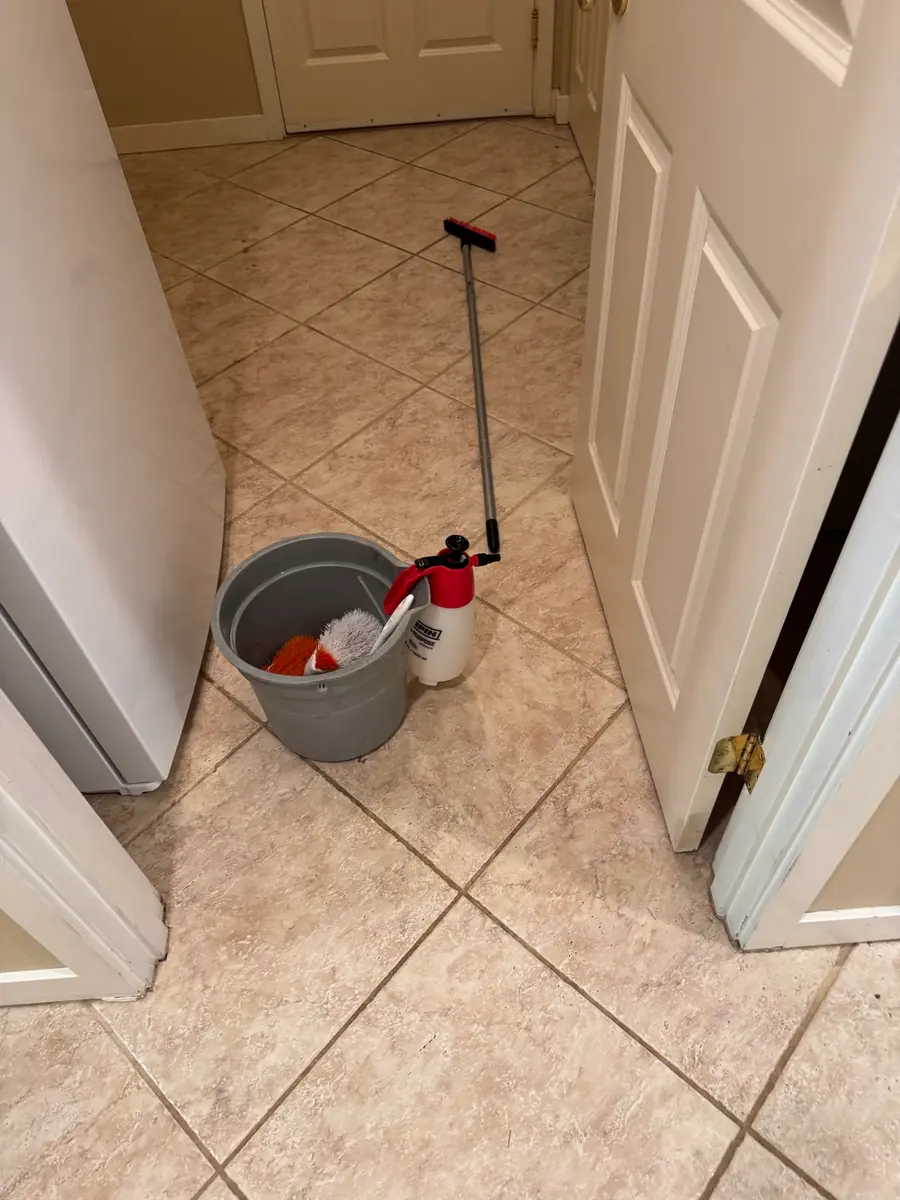
What should a written tile cleaning estimate explain?
A written estimate helps establish what the provider plans to clean and how the amount is determined. The important boundaries should be clear before booking.
- The rooms and surfaces included, with approximate measurements or a stated total area.
- The tile type and condition concerns noted during assessment.
- The cleaning service included and any optional or excluded work.
- Whether preparation, furniture movement, edge work, or access arrangements are included.
- How the final amount is determined and what happens if the scope changes.
- Any limitations, including the possibility that discoloration or wear may remain.
Ask whether the estimate is based on an in-person assessment, photographs, or measurements you provide. Each method has limits. A photograph may show a room and visible condition but cannot answer every question about material or access.
Clarify how changes are approved. If an inspection reveals a different surface or additional area, ask for an explanation before proceeding. You should understand the revised scope and amount before authorizing extra work.
Keep a copy of the estimate and compare it with the final work description. Clear expectations make later questions easier to resolve.
How can you compare estimates fairly?
Compare equivalent rooms and equivalent work. A lower or higher total does not tell you whether providers offer the same service. Read the scope before drawing conclusions from the number.
Check the surfaces included
Confirm that each estimate names the same rooms, approximate area, and surface types. One provider may include a tiled entry while another does not. That difference can change the apparent comparison.
Compare assessment and preparation
Ask what the provider plans to inspect and what preparation is included. Confirm whether furniture movement, access, and edges are addressed. If you are responsible for preparation, ask what needs to be cleared.
Review limitations and change procedures
Look for realistic statements about what cleaning can address and what may remain. Ask how a provider handles differences between the initial description and the site assessment, and whether you approve a changed scope before extra work begins.
For a related example of estimate factors, read Tubro's guide to what can affect cleaning costs. It is not a tile price list, but it illustrates why scope and site conditions matter.
Compare scope, process, and expectations side by side. This is a stronger basis for choosing than an unexplained total.
What information should you gather before asking for an estimate?
You do not need to diagnose the surface or know every measurement. Share what you know and identify what remains uncertain.
- List each room or tiled area.
- Estimate dimensions, or describe the room if you cannot measure it.
- Note whether the surface is a floor, shower, backsplash, or another feature.
- Share known material or finish information without guessing.
- Describe visible wear or uneven grout color neutrally.
- Explain access, stairs, furniture, and whether the area can be cleared.
- Ask whether photographs would help an initial discussion.
For example, you might say: “I would like an estimate for the kitchen floor and entry. The kitchen is approximately 12 by 14 feet, the entry is smaller, and I am unsure whether the tile is porcelain. Some grout looks darker near the doorway.” This gives useful context without claiming to know the cause or promising an outcome.
If you request estimates from several providers, give each the same description and ask the same questions. Consistent information makes the responses easier to compare.
A concise, accurate description helps identify what needs inspection and avoids assumptions about the estimate.
What questions should you ask before booking?
A short conversation can show whether a provider understands your surface and communicates clearly. Ask questions that clarify the work and your responsibilities.
- Do you assess this particular tile and grout material?
- What needs inspection before confirming the scope?
- Which rooms and surfaces are included?
- What is included, optional, or excluded?
- Could discoloration, wear, or damage remain?
- How will you explain and obtain approval for scope changes?
- What preparation should I complete, and who handles furniture?
- Can you describe the service process for this surface?
Listen for direct answers and a willingness to discuss limitations. If you hear an absolute promise before anyone has assessed the surface, ask how the provider can support that expectation.
Ask what a successful result means for your particular floor. The conversation should distinguish a cleaner surface from new grout, repaired tile, or a guaranteed color change. These are different expectations.
Specific questions turn an uncertain estimate into a more informed service decision.
When is a professional assessment especially useful?
An assessment is useful when the material is unknown, grout appears worn or unevenly discolored, or different hard surfaces meet. It can also help when a finish looks textured, polished, or delicate.
Share your main concern and ask what can be evaluated before work begins. You can review Tubro's company and service information and customer reviews as part of your decision.
Do not assume a cleaning service can correct damaged grout, restore a worn finish, or make every mark disappear. Cleaning and repair are different tasks. Ask whether unresolved concerns need evaluation by another professional.
An assessment is most valuable when it defines both service limits and next steps for unanswered questions.
What can change between an initial estimate and the visit?
An early estimate is based on available information. A visit may clarify room boundaries, installed material, or grout condition that was hard to see in a photograph. This does not mean a change is inevitable; the estimate should explain how new information is handled.
Before the visit, gather product or installation details if available. Mark which rooms are part of the request and mention adjoining areas to exclude. If fixed cabinets or appliances limit access, point them out so the provider can define the accessible surface.
During assessment, walk through the proposed scope together. Confirm the room list, identify exclusions, and review concerns that could affect expectations. If the observed surface differs from your description, ask what changed and how it affects the plan.
Pause before approving a revised amount or additional work. Make sure the reason, revised scope, and total are clear. A written update can prevent confusion about whether an extra room or treatment was authorized.
This check is useful for a small bathroom and a larger multi-room project. The goal is to understand an adjustment before deciding.
A clear process for confirming changes keeps the estimate connected to the work you authorize.
How should you think about value without a fixed price?
Without a defined scope, a single price would not tell you what your project should cost. It could hide differences in area, material, access, or included work. A meaningful estimate begins with those details.
Think of value as the fit between your needs and the service offered. A clearly scoped estimate is easier to evaluate than a bare total because you can see what is included and what remains your responsibility. That does not mean the highest estimate is automatically best.
For example, one estimate might cover only the kitchen floor, while another includes the kitchen, entry, and tiled laundry area. Comparing totals without noticing the difference is not useful. First make the room list consistent, then check work, limitations, and approval procedures.
Consider your priorities. You may want clarity about delicate materials, preparation, or grout condition. Ask each provider to address those concerns rather than inferring answers from a headline figure.
A sound decision rests on a clear scope and realistic expectations, not an unsupported promise or isolated number.
Material care varies because tile and grout are not one surface. An IICRC-certified textile cleaning professional assesses the material before choosing an approach, rather than treating every floor the same way.
Ask Tubro about your tile and grout cleaning estimate
Frequently Asked Questions
Can I get an exact quote from square footage alone?
Square footage describes the amount of surface, but does not identify material, condition, layout, or access. Share measurements for an initial discussion and ask whether assessment is needed to confirm the scope.
Will professional cleaning make grout look new?
Not necessarily. Grout condition and discoloration vary, and marks or wear may remain. Ask for an assessment and realistic expectations rather than a guaranteed appearance.
Should I include several rooms in one request?
Yes. List each room or tiled area and note differing materials or concerns. This gives the provider a fuller scope and helps avoid leaving an adjoining surface out.
What if the estimate changes after an inspection?
Ask why the scope or amount changed. Review the revised details and approve additional work before it begins.
Does an estimate include repair work?
Not unless the scope clearly says so. Cleaning, grout repair, and tile replacement are different tasks. Ask what the estimate covers and which concerns need separate evaluation.
Ready to discuss tile and grout cleaning?
Share the rooms you want assessed, details you know about the tile, and questions about service scope. Contact Tubro through its contact page to discuss your needs. A clear conversation is a practical first step toward an informed estimate.