
Spring Carpet Cleaning: The Complete South King County Homeowner Checklist
August 5, 2026
A room-by-room spring carpet cleaning checklist for South King County homeowners.
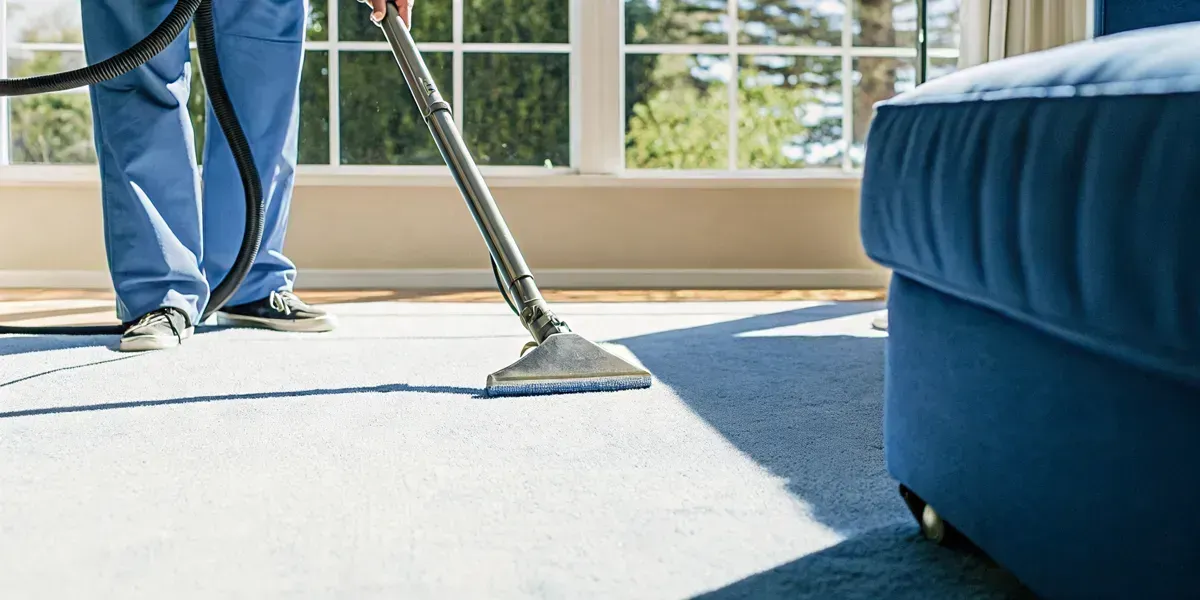
Winter keeps windows closed, tracks in outdoor soil, and gives dust and allergens more time to settle into carpet fibers. By spring, your floors may look acceptable while holding contaminants that routine vacuuming cannot fully remove.
Schedule your South King County spring carpet cleaning today.
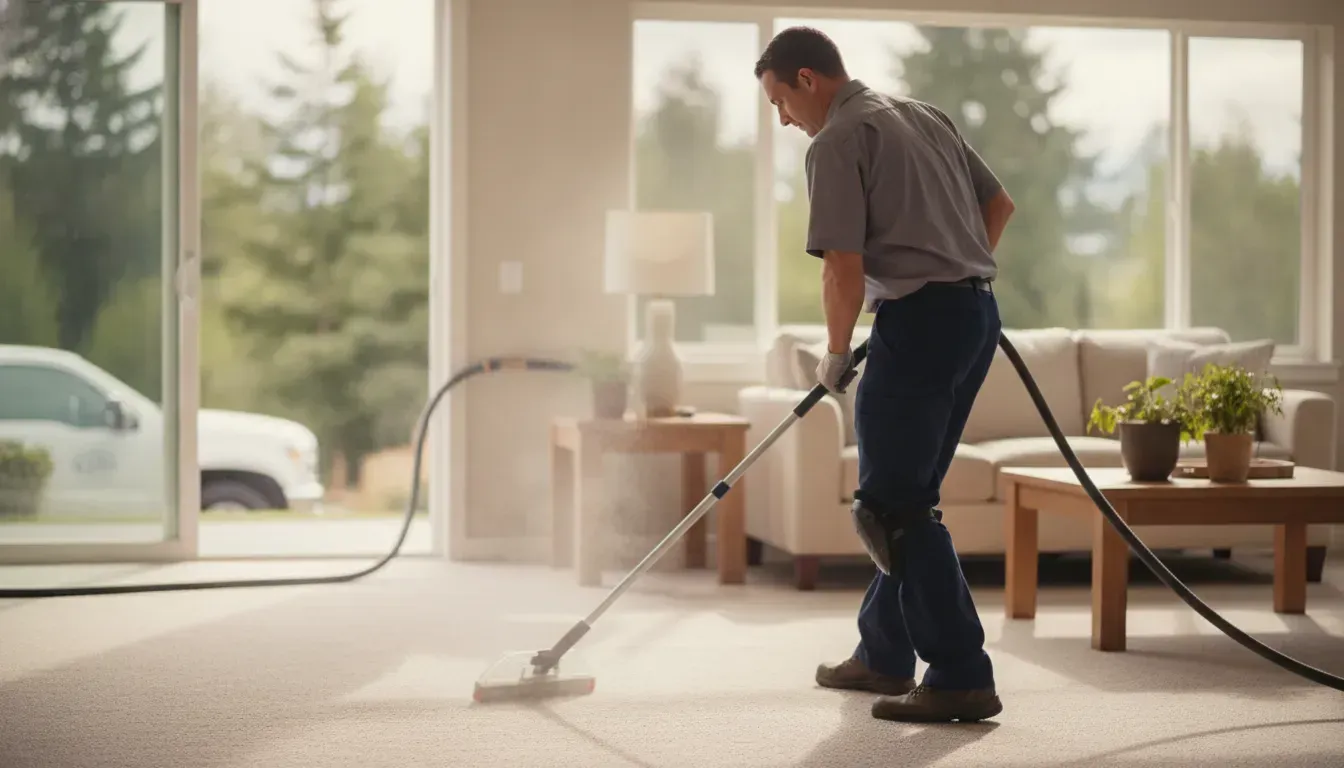
A spring carpet cleaning checklist homeowner plan should start with high-traffic rooms, bedrooms, upholstery, and areas affected by pets or family activity. Professional cleaning helps remove embedded soil and biological contaminants, supports a healthier indoor environment, and helps protect your flooring investment.
For a broader service overview, see our guide to residential carpet cleaning in South King County. Then consider why Western Washington's spring conditions make this season a practical time for a deeper home refresh.
Why Spring Is the Best Time for Deep Carpet Cleaning in Western Washington
By spring, carpets have spent months collecting the materials tracked indoors during winter. Shoes, pets, and daily foot traffic can carry soil and biological contaminants into carpet fibers. Those contaminants can remain below the surface, even when the room looks clean.
Research identifies carpet as a reservoir for dust mites, dust mite allergens, and mold when it is not kept clean. A thorough seasonal service helps address that hidden buildup after the heavier indoor activity of winter. Residential carpet cleaning in South King County can be planned as part of a broader spring home-care routine.
Clear out winter accumulation before warmer months
Winter often keeps families indoors for longer periods. That increases the amount of skin flakes, household dust, and tracked-in material that can settle into carpet. Spring offers a practical reset point before summer activities bring a new cycle of outdoor soil and traffic.
Deep cleaning should account for carpet type, fiber condition, and the manufacturer's care requirements. The goal is not simply to improve appearance. It is to remove embedded soil and maintain the textile according to professional standards.
Support a cleaner indoor environment
Biological contaminants accumulated in carpet may contribute to allergy or asthma symptoms in children and adults. Cleaning cannot guarantee relief from those conditions, and it does not replace medical care. However, maintaining cleaner carpet is a sensible part of managing household allergens.
The EPA connects carpet-cleaning practices with protecting indoor air quality and advises following manufacturer recommendations and industry standards. Removing trapped material from a major floor surface can support a cleaner-feeling home, especially for families with pets, children, or allergy concerns.
Spring is an ideal time to deep-clean Western Washington carpets because it addresses winter accumulation and supports cleaner indoor air before the next season of household activity.
A Homeowner's Room-by-Room Spring Cleaning Checklist for Carpets and Upholstery
A practical spring cleaning checklist starts with the rooms that receive the most daily use. Work from the highest-traffic spaces to quieter rooms, then finish with upholstered furniture.
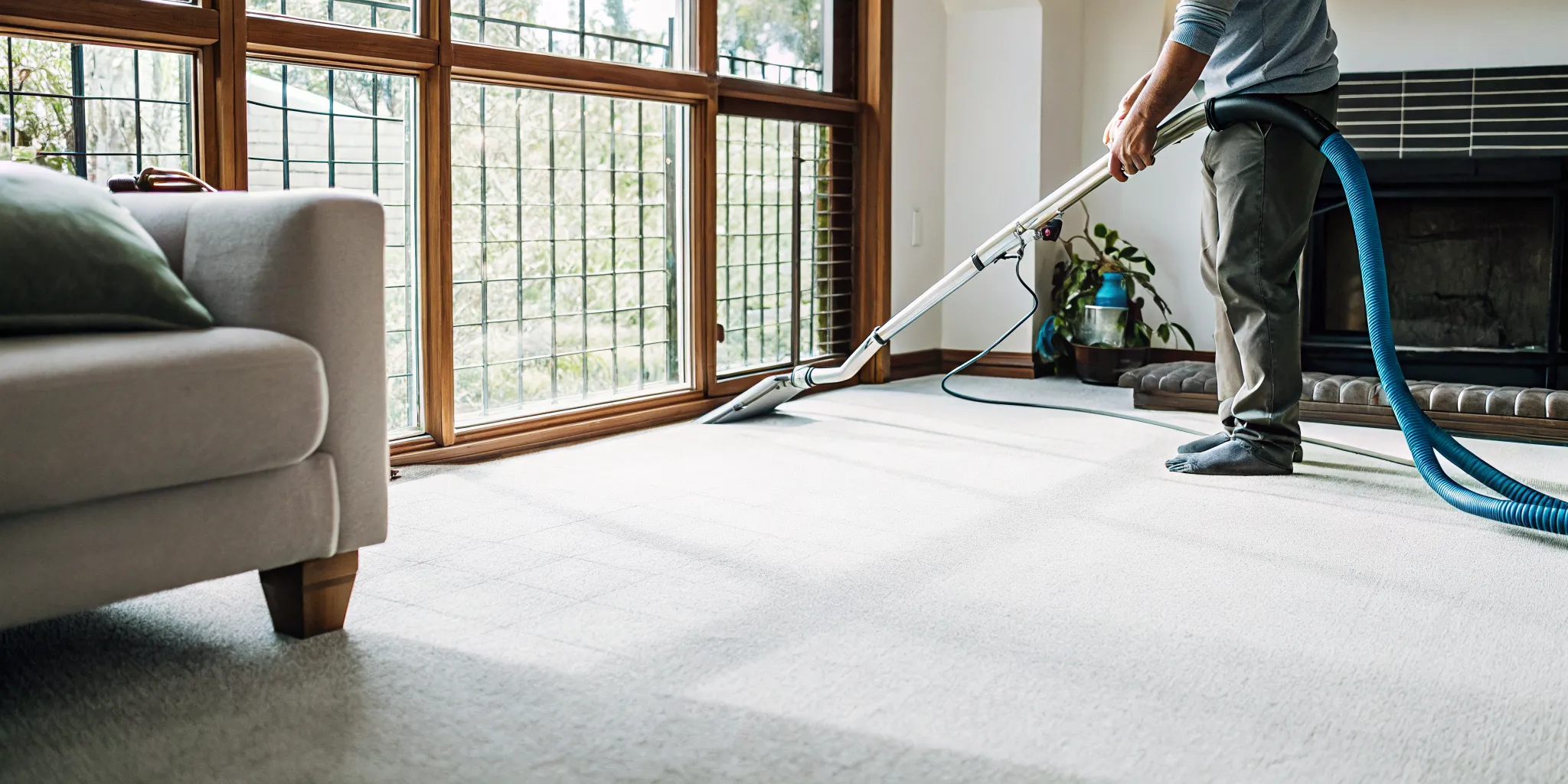 Living rooms and high-traffic areas
- Start with entry paths, seating areas, and the carpet beside frequently used doors. These zones receive repeated foot traffic and can accumulate contaminants faster than lightly used areas. Include the space beneath movable furniture when it is safe to move those pieces.
- Inspect the carpet's overall wear, traffic lanes, and fiber condition. A thorough professional cleaning can address embedded soil and particles that routine maintenance may leave behind. For broader guidance, review these residential carpet cleaning services in South King County.
Bedrooms and sleeping areas
- Give bedrooms deliberate attention, especially where wall-to-wall carpet meets beds, dressers, and closets. Carpets can hold dust mites and related allergens when they are not kept clean. Research identifies accumulated biological contaminants as a possible factor in allergy and asthma symptoms for children and adults.
- Prioritize rooms used by children, pets, or household members with sensitivities. Check under beds and around closet thresholds, where dust and fibers may collect. Do not assume a bedroom needs identical service timing to the living room. Household traffic and carpet-care guidance should shape the plan.
Stairs and hallways
- Walk the full route through the home and mark stairs, landings, and narrow hallways for service. These areas often receive concentrated traffic because everyone passes through them. Look for flattened pile, darkened edges, and soil along stair nosings.
- Include runners and carpeted transitions in the inspection. Note any loose edges or areas requiring care before cleaning begins. A room-by-room plan prevents commonly overlooked paths from being excluded.
Upholstered furniture
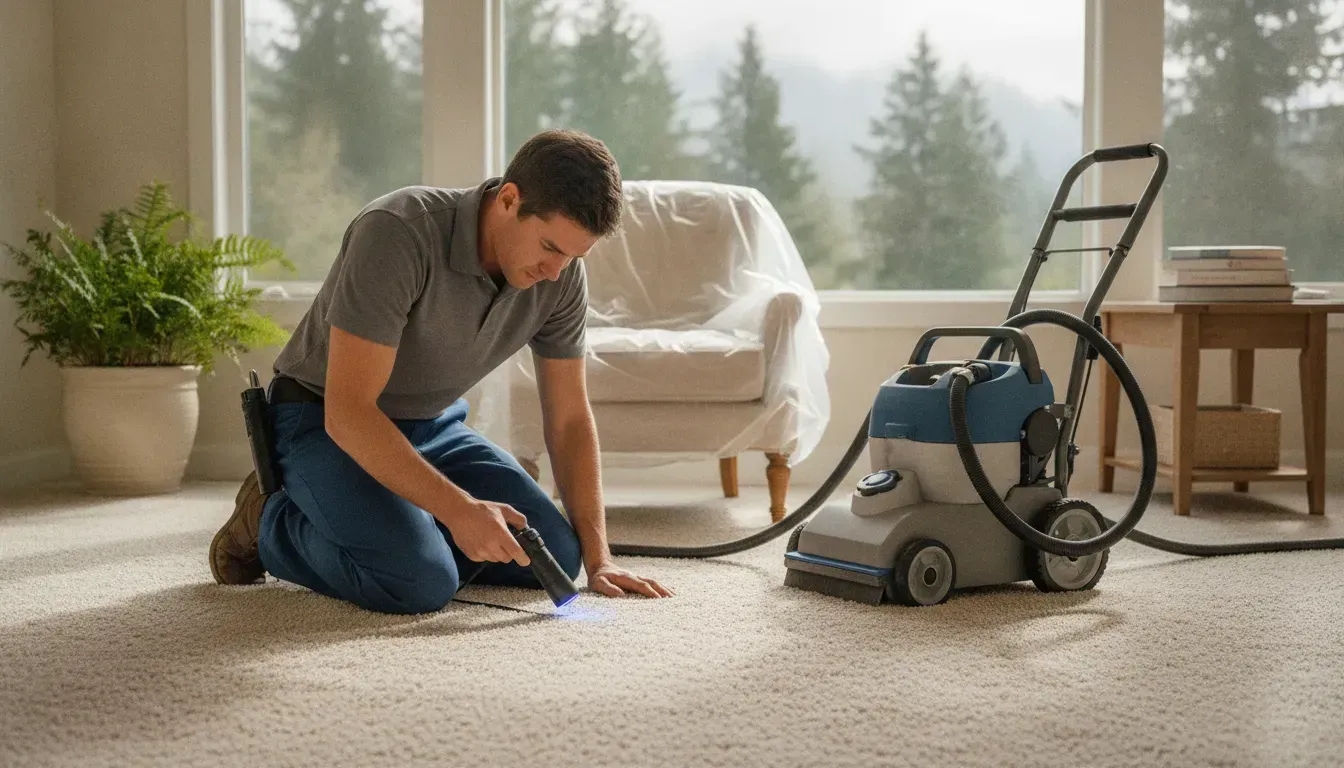
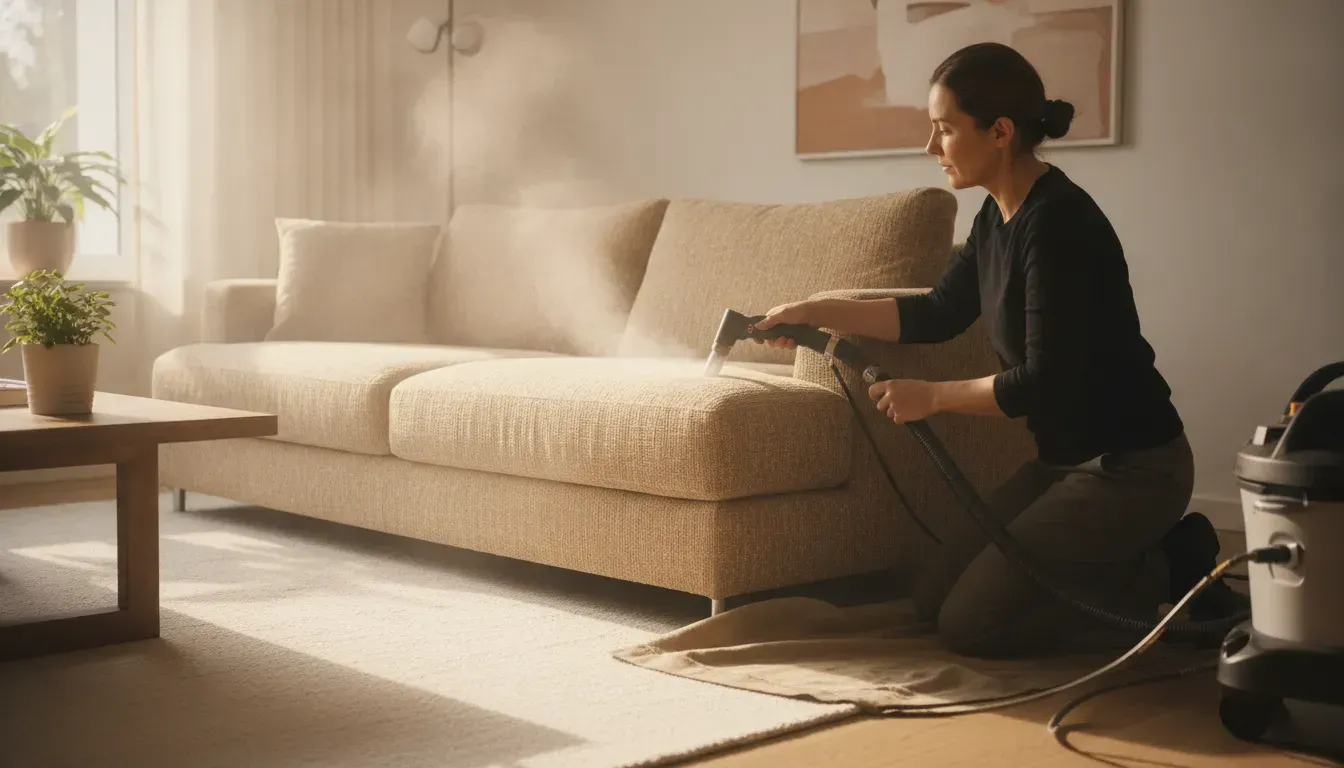
- Finish with sofas, chairs, ottomans, and dining seats. Review manufacturer care labels before service, and identify delicate fibers, removable cushions, and fabric that needs special handling. Upholstery can collect dust and household particles just as carpet does.
- Ask for a textile-specific evaluation rather than treating every fabric the same way. An IICRC-informed technician can select an appropriate process based on fiber, construction, condition, and colorfastness.
Summary: Prioritize high-traffic rooms first, give bedrooms and passageways a deliberate inspection, and include upholstery in the same seasonal plan. The result is a more complete spring refresh without relying on risky home spot-treatment steps.
What Professional Spring Cleaning Covers That DIY Vacuuming Misses
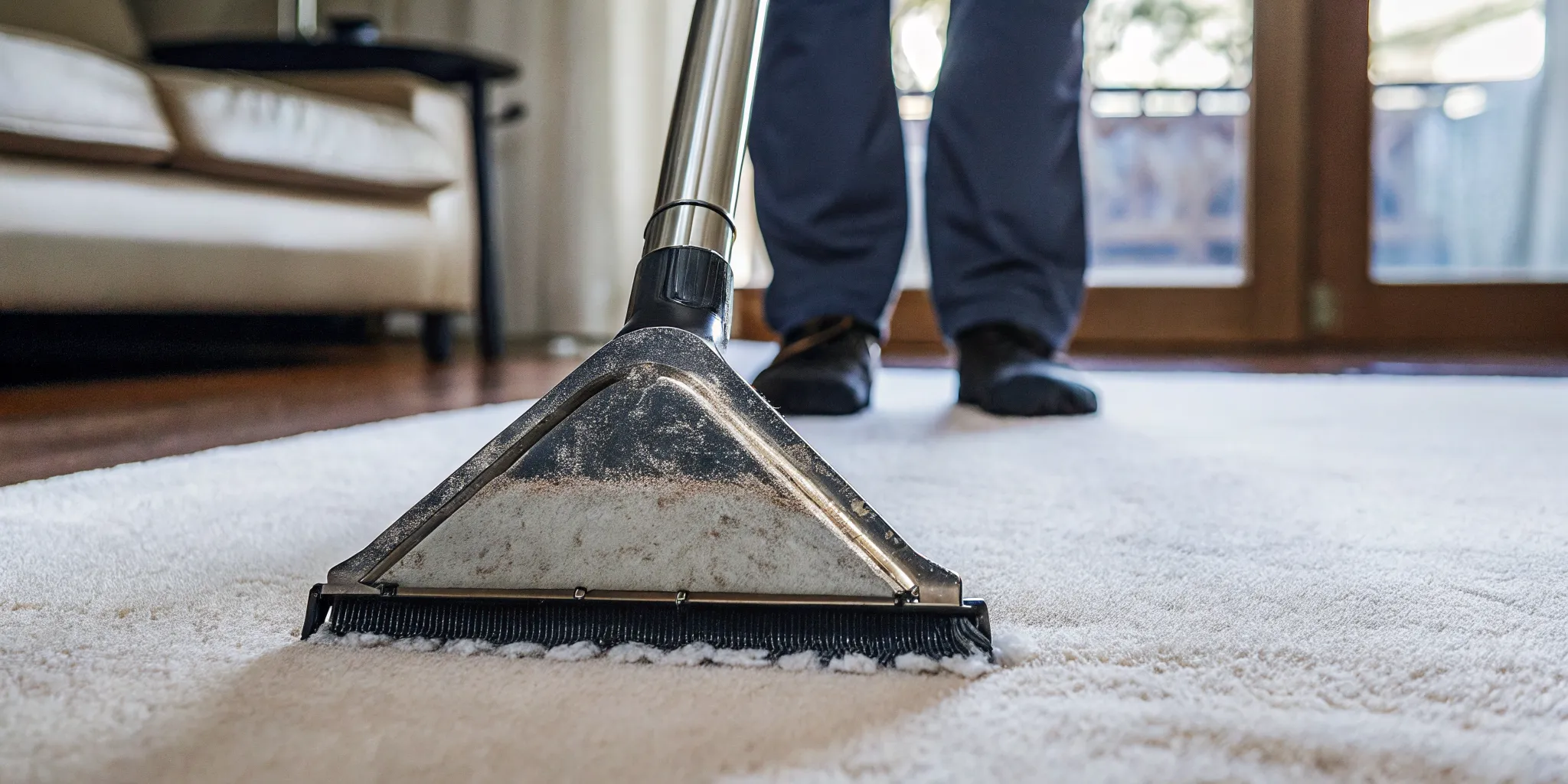
Vacuuming remains important for routine maintenance, but it mainly addresses accessible surface debris. A professional spring cleaning service is designed to reach deeper into carpet construction, where fine particles, dust mite allergens, and other contaminants can remain.
 Professional spring carpet cleaning compared with DIY vacuumingCleaning needProfessional spring cleaningDIY vacuuming may missDust mite reductionSteam-vapor methods can significantly reduce dust mite populations. One study found the greatest reduction with steam vapor compared with other tested methods.
[Research]Standard vacuuming is less effective than steam cleaning for reducing dust mite populations. It may remove loose debris without addressing contaminants held deeper in the carpet.Deep particle extractionProfessional equipment combines controlled moisture, agitation, and stronger extraction to target particles trapped below the surface.Household vacuums have limited reach and airflow compared with professional systems. Carpet fibers can act as a sink for indoor contaminants when they are not thoroughly cleaned.
[Research]Allergen removalThorough physical cleaning can reduce accumulated dust mite allergens and other biological contaminants. This matters because accumulated contaminants may contribute to allergy or asthma symptoms.Routine vacuuming supports ongoing care, but it does not provide the same deep-cleaning process. Vacuuming and steam cleaning are both physical methods used to reduce carpet contaminants, with results depending on the method and conditions.Equipment qualityTrained technicians use commercial equipment selected for carpet type, soil level, moisture control, and effective recovery. The goal is a thorough clean without leaving excessive moisture behind.Residential equipment is convenient for frequent upkeep, but it generally has less extraction power and fewer controls. Repeated passes can still leave embedded soil and fine particles behind.
Professional spring carpet cleaning compared with DIY vacuumingCleaning needProfessional spring cleaningDIY vacuuming may missDust mite reductionSteam-vapor methods can significantly reduce dust mite populations. One study found the greatest reduction with steam vapor compared with other tested methods.
[Research]Standard vacuuming is less effective than steam cleaning for reducing dust mite populations. It may remove loose debris without addressing contaminants held deeper in the carpet.Deep particle extractionProfessional equipment combines controlled moisture, agitation, and stronger extraction to target particles trapped below the surface.Household vacuums have limited reach and airflow compared with professional systems. Carpet fibers can act as a sink for indoor contaminants when they are not thoroughly cleaned.
[Research]Allergen removalThorough physical cleaning can reduce accumulated dust mite allergens and other biological contaminants. This matters because accumulated contaminants may contribute to allergy or asthma symptoms.Routine vacuuming supports ongoing care, but it does not provide the same deep-cleaning process. Vacuuming and steam cleaning are both physical methods used to reduce carpet contaminants, with results depending on the method and conditions.Equipment qualityTrained technicians use commercial equipment selected for carpet type, soil level, moisture control, and effective recovery. The goal is a thorough clean without leaving excessive moisture behind.Residential equipment is convenient for frequent upkeep, but it generally has less extraction power and fewer controls. Repeated passes can still leave embedded soil and fine particles behind.
Professional spring cleaning reaches beyond visible debris by targeting embedded particles, dust mite populations, and allergens that routine vacuuming may leave behind. Learn more about professional carpet cleaning methods to compare approaches for your home's carpet.
Summary: Use regular vacuuming for surface maintenance, then schedule professional cleaning when carpet needs deeper particle extraction and more comprehensive contaminant reduction.
How to Combine Carpet Cleaning with Hard Surface and Upholstery for a Full Home Refresh
A complete spring refresh should address more than the carpet beneath your feet. Dust, tracked soil, pet dander, and other particles also collect on tile, grout, hardwood, and upholstered furniture. Cleaning these surfaces together creates a more consistent result throughout the rooms your family uses most.
Start with the surfaces that hold the most soil
Begin with carpeted hallways, living rooms, stairs, and other high-traffic areas. Then add hard surface cleaning for tile and grout where tracked-in soil settles into textured joints. Hardwood requires a method suited to its finish and moisture limitations, so the cleaning approach should be selected after inspecting the floor.
Upholstery is the final piece of the refresh. Sofas, chairs, and dining seats can retain particles that move back into a cleaned room during normal use. Tubro evaluates the fabric before cleaning and uses an appropriate process for the textile.
Ask about steam-vapor treatment where appropriate
Steam-vapor treatment has been shown to reduce dust mite populations and denature dust mite allergen in carpet under laboratory conditions. Research also found steam vapor produced the greatest dust mite reduction among the tested methods. Read the supporting research.
Dust mites and related allergens can persist when specialized cleaning techniques are not used. A professional plan should focus on removing trapped particles, not simply improving the surface appearance. The right method depends on the material, soil level, and manufacturer requirements.
Plan the work around drying time and budget
Tubro's quick-dry process typically allows carpets to dry in 6 to 12 hours. That makes it easier to schedule carpet, hard surface, and upholstery cleaning during one spring appointment without disrupting the household for several days.
For planning purposes, current carpet pricing starts at $189 for one room and $259 for five rooms. Upholstery cleaning ranges from $89 to $275, depending on the furniture and service needs. A quote should account for the number of rooms, floor types, furniture pieces, and condition of each surface.
Summary: Combining carpet, hard surface, and upholstery cleaning addresses more of the particles and soil held throughout a home. Professional inspection, appropriate steam-vapor treatment, and quick 6 to 12 hour drying help make a thorough spring refresh practical.
How to Book Spring Carpet Cleaning Before Peak Season Fills Up
Spring demand can rise quickly as homeowners prepare for warmer weather, open windows, guests, and outdoor activity. Booking early gives you more control over the appointment date and helps place carpet care into a repeatable seasonal routine.
Seasonal cleaning is more than a cosmetic reset. Research identifies carpet as a reservoir for dust mites, allergens, and mold when it is not properly maintained. A planned spring appointment helps manage materials tracked indoors throughout the year and supports a cleaner indoor environment. The EPA also recommends following carpet manufacturer guidance and industry standards when planning maintenance.
Plan around your household calendar
Choose a date before peak season becomes crowded, then allow time for normal household activity to resume. Tubro uses quick-dry technology designed to help carpets dry in approximately 6 to 12 hours. Actual drying time can vary with fiber type, ventilation, humidity, and the amount of soil removed.
During the booking conversation, identify high-traffic rooms, pet areas, stairs, and spaces that need special attention. Your cleaner can inspect the carpet fiber and recommend an appropriate method based on its construction and condition. That IICRC-informed approach protects the flooring while addressing embedded soil.
Use transparent pricing to schedule confidently
Tubro's transparent pricing makes seasonal planning straightforward: one room is $189, while five rooms are $259. Confirm the room count and service scope when booking so the appointment matches your home's needs.
Annual or seasonal deep cleaning can help extend carpet life and preserve its appearance by removing abrasive soil before it continues wearing the fibers. Following the manufacturer's care guidance remains important, especially when warranty requirements specify professional cleaning intervals. Learn more about trusting professional carpet cleaners for a methodical, IICRC-certified service.
Summary: Book spring carpet cleaning early to secure a convenient appointment, support a consistent maintenance routine, and help extend carpet life with transparent pricing and professional care.
Frequently Asked Questions
How often should South King County homeowners have carpets professionally cleaned?
There is no single EPA cleaning interval for every carpet. Follow the carpet manufacturer's care instructions and warranty requirements, then adjust for household traffic, pets, children, and indoor sensitivities. EPA recommends following manufacturer recommendations and industry standards.
Why include carpet cleaning in a spring home checklist?
Carpet can hold dust mites, allergens, and mold when it is not kept clean. A spring appointment addresses buildup after winter and helps refresh high-traffic rooms before warmer-season activity increases. Research notes that accumulated carpet contaminants may trigger allergy or asthma symptoms in children and adults. See the supporting review in PubMed.
Which carpeted areas should be prioritized first?
Start with entryways, hallways, stairs, living rooms, and other areas where people and pets travel most. These zones receive the heaviest soil load, so they often need attention before lightly used bedrooms or formal rooms. Include upholstered furniture if it shows equivalent traffic or exposure.
Can professional cleaning help with dust and allergens that vacuuming leaves behind?
Yes. Vacuuming remains useful for routine maintenance, but professional cleaning targets particles held deeper in carpet fibers. Steam-vapor treatment has also reduced dust mite populations and denatured dust mite allergen in laboratory testing. Results depend on carpet construction, condition, and the cleaning method selected.
Ready to Schedule Your Spring Carpet Cleaning?
A professional spring cleaning helps refresh the rooms your household uses most and gives your carpets focused care after winter. Schedule your spring carpet cleaning in South King County by calling (253) 499-1028. Tubro Carpet Cleaning can help you plan the next practical step for your home.