
Hot Water Extraction vs. Steam Cleaning: Which Method is Best for Carpets

February 2, 2026

Introduction

If you’ve ever researched professional carpet cleaning, you’ve probably come across two popular methods: hot water extraction and steam cleaning. While the terms are often used interchangeably, they’re not exactly the same—and knowing the difference can help you make the best choice for your home or office carpets in Maple Valley.


In this article, we’ll break down how each method works, compare their pros and cons, and explain which cleaning process might be best for your needs.


Hot Water Extraction Explained

Hot water extraction (HWE) is widely considered the industry standard for professional carpet cleaning. Here’s how it works:

  1. Pre-treatment – A cleaning solution is applied to loosen dirt, stains, and oils.
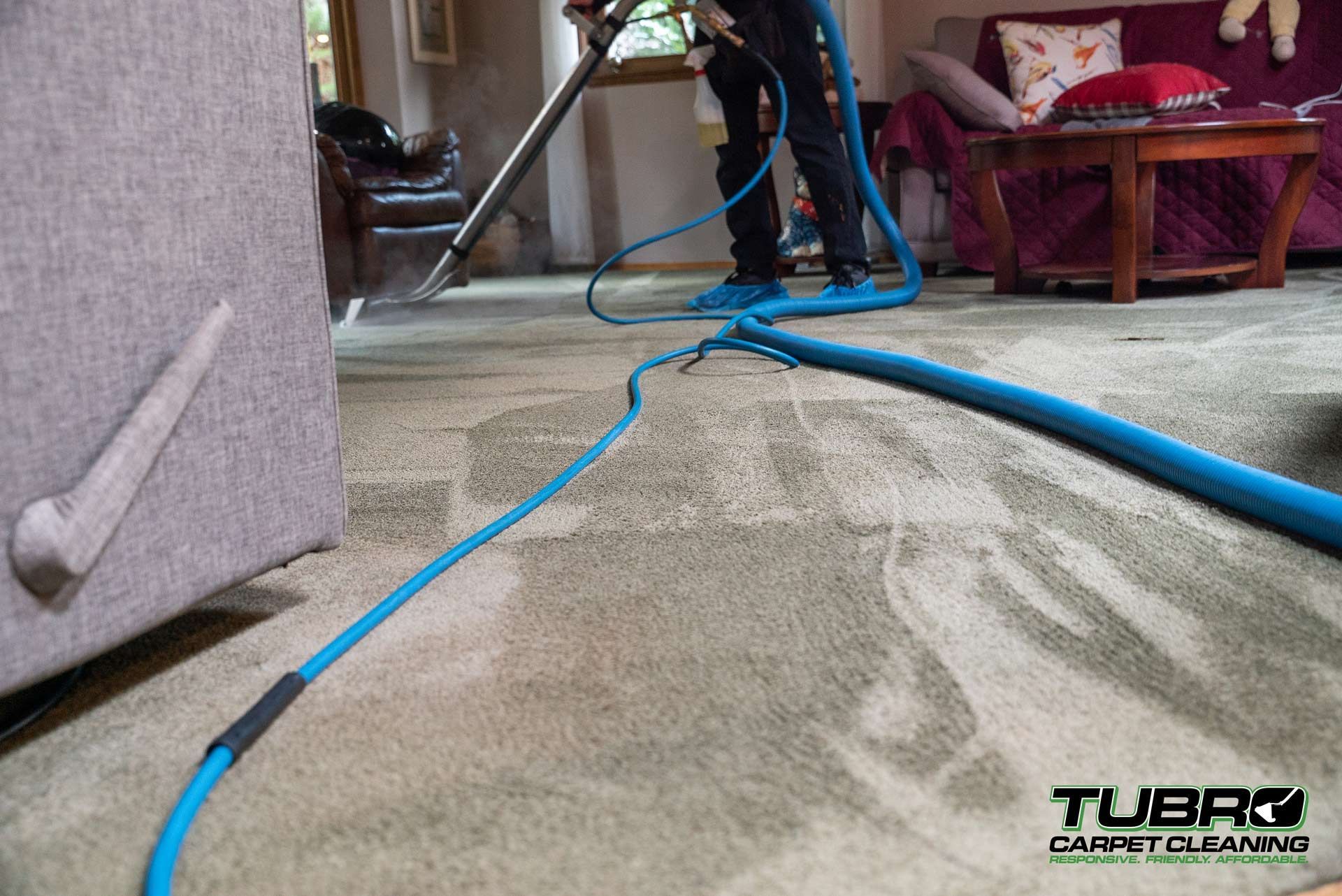
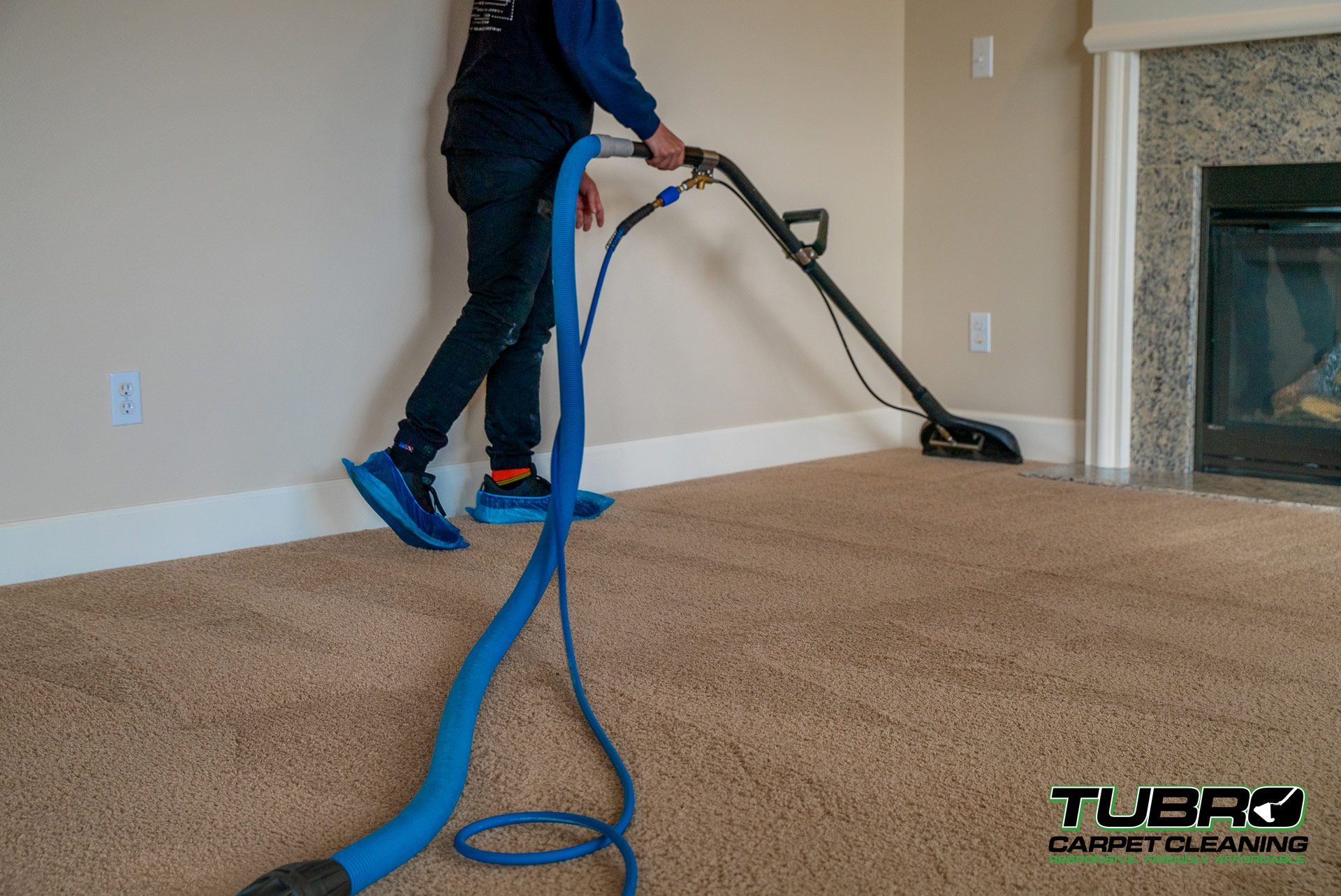
  2. Injection – Hot water mixed with eco-friendly detergent is injected deep into carpet fibers.
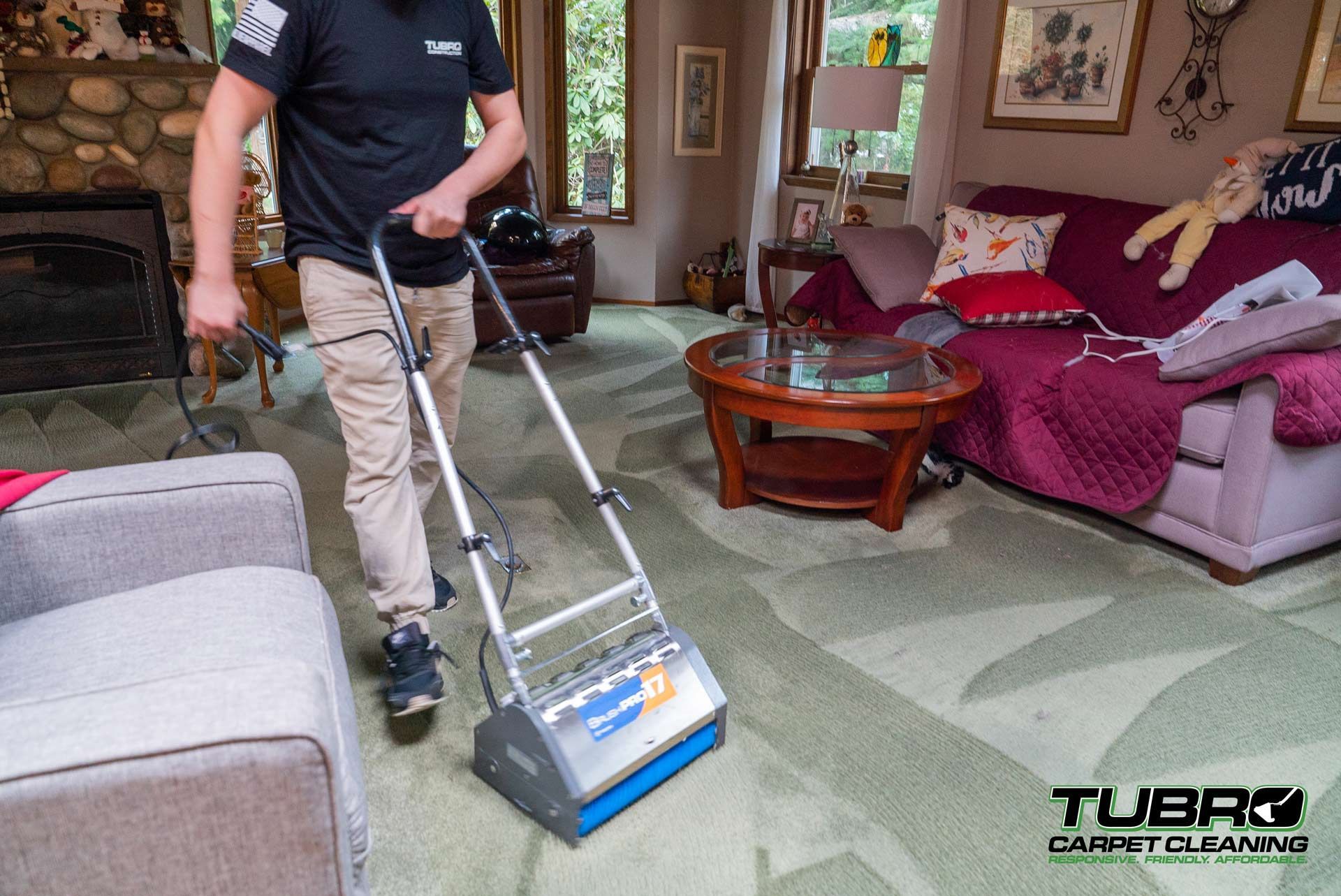
  3. Agitation – Specialized tools help break down stubborn soil.
  4. Extraction – A powerful vacuum immediately removes the water, dirt, and debris.
  5. Drying – High-powered fans speed up the drying process.

Benefits of Hot Water Extraction

  • Deep cleans carpets by reaching into fibers and padding.
  • Effective at removing allergens, dust mites, and bacteria.
  • Leaves carpets fresh without residue.
  • Recommended by many carpet manufacturers to maintain warranties.

Drawbacks of Hot Water Extraction

  • Slightly longer drying time than some methods.
  • Requires professional equipment and expertise.


Steam Cleaning Explained

Steam cleaning, as the name suggests, relies on high heat. However, true steam cleaning is less common in professional carpet care.

Here’s how it works:

  1. Water is heated to produce steam.
  2. Steam is applied directly to carpet surfaces.
  3. The heat helps sanitize and loosen surface-level dirt.

Benefits of Steam Cleaning

  • Uses little or no cleaning solution—good for chemical-sensitive households.
  • Effective at sanitizing surfaces and killing some germs.
  • Works well for hard surfaces like tile and grout.

Drawbacks of Steam Cleaning

  • Primarily cleans the surface, not deep within carpet fibers.
  • Less effective at removing heavy soil or deep-set stains.
  • Excess moisture from improper use can lead to longer drying times or mold issues.


Which Method Is Best for Your Carpets?

For most homeowners and businesses in Maple Valley, hot water extraction is the better choice. It provides a thorough, long-lasting clean that improves indoor air quality and extends the life of your carpets. Steam cleaning has its place for surface sanitization, but it doesn’t deliver the same depth of cleaning that carpets usually need.

When deciding, consider:

  • Carpet type – Delicate or specialty carpets may require specific methods.
  • Level of soiling – Heavily trafficked areas benefit most from hot water extraction.
  • Health concerns – Families with allergies or pets often prefer deep cleaning.
  • Drying needs – Ask about quick-drying options if downtime is a concern.


FAQs

  • Is hot water extraction safe for all carpets?

     Yes. Professionals adjust water temperature and pressure for different carpet types. Always confirm cleaning methods align with your carpet manufacturer’s guidelines.

  • Does steam cleaning use chemicals?

     Not typically—it relies on heat. However, this limits its effectiveness on deep stains and odors.

  • How long does it take carpets to dry after hot water extraction?

     Usually 6–12 hours. Professional-grade drying equipment can reduce this time significantly.

  • Which method is better for allergies?

     Hot water extraction is more effective because it removes dust mites, dander, and allergens rather than just sanitizing the surface.

  • Can I rent equipment and do it myself?

     Yes, but DIY equipment often lacks the power of professional machines, resulting in less effective cleaning and longer drying times.

Conclusion

While both hot water extraction and steam cleaning have their place, hot water extraction remains the preferred method for deep carpet cleaning in Maple Valley homes and offices. It delivers a healthier, fresher environment and protects your investment by extending carpet life.


If your carpets need more than a quick surface clean, trust professional cleaners who specialize in hot water extraction for long-lasting results.

A dark red stain on a light-colored, textured fabric surface, with smaller splatters extending to the right.
April 30, 2026
Learn how to remove red wine stains from carpet without setting them in. Practical tips for Maple Valley, WA homeowners.
April 29, 2026
Find out which carpet stains need professional cleaning and when to call a carpet cleaner in Maple Valley, WA.
April 5, 2026
Learn which post-holiday carpet problems need professional cleaning, from compacted dirt and salt residue to lingering odors and stains.
April 4, 2026
Why Winter Carpet Cleaning Comes With Unique Challenges Carpet cleaning during winter isn’t the same as cleaning during warmer months. Cold temperatures, higher indoor moisture, and increased foot traffic all change how carpets behave and how cleaning should be handled. Many homeowners don’t realize these differences until they experience slow drying, lingering odors, or carpets that seem to get dirty again too quickly.  Understanding common winter-specific problems helps homeowners plan cleaning the right way—and avoid issues that make results disappointing. Increased Moisture From Winter Conditions Winter brings moisture into the home in ways that aren’t always obvious. Snow, rain, and slush get tracked inside on shoes and clothing. Even when mats are used, fine moisture and grit make their way into carpet fibers. At the same time, homes are sealed more tightly in winter, reducing natural airflow. This combination makes carpets slower to dry and more vulnerable to odor if moisture isn’t removed properly. Slower Drying Times Indoors Drying time is one of the most common winter carpet cleaning complaints. Cold outdoor air holds less moisture, but indoor airflow is often limited because windows stay closed and HVAC systems run less frequently. As a result, carpets may stay damp longer after cleaning. Slower drying can lead to: Temporary musty smells Wicking stains reappearing Discomfort walking on damp carpet Proper extraction and airflow planning are critical during winter cleanings. Soil and Grit Being Ground Deeper Into Fibers Winter footwear introduces abrasive grit into carpets. Sand, salt, and fine debris act like sandpaper when walked on repeatedly. These particles settle deep into the carpet pile and damage fibers over time. Once compacted, they become harder to remove and require slower, more intensive cleaning. This is why winter cleaning often takes longer than expected, especially in entryways, hallways, and staircases. Salt and De-Icing Residue Buildup De-icing products don’t just stay outside. Salt residue dissolves with moisture and travels into carpet fibers, where it dries and recrystallizes. Over time, this buildup causes: Stiff or crunchy carpet texture Dull appearance White or gray residue near entrances Removing salt residue requires thorough rinsing and careful moisture control to avoid residue returning as carpets dry. Odors Becoming More Noticeable in Winter Many homeowners notice odors more during winter—even without new spills or accidents. Closed windows, higher indoor humidity from cooking and showers, and reactivated contaminants all contribute to odor issues. Pet odors, in particular, tend to resurface during winter because moisture rehydrates odor-causing compounds trapped below the carpet surface. Cleaning helps, but odor treatment may be necessary if smells persist. Risks of Over-Wetting During Cold Months Over-wetting is a bigger problem in winter than in summer. When carpets are saturated and drying is slow, moisture can linger in padding or backing. This increases the risk of: Odor development Wicking stains Damage to carpet backing Winter cleaning requires controlled moisture use and slower extraction to avoid these issues. Scheduling and Availability Challenges Winter, especially around the holidays, is a busy time for carpet cleaners. Fewer daylight hours, weather disruptions, and high demand can limit appointment availability. Waiting until the last minute often means settling for less-than-ideal scheduling or rushed service. Booking earlier allows for better planning and proper drying time. When Winter Cleaning Is Still the Right Choice Despite the challenges, winter carpet cleaning can be beneficial. Cleaning during winter helps remove abrasive grit before it causes long-term damage, improves indoor air quality when homes are sealed, and prepares carpets for increased indoor activity. The key is choosing the right timing and ensuring the cleaning approach accounts for winter conditions. How to Reduce Winter Carpet Cleaning Problems Homeowners can minimize issues by preparing properly. Helpful steps include: Using entry mats and removing shoes indoors Scheduling cleaning on days with stable weather Allowing space for air circulation after cleaning Running fans or HVAC systems to aid drying Addressing odors early before they spread These steps help ensure winter cleaning delivers good results instead of new problems. Frequently Asked Questions
April 3, 2026
Learn the best time to schedule carpet cleaning before the holidays to avoid delays, improve results, and keep carpets fresh for guests.
April 2, 2026
Learn what professional carpet cleaning can fix, its limitations, and when replacement is the better solution for damaged or odor-affected carpets.
April 1, 2026
Discover why pet odors return after carpet cleaning, how urine spreads below the surface, and what’s needed to remove smells permanently.
March 31, 2026
Learn when carpet cleaning no longer works, how to spot permanent damage, and when replacing carpet is the smarter long-term choice.
March 30, 2026
Learn why carpet cleaning costs rise due to heavy soil, pet odors, stains, furniture, carpet age, and labor factors homeowners often overlook.
March 30, 2026
See what homeowners really pay for carpet cleaning in Maple Valley, what affects pricing, and how to avoid surprise costs before booking service fast.