
Move In Move Out Carpet Cleaning: Renters and Landlords Guide

July 24, 2026

This is a subtitle for your new post
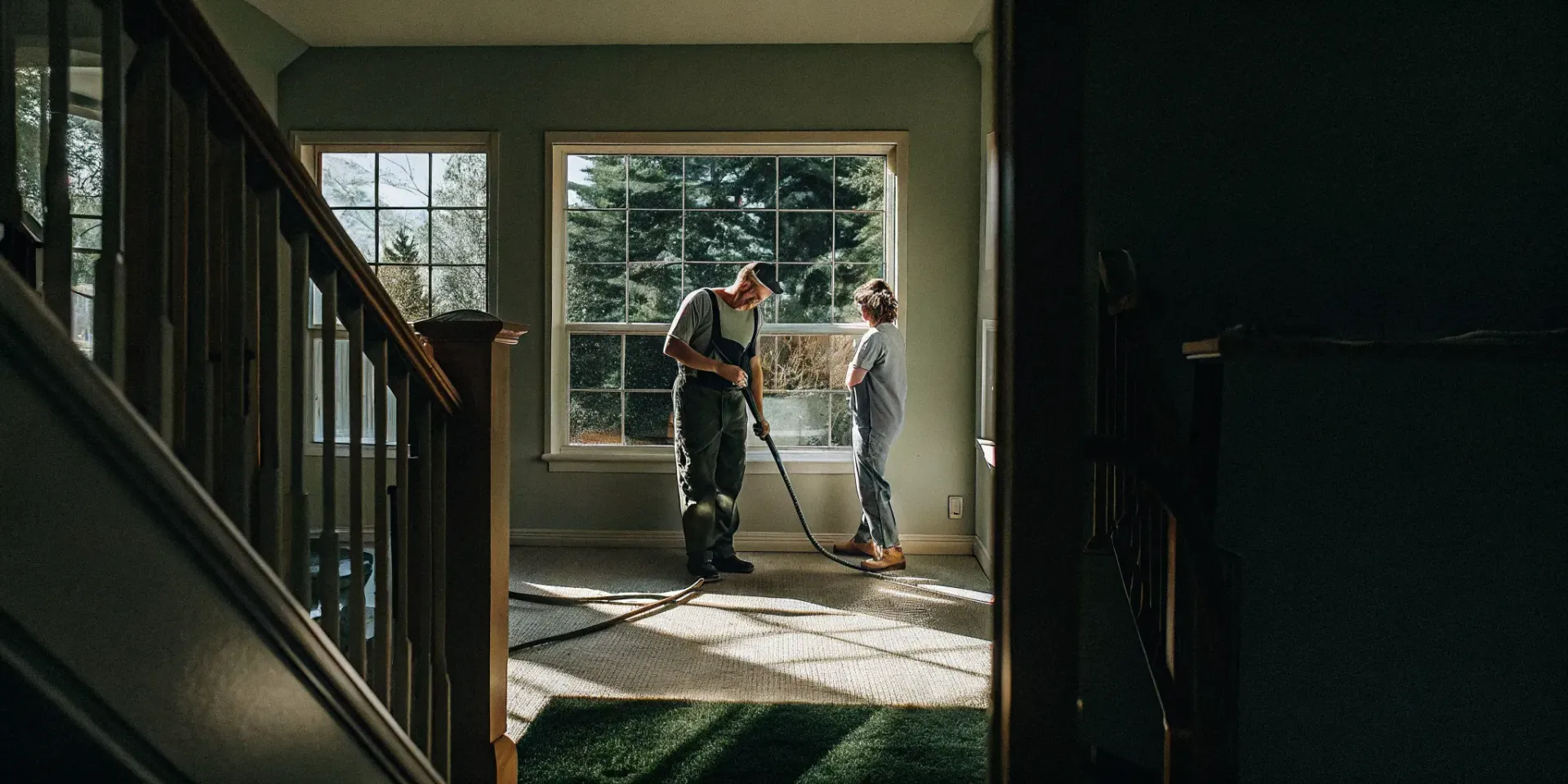
Moving out often means balancing a final inspection, a tight schedule, and the possibility of unexpected cleaning charges. Moving in brings a different concern: whether the carpets are truly ready for your household, pets, or tenants. A professional cleaning can address embedded soil more thoroughly than routine vacuuming and give everyone a clearer starting point.


Requirements still depend on the lease and the property owner. Before scheduling, review the move-out instructions and confirm what documentation or cleaning standard applies. That small step can clarify what your landlord expects and help you decide whether residential carpet cleaning belongs on your moving checklist.

Move In Move Out Carpet Cleaning: What carpet cleaning does a landlord require before returning a security deposit?

Landlord expectations vary, so the lease should guide your move-out cleaning plan. Some agreements require professional carpet cleaning, while others set a cleanliness standard without naming a specific method. Check the lease, move-out checklist, and any written instructions before scheduling service. The University of Illinois recommends reviewing the lease for specific carpet cleaning requirements: housing guidance for renters.

Read the lease before you book

A lease clause may require professional cleaning and a receipt from the service provider. Many landlords request proof of professional cleaning at move-out, so keep the invoice, appointment confirmation, and any completion documentation. If the lease does not require a professional service, thorough cleaning may still be necessary to meet the landlord's inspection standard.

Cleaning before the final inspection can help minimize additional charges. University housing guidance notes that following move-out cleaning instructions helps reduce the possibility of charges for additional cleaning. If a unit is left dirty, a landlord may deduct professional cleaning costs from the security deposit, depending on the lease and applicable rental rules.

Separate normal wear from damage

Normal wear and tear usually describes gradual changes from ordinary use, such as mild flattening in a high-traffic path. Damage or excessive soil is different. Deep stains, heavy soiling, smoke damage, mildew, strong odors, or inadequate cleaning may lead to cleaning or repair charges. The University of Wisconsin move-out guide specifically identifies heavily soiled or stained carpet as a possible source of charges.

A professional cleaning is not a guarantee that every charge disappears. It gives the carpet a more complete, documented cleaning before inspection and addresses ordinary soil that can make a rental appear neglected. Photograph the carpet after belongings are removed and save your receipt. Ask the landlord which condition standard applies if the lease language is unclear.

"Broom clean" is not always professionally cleaned

"Broom clean" generally means the space is free of personal property, trash, and obvious loose debris. It does not necessarily mean carpet fibers have received a professional deep cleaning. Vacuuming is a useful final step, but it may not address embedded soil or heavy traffic marks. For a fuller move-out plan, review Tubro's residential carpet cleaning service.

Key takeaway: Check the lease first, arrange professional cleaning when required, retain the receipt, and address visible soil before the final inspection to reduce avoidable deposit deductions.

How professional carpet cleaning helps renters get their full deposit back

Carpet cleaning is a common requirement for receiving a full security deposit, especially when flooring shows heavy soil, odors, or visible wear. A professional move-out service gives you a documented, thorough clean before the final inspection, while helping preserve the condition and value of the rental property.

Professional extraction reaches deeper than rental machines

Rental machines can be difficult to use consistently across an entire home. They may also leave too much moisture behind when the equipment is not calibrated or handled correctly. Tubro uses truck-mounted hot water extraction and commercial-grade equipment to provide a deeper clean than typical rental machines. High-temperature water helps break down embedded soil, while strong extraction removes more of the moisture and loosened debris.

This matters in high-traffic areas where carpet can look noticeably worn before the rest of the room. A thorough professional clean is also different from general vacuuming or surface maintenance. It addresses the deeper soil that routine cleaning may not reach. Research from the EPA explains that deep cleaning can remove pollutants and soil regular vacuuming cannot catch: EPA carpet guidance.

Documentation and confidence before the inspection

Some landlords require a professional cleaning receipt when a tenant moves out. Scheduling service before the inspection gives you a clear record of the work and reduces the risk of a landlord arranging cleaning and deducting the cost from your deposit. Check your lease first, since requirements vary by property and housing provider.

Tubro is IICRC-certified and has served local customers since 2010. Quick-Dry technology typically allows carpets to dry within 6-12 hours, which helps when keys, movers, or a new tenant are scheduled soon. If the result does not meet expectations, Tubro's free re-cleaning guarantee provides an additional layer of confidence before you hand over the property.


Summary: Professional hot water extraction reaches deeper than many rental machines, supports required cleaning documentation. And gives renters a stronger path toward a clean final inspection and full deposit recovery.
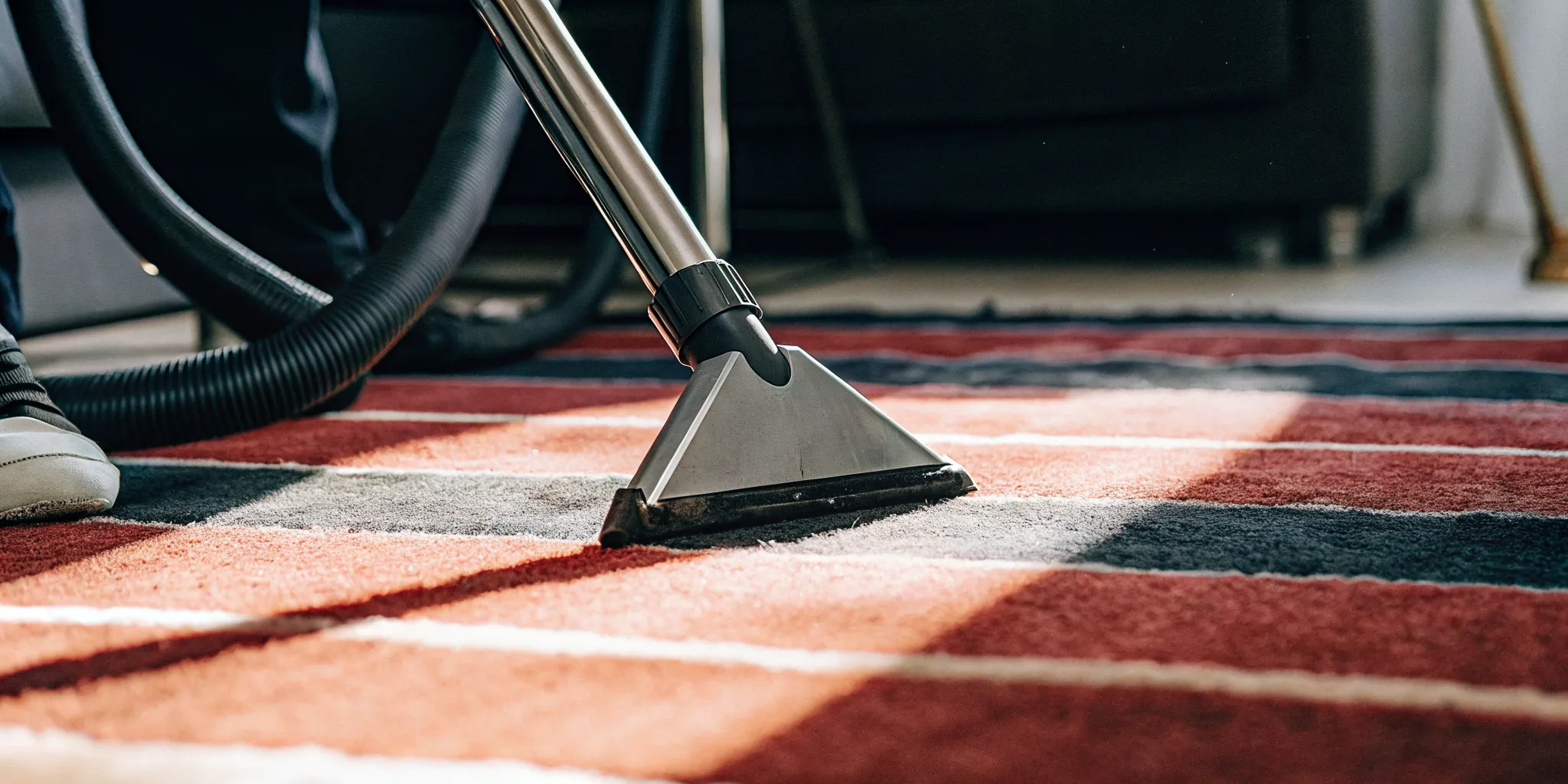
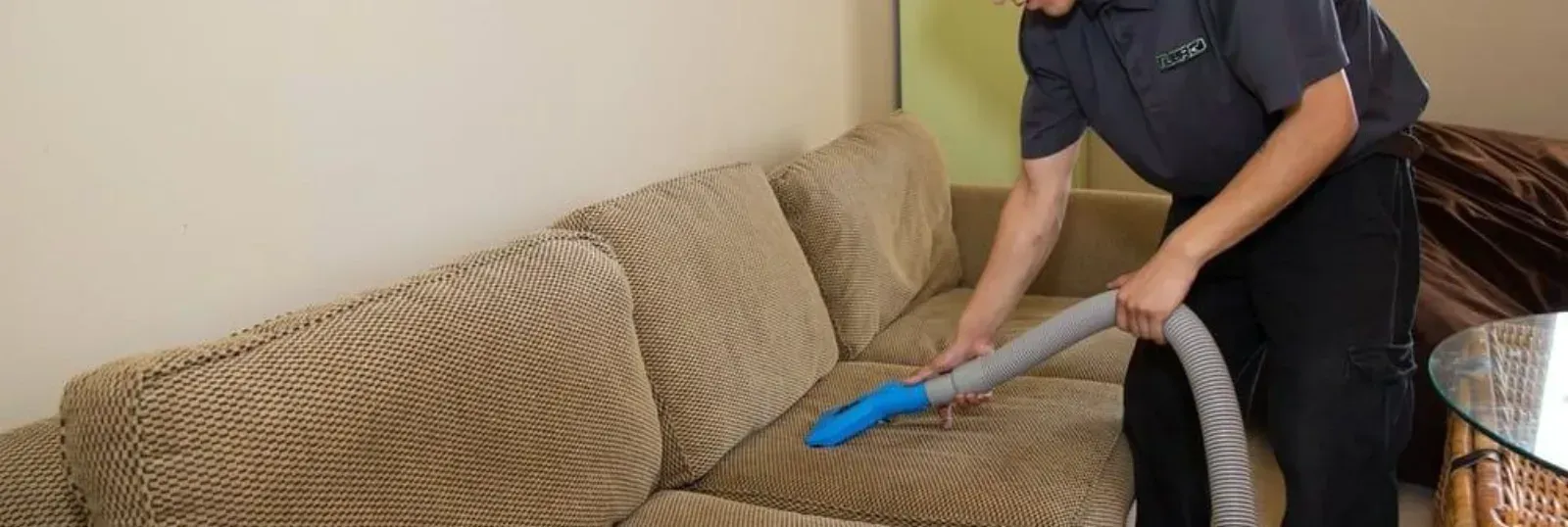
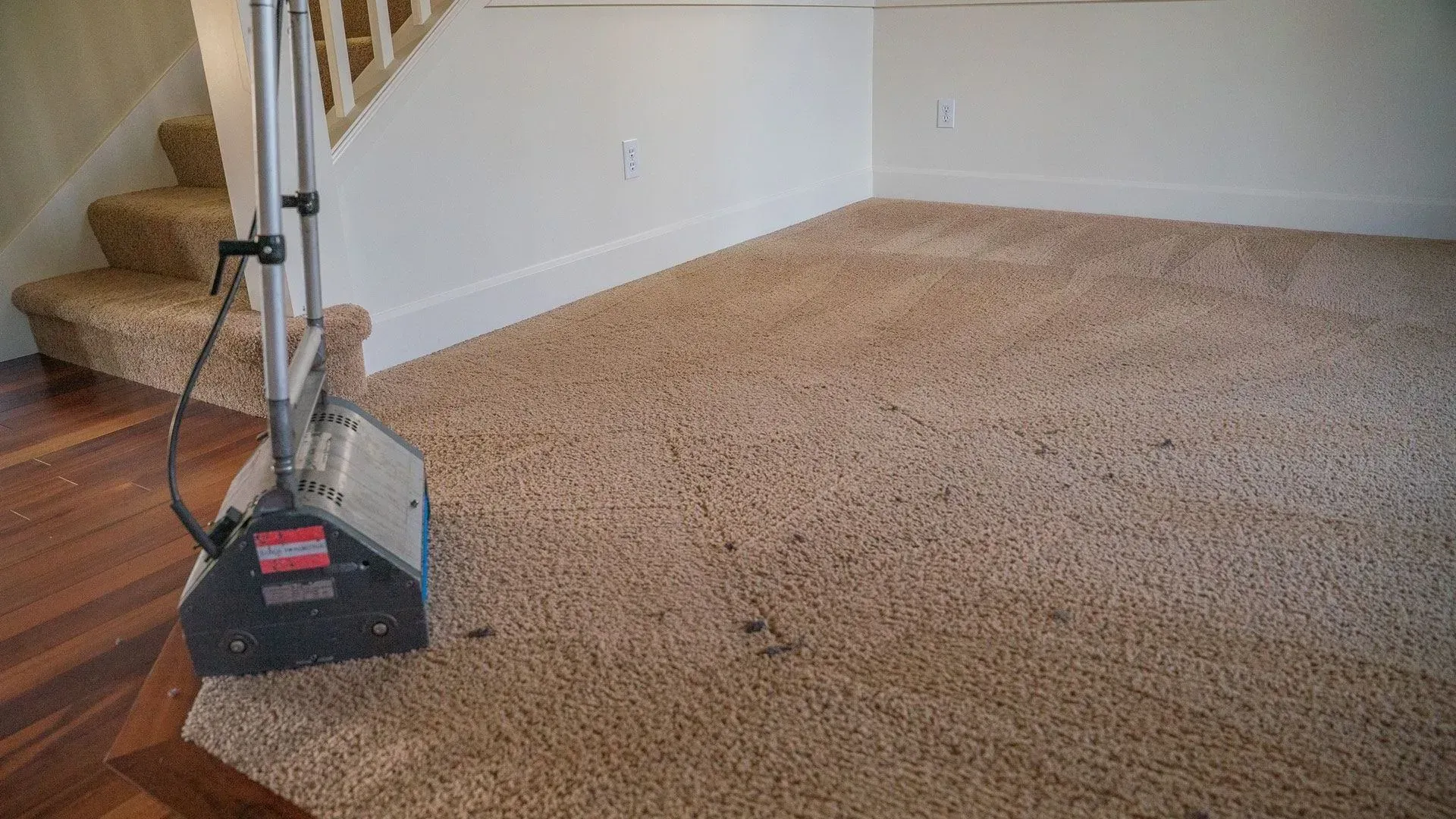
Professional steam cleaning wand removing embedded dirt from residential carpet fibers during a deep extraction process

Move-in carpet cleaning: what property managers should request

Property managers need more than a quick visual reset between tenants. Standard turnover cleaning may address surfaces and floors. Professional carpet cleaning reaches soil and pollutants that regular vacuuming cannot capture. The EPA identifies vacuuming as the most important routine carpet-maintenance step, but deep cleaning remains important when a unit has had heavy use.

Request a documented, consistent cleaning process

Ask the cleaning provider to inspect the carpet before work begins. They should identify high-traffic areas and note visible wear or conditions that may need separate attention. High-traffic paths show dirt and wear first. Treating every room exactly the same can leave the areas that shape a first impression looking tired. A consistent inspection also gives property teams a clearer record when comparing move-in and move-out conditions.

Professional cleaning supports long-term asset care as well as presentation. The EPA notes that carpet acts as a filter, trapping allergens and dust that might otherwise circulate in the air. Deep cleaning helps remove pollutants regular vacuuming does not reach, while routine professional service can extend carpet life. That matters when a property has frequent turnover and replacement costs can accumulate.

Prioritize drying time and tenant safety

Turnover schedules rarely leave room for a wet carpet to delay the next move-in. Tubro Carpet Cleaning uses hot water extraction with Quick-Dry technology, designed for approximately 6 to 12 hours of drying time. Confirm the expected completion and drying window before scheduling so leasing staff can coordinate access and handoff.

Products should also be appropriate for occupied homes. Tubro uses non-toxic, eco-friendly products that are safe for children and pets, helping property managers provide a more tenant-friendly reset. For multi-unit buildings, commercial carpet cleaning can support a repeatable service plan across apartments, common areas, and other managed spaces.

Summary: A dependable turnover clean should remove embedded soil and allergens, protect carpet life, and leave the unit ready for the next tenant without creating unnecessary delays.

How to book move-in/move-out carpet cleaning on a tight turnaround

Summary: Book one to two weeks ahead when possible, prepare the apartment before the appointment, and ask about same-week openings if your move is close.

Moving dates rarely leave much room for delay. If you are a renter facing a final inspection or a landlord preparing a unit, start scheduling as soon as you know the turnover date. One to two weeks ahead gives you more flexibility, but same-week availability may be possible when the schedule allows. Contact us to schedule and share your deadline, apartment size, and preferred appointment window.

Starting early matters because a complete apartment cleaning can take significant time. Residents surveyed in a University of Wisconsin move-out guide estimated that thorough apartment cleaning took about 20 hours, so waiting until the final day can create unnecessary pressure. The guide recommends starting early, especially when cleaning must happen alongside packing, inspections, and key return.

Prepare the space before the crew arrives

  1. Remove all furniture, boxes, clothing, and personal belongings from carpeted areas.
  2. Make sure the team can reach every room, hallway, closet, and stairway that needs cleaning.
  3. Tell the scheduler about access instructions, parking limits, elevators, or building entry requirements.

Removing belongings first allows faster, more thorough work. It also helps prevent missed areas during a move-out appointment. If you are comparing professional service with rental equipment, review our guide to professional carpet cleaning before choosing an approach.

Plan for drying time

Tubro's Quick-Dry technology is designed to dry carpets in approximately 6 to 12 hours. That can support a next-day move-in or inspection, but carpets still need adequate airflow and time. Schedule cleaning early in the day when possible, and avoid placing furniture or belongings back until the carpet is fully dry.

Landlord and renter shaking hands in front of a clean apartment with freshly cleaned carpets and moving boxes

Pricing and what to expect for a move-out cleaning in South King County

Tubro Carpet Cleaning keeps move-out pricing straightforward, so renters, landlords, and property managers can plan without guessing. Cleaning up to five rooms or areas costs $259. Each additional room is $45, and the minimum charge is $189 for one room. There are no hidden fees added after the work is completed.

Before cleaning begins, the technician completes a walkthrough inspection. This confirms the areas included, identifies traffic lanes or visible soil, and helps set clear expectations for the results. The team then applies an eco-friendly pre-treatment, uses hot water extraction, and supports proper drying before the space is turned over.

What the service includes

  • Walkthrough inspection and clear scope of work
  • Eco-friendly pre-treatment for carpet soil
  • Professional hot water extraction
  • Drying guidance for the home or rental unit
  • A free re-cleaning satisfaction guarantee if you are not satisfied

Moisture control matters during any carpet cleaning service. Excess water can contribute to mold or mildew concerns, so the process should avoid over-wetting the carpet. The EPA notes that proper ventilation helps carpets dry faster. Tubro also uses Quick-Dry technology, with typical drying times of 6 to 12 hours under normal airflow.

Summary: South King County move-out cleaning starts at $189, with clear room-based pricing and no hidden fees. Tubro's inspection, eco-friendly pre-treatment, hot water extraction, drying support, and free re-cleaning guarantee make the process easier to plan.

Frequently Asked Questions

Is move-out carpet cleaning required by landlords?

It depends on your lease and the housing provider's standards. Check the lease before scheduling, because requirements vary. Some landlords also request a professional cleaning receipt at the final inspection. Source: University of Illinois Housing.

Does carpet cleaning help get my security deposit back?

Professional cleaning can help you meet move-out standards and reduce the risk of cleaning charges when carpets are heavily soiled. It cannot guarantee a full deposit refund, because deductions may also reflect damage, unpaid rent, or lease violations. Source: University of Wisconsin Housing.

What should a move-out carpet cleaning include?

A thorough service should address the carpet throughout the unit, with attention to high-traffic areas and visible soil. The process should include an inspection, appropriate preparation, professional extraction, and a drying plan. Remove furniture and personal belongings first so the team can clean more completely.

How far in advance should I schedule move-in or move-out cleaning?

Schedule as early as you can, especially when your cleaning must happen before an inspection or a new tenant's arrival. University of Wisconsin Housing notes that thorough apartment cleaning can take about 20 hours, so waiting until the last day creates avoidable pressure. Quick-Dry service can support tighter timelines, with typical drying in 6 to 12 hours.

What is the difference between move-in and move-out carpet cleaning?

Move-out cleaning focuses on leaving the rental ready for inspection and the next occupant. Move-in cleaning gives a new renter or owner a fresh starting point by removing remaining soil and settled allergens from the previous occupancy. The cleaning approach can be similar, but the timing and goal differ.

Ready to Schedule Your Move-In or Move-Out Cleaning?

A professionally cleaned carpet can help create a fresh start or support a smoother move-out handoff. Tubro Carpet Cleaning serves renters, landlords, and property managers with a clear, practical process. Call (253) 499-1028 to schedule your move-in or move-out carpet cleaning.

<:nl:>

By Ryota Nishino July 21, 2026
Walking across damp carpets hours after a professional service can feel highly frustrating. Most homeowners want their floors back to normal as quickly as possible. Professional hot water extraction typically requires several hours to dry, but the exact window depends on multiple indoor conditions. Schedule your Maple Valley carpet cleaning today and get back to dry floors faster. On average, how long does carpet take to dry after cleaning ranges from 6 to 12 hours when using professional equipment. Standard industry cleanings can take 24 to 48 hours, but advanced extraction methods significantly reduce this waiting period. The total drying time depends heavily on your home humidity, air circulation, carpet fiber thickness, and the outdoor climate. Using truck-mounted extraction units pulls more moisture from deep within the fibers, allowing a much faster recovery. While you can walk on the carpet immediately with clean feet, leaving it to dry fully prevents fibers from matting or tracking fresh dirt. You can learn more about our process by visiting our pillar page on Residential Carpet Cleaning: What Every South King County Homeowner Should Know . While a half-day wait is typical, understanding the specific factors of your clean helps you plan your day. Our next section details the standard timeframe and how the cleaning method impacts your results. How Long Does Carpet Take to Dry After Cleaning: Hot Water Extraction Time Extractable Summary: Professional hot water extraction typically dries carpets in 6 to 12 hours. How long carpet takes to dry after cleaning depends on the method. Tubro Carpet Cleaning uses truck-mounted tools to hit the faster end of this range. Drying Times for Steam Cleaning Many homeowners want to know carpet drying time after cleaning before they book a visit. Hot water extraction, or steam cleaning, is the most common deep cleaning method. On average, this method takes about 6 to 24 hours to dry. You can read more about this in our guide on Residential Carpet Cleaning: What Every South King County Homeowner Should Know . While some standard jobs take a full day, Tubro uses quick-dry tools to get carpets dry in just 6 to 12 hours. This is much faster than the old industry standard of 24 to 48 hours. This fast dry time prevents issues like mold and keeps your home usable. Comparing Drying Times by Cleaning Method Different cleaning methods use different amounts of water, which changes how long carpet takes to dry after cleaning. For a three-room home, steam cleaning can use 15 to 20 gallons of water. Other methods use less water but do not clean as deep. Cleaning MethodTypical Drying TimeWater UsageHot Water Extraction (Steam Cleaning).6 - 12 hours (Tubro) / 6 - 24 hours (standard).15 - 20 gallons.Very Low Moisture (VLM).2 - 4 hours.2 - 3 gallons.Bonnet Cleaning.2 - 4 hours.Moderate.Encapsulation.1 - 2 hours.Low.Carpet Shampooing.6 - 10 hours.High.Dry Compound Cleaning.20 min - 1 hour.Minimal. Tubro uses high-powered extraction to give you the deep clean of steam cleaning with the fast dry times of low moisture methods. Why Extraction Power Matters The main key to fast drying is how much water the machine can pull out of the carpet. Standard rental units lack the power to lift heavy water. This leaves the backing damp for too long. Professional truck-mounted systems have strong pumps and vacuum blowers. They pull out almost all the wet solution, so your fibers dry fast and stay clean. This strong extraction keeps water from soaking deep into the pad underneath. Factors That Affect Drying Time: Humidity, Carpet Thickness, and Airflow How long does carpet take to dry after cleaning? The answer depends on your home environment and the equipment used. While professional hot water extraction is the best way to clean fibers, the moisture left behind must escape. Understanding the four main factors that control this drying window helps you prepare your home and get fast results. Every home has a unique climate that dictates the speed of water evaporation. Homeowners can influence some of these factors, like airflow, while others, like local weather, require planning. Professional cleaners use high-powered systems to address these variables during the service. Air Humidity and Regional Weather Air moisture plays a major role in how fast your floors dry. In areas with high humidity, like the Pacific Northwest, the air is often full of water vapor. This damp air has less room to hold more moisture, which slows down evaporation. Drier climates allow water to lift from the carpet fibers much faster. Local weather conditions mean you must adjust how you ventilate your home after a visit. Carpet Fiber Type and Thickness The type of carpet you have impacts how it holds water. Thick carpets with dense piles have more surface area and trap more moisture. Nylon and wool carpets have high wicking properties, meaning they hold onto water tightly. In contrast, polyester and olefin carpets dry much faster because they absorb very little water. Thick padding beneath the fibers also acts like a sponge, requiring deep extraction to prevent bottom-up dampness. Airflow and Room Ventilation Moving air is the key to fast drying. Stagnant air allows a layer of wet, heavy air to sit right above the carpet. This wet layer stops further evaporation. Running ceiling fans, turning on the HVAC fan, or opening windows creates air movement. This constant breeze carries the damp air away and replaces it with dry air. Moving air can cut how long carpet takes to dry in half. Extraction Quality and Equipment Power The final factor is the power of the cleaning machine itself. Truck-mounted systems use strong vacuums that extract the vast majority of the water. High-water extraction is highly effective, but it requires top-tier tools to remove the solution. For example, a three-room cleaning job can use 15 to 20 gallons of water. Heavy truck-mounted machines pull almost all of this out. Rental units or small portable tools lack this vacuum power. They leave carpets wet for 24 hours or longer, which increases mold risks. Choosing a professional team with high-power equipment is the best way to keep your drying time short. Expert technicians use optimized water levels and industrial vacuums to dry floors in hours rather than days. Extractable Summary: Drying times depend on room humidity, fiber thickness, airflow, and vacuum power. Truck-mounted extraction removes the most water from deep fibers for faster results. How Pacific Northwest Weather Affects Carpet Drying in Summer vs. Winter Pacific Northwest weather plays a major role in how long carpet takes to dry after cleaning. High outdoor humidity in Washington means drying times can vary depending on the season. To get your carpets back to normal quickly, you must adjust your drying plan based on the local weather. Extractable Summary: Pacific Northwest humidity changes carpet drying times between summer and winter months. Adjust your drying strategy based on the season. The Fast Dry Times of Summer Summer is the best season for fast drying in local homes. From June through August, outdoor humidity drops and warm air helps pull water from carpet fibers. During these dry months, you can open windows to let fresh breezes flow through your rooms. This natural airflow speeds up the process so you can walk on your floors much sooner. Many homeowners enjoy a typical carpet drying time of just six to twelve hours on warm summer days. Winter Drying Challenges Winter brings cold, rainy days that keep damp air trapped inside. Since you cannot open your windows during a cold Washington storm, moisture stays in the room much longer. Homeowners must rely on indoor heating and fans to move the damp air. Without proper heat and airflow, wet carpets can take up to twenty-four hours or more to dry. Cold air holds less moisture, so keeping your thermostat set to a warm temperature helps the water evaporate from the fibers. Seasonal Tips for Washington Homeowners To keep dry times short all year, use these simple tips based on the season: Summer tip: Open opposite windows to create a cross-breeze across wet rooms. Winter tip: Turn your home heating system up to seventy degrees to help water evaporate. Year-round tip: Run ceiling fans and portable floor fans to keep air moving. Content continues with tips for speeding up drying, quick-dry technology, FAQ, and CTA. What You Can Do to Speed Drying After Your Cleaning Appointment You can take simple steps to lower how long carpet takes to dry after cleaning. Good planning helps air move and clears dampness from your rooms. By using your home systems and household items, you can help your floors dry fast and safe. Our team sets up a solid start with high-powered extraction fans and optimized water usage during each job. But your actions at home keep this process moving after we leave. Follow these clear steps to get the best and fastest results for your clean floors. Simple Airflow and Climate Steps Turn on ceiling fans: Keep your ceiling fans running on high speed. Make sure they spin in a counterclockwise direction to push air down onto the wet floor fibers. Use portable floor fans: Set up small household fans in rooms with wet carpets. Point them down toward the damp areas to create constant air movement across the surface. This helps water lift away quickly. Open your windows when the weather is dry: If the outdoor air is warm and dry, open your windows a few inches. This lets fresh air enter and carries moist air out of your home. Do not open windows on rainy or highly damp days. Run your heating or cooling system: Set your HVAC system to a steady temperature. In cold months, turn your heat up to 70 degrees. In warm months, run your air conditioning. Both systems help pull moisture out of the air. Set up a dehumidifier: Place a portable dehumidifier in areas with slow airflow or high moisture. This device catches water from the air and keeps the room dry. It is very helpful in deep basements or closed rooms. Avoid moving heavy furniture back too soon: Keep your furniture off the damp carpet until it is fully dry. Metal or wood legs can stain wet fibers or rust. Leave protective pads under legs if you must place items back early. Walk only on the edges and keep off the main areas: Try to stay off the wet carpet as much as you can. If you must walk on it, wear clean socks and step only on the dry edges. Keep children and pets off the floors until they dry. Helpful Local Resources for Homeowners Taking care of your home floors is easier when you have the right local facts. For more tips on keeping your space clean and dry, read our guide on Residential Carpet Cleaning: What Every South King County Homeowner Should Know . Using these step-by-step methods keeps your home safe and ensures your clean carpet looks great for a long time. Why Quick-Dry Technology Matters for Busy Households Managing a busy home is a daily balancing act. When you schedule carpet care, you do not want to wait days for your floors to dry. Traditional carpet wash methods can leave fibers wet for 24 to 48 hours. Which shuts down key parts of your home and forces you to move your daily life around wet floors. Knowing how long does carpet take to dry after cleaning helps you plan. But choosing a service with advanced drying tools is the best way to avoid home stress. Call (253) 499-1028 today and experience a faster dry time with Tubro's professional cleaning. Extractable Summary: Tubro's quick-dry system dries carpets in 6 to 12 hours, well under the 24 to 48 hour standard. This keeps your home safe and fully usable. Less Disruption for Kids and Pets In a home with kids and pets, closed-off rooms cause major stress. Keep in mind that wet carpets are not just hard to walk on, but they also attract new dirt. Damp fibers act like a magnet for muddy paws and dirty socks, which can ruin your fresh clean. Tubro uses eco-friendly products safe for children and pets to ensure your family stays healthy. Our quick-dry tools cut drying times down to 6 to 12 hours, which means your family can get back to their normal routine on the very same day. A Safer Home Free of Mold When carpets stay damp for too long, they create a perfect spot for mold and mildew to grow. This risk is very high in areas with thick padding or deep carpet fibers. If moisture stays in your floors for 24 to 48 hours, spores can start to grow in the backing. According to the Environmental Protection Agency , mold can begin to grow on wet indoor surfaces in just 24 to 48 hours. By using high-powered truck-mounted water extraction, our team pulls most of the water out of the fibers to stop mold before it can ever start. Faster Setup for Heavy Foot Traffic A busy home has areas that see constant use, such as hallways and living rooms. Blocking these spaces for two full days is not practical for most families. You also have to wait to put your heavy furniture back in place, which keeps your home in a messy state. Fast drying times mean you can set up your rooms and walk on your floors again without delay. If you want to restore your floors with minimal stress, you can count on our team to provide top results with professional carpet cleaning services that fit your schedule. Frequently Asked Questions How long does carpet take to dry after professional cleaning? Most carpets dry in six to twelve hours after professional hot water extraction. However, the exact time depends on indoor temperature, airflow, and home humidity levels. Steam cleaning can take up to 24 hours to dry under poor conditions, while very low moisture methods dry in two to four hours. How can I speed up the carpet drying process after cleaning? You can dry your carpet much faster by increasing ventilation and airflow. Turn on your ceiling fans and place portable fans on the floor to blow air across the damp areas. Running your home heater or air conditioning unit also helps lower indoor humidity to pull moisture from the carpet fibers quickly. Is it normal for carpet to still be damp 22 hours after cleaning? Yes, but it is not ideal. While six to twelve hours is the common range, high indoor humidity or thick carpet fibers can cause dampness to last up to 24 hours. If your carpet remains damp after a full day, you should increase the airflow immediately by running fans to prevent mold growth and musty odors. What is the difference in drying time between steam and dry cleaning? Steam cleaning relies on hot water extraction and typically needs six to twelve hours to dry. Very low moisture methods like encapsulation use chemical compounds instead of heavy water to clean. Encapsulation dries in only one to two hours, while dry compound cleaning dries in about 20 minutes to one hour. Ready to Book Your Professional Carpet Cleaning? Damp carpets can disrupt your busy day and keep your family out of your favorite rooms. Waiting too long for carpets to dry can also let mold and mildew start to grow. If you book today, our team can help you get clean, fresh carpets that dry quickly so you can get back to your normal routine without the wait. Ready to get back to a clean home? Call (253) 499-1028 to schedule your professional carpet cleaning appointment.
By Ryota Nishino July 21, 2026
Schedule professional cleaning today. Compare professional carpet cleaning vs renting a machine: costs, dry time, and cleaning power.
Bright living room with furniture moved aside to prepare for professional carpet cleaning
By Ryota Nishino July 21, 2026
Schedule your cleaning with confidence! Learn how to prepare for professional carpet cleaning with this guide from Tubro Carpet Cleaning in WA.