Professional Carpet Cleaning vs Renting a Machine: Worth It?

July 21, 2026

This is a subtitle for your new post
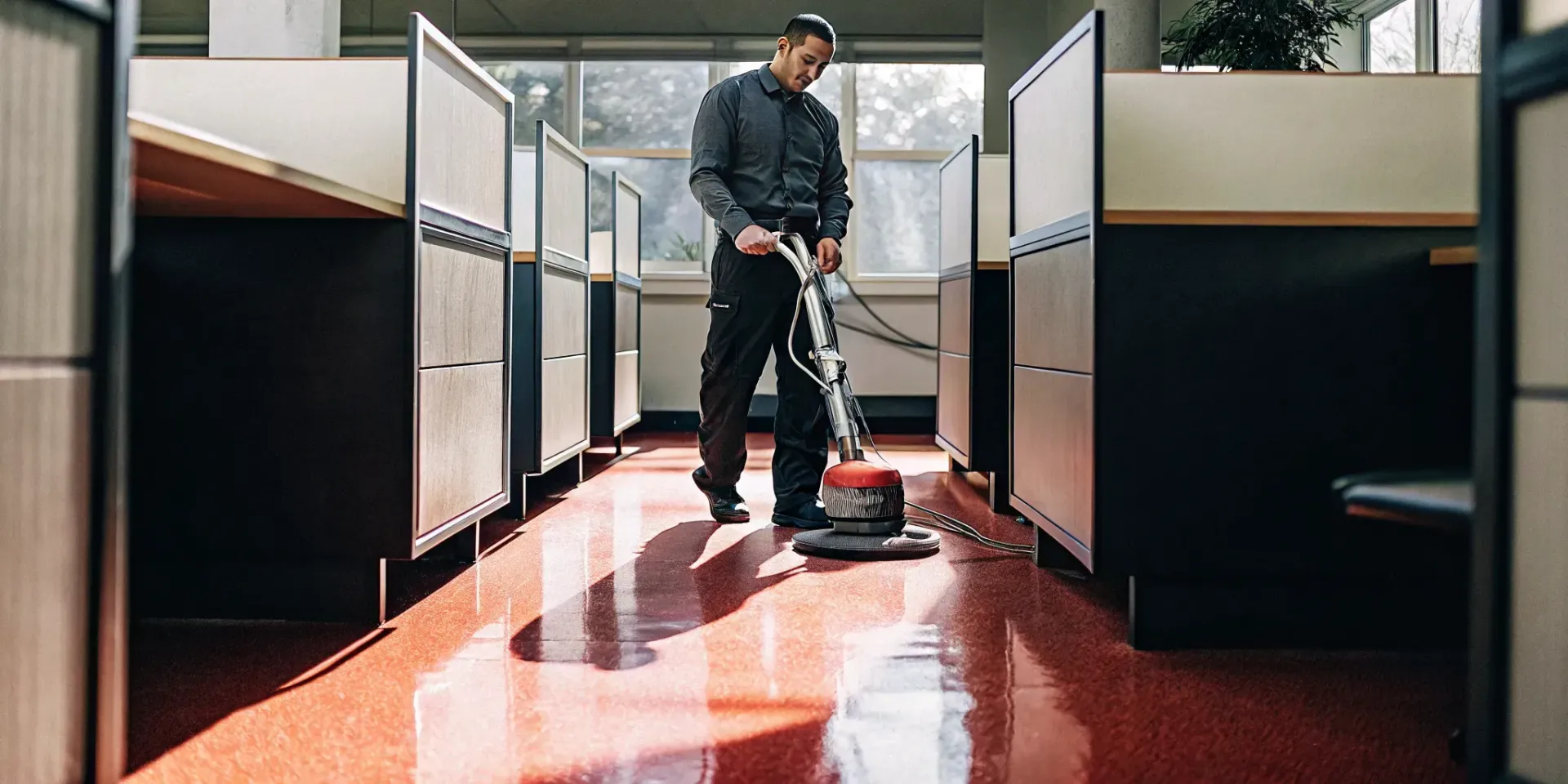
Dirty carpets can make your entire home feel worn down and uncomfortable. Many homeowners try to save money by picking up a rental unit at a local home improvement store. However, these lightweight machines often fall short of expectations, leaving fibers soaked and dirt left behind.

Schedule your Maple Valley carpet cleaning today

When comparing professional carpet cleaning vs renting a machine, the main differences are extraction power, water temperature, and dry times. Tubro Carpet Cleaning uses truck-mounted systems that heat water over 200 degrees and extract deep dirt in hours. Rental units cost about $30 to $50 per day but only clean surface dirt, leaving carpets wet for up to 48 hours. For complete residential carpet care, visit the residential carpet cleaning guide that every South King County homeowner should know.


What does a rental carpet cleaner actually clean vs. a professional system?

The gap between a rental machine and a professional truck-mounted system starts with fundamental engineering. A rental unit only washes the surface of your carpet fibers, while a commercial system reaches deep to clean the entire carpet stack from top to bottom. Tubro truck-mounted equipment delivers measurable differences in every phase of the cleaning process.

Suction power and water heat

Most rental units rely on lukewarm tap water that cools down fast inside the tank. In contrast, professional truck-mounted systems use heavy-duty heaters to reach water temperatures of 200 degrees or more. High heat is vital because it breaks down tough oils, grease, and sticky residues that get trapped in carpet fibers. According to the Carpet and Rug Institute, proper heat and high extraction pressure are key to deep cleaning. Professional systems blast water at 200 PSI or higher, while using powerful truck engines to suck the dirty water back out. Rental vacuums lack this air flow, leaving dirty water behind in the backing and pad.

Agitation and brush technology

To get carpets clean, you must loosen the dirt first. Most rental machines use simple fixed brushes or basic vibratory bars that only scrub the tips of your carpet fibers. Professional teams use advanced Counter Rotating Brush (CRB) machines. These dual brushes spin toward each other to lift the carpet pile, dig deep into the fibers, and pull up hair and grit that has accumulated over months. Without this deep mechanical action, a rental machine cannot loosen packed-in dirt that has settled below the surface.

Where the dirt lives

Gravity pulls dirt, pet dander, and dust down to the base of your carpet. When you use a rental machine, the weak suction cannot pull water from the deep backing. This leaves a pool of dirty water in your floor pad, which can lead to mold and bad odors. If you want a deep clean that reaches the floor pad, you need the power of a truck-mounted professional carpet cleaning system.

Tubro conclusion: Professional truck-mounted cleaning reaches every layer of your carpet from surface fibers through the backing to the pad while rental machines only skim the top. That is the difference between a clean look and a truly clean carpet.

FeatureRental MachineProfessional Truck-MountWater TemperatureTap water temp200 degrees consistent heatWater PressureLow gravity spray200+ PSI deep sprayAgitation MethodFixed or weak brushCounter Rotating BrushesExtraction PowerSmall plug-in motorHigh-airflow truck engineCleaning DepthSurface fibers onlyDeep pile backing and padDrying Time12 to 48 hours6 to 12 hours
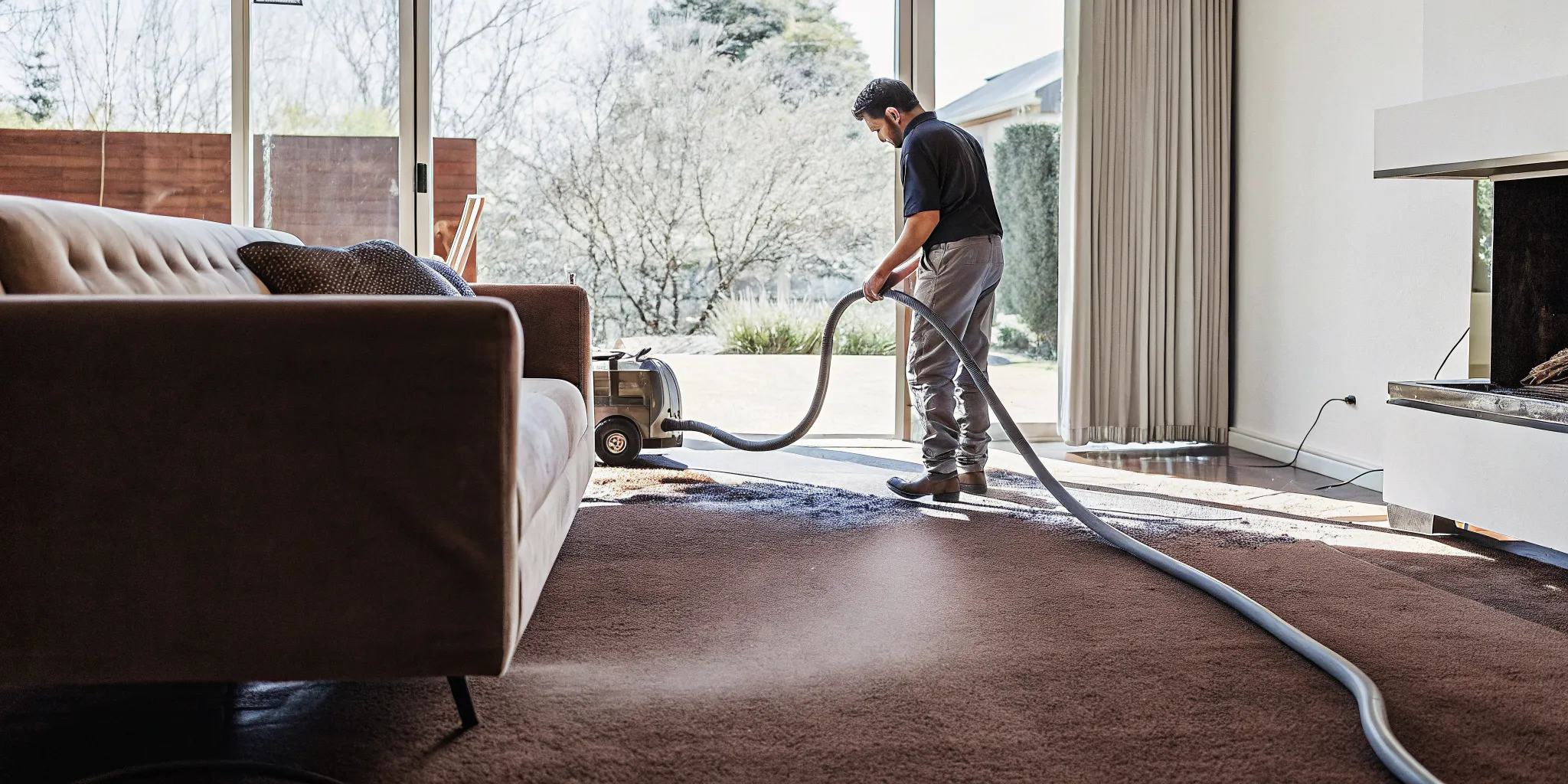
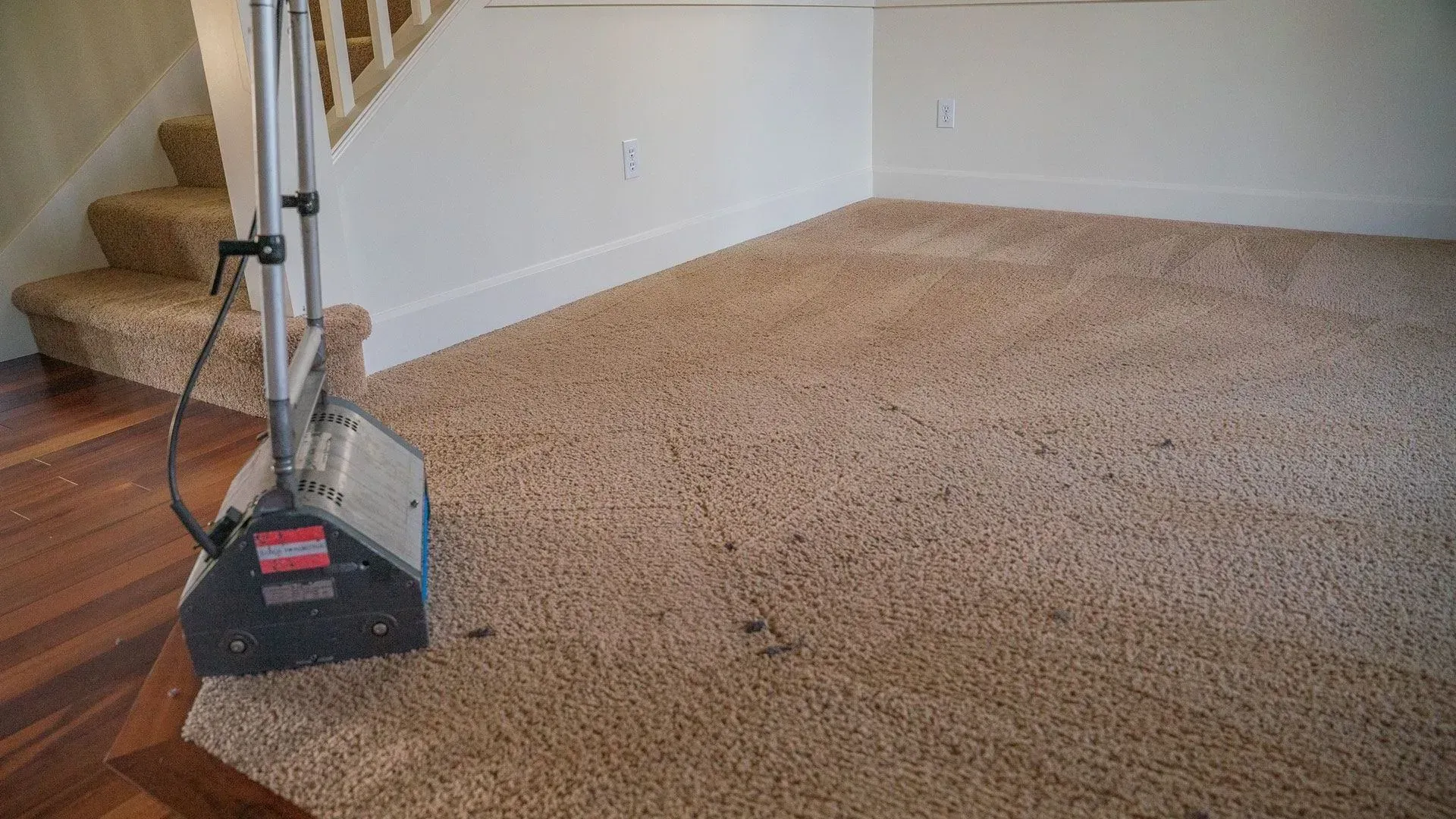
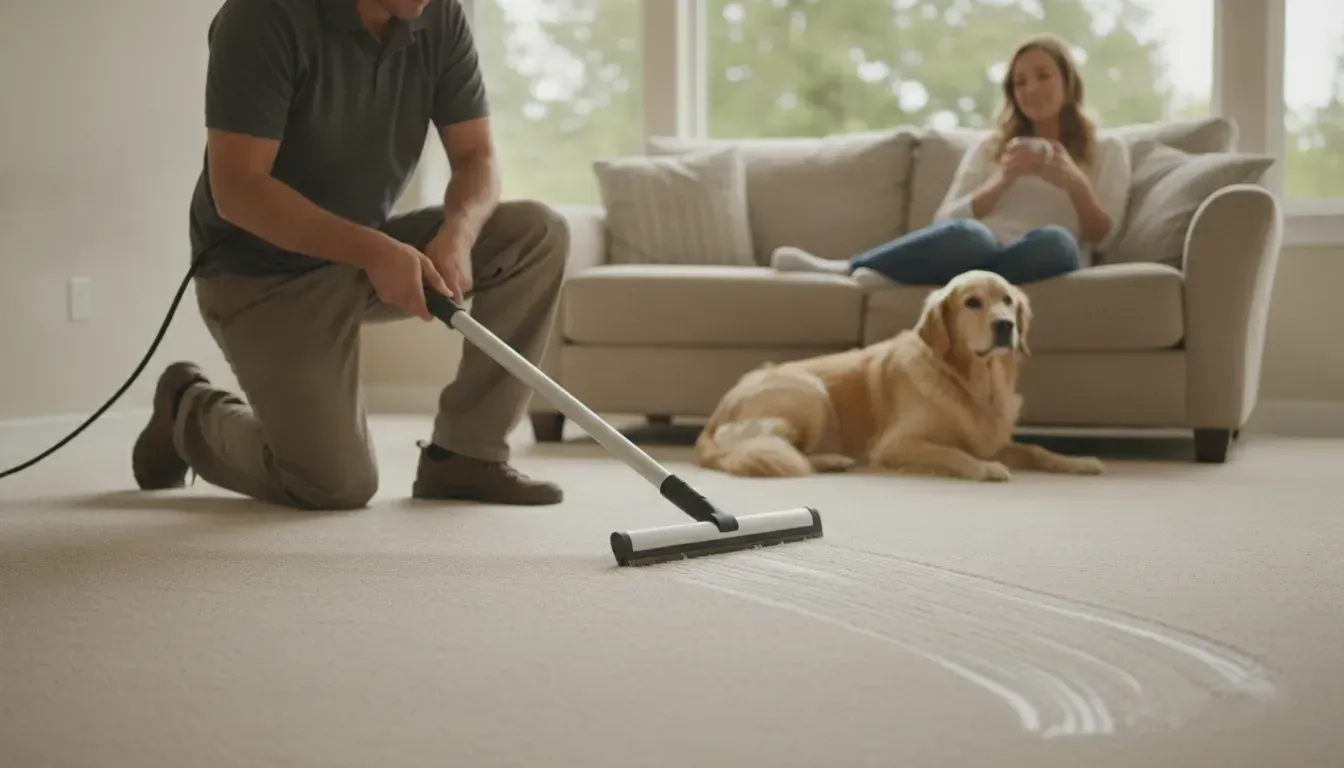
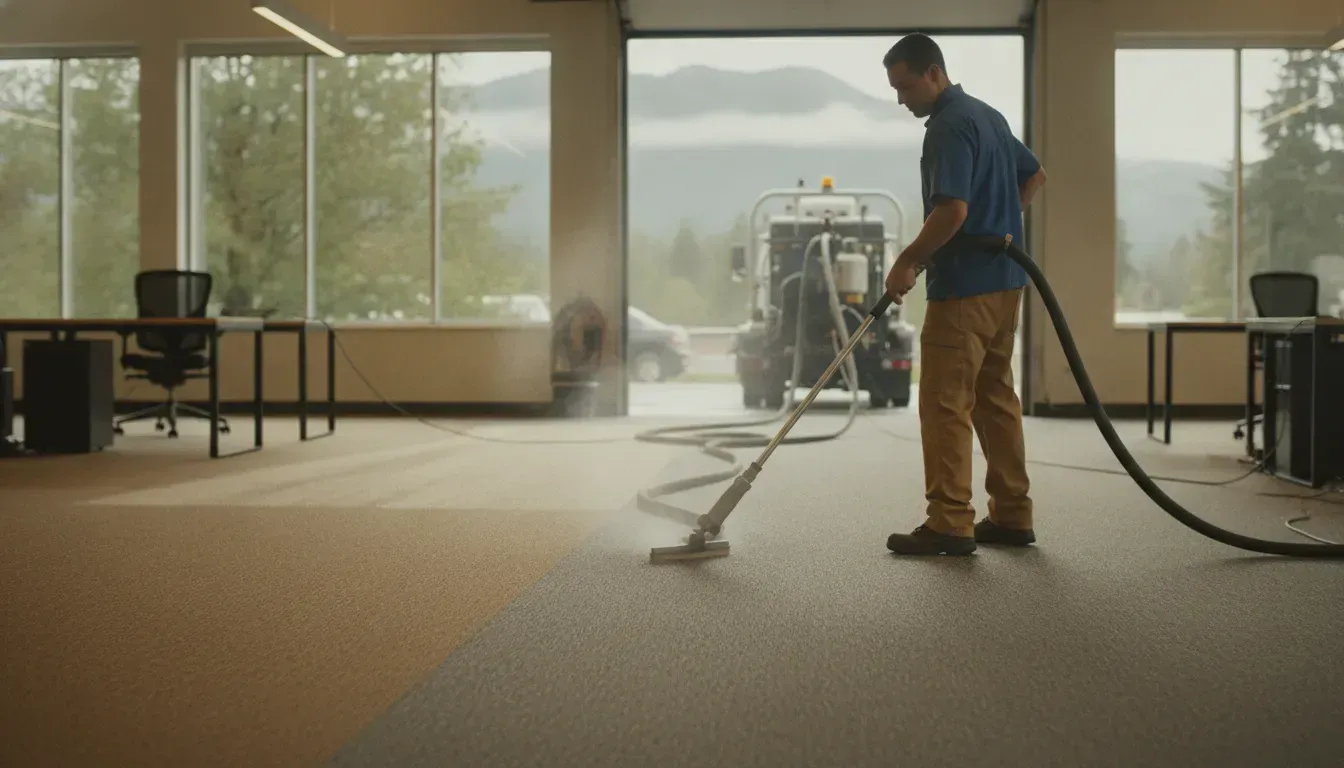
Professional carpet cleaning technician operating a truck-mounted hot water extraction system

The table above shows why professional systems deliver a noticeably deeper clean. The combination of higher heat, greater pressure, and superior extraction means your carpets come out cleaner and dry faster.

Rental machine costs vs. professional carpet cleaning pricing

The low daily rate of a store rental seems like a bargain at first glance. But when you add up the real costs of renting, the gap between doing it yourself and hiring a professional is much smaller than it appears. Tubro Carpet Cleaning offers transparent flat rates that include everything, while rental costs pile up with hidden extras.

The real cost of rental equipment

A basic machine rental costs $30 to $50 per day at most home improvement stores. However, you cannot clean your floors with just the machine. You must buy the specialized cleaning formula to make it work. A standard 60-ounce bottle of carpet cleaning solution costs $18.95 and covers about 1,600 square feet according to Consumer Reports.

If you have pet stains or heavy traffic areas expect to spend $10 to $15 on extra accessories like upholstery attachments or spot treatment sprays. These hidden costs bring your starting DIY total to $55 to $90 for a single day of work.

Hidden costs and carpet damage risks

The upfront price of supplies is not the only expense. Rental machines have weak motors that leave a significant amount of water behind in your carpets. Homeowners often must make multiple passes to extract enough moisture and remove tough dirt. This uses up more cleaning solution and leaves the carpet wet for days. Excess moisture can lead to mold mildew or dry rot in your subfloors. Repairing water damage costs significantly more than any savings from renting.

Tubro transparent professional rates

Tubro Carpet Cleaning offers flat upfront rates with no hidden fees. The 1-room special is $189. The 5-room special is $259. Additional rooms are only $45 each. All equipment cleaning solutions labor and setup are included in the package price. There are no surprise charges after the job is done.

View Tubros full residential pricing and services to see how affordable professional cleaning can be.

Tubro conclusion: Professional carpet cleaning from Tubro costs $189 to $259 for a full home and includes everything equipment solutions labor and insurance. Rental costs reach $55 to $90 per session and still leave you doing the work yourself.

Cost FactorRental MachineTubro ProfessionalEquipment Fee$30 to $50 per dayIncludedCleaning Solutions$18.95 per bottleIncludedAccessories$10 to $15 extraIncludedTotal Out-of-Pocket$55 to $90 per use$189 to $259Your Time3 to 6 hours laborZeroWater Damage RiskHighNone

When you add your own time effort and the cost of potential water damage professional cleaning offers better value for most households.

Dry time comparison: rental machines vs. truck-mounted hot water extraction

How long your carpet stays wet is a key safety issue that many homeowners overlook. The difference in dry times comes down to machine power and water control.

The professional drying speed

Top cleaning teams use truck-mounted extraction systems that heat water to over 200 degrees and deliver it at high pressure. The same system uses powerful vacuum motors to pull almost all the moisture back out of your carpet fibers and padding. This deep extraction helps carpets dry in just 6 to 12 hours.

The rental machine moisture delay

Store rental machines do not have the suction power of a truck-mounted setup. They use cold or warm tap water and leave a large amount of moisture trapped in the carpet backing. Carpets often take 12 to 48 hours to dry fully.

Risks of extended carpet wetness

When carpets stay wet for more than 24 hours you face real damage risks. Excess water can ruin wood floors underneath and cause the carpet backing to separate. It creates a perfect environment for mold and mildew to grow.

Tubro conclusion: Professional truck-mounted cleaning dries carpets in 6 to 12 hours. Rental machines keep carpets wet for up to 48 hours which risks mold growth delamination and subfloor damage.

When renting makes sense and when it falls short

When renting can work

Renting a machine is a solid choice for immediate issues like fresh spills or a quick touch-up between professional visits.

When professional cleaning is the better choice

Renting falls short for whole-home cleaning heavy soil high-traffic hallways or pet stains. Most carpet warranties require professional hot water extraction every 12 to 18 months.

Step-by-step decision guide

  1. Check the size of your space.
  2. Assess the soil level and odors.
  3. Verify your carpet warranty.
  4. Consider your time.
  5. Compare your total cost.
  6. Account for health factors.

What professional cleaning gets out that rentals cannot

Pet urine crystals and odors

Pet urine dries into salt-like crystals deep in your carpet padding. Professional technicians detect these spots using UV light and apply enzymatic treatments that break down the uric acid.

Embedded dirt and traffic patterns

High-traffic areas develop visible soil lines. Professional CRB machines agitate deep into the pile loosening packed-in debris while rental machines lack this power.

Dust mites and allergens

Professional hot water extraction can reduce dust mite allergens by up to 86 percent. Rental machines use lower water temperatures that do not kill dust mites.
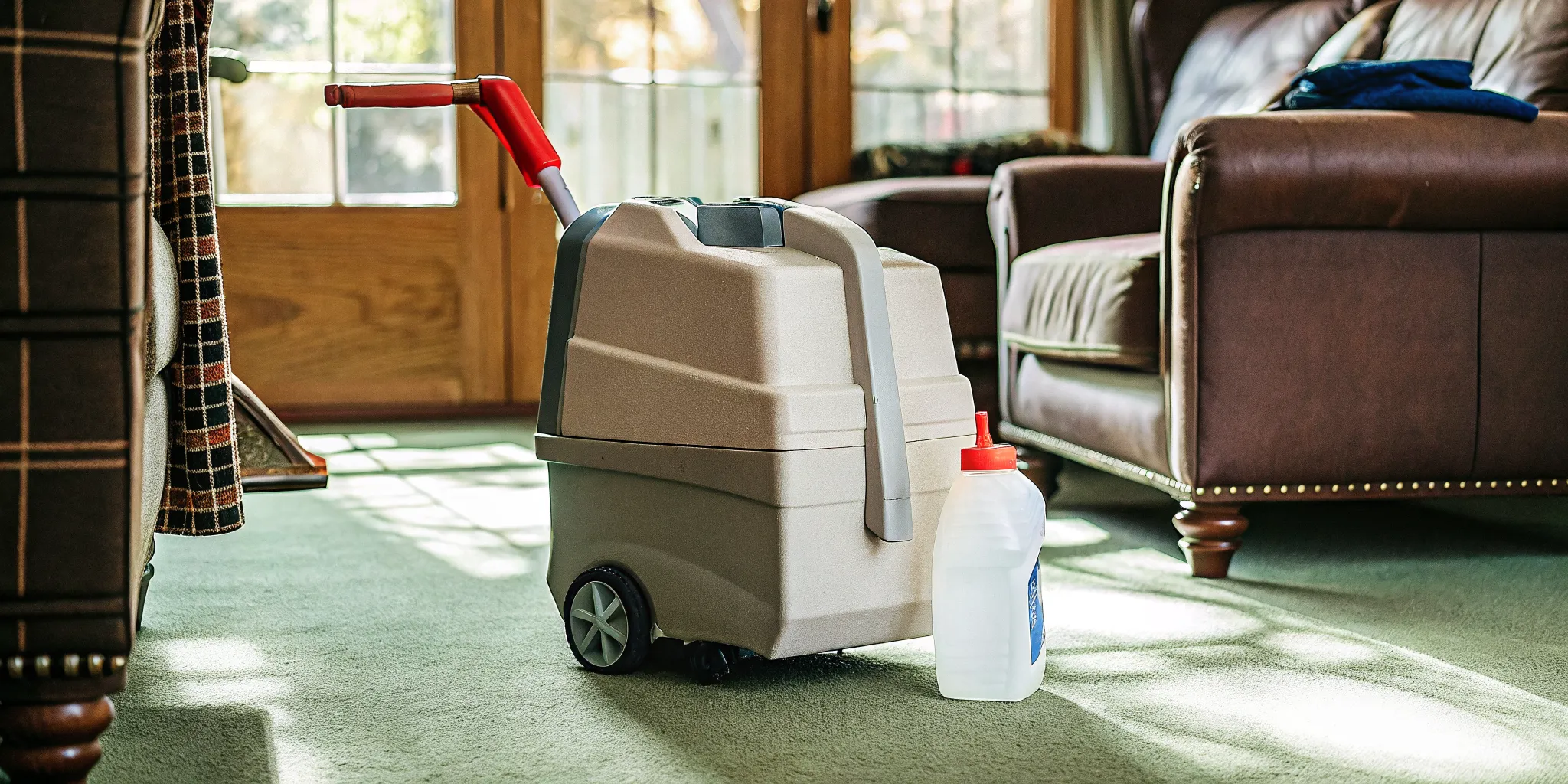
Rental carpet cleaning machine with cleaning solution bottles

Deep-set stains and bacteria

Wine coffee ink and food stains resist low-pressure rental spray. Professional systems use 200 PSI or higher water pressure with commercial-grade spotting agents.

Protecting your carpet warranty

Most manufacturers require professional hot water extraction every 12 to 18 months to keep your warranty valid.


Frequently Asked Questions

Is professional carpet cleaning better than renting a machine?

Yes. Truck-mounted hot water extraction uses water over 200 degrees and high-powered suction to reach deep into carpet fibers and padding.

How much does it cost to rent a carpet cleaner vs professional cleaning?

Renting costs $55 to $90 per use. Professional cleaning from Tubro Carpet Cleaning costs $189 for one room or $259 for five rooms.

How long does professional carpet cleaning take to dry?

6 to 12 hours with professional truck-mounted quick-dry technology.

Can I damage my carpet by renting a machine?

Yes. Over-wetting can cause mold growth carpet backing separation and damage to wood subfloors.

How often should I get professional carpet cleaning?

Every 12 to 18 months to maintain warranty coverage and extend carpet life.

Ready to Restore Your Carpets?

Renting a machine may seem cheaper but weak suction leaves carpets wet for days. Choosing professional deep cleaning protects your home and keeps your carpet warranty active.

Call (253) 499-1028 or book online to schedule professional carpet cleaning

Tubro Carpet Cleaning serves Maple Valley Kent Renton Covington and all of South King County.
Tubro technician assessing exterior windows at a South King County home
By Ryota Nishino • October 19, 2026
Can windows be pressure washed safely? Learn what affects the risk, which surfaces need special care, and when to ask a professional for assessment.
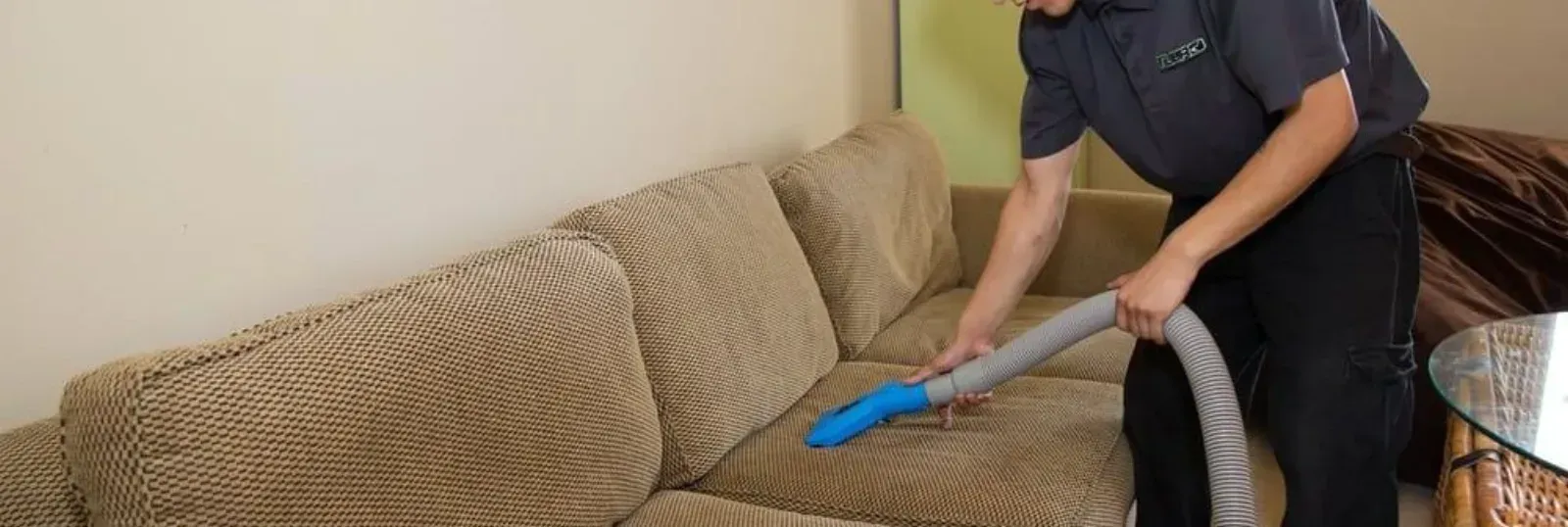
Professional upholstery cleaning technician using an extraction tool on a fabric sofa
By Ryota Nishino • October 17, 2026
Learn how Washington homeowners can choose upholstery cleaning methods, understand fabric needs, and plan service with Tubro Carpet Cleaning.
Professional upholstery cleaning technician using an extraction tool on a fabric sofa
By Ryota Nishino • October 17, 2026
Learn how Washington homeowners can choose upholstery cleaning methods, understand fabric needs, and plan service with Tubro Carpet Cleaning.
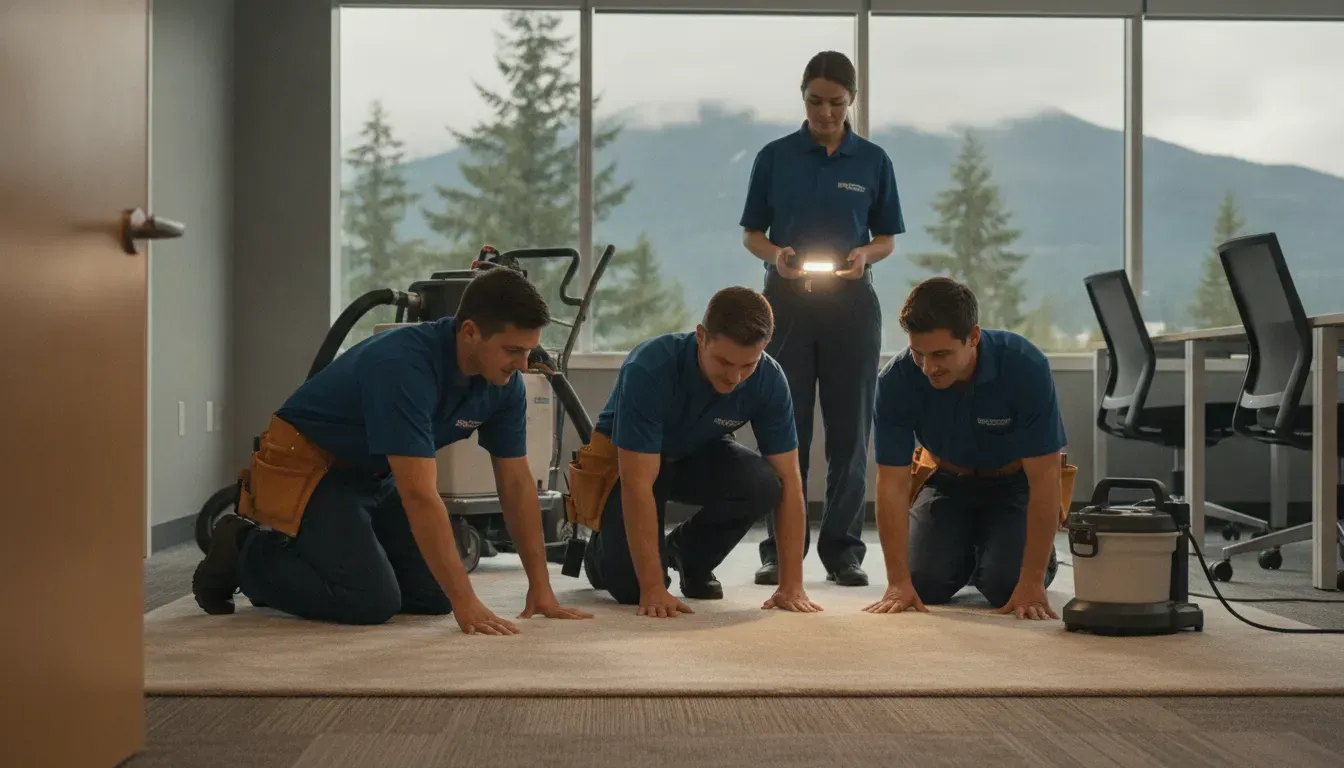
Professional carpet cleaning team inspecting clean commercial carpet
By Ryota Nishino • October 17, 2026
Learn how to choose commercial carpet cleaning company services by comparing credentials, equipment, contracts, scheduling, drying, and pricing.
Professional carpet cleaning team inspecting clean commercial carpet
By Ryota Nishino • October 17, 2026
Learn how to choose commercial carpet cleaning company services by comparing credentials, equipment, contracts, scheduling, drying, and pricing.
Pet-safe carpet cleaning for Covington families in a bright home
By Ryota Nishino • October 16, 2026
Learn how pet-safe carpet cleaning helps Covington families manage pet dander, indoor dirt, odor concerns, and drying time with Tubro's process.
Professional carpet cleaning technician inspecting carpet in a bright home
By Ryota Nishino • October 16, 2026
Learn what IICRC certification means for carpet cleaning, which credentials fit homes and businesses, and what to ask a local provider.
Professional carpet cleaning in a bright Pacific Northwest home
By Ryota Nishino • October 13, 2026
. How long carpets usually take to dry after professional cleaning depends on the carpet, room, and cleaning conditions. Tubro Carpet Cleaning states that its quick-dry process can support a 6 to 12 hour drying time. Actual results vary with carpet construction, moisture, airflow, humidity, and the work performed. Call Tubro at (253) 499-1028 to plan professional carpet cleaning and ask about drying time. This guide explains what changes drying time and how to plan your rooms afterward. It applies to homeowners, landlords, property managers, and businesses across South King County and Pierce County. How Long Carpets Usually Take to Dry After Professional Cleaning After professional hot water extraction, many carpets dry within several hours. Tubro identifies a 6 to 12 hour drying range for its quick-dry process. That range gives homeowners a useful starting point when planning cleaning around work, children, pets, or guests. The common professional cleaning range Drying begins when the technician finishes extracting moisture from the carpet. Carpet may feel cool or slightly damp before it becomes fully dry. Touch alone cannot always show whether moisture remains deeper in the pile or backing. A small room with good airflow may dry sooner than a large room with dense carpet. A heavily soiled area may also need more cleaning work. That can change the amount of moisture left behind. Why the estimate is not a promise A drying estimate describes expected conditions rather than a fixed deadline. Indoor humidity, ventilation, carpet fiber, padding, soil level, and equipment setup all affect the outcome. Ask the technician what to expect for your rooms. This matters when you need to replace furniture, welcome guests, reopen an office, or return a rental to service. Summary: Tubro's stated 6 to 12 hour range is a practical planning estimate. Your carpet may dry sooner or take longer based on the room and cleaning conditions. When you are ready to discuss a service visit, use the Tubro contact page to share your location and timing needs. What Happens During Professional Carpet Cleaning? Professional carpet cleaning uses a planned process that balances soil removal, fiber care, and moisture recovery. Tubro describes hot water extraction, also called steam cleaning, as its primary carpet-cleaning method. Hot water extraction and moisture recovery Hot water extraction applies cleaning solution and water, then removes the mixture with powerful vacuum equipment. The extraction stage is important because it removes suspended soil and much of the moisture used during cleaning. Truck-mounted equipment can support strong extraction at the property. The result still depends on carpet construction, access, technician setup, and the amount of cleaning required. The final inspection and drying plan A responsible visit includes a review of the cleaned areas and the expected next steps. Ask which rooms were cleaned and when they can return to normal use. An IICRC-certified textile cleaning professional can also explain care considerations for the carpet type. Manufacturer guidance should remain part of the planning process, especially for newer carpet or warranty-covered flooring. Review Tubro residential carpet cleaning to learn more about the company's local service approach. Summary: Extraction quality affects drying because the process removes moisture from the carpet. Equipment, carpet condition, and a clear final inspection all help set realistic expectations. Which Factors Affect Carpet Drying Time? Several conditions can make carpet dry faster or slower. Understanding them helps you plan service without relying on a single universal number. Carpet fiber and pile thickness Dense or thick carpet can hold more moisture than a low-profile carpet. Padding and backing can also retain moisture below the visible surface. Fiber type and construction should guide the technician's method and the expected timeline. Humidity and indoor temperature Moist air slows evaporation because it has less capacity to accept additional moisture. Cooler rooms can also dry more slowly. Pacific Northwest homes may experience different conditions during damp winter weather and warmer summer days. Airflow and ventilation Moving air helps moisture leave the carpet surface. Closed rooms with limited ventilation often take longer than rooms with useful air circulation. The best approach depends on outdoor conditions, indoor comfort, and the technician's guidance. Cleaning scope and carpet condition A larger job can take longer to dry than one small room. Heavy soil, dense traffic lanes, and carpet that needs additional attention can change the amount of work and moisture involved. Summary: Carpet type, humidity, temperature, airflow, and cleaning scope all influence drying. Ask for room-specific guidance instead of treating one estimate as universal. How Should You Plan Room Use After Cleaning? Planning room use is part of a successful cleaning appointment. Keep people and pets away from treated areas until the carpet is ready for normal traffic. Identify the rooms that must return to use first. Tell the technician about children, pets, furniture, and access limits. Plan an alternate path until each cleaned area is ready for normal traffic. This simple order helps households, landlords, and businesses avoid unnecessary traffic while the carpet dries. It also creates a clearer conversation about the rooms that need special attention. Before the appointment Tell the cleaner which rooms matter most and when each room must be usable. Move small items from the carpeted areas, unless the technician has approved another arrangement. Share entry, parking, gate, stair, and access details before the visit. Keep children and pets away from active work areas. Have carpet manufacturer information available when you know the fiber or warranty requirements. After the appointment Follow the technician's instructions about walking, furniture, children, and pets. If you must cross a damp area, ask what is appropriate for that carpet and situation. Plan a clear path through the home and keep heavy traffic away from freshly cleaned carpet. This reduces tracking and gives the carpet time to finish drying evenly. When a business needs a quick return to use Property managers and business owners should identify priority rooms before service begins. Offices, retail areas, rental units, and shared spaces may need different schedules. Share operating hours and access limits with the provider. Tubro's commercial carpet cleaning service information can help business owners prepare a more focused request. For a property with several rooms, the priority list can also guide the cleaning sequence. Share deadlines before the appointment, then confirm which spaces should remain closed. This planning does not change physical drying time, but it can make the return to normal use more orderly. Summary: A good drying plan starts before the technician arrives. Prioritize rooms, limit traffic, and follow the technician's guidance until the carpet is ready. How Can You Support Faster, More Even Drying? Homeowners can support drying by creating suitable airflow and reducing unnecessary traffic. These steps do not replace professional extraction or the technician's instructions. Use practical airflow Ask whether fans, ventilation, or air conditioning are appropriate for the conditions. Air movement can help, but opening windows is not always useful during damp outdoor weather. Keep doors and pathways arranged so air can move without creating a safety problem. Do not place objects directly on damp carpet unless the technician says it is safe. Reduce moisture added after service Avoid washing floors nearby or bringing wet items across freshly cleaned carpet. Keep outdoor moisture and household traffic away while the carpet is drying. Watch the whole room, not one small spot Carpet may feel different near walls, under furniture, or in thicker traffic lanes. Check the rooms as a whole and follow the agreed care plan. If carpet remains unusually damp beyond the expected window, contact the cleaning company for guidance. Do not assume that a longer drying period means the service failed. Room conditions and carpet construction may explain the difference. Summary: Appropriate airflow, limited traffic, and careful room use can support more even drying. Contact the provider when the carpet stays damp longer than expected. How Does Pacific Northwest Weather Affect Drying? Weather can influence indoor humidity and ventilation in South King County and Pierce County. Seasonal conditions do not create one fixed drying schedule, but they can change how quickly moisture leaves carpet. Damp conditions High outdoor humidity can make natural ventilation less helpful. During damp weather, ask about indoor airflow and the best way to support drying without making the room uncomfortable. Warmer, drier conditions Warm conditions may support faster evaporation when indoor humidity is controlled. Even then, thick carpet, padding, and limited airflow can extend the timeline. Local service planning Tell the technician about rooms with limited windows, basement locations, or unusual ventilation. These details help the team provide more useful guidance for the property. For broader indoor carpet-care context, the EPA carpet-care guidance recommends considering manufacturer instructions and household conditions. Summary: Seasonal humidity and room ventilation can change drying time. Local conditions are useful context, but carpet construction and indoor airflow still matter most for the individual room. When Should You Call a Professional Carpet Cleaner? Professional service is useful when carpet needs a deeper clean than routine vacuuming can provide. It can also help when a home, rental, office, or retail space needs a planned maintenance visit. Choose a clear service plan Ask about the cleaning method, rooms included, expected drying range, and post-service care. A clear plan helps you schedule around daily life without relying on unsupported promises. Tubro serves local communities across South King County and Pierce County. You can review Maple Valley carpet cleaning service for local context, or visit the Tubro About Us page to learn about the company. Ask the right drying questions Before booking, ask what drying range is realistic for your carpet and rooms. Mention the carpet type, room size, ventilation, furniture, children, pets, and the time you need the space ready. That conversation gives you a better plan than a generic promise. It also helps the technician identify conditions that may change the expected timeline. Summary: A reliable professional explains the method, scope, drying range, and care plan. Clear questions help you choose a service time that fits your property. Call Tubro at (253) 499-1028 to ask about carpet cleaning and a realistic drying timeframe. Frequently Asked Questions How long do carpets usually take to dry after professional cleaning? Many carpets dry within several hours after professional hot water extraction. Tubro states that its quick-dry process can support a 6 to 12 hour drying time, but results vary by carpet and room conditions. Can carpet dry in one day after professional cleaning? Yes, many professional cleaning jobs can dry within the same day. Humidity, carpet thickness, padding, airflow, and cleaning scope can extend the timeline. What makes carpet take longer to dry? Dense carpet, thick padding, high humidity, cool rooms, limited ventilation, and a larger cleaning scope can all extend drying time. Can I walk on carpet while it is still damp? Follow the technician's instructions. Keep traffic limited while carpet dries, and keep children and pets away from treated areas until the carpet is ready for normal use. What should I ask before booking carpet cleaning? Ask about the cleaning method, expected drying range, rooms included, access requirements, furniture, and post-service room-use guidance. Share any carpet manufacturer instructions you have. Plan Your Carpet Cleaning With Tubro Drying time matters when you are planning around family routines, tenants, guests, or business operations. Tubro Carpet Cleaning can discuss your carpeted areas, local service needs, cleaning method, and realistic drying expectations before the appointment. Call Tubro Carpet Cleaning at (253) 499-1028 to plan professional carpet cleaning in South King County or Pierce County. 
Professional carpet cleaning in a bright Pacific Northwest home
By Ryota Nishino • October 13, 2026
Learn how long carpets usually take to dry after professional cleaning, what affects the timeline, and how to plan room use with Tubro Carpet Cleaning.
Professional carpet cleaning equipment in a bright commercial office
By Ryota Nishino • October 9, 2026
Learn the key commercial vs residential carpet cleaning differences in scope, equipment, pricing, scheduling, and carpet wear before you book service