Retail Store Carpet Cleaning: A Commercial Guide
September 10, 2026
Learn how retail carpet cleaning protects presentation, reduces disruption, and supports a practical maintenance budget for busy commercial spaces.

Retail store carpet cleaning is part of the customer experience, not just a facilities task. Clean, well-maintained carpet helps the sales floor feel cared for from the entrance onward. Tubro Carpet Cleaning provides commercial carpet cleaning for South King County offices, rentals, and retail spaces.
Schedule a retail carpet cleaning consultation with Tubro Carpet Cleaning at (253) 499-1028.
Why Carpet Appearance Is a Customer-Facing Asset in Retail
In short: Retail carpet affects first impressions, perceived cleanliness, and comfort. Professional maintenance helps stores present a consistent environment while protecting flooring from premature wear.
Customers notice the first few steps inside a store. They may not describe the carpet, but they notice when it looks dull, compressed, or poorly maintained.
Clean carpet supports a more organized presentation. It also helps the entrance, fitting rooms, service counters, and checkout areas feel more inviting.
Retail floors receive more varied traffic than most residential carpets. Customers, employees, delivery teams, carts, and outdoor debris all affect the carpet throughout the week.
That traffic creates visible lanes and compressed fibers. It can also spread soil from entryways into the rest of the sales floor.
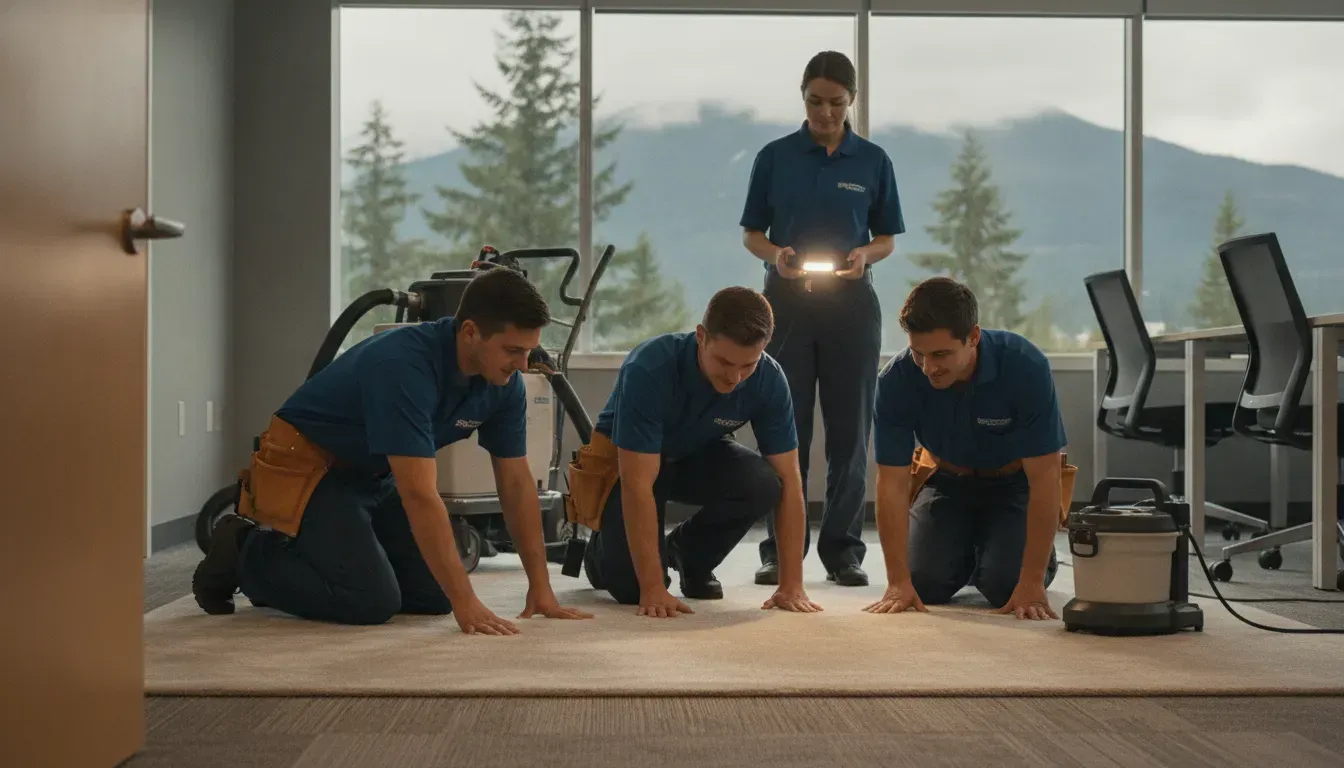
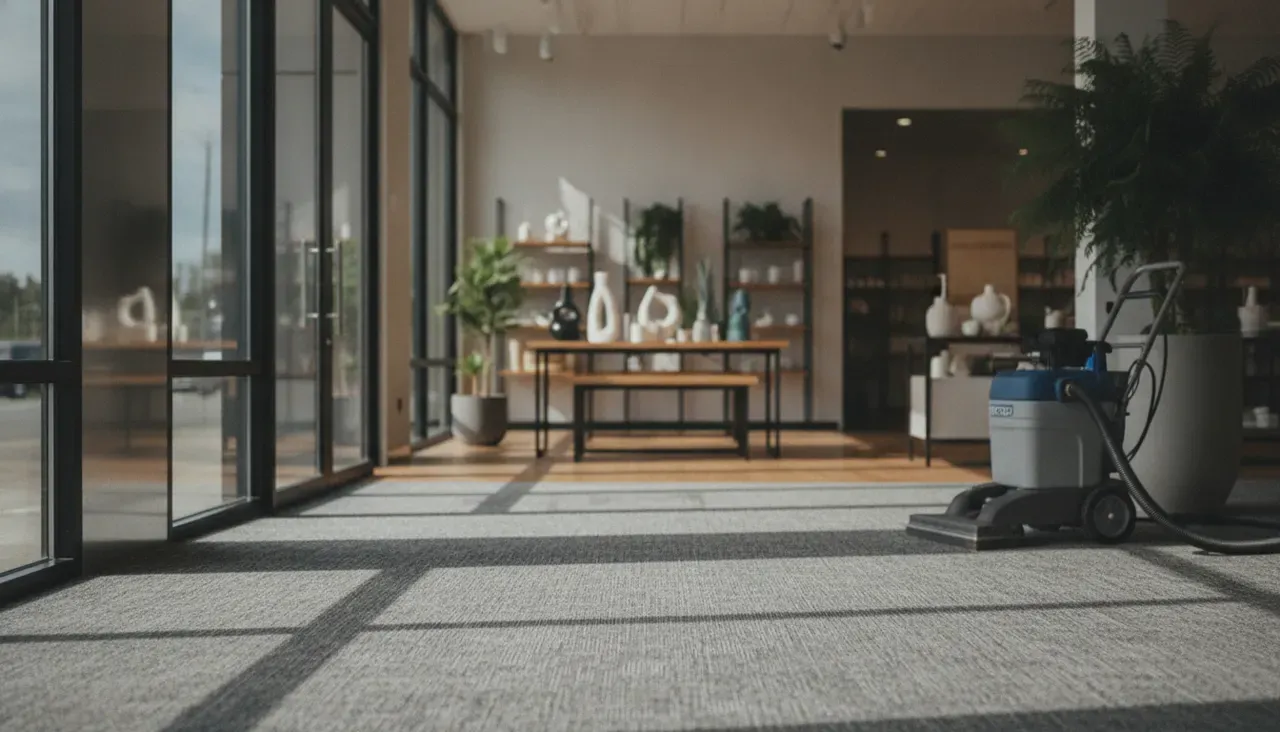 Professional cleaning addresses the whole floor, not only the most visible walkway. A technician can assess traffic patterns, carpet fiber, furniture placement, and areas that need extra attention.
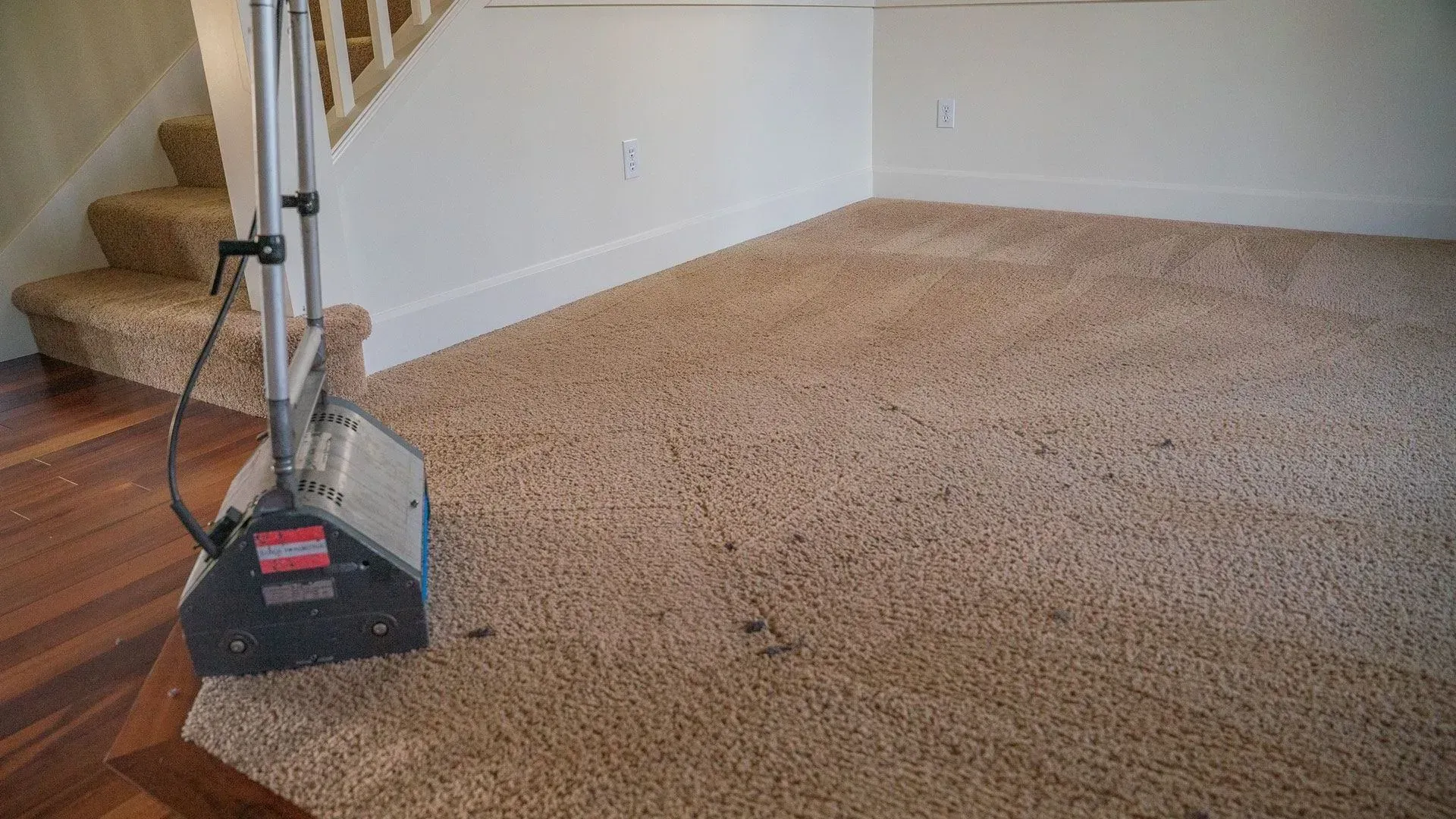
Tubro Carpet Cleaning uses hot water extraction for commercial carpet work. The process combines suitable pre-treatment, agitation when needed, and controlled extraction.
Results depend on the carpet fiber, soil load, age, and previous care. Professional cleaning can improve appearance, but it cannot reverse every permanent discoloration or worn fiber.
Retail owners should also consider what carpet care communicates. A maintained floor supports the same attention to detail shown through lighting, displays, signage, and customer service.
How Should Retail Stores Schedule Carpet Cleaning Without Disrupting Customers?
In short: The best schedule protects open hours, employee access, drying time, and customer flow. Most stores benefit from planning service after closing or during a low-traffic operating window.
Start with the store calendar rather than the cleaning company's availability. Identify closing times, delivery windows, inventory work, promotions, and high-volume shopping periods.
Then divide the floor into practical work zones. This approach can keep a portion of the store accessible when a full overnight service is not possible.
Retail managers should confirm these details before service:
- Which rooms or floor zones require cleaning.
- Whether fixtures, displays, or movable racks need relocation.
- Where technicians can park and connect equipment.
- When employees can provide access to locked areas.
- How customers and staff will move around damp carpet.
- Who will complete the final walkthrough.
After cleaning, carpet needs time to dry before normal traffic resumes. Drying depends on humidity, ventilation, carpet construction, soil load, and the amount of moisture used.
Tubro Carpet Cleaning describes a quick-dry feature with typical drying times of 6 to 12 hours. Store managers should still plan for conditions at the property rather than promise one fixed result.
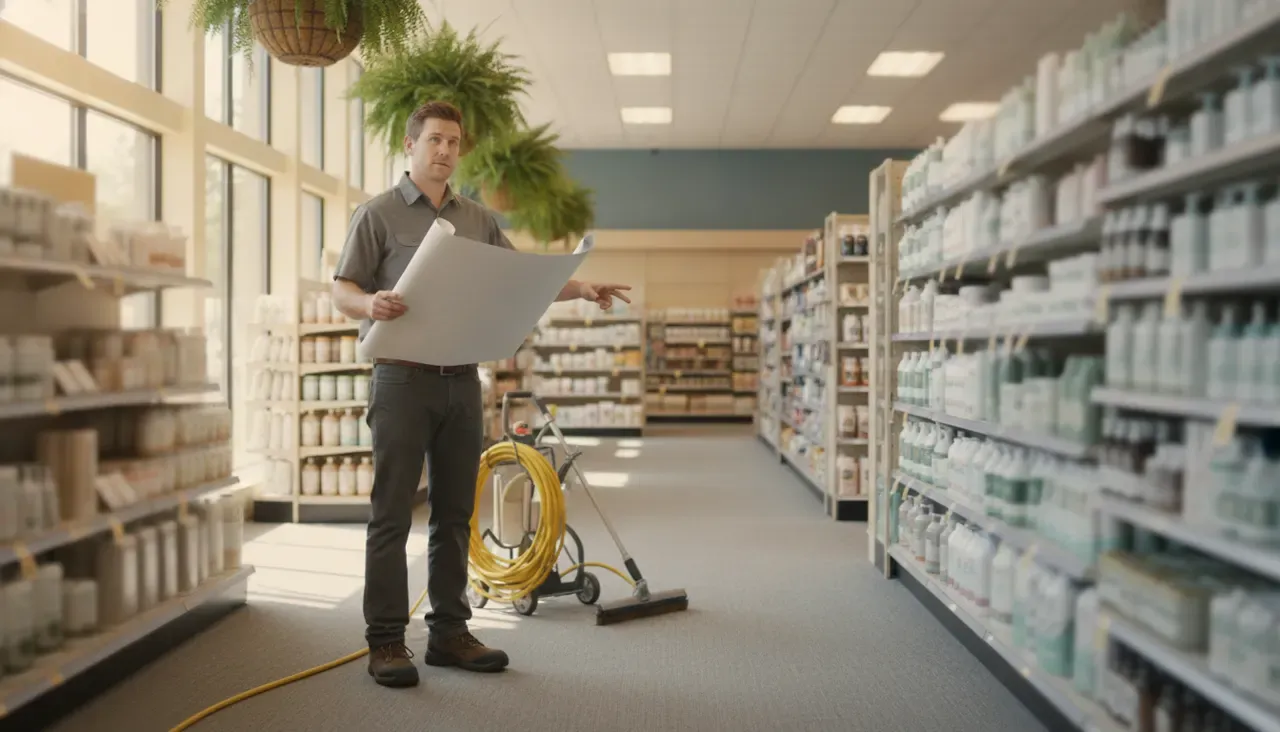 Ask the provider how the team will protect adjacent hard surfaces and manage hoses. A clear plan reduces trip hazards and protects customer areas during the visit.
For multi-location retailers, maintain one service record for each store. Record floor areas, cleaning dates, traffic concerns, access notes, and observations from the final inspection.
That record makes future scheduling easier. It also helps managers compare recurring needs across locations without relying on memory.
How Often Should High-Traffic Retail Carpet Be Professionally Cleaned?
In short: Cleaning frequency should follow traffic, soil, carpet condition, and customer expectations. A busy entrance may need attention more often than a low-traffic stockroom or office.
A six to twelve month interval is a useful starting point for many commercial spaces. Tubro Carpet Cleaning lists that range as a general commercial frequency recommendation.
Retail stores may need a different cadence when traffic is heavier. Use these signals to adjust the schedule:
- Visible traffic lanes appear before the planned service date.
- Entryway soil spreads into customer-facing areas.
- Carpet fibers remain compressed after routine vacuuming.
- Customers or employees report a stale indoor environment.
- Seasonal weather increases moisture and tracked-in debris.
- A store remodel or major event creates unusual foot traffic.
- The floor looks inconsistent across aisles or departments.
Entry mats and frequent vacuuming remain important between professional visits. They reduce the soil entering the carpet and help preserve the results of deeper service.
Vacuuming plans should match traffic. High-use entrances and checkout lanes may need daily attention, while quieter areas can follow a less frequent routine.
Professional cleaning should not be treated as a substitute for inspection. A technician can identify whether the main issue is soil, fiber wear, compression, moisture, or a condition that requires a different recommendation.
Retail operators should also coordinate cleaning with lease requirements and property standards. Documented service can support internal facility records and consistent expectations across locations.
What Does Retail Store Carpet Cleaning Cost and What Should You Budget?
In short: A retail cleaning budget depends on carpet area, soil conditions, access, scheduling, and service frequency. Tubro Carpet Cleaning publishes commercial pricing by square foot, with a minimum charge for commercial appointments.
Tubro Carpet Cleaning's live commercial pricing lists $0.35 to $0.45 per square foot and a $250 minimum charge. Confirm the current quote before scheduling because the final scope depends on the property.
Budget factorWhy it matters Carpeted square footageMore carpet increases labor, equipment time, and total service scope. Soil and traffic levelHeavier soil may require more preparation and slower work. Furniture and displaysMoving or working around fixtures changes the labor plan. Access and parkingLong equipment paths or restricted access can affect efficiency. Service timingAfter-hours or phased work may require a more detailed schedule. Maintenance frequencyRecurring service can make annual planning more predictable. Request a written scope that names the areas included. It should also state the expected service window, access requirements, drying guidance, and any areas that need separate assessment.
Do not compare quotes by price alone. A lower quote may cover fewer rooms, limited preparation, or a different cleaning method.
Ask whether the estimate includes the commercial minimum, travel assumptions, furniture handling, and any specialty services. Clear questions reduce surprises for store managers.
For a broader overview, review Tubro's commercial carpet cleaning cost guide. Use it for budgeting context, then request a property-specific quote.
Retail managers can also review Tubro's commercial carpet cleaning service page to compare the scope for offices, retail spaces, and rental properties.
What Does Professional Cleaning Do for Retail Presentation?
In short: Professional cleaning can refresh the appearance of sound carpet, reduce soil buildup, and create a more consistent customer environment. Results depend on carpet condition and realistic expectations.
A professional visit begins with assessment. The technician looks at carpet construction, traffic lanes, soil, furniture, access, and any conditions that could affect the result.
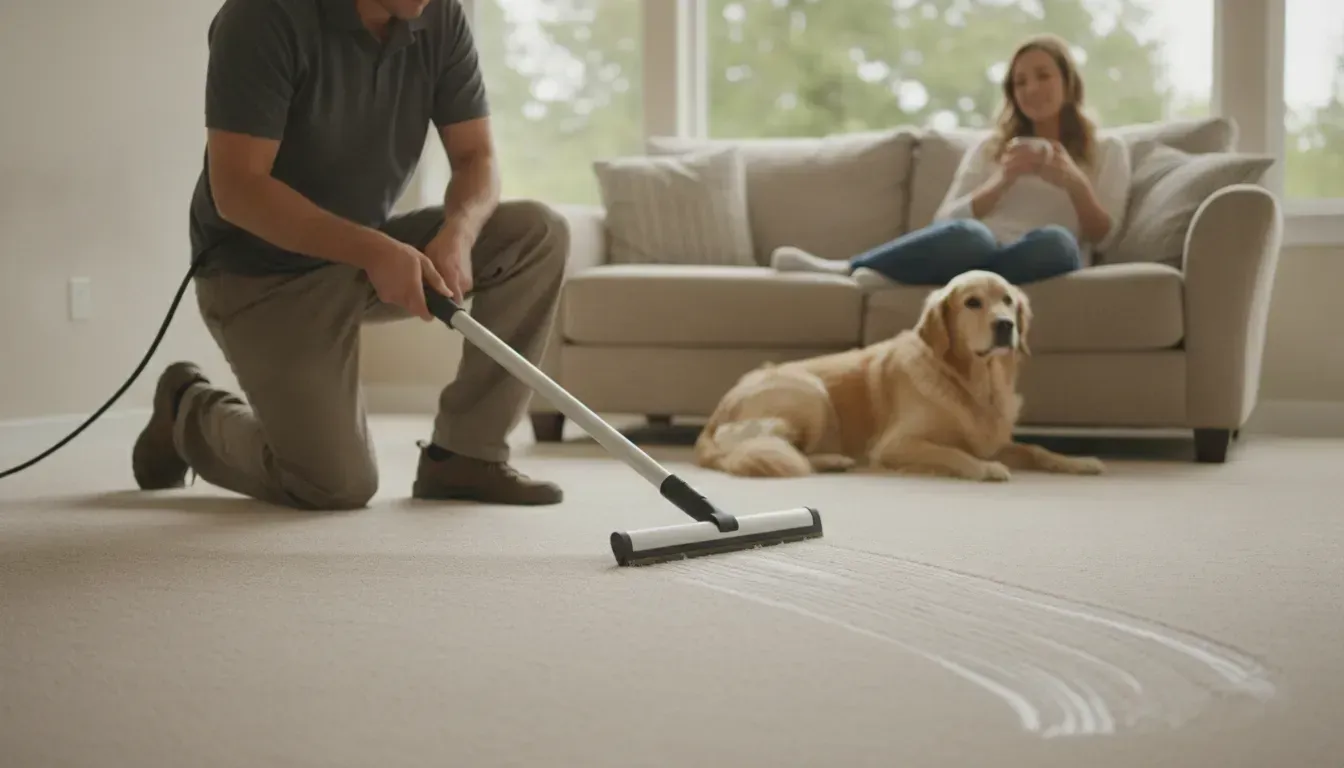
Preparation then focuses on the actual floor. This may include careful vacuuming, appropriate pre-treatment, agitation, and controlled hot water extraction.
Commercial equipment can support consistent work across larger areas. Tubro Carpet Cleaning uses truck-mounted equipment for commercial carpet cleaning where site access allows.
After extraction, the technician should review the cleaned areas with the store representative. This is the right time to discuss remaining discoloration, worn fibers, or areas needing separate attention.
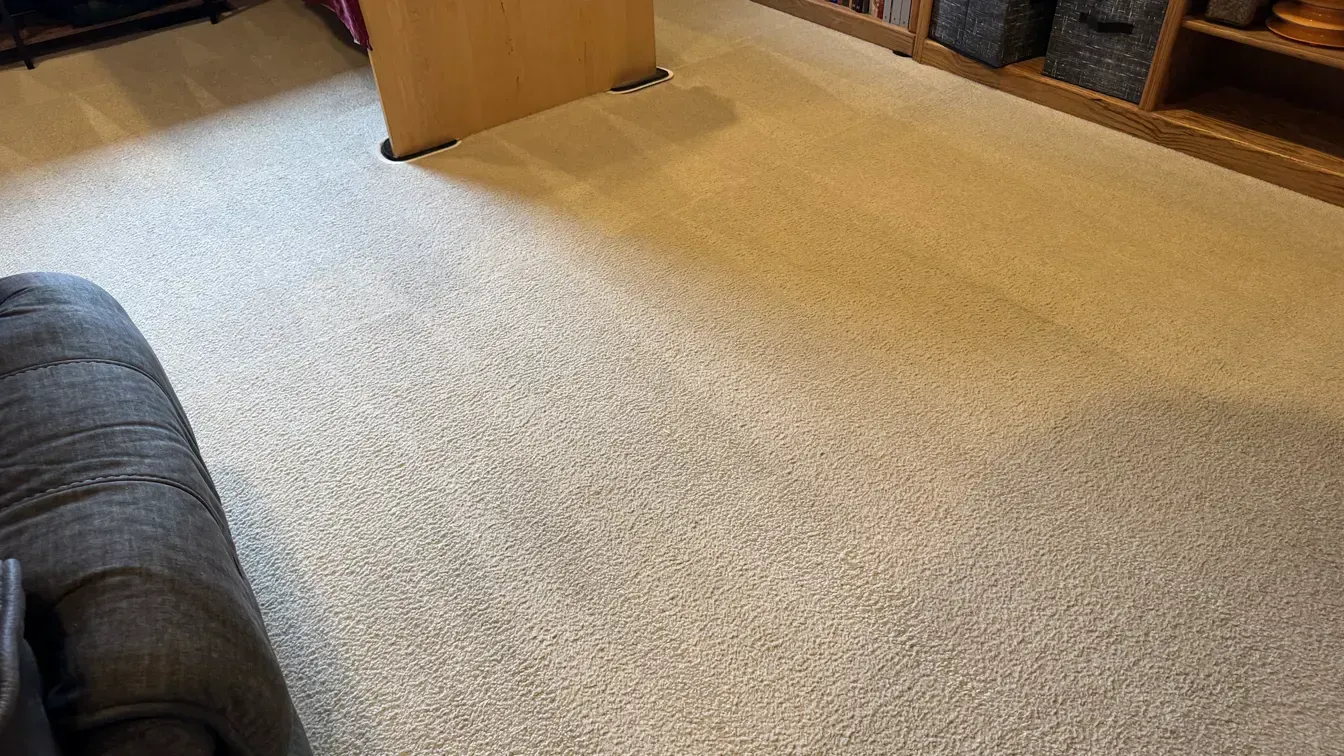
Professional cleaning does not make every carpet look new. Permanent spots, fiber damage, fading, and wear may remain after service.
That honest assessment helps a retailer decide whether cleaning, repair, replacement, or a maintenance change makes the most sense. It also supports better long-term budgeting.
For related hard surfaces or furnishings, Tubro also offers commercial upholstery cleaning and hard surface services. Coordinating related work can help a store maintain a consistent customer-facing environment.
Frequently Asked Questions
Should a retail store clean carpet during business hours?
Most stores schedule deeper carpet cleaning after closing or during low-traffic periods. A phased plan can keep part of the floor available when an overnight visit is not practical.
How long does retail carpet take to dry?
Drying time varies with carpet construction, humidity, ventilation, and moisture recovery. Tubro describes a quick-dry feature with typical drying times of 6 to 12 hours, but each site can differ.
How often should a retail store schedule professional carpet cleaning?
Many commercial spaces start with service every 6 to 12 months. Busy entrances, visible traffic lanes, and seasonal soil may justify a more frequent assessment.
Can professional cleaning fix worn retail carpet?
Cleaning can improve soil-related dullness and refresh carpet that remains structurally sound. It cannot reverse permanent fiber wear, fading, or every discoloration.
How should a retailer request a carpet cleaning quote?
Share the carpeted square footage, store hours, access details, floor condition, and preferred timing. Ask for a written scope that explains the included areas and drying guidance.
Ready to Protect Your Retail Store Presentation?
A practical maintenance plan keeps carpet care aligned with store operations. Tubro Carpet Cleaning serves commercial properties across South King County and Pierce County with professional carpet cleaning and clear service planning.
Call Tubro Carpet Cleaning at (253) 499-1028 to discuss your retail carpet cleaning needs.