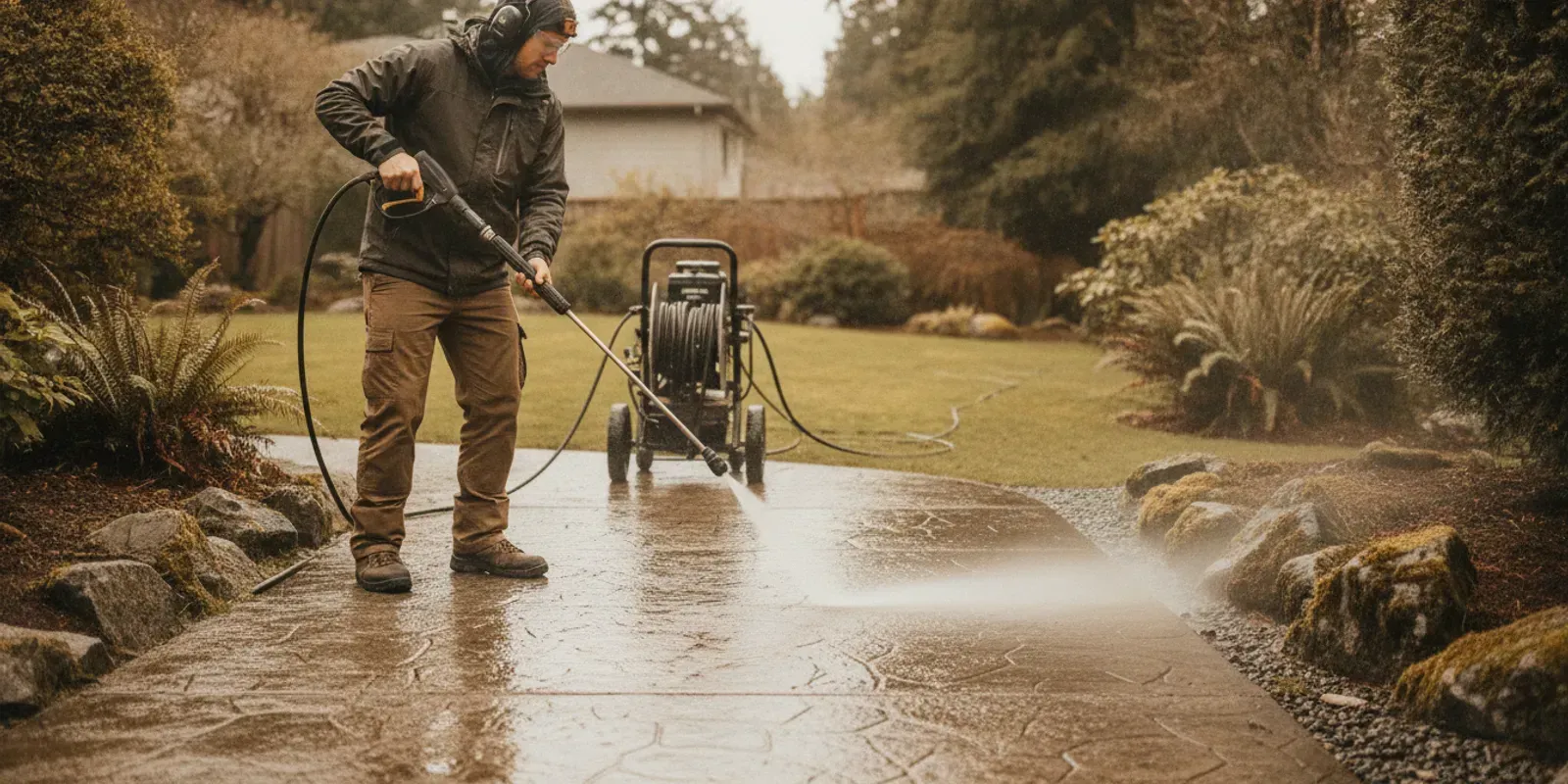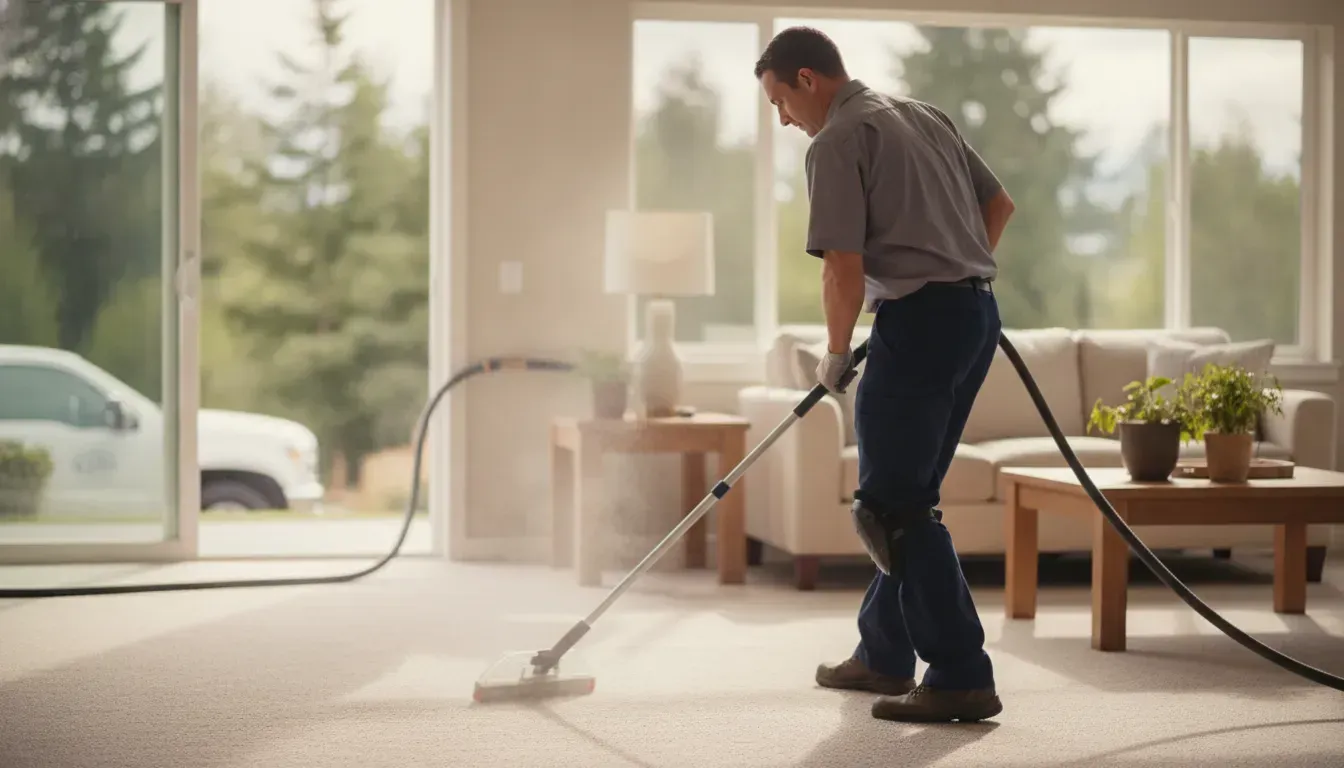

Commercial Carpet Cleaning Cost Per Square Foot

August 27, 2026

This is a subtitle for your new post
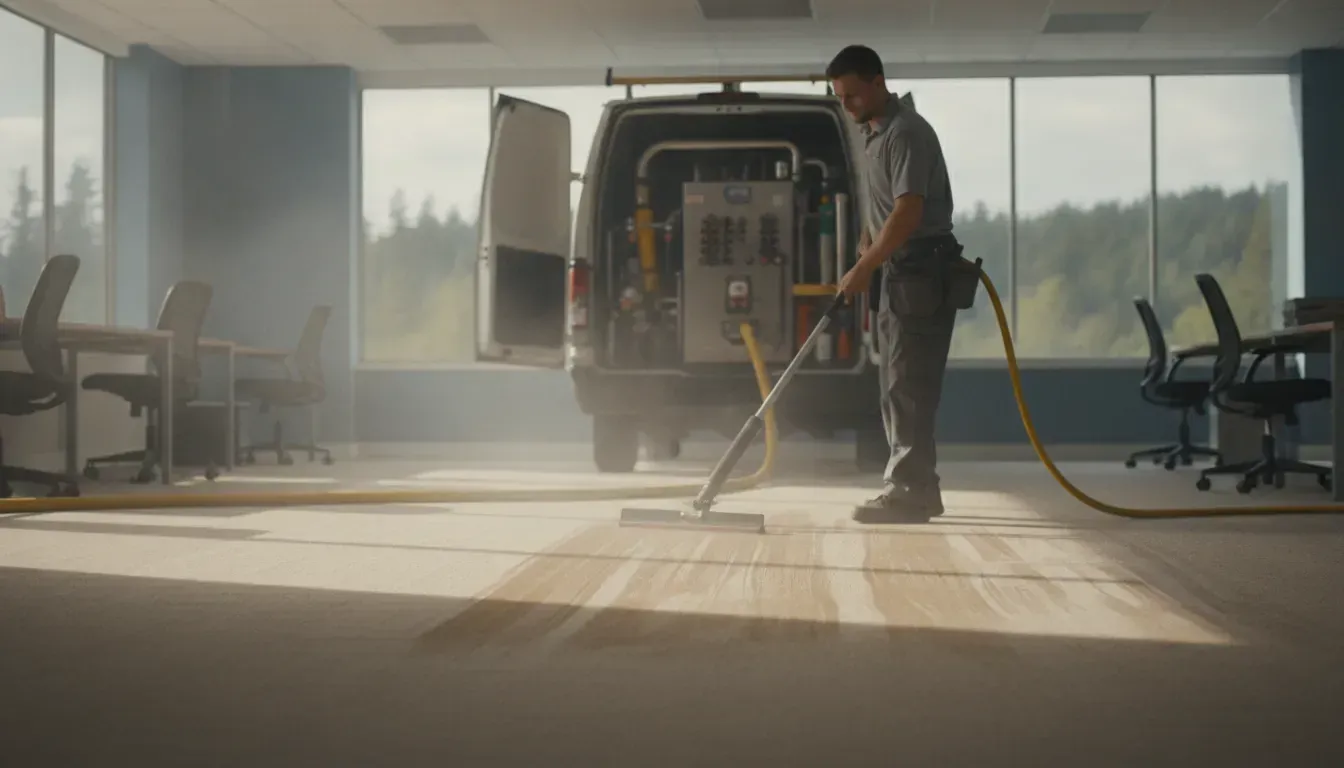
Commercial carpet cleaning cost per square foot is a useful starting point; it helps with planning. It is not the whole quote. Property size, soil, carpet fiber, traffic, furniture, access, and timing can change the work required. This guide explains Tubro's commercial pricing range and how property managers can prepare for a clear scope.

Schedule a commercial carpet cleaning assessment. Call (253) 499-1028.

For broader service context, review Tubro's commercial carpet cleaning guide for South King County offices, rentals, and retail. Then use the details below to compare quotes based on the same scope.

What is a typical commercial carpet cleaning cost per square foot?

Answer: Tubro's typical commercial contract planning range is $0.35-$0.45 per square foot. That range helps estimate a project, but it is not a guaranteed final price. Tubro confirms the quote after reviewing the property, carpet condition, access, traffic, and requested cleaning scope.

Tubro Carpet Cleaning uses a commercial planning range of $0.35-$0.45 per square foot. The range applies to commercial contract planning and helps a property manager begin budgeting. It should not be treated as a final price for every building.

The confirmed quote follows an assessment of the property. A professional reviews the cleanable carpet area, soil intensity, traffic patterns, carpet fiber, furniture, access, and scheduling requirements. Two buildings with similar square footage can require different labor and equipment planning.

How to interpret commercial carpet cleaning pricingPricing stageWhat it tells youWhat it does not tell youContract planning range$0.35-$0.45 per square foot is Tubro's typical commercial planning range.It is not a final quote for every property or condition.Assessed project quoteThe price reflects measured scope and observed site conditions.It should not be calculated from square footage alone.Recurring maintenance scopeThe plan reflects the property's areas, traffic, and schedule.Every area does not need the same frequency or approach.

Square footage remains important because it establishes the starting measurement. It does not describe how much soil is present, how easy the areas are to reach, or how much furniture must be worked around. Those details affect production planning.

When reviewing a proposal, compare the same carpeted areas and requested service. Ask whether entrances, corridors, private offices, stairs, and other sections are included. Also ask how the proposal addresses access, furniture, operating hours, and drying considerations.

Summary: Use Tubro's $0.35-$0.45 per-square-foot range for early commercial planning. Request an assessed quote before scheduling because property conditions determine the final scope.

A useful first conversation includes the approximate cleanable square footage and the property's main use. Offices, retail spaces, apartments, and other commercial facilities can have different traffic patterns and access needs. If you are comparing commercial work with residential service, Tubro's residential carpet cleaning information explains why the pricing model differs.

How commercial carpet cleaning cost per square foot changes by property

Answer: Commercial pricing depends on more than floor area. Soil load, carpet fiber, traffic patterns, furniture, building access, scheduling limits, and the selected cleaning method all affect labor and equipment needs. A complete scope makes the per-square-foot estimate more useful and reduces surprises during scheduling.

Property managers often begin with square footage because it is easy to measure. A professional quote needs more context. The following factors help Tubro understand the work before preparing a commercial proposal. For a broader overview of available services, review Tubro's cleaning services before defining the commercial scope.
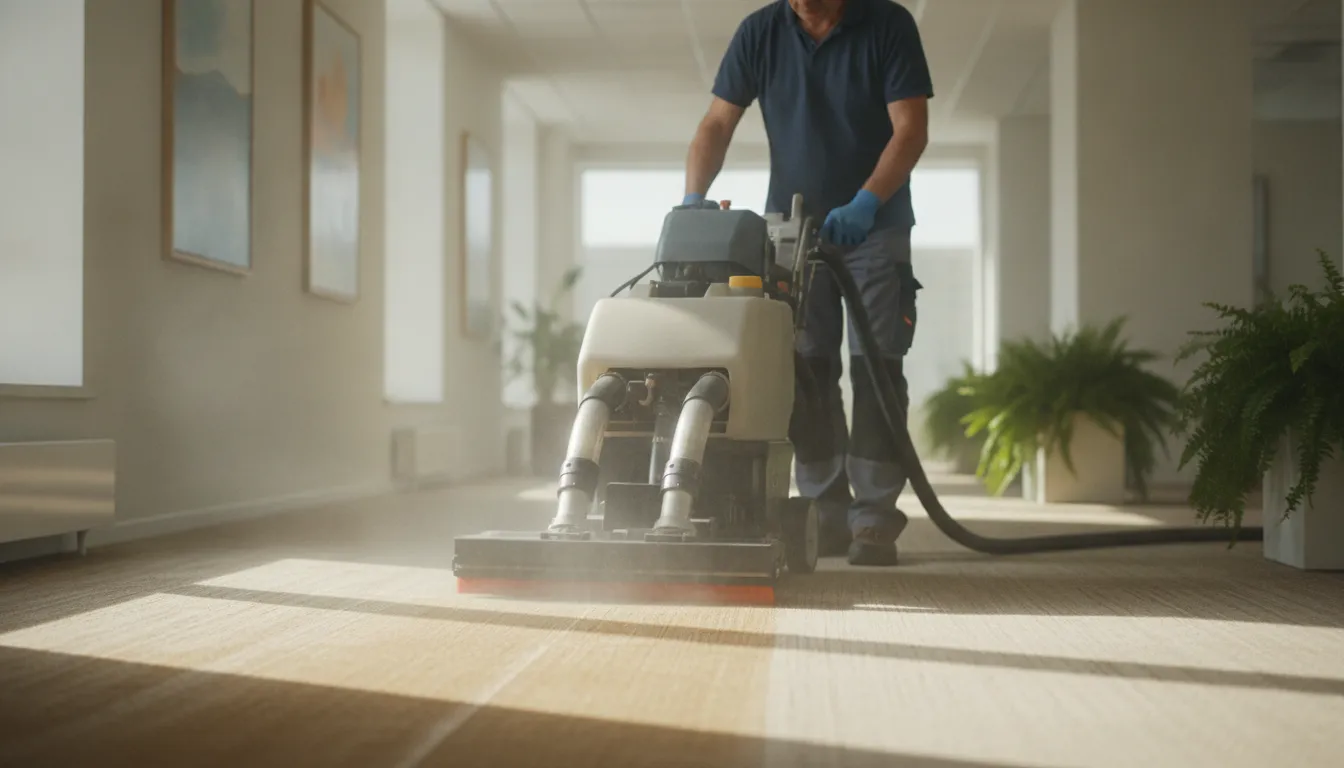
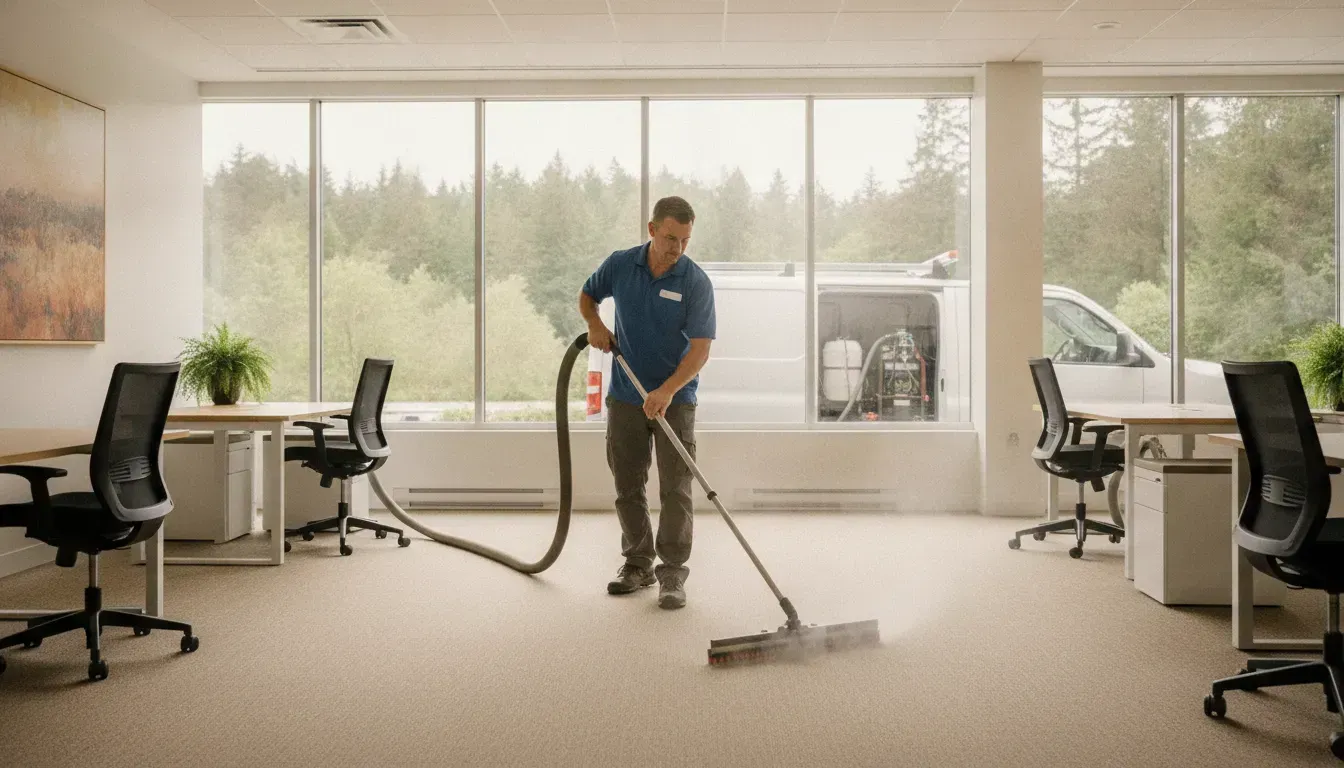
  • Commercial carpet cleaning cost per square foot equipment prepared for professional serviceTotal cleanable area: Separate carpet from tile, concrete, storage areas, and other flooring. Include each floor, suite, hallway, stairway, and common area that belongs in the requested scope.
  • Soil intensity: Ground-in soil and tracked debris can require additional preparation and labor. Entrances and corridors may need more attention than lightly used private offices.
  • Carpet fiber: Fiber type and carpet construction help determine an appropriate professional cleaning approach. If the fiber is unknown, Tubro can assess it rather than relying on an assumption.
  • Traffic patterns: Reception areas, elevators, checkout paths, break rooms, and entrance routes often receive more foot traffic. They may need a different maintenance frequency than lower-use areas.
  • Access and layout: Long corridors, stairs, multiple suites, loading restrictions, and limited parking can affect setup. Clear access information helps the team plan efficiently.
  • Furniture and obstructions: Desks, shelving, displays, cubicles, and fixtures reduce open working space. The proposal should explain whether items will be moved, worked around, or excluded.
  • Timing: Evening, weekend, closure, tenant-turn, and narrow access windows require coordination. Share blackout dates and operating-hour restrictions before the quote is prepared.
  • Cleaning method: Carpet construction, soil, drying needs, and building operations influence method selection. Tubro uses truck-mounted equipment for commercial appointments.

These variables explain why a low per-square-foot figure may not represent the lower total cost. A proposal with fewer included areas or limited access assumptions can leave important work undefined. Compare proposals only after confirming that the included scope is similar.

For example, a retail space may have heavy entrance traffic, displays, and a narrow service window. An office may have larger open areas but many desks and cubicles. A rental property may need quick coordination between occupants. The building type changes the planning conversation.

Summary: Commercial carpet cleaning cost per square foot becomes meaningful when the quote accounts for soil, fiber, traffic, access, furniture, timing, and method. Ask for those assumptions in writing.

Review Tubro's commercial service page when gathering details for an assessment. The page confirms the commercial focus, truck-mounted steam cleaning, and the published planning range.

What does Tubro include in commercial carpet cleaning pricing?

Answer: Tubro's commercial pricing process includes property assessment, scope discussion, upfront quote preparation, professional equipment planning, and scheduling coordination. Commercial contract options and potential volume discounts are considered when appropriate. The final scope depends on the building, carpet, access, traffic, and service needs.

A commercial price should describe the work behind the number. Tubro begins by reviewing the property and the requested areas. The discussion can cover cleanable square footage, carpet condition, high-traffic zones, fiber information, furniture, access, and preferred timing.
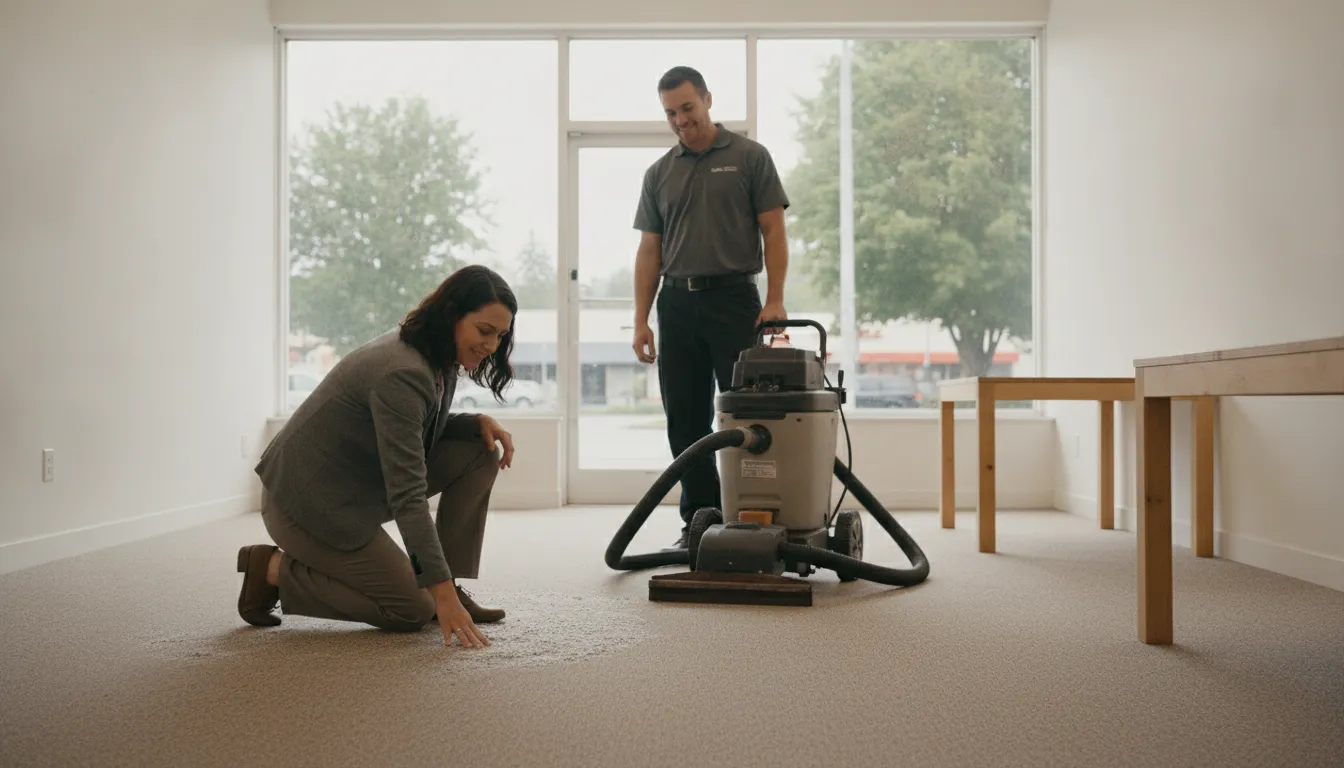
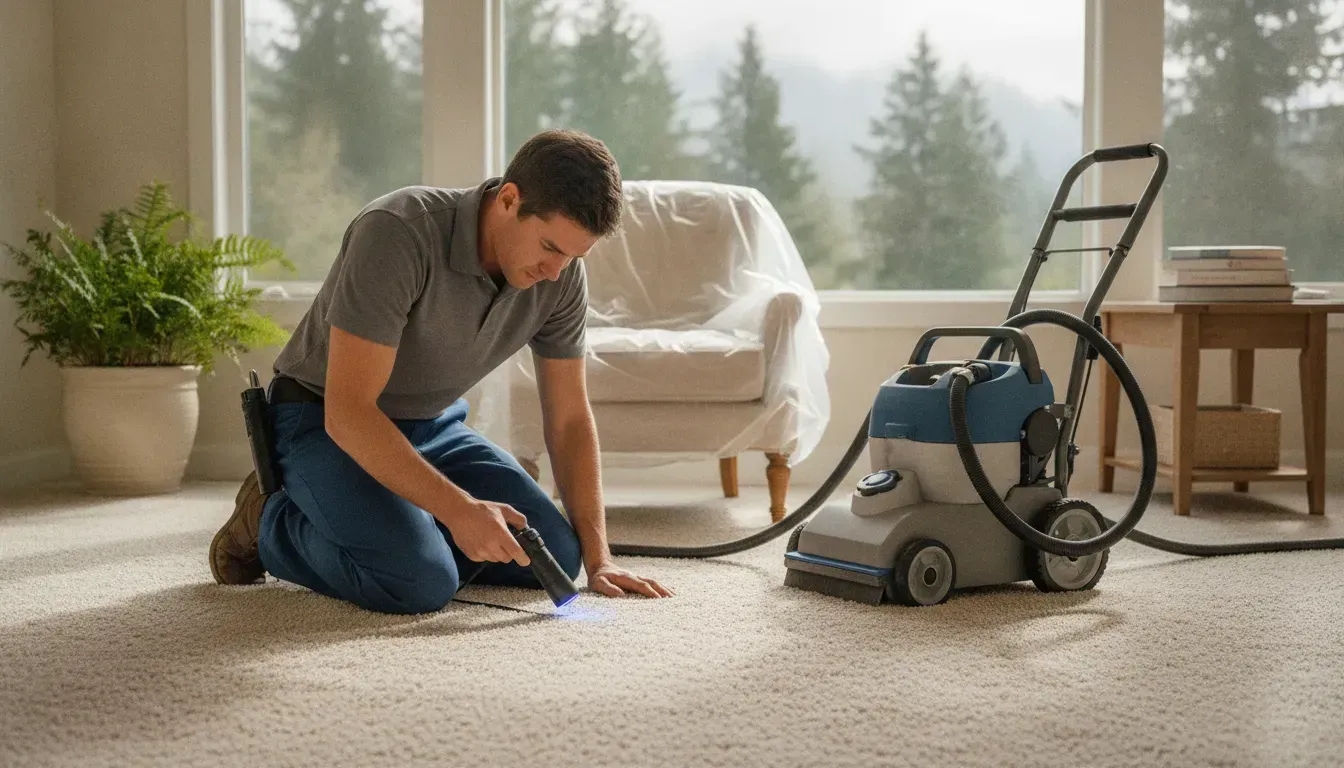
Commercial carpet cleaning cost per square foot inspection before professional serviceA clear scope before work begins

After the assessment, the quote can identify the areas to be cleaned and the practical conditions that affect service. This gives a property manager a clearer way to compare the proposal with the property's needs.

An upfront quote also helps prevent scope confusion. If a building has multiple carpet types, unusual access requirements, or a limited service window, those details can be discussed before the appointment. The goal is a realistic plan rather than a number based only on an address.

Equipment for commercial work

Tubro uses truck-mounted steam cleaning equipment for commercial carpet cleaning appointments. Professional equipment supports larger jobs and provides the heat, pressure, and extraction capacity needed for the selected cleaning approach.

Quick-dry performance can be useful for offices, retail spaces, and rental properties. Drying time still depends on fiber, soil, humidity, airflow, water usage, and building conditions. Tubro can discuss timing expectations during the assessment without promising the same result for every carpet.

Contract service and volume planning

Tubro offers commercial contract pricing for offices, retail locations, rental properties, and other commercial spaces. Recurring service can define the areas, schedule, access requirements, and maintenance priorities. Larger or recurring volumes may qualify for volume discounts, with details addressed during the quote process.

To review the service approach, visit Tubro's Commercial Carpet Cleaning for South King County Offices, Rentals, and Retail. Property managers can then share square footage, high-traffic zones, carpet information, preferred timing, and access restrictions.

Summary: Tubro's commercial pricing process connects the price to an assessed scope, professional equipment, scheduling needs, and service frequency. Contract or volume options are discussed rather than assumed.

For a direct conversation, use Tubro's commercial contact page. Include the property type and the approximate carpet area so the team can start with useful information.

How can you get an accurate quote for an office or retail space?

Answer: Give the cleaner the approximate cleanable carpet area, property type, traffic pattern, carpet information, furniture layout, access limits, preferred service window, and maintenance goals. These details help Tubro evaluate the work and prepare an upfront commercial quote tied to the actual property.

An accurate quote starts with accurate scope information. A property manager does not need every detail before making contact, but the following checklist can make the first conversation more productive.

Prepare these details before requesting pricing

  1. Confirm the cleanable area. Estimate carpeted square footage instead of the entire building size. Separate tile, concrete, storage rooms, and other flooring when possible.
  2. Identify carpet information. Share the fiber or construction if installation records or facility documents list it. If the information is unavailable, say so. An assessment is better than an unsupported assumption.
  3. Mark high-traffic zones. Identify entrances, corridors, reception areas, elevators, break rooms, checkout paths, and other sections that receive heavier use.
  4. Describe furniture and access. Note desks, cubicles, shelving, displays, stairs, loading restrictions, security procedures, parking limits, and any areas that cannot be reached easily.
  5. Share the service window. State preferred dates, operating hours, closure periods, tenant transitions, inspections, and blackout dates. Do not assume a turnaround time before the scope is reviewed.
  6. Explain occupancy. Tell the cleaner whether the space is occupied, partly vacant, between tenants, or preparing to reopen. Retail and office traffic can affect how the work is coordinated.
  7. Clarify recurring needs. Explain whether you need one cleaning, scheduled maintenance, or a plan for multiple locations. Mention seasonal traffic changes when they affect the property.

Photos, floor plans, and carpet specifications can support an initial discussion when they are readily available. They do not replace an assessment because images may not show access limits, soil conditions, or the complete carpeted area.

A property manager can request a commercial quote from Tubro with these details. The team can then discuss which areas belong in the scope and what information is needed for an upfront proposal. Tubro's local company background also provides context about the team behind the service.

For offices and retail spaces, make sure the proposal states whether furniture movement, stairs, multiple suites, and after-hours coordination are included. Clear assumptions make it easier to compare the commercial carpet cleaning cost per square foot with another quote.

Summary: The best quote request combines cleanable square footage with details about carpet, traffic, furniture, access, timing, occupancy, and recurring needs. That information supports a scope-based price.

Is a commercial carpet cleaning contract worth it for recurring maintenance?

Answer: A recurring commercial cleaning contract can be useful when a property has predictable maintenance needs, repeated traffic, or multiple areas to coordinate. The right schedule depends on use and condition. A clear contract defines included areas, timing, access, methods, and how scope changes are handled.

Recurring service is most useful when it solves an operational problem. A property manager may want predictable maintenance for an office, retail location, rental portfolio, apartment community, or shared workplace. The schedule should reflect how the building is used.

Traffic is a practical starting point. Entrances, hallways, elevators, reception areas, and common rooms often collect more soil than private offices. High-traffic sections may need attention more often, while lower-use areas may follow a different schedule. The plan should be based on observed needs rather than a fixed assumption.

A recurring scope also reduces repeated planning work. The property manager can identify service areas, access procedures, preferred timing, and operational restrictions in advance. The plan can still be updated when occupancy, seasons, traffic, or floor area changes.

  • Total square footage and areas included in each visit.
  • High-traffic zones and any different service frequency.
  • Carpet fiber, condition, and areas requiring additional assessment.
  • Furniture movement, access procedures, security, and scheduling windows.
  • Cleaning method, drying considerations, exclusions, and responsibilities.
  • How changes in building use or square footage affect later visits.

Tubro offers commercial contract pricing and volume discounts for commercial clients. The details should be discussed during an assessment because recurring plans vary by property. A written scope helps the property manager understand what the commercial carpet cleaning cost per square foot covers.

Review the commercial cleaning program and bring the property's traffic, access, and scheduling information to the conversation. Tubro can discuss a one-time or recurring approach that fits the documented scope.

Summary: A recurring contract can support predictable commercial maintenance when it matches traffic, defines responsibilities, and explains included areas. Tubro evaluates the property before confirming the plan.

Call (253) 499-1028 to discuss a recurring commercial carpet cleaning plan for your property.

Frequently Asked Questions

How much does commercial carpet cleaning cost per square foot?

Tubro's typical commercial contract planning range is $0.35-$0.45 per square foot. The final quote depends on total cleanable area, soil, carpet type, traffic, access, furniture, timing, and the requested scope.

How do cleaners calculate commercial carpet cleaning costs?

Cleaners review cleanable square footage, carpet condition, traffic patterns, fiber type, site access, furniture, timing, and the requested service. An assessment helps connect the price to the work instead of relying on square footage alone.

What should I include when requesting a commercial carpet cleaning quote?

Share the approximate carpet area, property type, carpet locations, and high-traffic zones. Include fiber information if known, plus furniture and access limits, preferred timing, occupancy, and whether you need one service or recurring maintenance.

Is recurring commercial carpet cleaning worth considering?

Recurring maintenance can help offices, retail spaces, and rental properties plan predictable care. The schedule should match traffic, condition, access, and operating needs. A defined contract also clarifies what each visit includes.

Does Tubro provide commercial carpet cleaning in South King County and Pierce County?

Tubro Carpet Cleaning serves commercial properties across its Pacific Northwest service area, including offices, retail spaces, and rental properties. Contact Tubro to confirm availability for your address and discuss the property scope.

Ready to Plan Your Commercial Cleaning?

A clear commercial carpet cleaning plan starts with property details rather than a guess. Tubro Carpet Cleaning can review your space, discuss traffic and access conditions, and explain the scope behind your quote.

Have the approximate carpet area and preferred timing ready. Tubro serves commercial clients with assessment-based pricing, professional equipment, and options for one-time or recurring service.

Call Tubro Carpet Cleaning at (253) 499-1028 to discuss your commercial cleaning needs.
Professional commercial carpet cleaning in a bright Pacific Northwest office
By Ryota Nishino August 27, 2026
How often should commercial carpets be cleaned? Get practical guidance by business type, traffic, weather, and carpet condition for offices and businesses.
Professional odor removal for carpet and upholstery in a Pacific Northwest home
By Ryota Nishino August 27, 2026
Professional odor removal carpet upholstery guidance for cooking, smoke, and musty smells. Learn how source assessment shapes realistic treatment expectations.
August 14, 2026
Schedule a free upholstery cleaning consultation today. See what upholstery cleaning service cost near me includes and what factors set the final price.
By Ryota Nishino August 14, 2026
Schedule your area rug cleaning professional service in South King County. Learn what to expect, what it costs, and how to protect your rug.
By Ryota Nishino August 12, 2026
Schedule affordable professional carpet cleaning today. See how much does professional carpet cleaning cost in Washington with Tubro's upfront pricing.
By Ryota Nishino August 5, 2026
Schedule spring carpet cleaning in South King County. Follow this room-by-room checklist for carpets, upholstery, and hard surface cleaning.
A person lies on a carpet surrounded by cleaning supplies, including a yellow bottle, blue spray, and cloths.
July 29, 2026
Carpet smells musty after cleaning? Learn the causes and what it means for Maple Valley, WA homes. Prevent and fix lingering odours.
By Ryota Nishino July 28, 2026
Schedule carpet cleaning for allergies Pacific Northwest homes. Learn how professional cleaning reduces dust mites, pollen, and mold.
Professional carpet cleaner using truck-mounted steam cleaning system in a bright Pacific Northwest home with fresh, clean carpets
July 24, 2026
Schedule professional move in move out carpet cleaning in South King County. Learn what landlords require and how to protect your deposit.
By Ryota Nishino July 21, 2026
Walking across damp carpets hours after a professional service can feel highly frustrating. Most homeowners want their floors back to normal as quickly as possible. Professional hot water extraction typically requires several hours to dry, but the exact window depends on multiple indoor conditions. Schedule your Maple Valley carpet cleaning today and get back to dry floors faster. On average, how long does carpet take to dry after cleaning ranges from 6 to 12 hours when using professional equipment. Standard industry cleanings can take 24 to 48 hours, but advanced extraction methods significantly reduce this waiting period. The total drying time depends heavily on your home humidity, air circulation, carpet fiber thickness, and the outdoor climate. Using truck-mounted extraction units pulls more moisture from deep within the fibers, allowing a much faster recovery. While you can walk on the carpet immediately with clean feet, leaving it to dry fully prevents fibers from matting or tracking fresh dirt. You can learn more about our process by visiting our pillar page on Residential Carpet Cleaning: What Every South King County Homeowner Should Know . While a half-day wait is typical, understanding the specific factors of your clean helps you plan your day. Our next section details the standard timeframe and how the cleaning method impacts your results. How Long Does Carpet Take to Dry After Cleaning: Hot Water Extraction Time Extractable Summary: Professional hot water extraction typically dries carpets in 6 to 12 hours. How long carpet takes to dry after cleaning depends on the method. Tubro Carpet Cleaning uses truck-mounted tools to hit the faster end of this range. Drying Times for Steam Cleaning Many homeowners want to know carpet drying time after cleaning before they book a visit. Hot water extraction, or steam cleaning, is the most common deep cleaning method. On average, this method takes about 6 to 24 hours to dry. You can read more about this in our guide on Residential Carpet Cleaning: What Every South King County Homeowner Should Know . While some standard jobs take a full day, Tubro uses quick-dry tools to get carpets dry in just 6 to 12 hours. This is much faster than the old industry standard of 24 to 48 hours. This fast dry time prevents issues like mold and keeps your home usable. Comparing Drying Times by Cleaning Method Different cleaning methods use different amounts of water, which changes how long carpet takes to dry after cleaning. For a three-room home, steam cleaning can use 15 to 20 gallons of water. Other methods use less water but do not clean as deep. Cleaning MethodTypical Drying TimeWater UsageHot Water Extraction (Steam Cleaning).6 - 12 hours (Tubro) / 6 - 24 hours (standard).15 - 20 gallons.Very Low Moisture (VLM).2 - 4 hours.2 - 3 gallons.Bonnet Cleaning.2 - 4 hours.Moderate.Encapsulation.1 - 2 hours.Low.Carpet Shampooing.6 - 10 hours.High.Dry Compound Cleaning.20 min - 1 hour.Minimal. Tubro uses high-powered extraction to give you the deep clean of steam cleaning with the fast dry times of low moisture methods. Why Extraction Power Matters The main key to fast drying is how much water the machine can pull out of the carpet. Standard rental units lack the power to lift heavy water. This leaves the backing damp for too long. Professional truck-mounted systems have strong pumps and vacuum blowers. They pull out almost all the wet solution, so your fibers dry fast and stay clean. This strong extraction keeps water from soaking deep into the pad underneath. Factors That Affect Drying Time: Humidity, Carpet Thickness, and Airflow How long does carpet take to dry after cleaning? The answer depends on your home environment and the equipment used. While professional hot water extraction is the best way to clean fibers, the moisture left behind must escape. Understanding the four main factors that control this drying window helps you prepare your home and get fast results. Every home has a unique climate that dictates the speed of water evaporation. Homeowners can influence some of these factors, like airflow, while others, like local weather, require planning. Professional cleaners use high-powered systems to address these variables during the service. Air Humidity and Regional Weather Air moisture plays a major role in how fast your floors dry. In areas with high humidity, like the Pacific Northwest, the air is often full of water vapor. This damp air has less room to hold more moisture, which slows down evaporation. Drier climates allow water to lift from the carpet fibers much faster. Local weather conditions mean you must adjust how you ventilate your home after a visit. Carpet Fiber Type and Thickness The type of carpet you have impacts how it holds water. Thick carpets with dense piles have more surface area and trap more moisture. Nylon and wool carpets have high wicking properties, meaning they hold onto water tightly. In contrast, polyester and olefin carpets dry much faster because they absorb very little water. Thick padding beneath the fibers also acts like a sponge, requiring deep extraction to prevent bottom-up dampness. Airflow and Room Ventilation Moving air is the key to fast drying. Stagnant air allows a layer of wet, heavy air to sit right above the carpet. This wet layer stops further evaporation. Running ceiling fans, turning on the HVAC fan, or opening windows creates air movement. This constant breeze carries the damp air away and replaces it with dry air. Moving air can cut how long carpet takes to dry in half. Extraction Quality and Equipment Power The final factor is the power of the cleaning machine itself. Truck-mounted systems use strong vacuums that extract the vast majority of the water. High-water extraction is highly effective, but it requires top-tier tools to remove the solution. For example, a three-room cleaning job can use 15 to 20 gallons of water. Heavy truck-mounted machines pull almost all of this out. Rental units or small portable tools lack this vacuum power. They leave carpets wet for 24 hours or longer, which increases mold risks. Choosing a professional team with high-power equipment is the best way to keep your drying time short. Expert technicians use optimized water levels and industrial vacuums to dry floors in hours rather than days. Extractable Summary: Drying times depend on room humidity, fiber thickness, airflow, and vacuum power. Truck-mounted extraction removes the most water from deep fibers for faster results. How Pacific Northwest Weather Affects Carpet Drying in Summer vs. Winter Pacific Northwest weather plays a major role in how long carpet takes to dry after cleaning. High outdoor humidity in Washington means drying times can vary depending on the season. To get your carpets back to normal quickly, you must adjust your drying plan based on the local weather. Extractable Summary: Pacific Northwest humidity changes carpet drying times between summer and winter months. Adjust your drying strategy based on the season. The Fast Dry Times of Summer Summer is the best season for fast drying in local homes. From June through August, outdoor humidity drops and warm air helps pull water from carpet fibers. During these dry months, you can open windows to let fresh breezes flow through your rooms. This natural airflow speeds up the process so you can walk on your floors much sooner. Many homeowners enjoy a typical carpet drying time of just six to twelve hours on warm summer days. Winter Drying Challenges Winter brings cold, rainy days that keep damp air trapped inside. Since you cannot open your windows during a cold Washington storm, moisture stays in the room much longer. Homeowners must rely on indoor heating and fans to move the damp air. Without proper heat and airflow, wet carpets can take up to twenty-four hours or more to dry. Cold air holds less moisture, so keeping your thermostat set to a warm temperature helps the water evaporate from the fibers. Seasonal Tips for Washington Homeowners To keep dry times short all year, use these simple tips based on the season: Summer tip: Open opposite windows to create a cross-breeze across wet rooms. Winter tip: Turn your home heating system up to seventy degrees to help water evaporate. Year-round tip: Run ceiling fans and portable floor fans to keep air moving. Content continues with tips for speeding up drying, quick-dry technology, FAQ, and CTA. What You Can Do to Speed Drying After Your Cleaning Appointment You can take simple steps to lower how long carpet takes to dry after cleaning. Good planning helps air move and clears dampness from your rooms. By using your home systems and household items, you can help your floors dry fast and safe. Our team sets up a solid start with high-powered extraction fans and optimized water usage during each job. But your actions at home keep this process moving after we leave. Follow these clear steps to get the best and fastest results for your clean floors. Simple Airflow and Climate Steps Turn on ceiling fans: Keep your ceiling fans running on high speed. Make sure they spin in a counterclockwise direction to push air down onto the wet floor fibers. Use portable floor fans: Set up small household fans in rooms with wet carpets. Point them down toward the damp areas to create constant air movement across the surface. This helps water lift away quickly. Open your windows when the weather is dry: If the outdoor air is warm and dry, open your windows a few inches. This lets fresh air enter and carries moist air out of your home. Do not open windows on rainy or highly damp days. Run your heating or cooling system: Set your HVAC system to a steady temperature. In cold months, turn your heat up to 70 degrees. In warm months, run your air conditioning. Both systems help pull moisture out of the air. Set up a dehumidifier: Place a portable dehumidifier in areas with slow airflow or high moisture. This device catches water from the air and keeps the room dry. It is very helpful in deep basements or closed rooms. Avoid moving heavy furniture back too soon: Keep your furniture off the damp carpet until it is fully dry. Metal or wood legs can stain wet fibers or rust. Leave protective pads under legs if you must place items back early. Walk only on the edges and keep off the main areas: Try to stay off the wet carpet as much as you can. If you must walk on it, wear clean socks and step only on the dry edges. Keep children and pets off the floors until they dry. Helpful Local Resources for Homeowners Taking care of your home floors is easier when you have the right local facts. For more tips on keeping your space clean and dry, read our guide on Residential Carpet Cleaning: What Every South King County Homeowner Should Know . Using these step-by-step methods keeps your home safe and ensures your clean carpet looks great for a long time. Why Quick-Dry Technology Matters for Busy Households Managing a busy home is a daily balancing act. When you schedule carpet care, you do not want to wait days for your floors to dry. Traditional carpet wash methods can leave fibers wet for 24 to 48 hours. Which shuts down key parts of your home and forces you to move your daily life around wet floors. Knowing how long does carpet take to dry after cleaning helps you plan. But choosing a service with advanced drying tools is the best way to avoid home stress. Call (253) 499-1028 today and experience a faster dry time with Tubro's professional cleaning. Extractable Summary: Tubro's quick-dry system dries carpets in 6 to 12 hours, well under the 24 to 48 hour standard. This keeps your home safe and fully usable. Less Disruption for Kids and Pets In a home with kids and pets, closed-off rooms cause major stress. Keep in mind that wet carpets are not just hard to walk on, but they also attract new dirt. Damp fibers act like a magnet for muddy paws and dirty socks, which can ruin your fresh clean. Tubro uses eco-friendly products safe for children and pets to ensure your family stays healthy. Our quick-dry tools cut drying times down to 6 to 12 hours, which means your family can get back to their normal routine on the very same day. A Safer Home Free of Mold When carpets stay damp for too long, they create a perfect spot for mold and mildew to grow. This risk is very high in areas with thick padding or deep carpet fibers. If moisture stays in your floors for 24 to 48 hours, spores can start to grow in the backing. According to the Environmental Protection Agency , mold can begin to grow on wet indoor surfaces in just 24 to 48 hours. By using high-powered truck-mounted water extraction, our team pulls most of the water out of the fibers to stop mold before it can ever start. Faster Setup for Heavy Foot Traffic A busy home has areas that see constant use, such as hallways and living rooms. Blocking these spaces for two full days is not practical for most families. You also have to wait to put your heavy furniture back in place, which keeps your home in a messy state. Fast drying times mean you can set up your rooms and walk on your floors again without delay. If you want to restore your floors with minimal stress, you can count on our team to provide top results with professional carpet cleaning services that fit your schedule. Frequently Asked Questions How long does carpet take to dry after professional cleaning? Most carpets dry in six to twelve hours after professional hot water extraction. However, the exact time depends on indoor temperature, airflow, and home humidity levels. Steam cleaning can take up to 24 hours to dry under poor conditions, while very low moisture methods dry in two to four hours. How can I speed up the carpet drying process after cleaning? You can dry your carpet much faster by increasing ventilation and airflow. Turn on your ceiling fans and place portable fans on the floor to blow air across the damp areas. Running your home heater or air conditioning unit also helps lower indoor humidity to pull moisture from the carpet fibers quickly. Is it normal for carpet to still be damp 22 hours after cleaning? Yes, but it is not ideal. While six to twelve hours is the common range, high indoor humidity or thick carpet fibers can cause dampness to last up to 24 hours. If your carpet remains damp after a full day, you should increase the airflow immediately by running fans to prevent mold growth and musty odors. What is the difference in drying time between steam and dry cleaning? Steam cleaning relies on hot water extraction and typically needs six to twelve hours to dry. Very low moisture methods like encapsulation use chemical compounds instead of heavy water to clean. Encapsulation dries in only one to two hours, while dry compound cleaning dries in about 20 minutes to one hour. Ready to Book Your Professional Carpet Cleaning? Damp carpets can disrupt your busy day and keep your family out of your favorite rooms. Waiting too long for carpets to dry can also let mold and mildew start to grow. If you book today, our team can help you get clean, fresh carpets that dry quickly so you can get back to your normal routine without the wait. Ready to get back to a clean home? Call (253) 499-1028 to schedule your professional carpet cleaning appointment.