
Professional Odor Removal Carpet Upholstery Guide
August 27, 2026
This is a subtitle for your new post
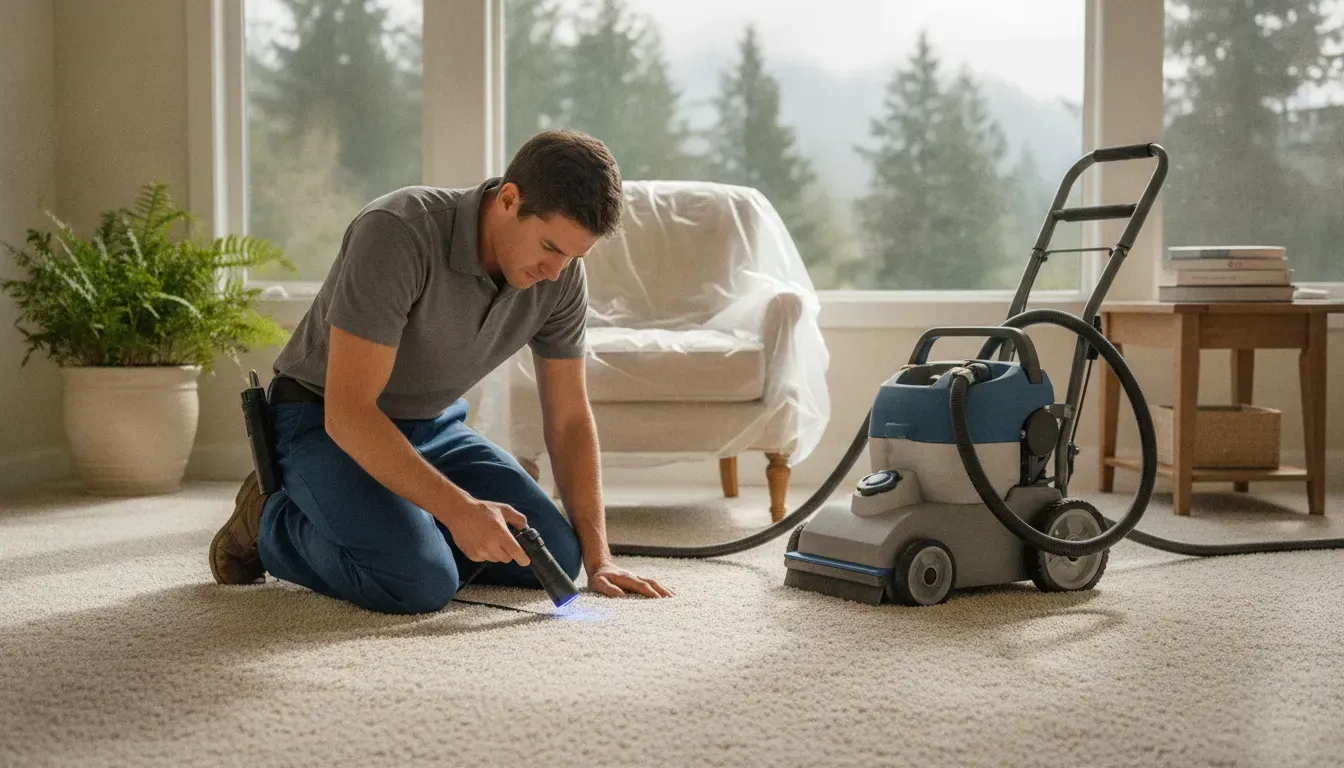
Lingering odors can remain after carpet or furniture looks clean. Cooking residue, smoke, moisture, and other contaminants may settle into fibers, backing, padding, cushions, and nearby porous materials. Professional odor removal carpet upholstery service starts with the likely source, not a fragrance. The goal is a realistic plan for the textile and the surrounding space.
Schedule your South King County or Pierce County odor assessment with Tubro Carpet Cleaning.
Tubro Carpet Cleaning uses IICRC-certified cleaning processes, hot water extraction, and quick-dry technology. Results depend on the odor source, moisture history, textile construction, and condition of materials beneath or around the visible surface.
For related specialty care, visit Specialty Stain Restoration, Pet Odor Removal, and Hard Surface Cleaning by Tubro. This guide focuses on non-pet odor assessment and professional deodorizing.
What Does Professional Odor Removal Carpet Upholstery Service Cover?
Professional odor removal carpet upholstery service can reduce odors when soil or residue in the textile is the main source. A technician reviews the fibers, backing, padding, cushions, moisture history, and nearby materials before choosing a compatible process. Complete removal cannot be promised when contamination is deeper or the source remains active.
Common odor concerns include cooking oils, food aromas, smoke residue, tobacco, body odors, and mustiness after moisture exposure. These odors can settle into carpet, area rugs, sofas, chairs, dining seats, and cushions. The strongest-smelling spot is not always the original source.
- Cooking odors: Airborne oils and food compounds can cling to soft surfaces after repeated exposure.
- Smoke odors: Residue may affect carpet, padding, upholstery, walls, and other porous materials.
- Musty odors: Damp padding, leaks, condensation, or slow drying may continue adding odor.
- Body odors: Frequent use can leave odor-holding soil in rugs, sofas, chairs, and cushions.
- Pet odors: Urine contamination needs a separate assessment because it can reach padding and subfloor materials.
Carpet is a system rather than a single surface. Fibers, backing, pad, subfloor, furniture, and room conditions can all affect the result. Upholstery has its own variables, including fabric, seams, cushion fill, frame components, and manufacturer guidance.
Pet urine deserves special caution. Surface cleaning cannot guarantee complete removal when contamination reaches the pad or subfloor. Complete correction may require removing affected padding and sealing the subfloor. An assessment should explain those limits before work begins.
Odor can also move through a room over time. HVAC airflow, foot traffic, sunlight, and seasonal humidity may change where it seems strongest. That movement does not prove a particular cause, but it gives the technician useful context. Note whether the smell returns after the room is closed or after the textile becomes warm.
For businesses, recurring odor may affect customer areas, employee spaces, waiting rooms, or rental turnover. A service plan can consider traffic, access, furniture, and return-to-use needs. For homeowners, the same review can focus on rooms, routines, pets, and furniture placement.
Summary: Odor service addresses several textile sources, but likely results depend on depth, material, moisture, and conditions beyond the visible surface.
 How Do Cooking, Mildew, and Smoke Odors Differ?
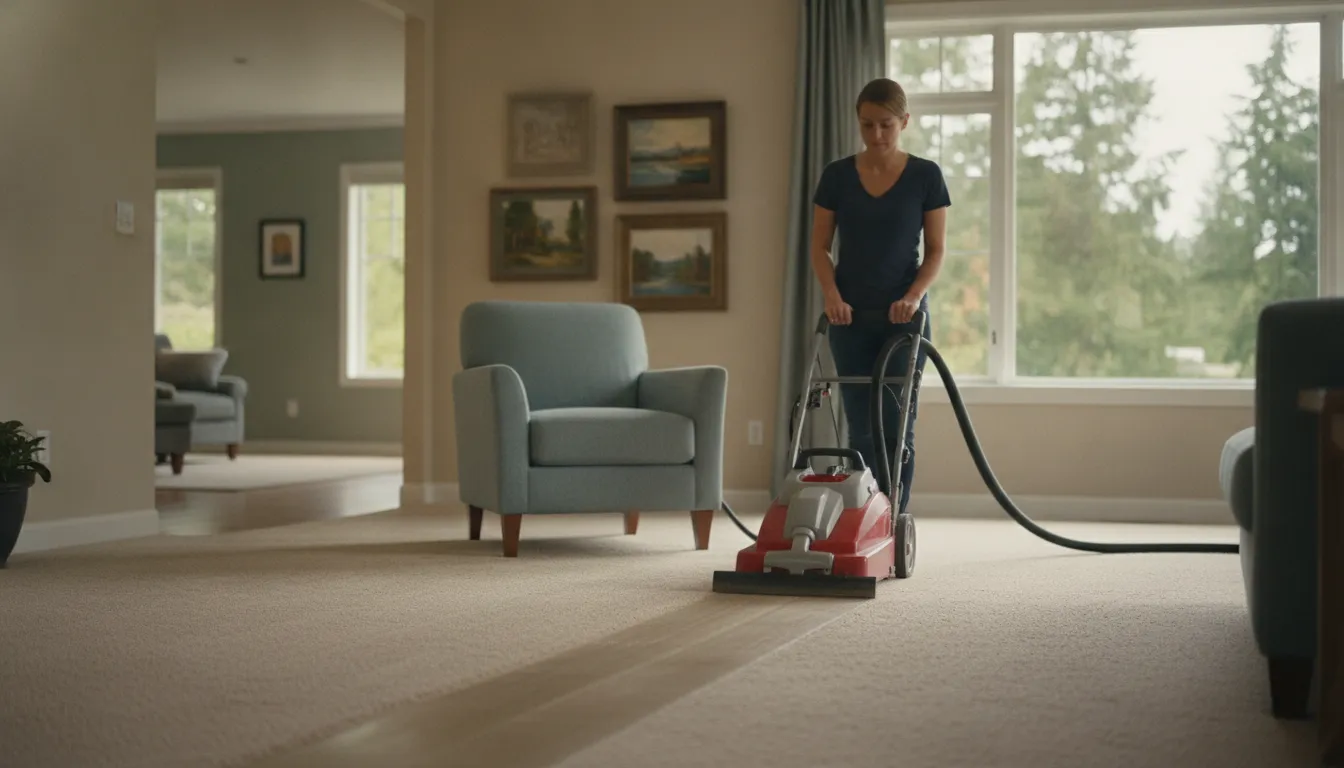
Cooking odors usually involve absorbed food residue. Musty odors require attention to moisture and drying conditions. Smoke can affect several porous surfaces at once. Because these sources behave differently, professional deodorizing should follow an inspection rather than one universal treatment or a guaranteed result.
Cooking odors
Cooking smells can spread through open rooms and settle on carpet, sofas, dining chairs, and other soft furnishings. Oils may cling to fibers after repeated exposure. Professional extraction and compatible deodorizing may reduce the odor when the cooking source is controlled. New residue can settle onto clean textiles if the source continues.
Musty or mildew-related odors
A musty smell calls for a moisture assessment before cleaning. Damp padding, a leak, condensation, or slow drying can keep adding odor to a textile. Cleaning cannot correct a moisture source that remains active. The technician considers carpet layers, furniture, airflow, and drying conditions before recommending service.
Smoke and tobacco odors
Smoke odor can affect more than the carpet face. Residue may remain in backing, padding, upholstered furniture, walls, and other porous surfaces. Professional cleaning may help with affected textiles. Severe exposure may require broader restoration or replacement. No responsible cleaner promises complete removal before inspecting the material and surrounding space.
Summary: Cooking points toward absorbed residue, mustiness requires moisture investigation, and smoke may involve several porous surfaces beyond the textile.
Why Does Masking Odor Fail When the Source Remains?
Fragrance masking changes what you notice without necessarily changing the cause. Odor-producing compounds can remain in carpet fibers, backing, padding, upholstery, or nearby materials. Professional deodorizing evaluates the source, textile construction, and treatment limits. If the source remains active, the odor can return after temporary improvement.
Scented products may cover an unpleasant smell briefly while residue remains in the material. As the fragrance fades, the original odor can return. Adding more fragrance can also make an assessment harder by combining two smells.
The goal is not to make a room smell strongly perfumed. The goal is to understand the material and source well enough to choose a compatible service plan. Clear communication about limits is more useful than a short-lived scent.
Durable odor management begins with source identification. The source may be embedded soil, prior moisture, contaminated padding, smoke residue, or an odor entering from the surrounding environment. A technician considers the full room instead of treating only the strongest-smelling area.
Neutralization does not mean a universal guarantee. It means reducing or changing odor-causing compounds within a compatible professional process. Fiber type, dye stability, backing, cushion construction, moisture tolerance, and the source influence what is appropriate.
Summary: Masking adds fragrance, while professional deodorizing evaluates the source, material, and treatment limits before setting expectations.
For broader service guidance, review Tubro's specialty stain restoration, pet odor removal, and hard surface cleaning services.
Is Professional Odor Removal Carpet Upholstery Service Right for You?
Carpet and upholstery are both textiles, but they have different construction and moisture risks. Carpet may include face fibers, backing, and pad. Upholstery may include fabric, seams, cushions, internal fills, wood, and other components. Material-specific evaluation helps protect the item while addressing odor-holding residue.
Carpet and upholstery odor treatment considerationsConsiderationCarpetUpholsteryOdor locationFibers, backing, and pad may all hold odor.Fabric, seams, cushions, and internal fills may be involved.Material reviewFiber, backing, pad, and moisture history guide the process.Fiber, dye behavior, fabric code, cushion fill, and frame construction matter.Moisture controlExtraction and managed drying address the carpet system.Controlled moisture helps protect fabric, cushions, and surrounding components.For carpet, hot water extraction can help recover soil that holds odor within fibers when the material safely allows it. Padding or subfloor contamination may require a different recommendation. The visible carpet does not always represent the full odor source.
For furniture, a technician may inspect the fabric code, cushion construction, and manufacturer guidance before selecting a lower-moisture or extraction process. Over-wetting can create extended drying or damage to vulnerable components.
Tubro provides professional upholstery cleaning for furniture that needs a material-specific evaluation. Homes and offices can also coordinate carpet and furniture care when the material and odor history support it.
Summary: Carpet treatment may involve fibers, backing, and pad, while upholstery requires careful review of fabric, cushions, seams, and moisture tolerance.
 What Happens During a Professional Odor Assessment?
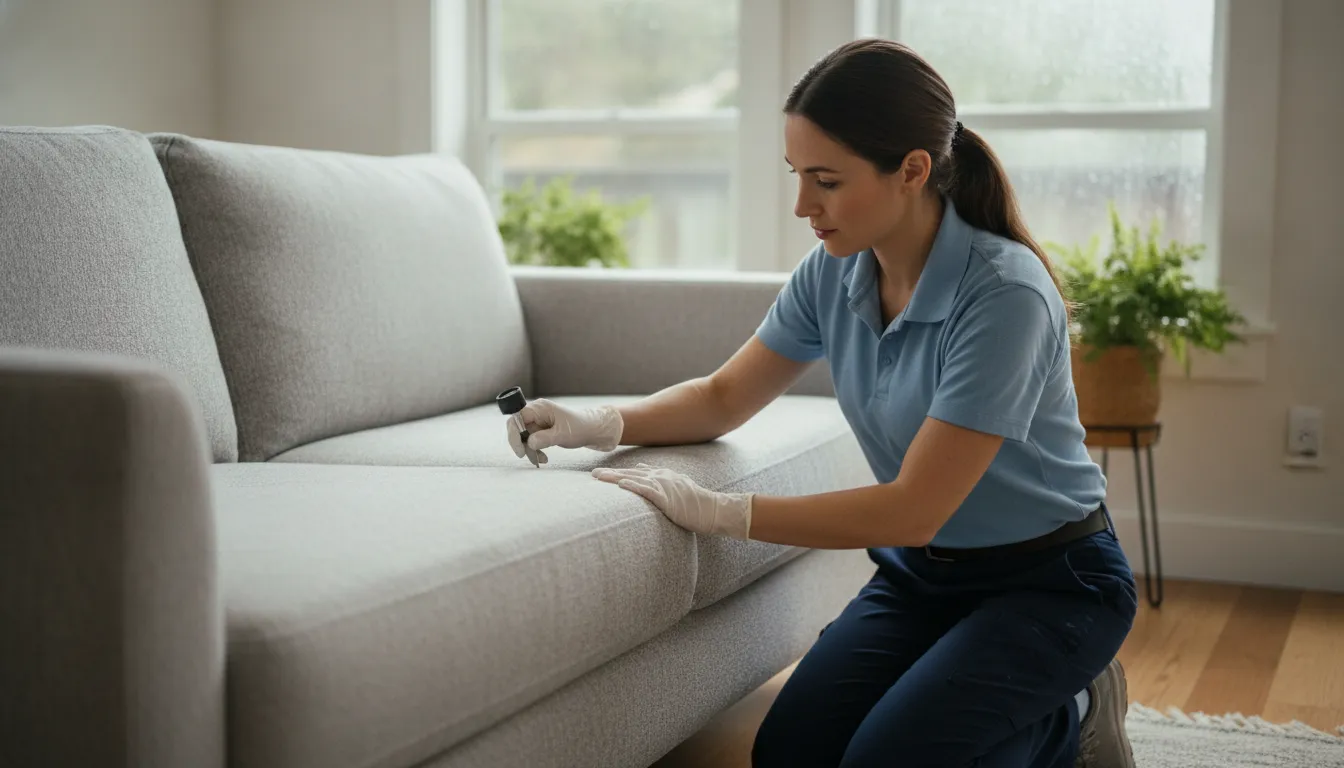
A professional odor assessment connects the odor history to the textile and surrounding space. The technician reviews material, moisture, prior cleaning, and possible sources. The plan should identify what cleaning may improve, what conditions must be corrected first, and when padding, cushions, or other materials need separate attention.
- Inspect the textile. The technician identifies carpet fiber, backing, pad, upholstery fabric, cushion materials, and visible conditions.
- Trace the likely source. The review considers embedded soil, moisture, smoke, pet contamination, nearby materials, and continuing emissions.
- Choose a compatible process. The plan matches extraction, moisture, agitation, and deodorizing to the material and odor depth.
- Plan drying and access. Ventilation, furniture placement, weather, and the property's use affect the service window.
- Explain realistic outcomes. The technician identifies what cleaning may improve and when source correction, pad replacement, or textile replacement may be needed.
Tubro uses quick-dry technology intended to reduce downtime, but drying time depends on the material, moisture used, ventilation, and room conditions. Before booking, describe where the odor is strongest, when it began, whether humidity changes it, and whether the property has experienced smoke, leaks, pets, or prior treatment.
What information helps the technician?
Useful details include the room or furniture affected, the date the odor began, and changes you notice after heating, humidity, or ventilation. Tell the technician about leaks, flooding, smoke exposure, pets, previous cleaning, and products used. Those details help separate a surface residue from an underlying condition.
Access also matters. Move small items from the affected area when practical, identify furniture that should remain in place, and mention rooms with limited ventilation. Offices and rental properties should share occupancy schedules or turnover deadlines. A clear service window helps the technician plan equipment, drying, and safe return to use.
When is routine cleaning not enough?
Routine cleaning may not address an active leak, wet padding, contaminated subfloor, extensive smoke exposure, or damaged upholstery components. Those conditions can continue producing odor after the visible textile is cleaned. The right recommendation may involve source correction, restoration, replacement, or another qualified evaluation.
Tubro's specialty cleaning services can help customers identify whether carpet, upholstery, pet odor, or hard-surface care fits the concern. The service plan should stay tied to the material and the confirmed source, not to a promise that every odor will disappear.
Residential customers can review residential carpet cleaning options. Offices, rentals, and property managers can ask about commercial carpet cleaning when scheduling and return-to-use requirements affect the plan. Learn more about Tubro's local team on the About Tubro Carpet Cleaning page.
How should you prepare for the visit?
Keep the affected carpet or furniture accessible before the technician arrives. Remove small objects when practical, identify pieces that cannot be moved, and point out areas where the odor changes. Share any recent cleaning, water exposure, smoke event, or product use. A clear history helps the technician avoid repeating an unsuitable approach.
Plan for drying and ventilation after service. Keep people and pets away from damp materials until the technician provides return-to-use guidance. Do not cover a freshly cleaned textile with plastic or tightly place furniture against it while it dries. Room airflow and weather can change drying time, even with quick-dry equipment.
For a commercial property, coordinate access with staff, tenants, or building management. Note quiet hours, elevator rules, furniture limitations, and the time the space must be ready. For a home, mention children, pets, allergies, and rooms that need to remain available. These details help shape a practical plan without promising a fixed result.
Odor assessment is also a good time to clarify scope. Ask which materials will be evaluated, what cleaning can reasonably improve, and what conditions may require another service. A careful explanation is more valuable than a broad claim that deodorizing will solve every odor.
Summary: Preparation, access, drying conditions, and an honest odor history help Tubro evaluate the concern and recommend an appropriate next step.
Call Tubro Carpet Cleaning at (253) 499-1028 to discuss your carpet or upholstery odor assessment.
Frequently Asked Questions
Can professional carpet cleaning reduce odors?
Professional carpet cleaning can reduce odors when soil or residue in the textile is the main source. Padding, backing, moisture, or nearby materials may also hold odor. Complete removal cannot be promised before a technician assesses the carpet system and surrounding conditions.
How do professionals address a mildew smell in carpet?
A mildew or musty smell requires a moisture and material assessment. The technician looks for damp padding, affected backing, ongoing leaks, and drying conditions. Cleaning may help after the moisture source is corrected, but it cannot resolve a continuing leak or persistent dampness.
Does professional cleaning reduce smoke smell from carpet?
Professional cleaning may reduce smoke odor in carpet and upholstery when the affected materials can be safely cleaned. Smoke can also affect padding, walls, furniture, and other porous surfaces. Extensive exposure may require broader restoration or replacement.
Can upholstery cleaning reduce cooking smells?
Professional upholstery cleaning can reduce cooking odors absorbed by fabric when the odor source is no longer active. Fiber type, fabric construction, dye stability, and cushion materials determine the safest process. Controlled moisture is important because over-wetting can create additional problems.
When might carpet or upholstery replacement be needed?
Replacement may be considered when odor has permanently affected padding, backing, cushions, or another underlying component, or when contamination cannot be reached safely. A professional assessment should explain whether cleaning is reasonable before service begins.
Ready to Discuss Odor Treatment?
Persistent cooking, musty, smoke, or other non-pet odors deserve an assessment that considers the textile and source together. Tubro Carpet Cleaning can explain whether professional deodorizing is appropriate and what outcome may be realistic.
Call Tubro Carpet Cleaning at (253) 499-1028 to schedule your carpet or upholstery odor assessment.