Area Rug Cleaning Professional Service: What to Expect
August 14, 2026
This is a subtitle for your new post
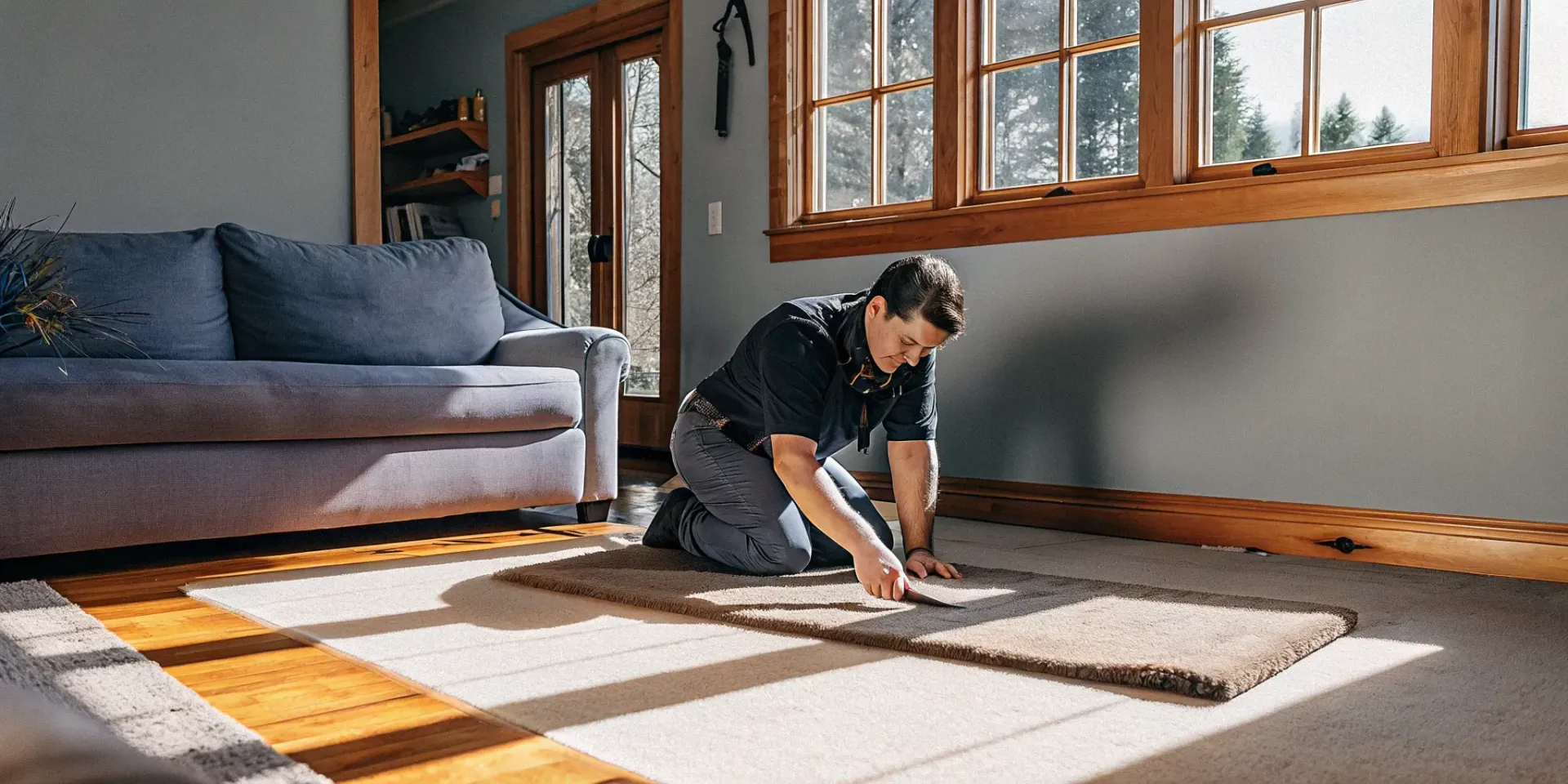
Grimy soles and pet paws ground deep grit into delicate area rug fibers every single day. Walking on this trapped soil causes deep friction that slowly breaks down fine rug threads.
Schedule your Maple Valley area rug cleaning today at (253) 499-1028!
An area rug cleaning professional service removes deep dirt, heavy pet dander, and tough allergens to restore your healthy home and protect delicate, valuable floor coverings. Homeowners can expect a process that begins with a careful fiber check, followed by deep dusting, full washing, and gentle rinsing before a quick drying phase. Certified local technicians use safe, low-moisture methods to clean delicate wool or synthetic rugs without the risky chance of fiber shrinkage or ugly color bleeding. According to the IICRC Tip Sheet on Onsite Area Rugs, controlled facility conditions are always necessary to keep your valuable textile investment safe. This advanced care ensures your favorite rugs look beautiful and last for many years.
While regular care keeps rugs fresh, tough stains often need specialty treatment. For deep odors, read our guide on Specialty Stain Restoration, Pet Odor Removal, and Hard Surface Cleaning by Tubro. To understand what an area rug cleaning professional service involves, the path begins here.
What an Area Rug Cleaning Professional Service Involves
As an IICRC Master Textile Cleaner, I often get asked if steam cleaning works for every rug. Hot water extraction is the standard for most wall-to-wall carpets. But when you need an area rug cleaning professional service, the answer is not always yes. Some rugs require different care to avoid real damage.
The risk of rug shrinkage and buckling
Woven rugs often contain a mix of natural fibers like cotton, jute, or wool. Because of these fibers, woven area rugs may suffer shrinkage or buckling after wet cleaning. When natural fibers absorb water, they swell and contract. This can warp the rug shape or leave it with wavy edges. It is very hard to flatten a buckled rug.
Dyes are another concern. Many fine rugs use soft dyes that can bleed under high heat and moisture. Hot water extraction uses strong water sprays that can make these dyes run. This ruins the beautiful patterns of your rug. For these reasons, steam cleaning is not safe for hand-woven or antique rugs.
Controlled in-plant cleaning vs low-moisture methods
To protect delicate rugs, the industry uses special methods. The IICRC S-100 Standard suggests that area rugs be removed from the home or business to be cleaned under controlled in-plant conditions. A special plant allows crews to control heat, water flow, and drying speed. This space is much safer for delicate fibers than your living room floor.
For some rugs, a cleaner might use a low-moisture system instead of full steam cleaning. The risk of shrinkage may be lessened but not completely stopped through the use of low-moisture cleaning methods. Pro cleaners always test the rug fibers first. This helps them choose the safest way to clean without harming the fabric.
A complete professional rug wash process
While steam works well for synthetic rugs, fine textiles need a gentler touch. According to research from George Washington University, proper care involves a multi-step process. This process includes deep dusting to remove dry soil, a safe bath wash, and fast drying. Dusting gets rid of deep grit that vacuums miss. A bath wash cleans the fibers safely without high heat.
Synthetic rugs made of nylon or polyester can often handle hot water extraction. These rugs are tough and do not shrink easily. But for wool, cotton, or silk, hot water extraction is often too harsh. A pro service will inspect your rug to find the best cleaning method.
While synthetic area rugs handle hot water extraction well, woven or delicate rugs require controlled in-plant cleaning. Low-moisture methods and professional washing processes protect these fibers from shrinkage, buckling, and dye bleeding.
Wool, synthetic, and oriental rugs: different cleaning requirements explained
Every rug in your home has its own story, fiber type, and build. Because of this, one single cleaning method will not work for all of them. To protect your rugs, you need an area rug cleaning professional service that knows these fiber types.
Wool rug traits and care
Wool is a natural fiber. It is strong, but it can hold a lot of water. Because of its shape, wool can trap dry soil deep down in the pile. Our team has learned that woven wool rugs often shrink or buckle when they get wet. This happens because makers use different fibers to build them. To prevent this, we use low-moisture methods that lessen the risk of shrinkage, though they do not fully remove it.
Our team receives full training to care for wool and synthetic fibers. We know that every fiber needs a special touch. We know how to wash these rugs safely without harming the soft fibers or causing the colors to bleed.
Synthetic rug traits
Synthetic rugs are made of man-made fibers like nylon, polyester, or olefin. These rugs are tough and resist stains well. They do not shrink as easily as natural wool. But synthetic rugs still need expert care to stay in top shape. Dirt and oils can build up and make the fibers look dull. Our team is fully trained to handle synthetic fibers. We use deep extraction tools to pull out the hidden dirt from the base. A local rug cleaning service can restore the bright colors of your synthetic rugs.
Oriental rug care
Oriental rugs are often hand-knotted works of art made of fine wool or silk. They are fragile and easily damaged by water and heat. If you wash them the wrong way, the natural dyes can run and ruin the patterns. Standard home cleaning can cause lasting harm to these rugs. To wash them safely, experts use a multi-step process that protects the fine fibers. This keeps the backing strong and prevents the colors from fading.
This process includes gentle dusting, careful washing, and controlled drying. You can study these old care steps on this George Washington University page. Our trained team knows how to handle these old and valuable pieces with care. We use the right tools to protect your family heirloom and keep it beautiful for years.
Each rug type needs unique levels of water, heat, and care to prevent shrinkage and color bleeding. Professional rug care ensures that wool, synthetic, and oriental rugs are cleaned safely based on their specific fiber needs.
How Tubro cleans area rugs on-site vs. drop-off
Choosing an area rug cleaning professional service gives you two main paths. You can clean on-site at your home, or you can drop the rug off at our plant. For many rugs, the IICRC S-100 Standard suggests that area rugs be removed from the home. Cleaning them under controlled in-plant settings keeps your rug safe and yields the best results.
The ease of on-site rug cleaning
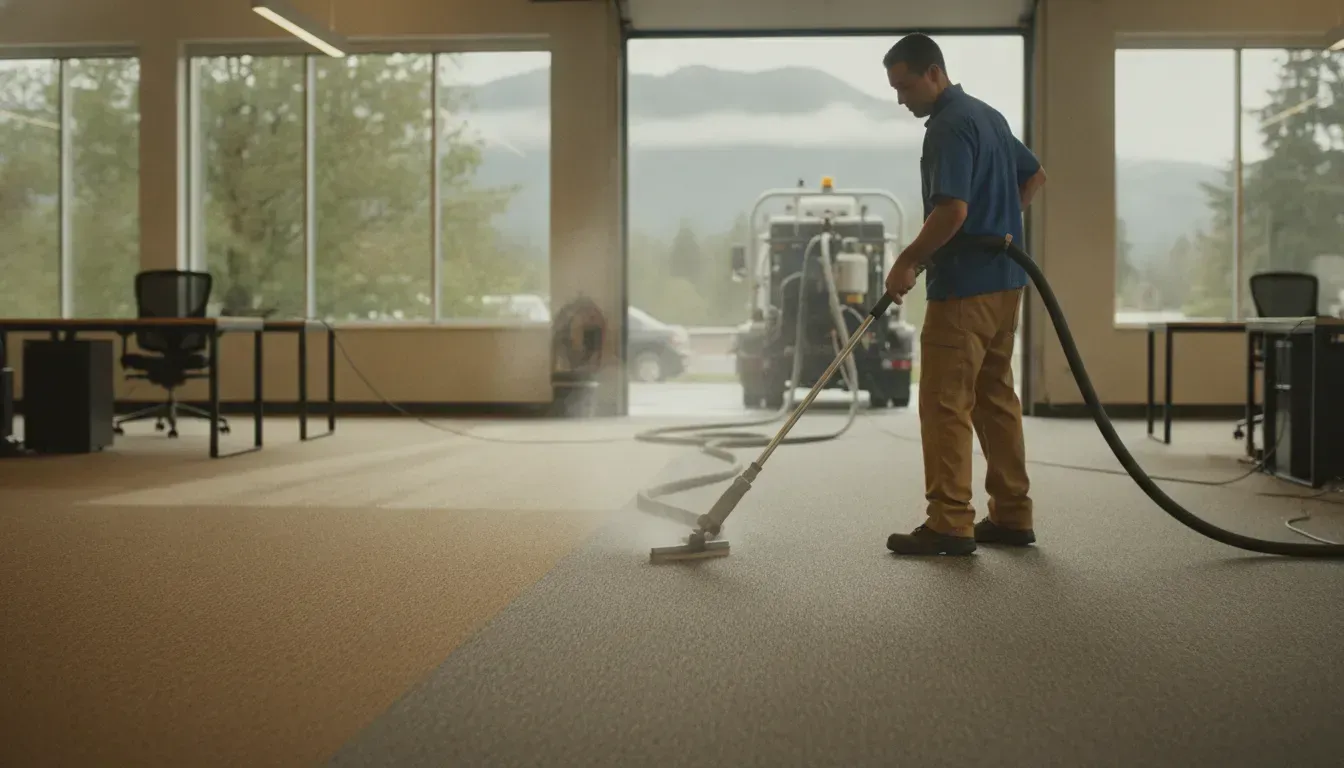
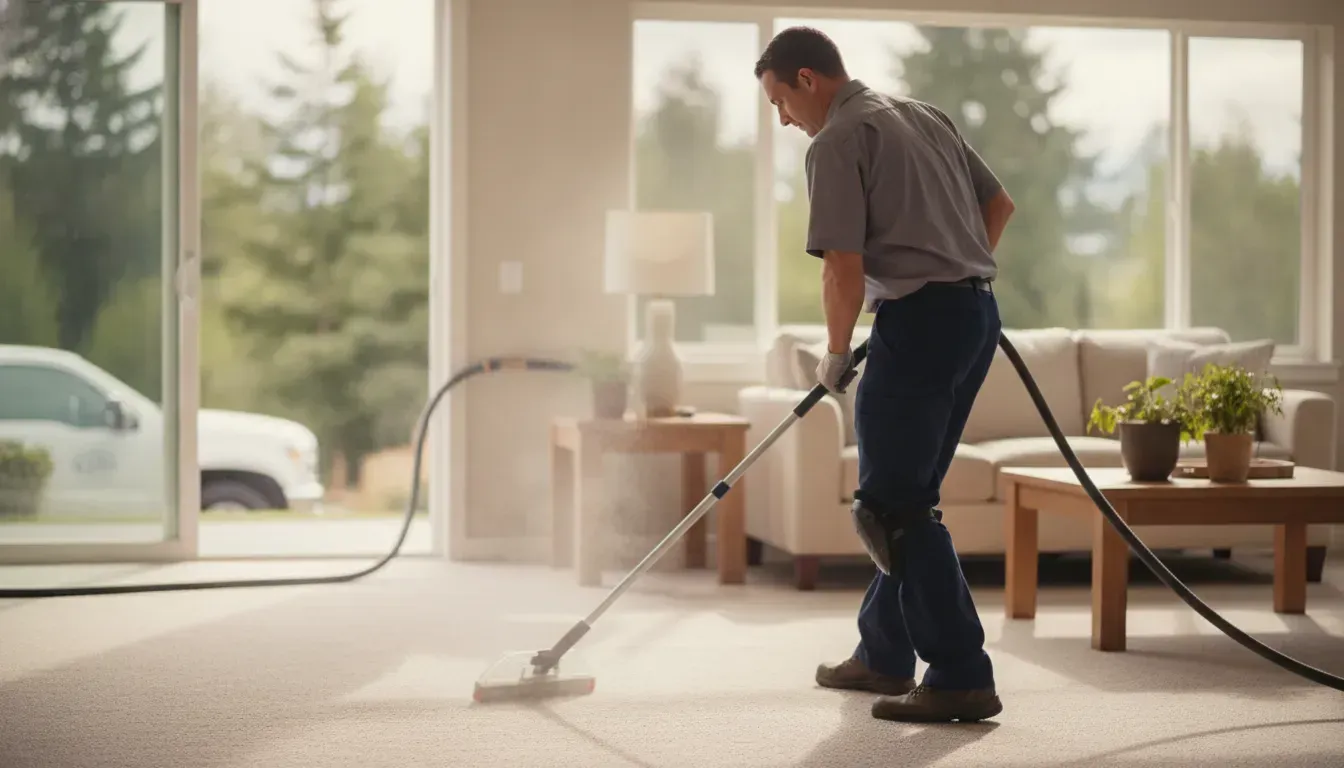
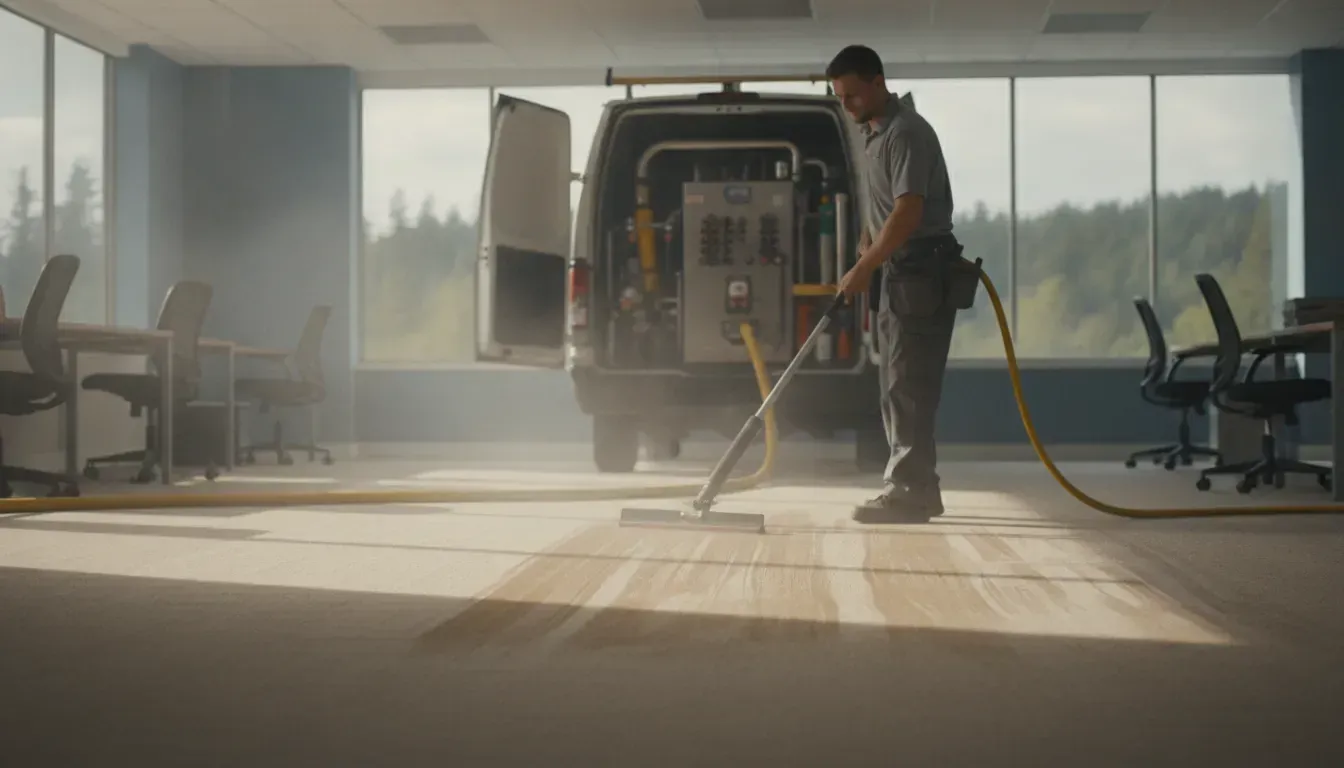
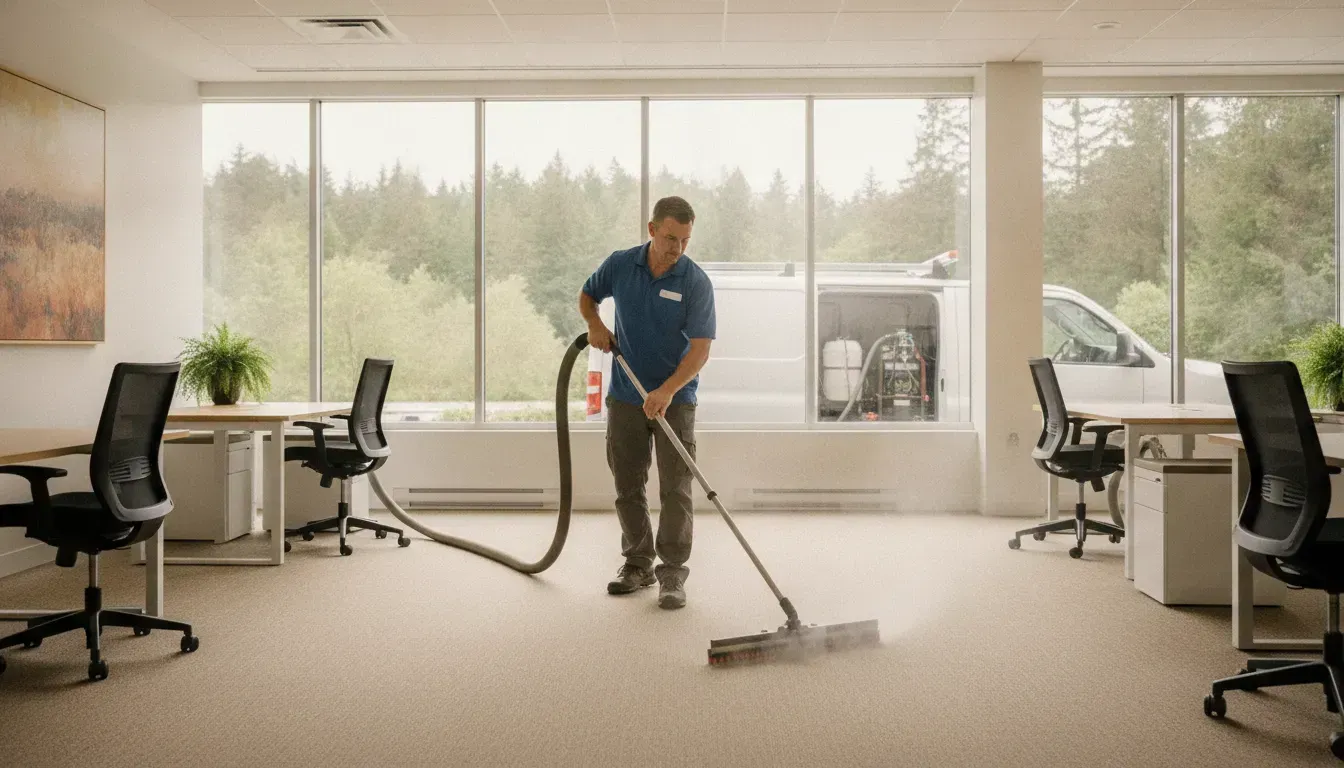
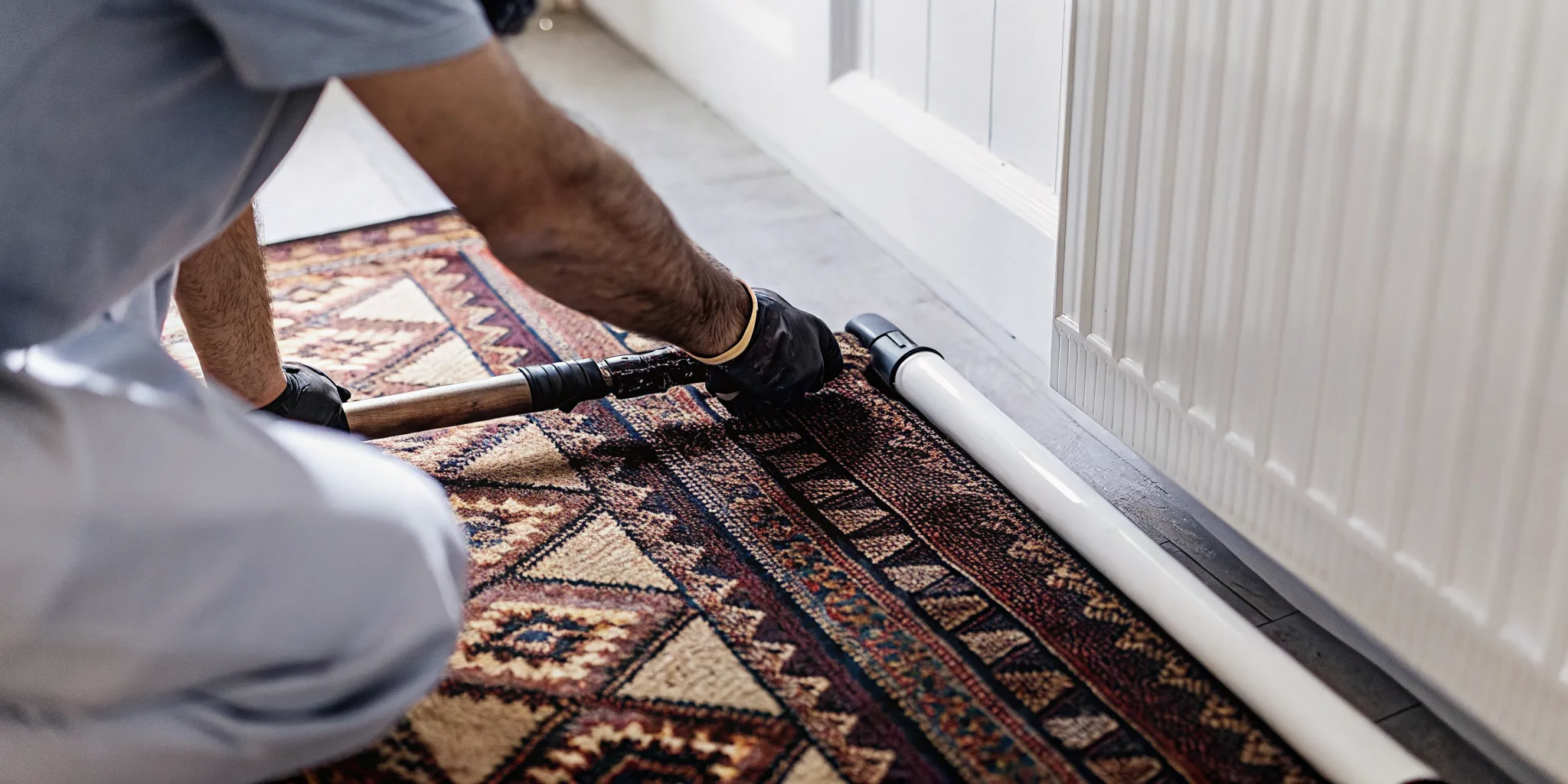
On-site cleaning is quick and easy. Our team comes to your home to clean your rug on your floor. We use truck-mounted hot water extraction tools to pull out dirt and dust.
Our truck-mounted system uses strong suction. This pulls out most of the water so your rug dries fast. Most rugs dry in six to twelve hours. This speed is great for busy families with pets or kids.
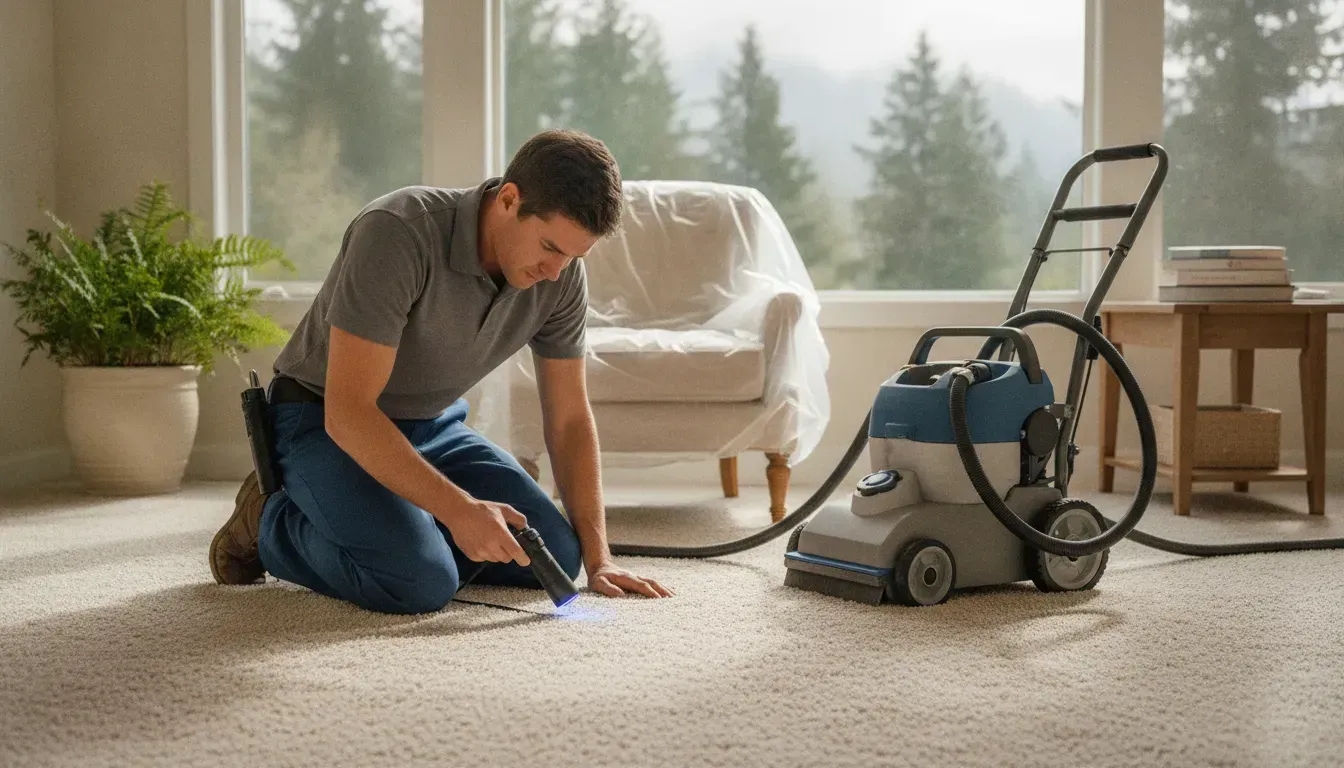
However, some rugs do not handle heat or wetness well. The IICRC tip sheet notes that on-site rug cleaning should only be done by an IICRC-certified technician.
This expert must have proper training in safe and helpful cleaning methods. Our team has this training and can assess your rug first. If you need a local rug cleaning service in Renton, our team will test your rug first.
The deep care of in-plant rug washing
Some rugs need extra care that we cannot give at your home. For example, rugs prone to shrinkage or edge curling are best cleaned in-plant. In our plant, we can control the air moisture and other risks. This prevents damage to fine fibers like wool or silk.
In-plant care uses a thorough multi-step process. First, we inspect the fibers. Next, we use dusting to beat out dry soil. Dusting is a key step that home vacuums cannot match.
It removes deep grit from the base of the rug. This grit acts like sandpaper and cuts rug fibers over time. Removing it first helps the wash clean much better. Then, we wash and rinse the rug.
Finally, we use controlled drying to keep the shape safe. If your rug has fine dyes, this is the best path to keep it looking new.
Comparing your rug care choices
Choosing between these two methods depends on your rug type and your schedule. On-site cleaning is fast and keeps the rug in your home. In-plant washing takes more time but gives a much deeper clean. Here is a quick look at how the two paths compare.
FeatureOn-Site CleaningIn-Plant WashingMoisture ControlStandard air dryingControlled dry roomEaseHigh, done in your homeRequires drop-off or pickupDeep-CleaningGood for light surface dirtDeep wash for embedded soilCostOften lower per visitHigher due to advanced stepsBest For Which RugsSynthetic and sturdy rugsWool, silk, and fine rugs
While on-site cleaning offers speed for sturdy rugs, in-plant washing provides the safe moisture control needed for fine wool pieces.
How often should area rugs be professionally cleaned?
As an IICRC Master Textile Cleaner, I often see homes where rugs are left too long without a deep wash. Dirt hides deep down in the fibers. It acts like sand, cutting the threads every time you step on them.
For most homes, professional cleaning is recommended every 12 to 18 months. This routine helps to extend the life of your rug. It also pulls out deep dust and allergens that normal vacuuming cannot reach.
General cleaning timelines
Most rug makers and cleaning guides suggest a clear plan. A professional deep clean every year or year and a half is best. This care keeps the pile soft and strong.
It also stops fibers from matting down. This multi-step process includes thorough dusting, washing, and controlled drying to safely restore the fibers. This care protects your home and your rug. You can learn more about these steps from professional rug washing research done by George Washington University.
Factors that change the schedule
Your actual cleaning timeline depends on how you use your rooms. A rug in a quiet guest room can go much longer without a wash. It does not collect much dirt.
But rugs in busy spaces need care much more often. For example, homes in Renton or Enumclaw may have high foot traffic or muddy shoes. In these cases, you should hire a local rug cleaning service every 6 to 12 months.
You will need more frequent cleanings if you have certain active household factors. Look at this list of reasons to clean your rugs more often:
- Pets that shed dander, track in dirt, or have accidents
- Young children who play and crawl on the floor
- Heavy foot traffic in main hallways or entryways
- Rugs placed near outer doors where mud and dust enter
Preventing wear between cleanings
There are easy steps you can take to protect your rug between visits. For instance, you should rotate your rug once or twice a year. This rotation helps prevent uneven wear and localized fading from sun exposure.
When it is time for a deep wash, using an area rug cleaning professional service will keep your floors in top shape. If you need help, a local rug cleaning service can guide you on the best care.
To keep your area rugs beautiful and clean, aim for a professional cleaning every 12 to 18 months. Busy homes with pets or children may need a wash every 6 months to remove deep dirt.
Area rug cleaning cost: what factors affect the price
How much does it cost to clean an area rug professionally? The price of a professional rug cleaning service depends on some key things. We believe in upfront, clear, no-surprise pricing. You will always know the exact cost before we start our work.
Rug size and fiber type
Rug size is the main factor in the final price. Technicians measure the width and length of your rug to find the total square feet. Large rugs take more time, soap, and space to clean. Because of this, bigger rugs cost more than small mats.
The fiber type of your rug also changes the price. Rugs made of wool or silk need special care and gentle washing. In contrast, synthetic rugs made of nylon or polyester are easier to clean and cost less. Homeowners who search for a local rug cleaning service often have a mix of these rug types in their homes.
A deep, multi-step process for a thorough area rug cleaning professional service includes detailed dusting, washing, and controlled drying. This high level of care protects fine fibers but takes extra effort, which affects the final price.
 Cleaning locations and soil levels
Where we clean your rug also affects what you pay. Cleaning a rug on-site at your home is fast and simple. But some rugs are fine and must go to a special plant. Safe drying and washing in a plant take extra labor, which shifts the price.
The soil level of the rug is another major price driver. Rugs with deep mud or heavy spill stains need pre-treatment and extra care. If a rug has years of built-up dirt, the technician must spend more time to restore it. This added labor can increase the price of the job.
Special treatments and odor removal
Special treatments can add to the total cost. If you have pets, your rug may have tough urine spots and bad odors. To treat pet odors, we must clean the fibers deeply and remove the smell. This is different from a normal wash and needs extra products.
We want you to have the best service without any surprises. For an upfront, clear price on your professional rug cleaning, please call Tubro at (253) 499-1028 today. Our friendly team will help you find the best care for your rug.
Call (253) 499-1028 today to get a clear quote for your area rug cleaning service.
The price of professional area rug cleaning is based on size, fiber type, soil levels, and any special odor treatments. For clear, upfront pricing with no surprises, call Tubro today to get a custom quote.
How to keep your area rug in great shape between professional cleanings
Daily care keeps your home rugs looking fresh and clean. This light routine care does not replace an area rug cleaning professional service, but it will help protect your rug fibers. Taking care of your rugs now will make them last much longer.
The value of routine home care
Fine dust and dirt can settle deep into your rug. Over time, these small bits act like tiny knives that cut your rug fibers. Gentle care keeps this dirt from building up between your deep cleanings. Without this care, traffic will grind the dirt even deeper.
As shown by research from the George Washington University Museum, historic rug care has long relied on deep dusting to save delicate fabrics. At home, you can use simple tools to keep your rugs clean and safe.
Simple steps for daily rug preservation
You can protect your floor coverings with a few quick habits. These tasks are easy. Follow these steps to keep your rugs in top shape:
- Vacuum the rug back: Flip your rug upside down and use an upright vacuum with a beater bar. This helpful step shakes loose dry soil deep in the fibers.
- Rotate your rug: Turn your rug once or twice a year. This prevents uneven wear and fading from foot traffic or sunlight. It keeps the colors looking bright and even across the whole surface.
- Vacuum the front gently: Clean the front of the rug often. Avoid using a heavy brush on delicate fringe, as this can cause tears.
Handling tough spots and odors
Accidents happen, but you must be careful with how you handle them. Home stain removers often have harsh chemicals that can bleach wool or cause dyes to run. Do not use strong DIY spot treatments on your area rugs. These products can lock in the stain and ruin the rug forever.
If you face tough spots or bad smells, our guide on Specialty Stain Restoration, Pet Odor Removal, and Hard Surface Cleaning by Tubro offers helpful tips. For deep dirt or old stains, a pro team is the best choice to save your rug. Professionals have the right tools to treat issues without causing damage.
To keep your area rugs looking best, use gentle vacuuming and turn them twice a year. This simple home routine protects your rug fibers and extends their life until your next deep cleaning.
Frequently Asked Questions
Why should you choose an area rug cleaning professional service?
A professional service has the right tools and training to deep clean rugs without causing damage. Trained technicians check fiber types to avoid color bleeding, shrinking, and heavy wear. According to the IICRC, some rugs may shrink or buckle due to their materials, making expert care vital to protect your home investment.
How much does it cost to clean an area rug professionally?
The cost to clean an area rug depends on its size, fiber type, and soil levels. Delicate wool or antique oriental rugs need special care and cost more than basic synthetic rugs. Cleaning a rug on-site is often cheaper than in-plant cleaning, but in-plant care is safer for delicate fibers. Contact a local pro to get an accurate quote for your specific rug.
Is it safe to clean an area rug yourself?
Cleaning a delicate rug yourself is risky. Standard home carpet machines use too much water, heat, and harsh soaps that can ruin delicate fibers or cause colors to bleed. Renting a machine or using store soaps can also leave a sticky residue that attracts more dirt. To protect your rug from shrinking or bleeding, it is best to hire a professional team.
How long does it take for a professionally cleaned rug to dry?
Most professionally cleaned rugs dry within 6 to 12 hours. The exact drying time depends on the rug's thickness, fiber type, and the humidity in your home. Professional technicians use high-power extraction tools to remove most of the water. Keeping your windows open or running fans can help speed up the drying process.
Are You Ready to Schedule Your Professional Area Rug Cleaning?
If you leave dirt and grit deep inside your rugs, those sharp pieces will slowly grind down the yarn and fade the bright colors. Every step on a dirty rug rubs those hard bits against the backing, which causes deep damage that is very hard to fix. Booking a deep professional wash today removes that trapped dirt right away and keeps your home looking clean, safe, and fresh for years.
Ready to get started? Call (253) 499-1028 to schedule your professional area rug cleaning with our friendly team of local experts today. Our professional team is ready to help you keep your favorite rugs clean, fresh, and beautiful for many years.