
Carpet Cleaning for Allergies Pacific Northwest Guide
July 28, 2026
Practical carpet care for allergy-conscious homeowners in the Pacific Northwest
Allergy season can feel longer in the Pacific Northwest, where damp air and outdoor pollen create persistent indoor challenges. Carpets hold dust, pet dander, and biological particles in their fibers, sometimes for months or years. Professional residential carpet cleaning in Maple Valley can help reduce that accumulated load while supporting a healthier cleaning routine.
Schedule your carpet cleaning with Tubro Carpet Cleaning at (253) 499-1028.
Carpet cleaning for allergies Pacific Northwest homes can be most effective when professional cleaning is combined with consistent HEPA-filtered vacuuming. This approach helps reduce dust mite allergens and other particles trapped in carpet, while proper drying helps manage moisture concerns.
As an IICRC-certified local cleaner serving South King and Pierce Counties, Tubro Carpet Cleaning considers both the carpet fibers and the region's damp conditions. Understanding how pollen, humidity, and mold spores affect carpets explains why a careful cleaning plan matters.
Carpet Cleaning For Allergies Pacific Northwest: Why Pacific Northwest Pollen and Mold Spores Make Carpet Care Especially Important
Summary: Persistent Pacific Northwest humidity can leave carpet fibers holding moisture, while seasonal pollen and household dust settle deep below the surface. Consistent professional cleaning helps reduce the accumulated particles that can aggravate indoor allergy concerns.
The Pacific Northwest has a distinctive indoor-air challenge. Humidity often remains above 60% for much of the year, allowing carpet fibers to absorb moisture from the surrounding air. Damp fibers can create conditions that support allergen accumulation, especially when rooms have limited ventilation or carpets do not dry fully after cleaning. Regional moisture guidance identifies this persistent humidity as a reason to pay closer attention to carpet care.
Evergreen pollen is another seasonal factor. Particles enter homes on shoes, clothing, pets, and through open windows. Once inside, they do not remain only on visible surfaces. Foot traffic and normal household activity push pollen beneath the carpet pile, where it can mix with dust and pet dander.
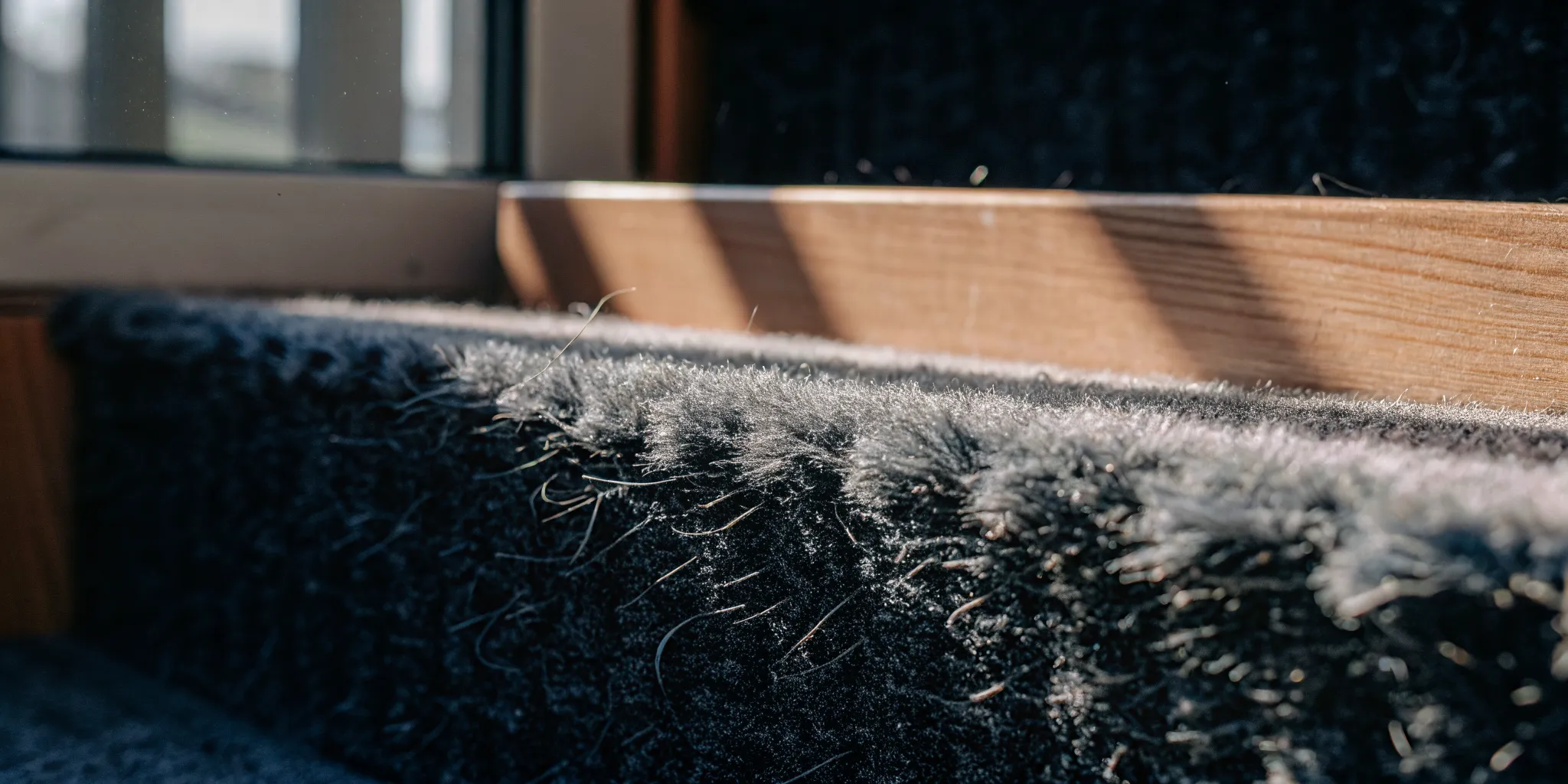 Carpet can function as a long-term repository for dust, dander, dirt, and other biological particles. Without thorough cleaning, these materials may remain in the fibers for months or years. That does not mean every carpet causes symptoms, but it does explain why surface-level cleaning cannot address the entire soil load.
House dust may also contain more than ordinary dirt. Research describes dust as a repository for heavy metals, pesticides, polycyclic aromatic hydrocarbons, persistent organic compounds, mold, and mite-related biological particles. These findings reinforce the value of reducing accumulated dust rather than allowing it to circulate through repeated foot traffic and airflow. The cited indoor-dust study connects intensive HEPA vacuuming with reduced pollutant and dust-mite allergen loading in carpet.
Why dry conditions matter
Unlike regions with long periods of dry heat, Western Washington homes may not receive enough natural drying to quickly offset moisture brought indoors. Professional technicians account for this risk by using IICRC-aligned methods and controlled moisture. The goal is a thorough clean without leaving carpet unnecessarily damp.
For homeowners in South King and Pierce Counties, a Pacific Northwest carpet cleaning experts guide can help identify appropriate service considerations for local homes and seasonal conditions.
How Often Should Allergy Sufferers Clean Carpets in Western Washington?
Summary: Allergy-focused homes in Western Washington often benefit from professional carpet cleaning every three to four months, while lower-traffic homes may follow a six-month maintenance schedule. Adjust the timing for pets, children, visible soil, and changing allergy symptoms.
There is no single schedule that fits every household. Carpet cleaning frequency depends on foot traffic, pets, carpeting in bedrooms, indoor moisture, and how strongly household members react to dust or allergens. In the damp Western Washington climate, a consistent schedule helps prevent months of buildup between professional visits.
For allergy households, pair professional service with routine HEPA-filtered vacuuming. HEPA vacuuming is a fundamental step for reducing allergen and pollutant loading in carpet. A study available through the National Institutes of Health found that repeated HEPA vacuuming combined with dry steam cleaning reduced house dust mite allergen loading by 85.5% in the study homes. That result supports a layered approach, not a one-time cleaning promise.
Suggested professional cleaning intervals
- Every three to four months: A practical starting point for homes with diagnosed allergies, pets, children, or heavy daily traffic.
- Every four to six months: A reasonable interval for moderate-traffic homes where residents experience seasonal symptoms.
- Every six months: A maintenance schedule for lower-traffic homes without pets or persistent allergy concerns.
- After major events: Consider service after remodeling, a move, water exposure, or prolonged periods of heavy indoor activity.
These intervals are planning guidelines, not medical treatment. If symptoms continue, consult a qualified healthcare professional and follow their recommendations. From an IICRC cleaning perspective, earlier service makes sense when carpet remains visibly soiled, develops a persistent odor, or receives more traffic than usual.
For practical guidance on building a routine, read about regular carpet cleaning for allergy relief. Tubro Carpet Cleaning can help Western Washington homeowners choose a service interval based on their home's traffic, flooring, and cleaning needs.
Which Allergens Carpet Cleaning Can and Cannot Remove
Professional carpet cleaning can reduce contaminants held in carpet fibers, but it cannot correct every source of indoor air pollution. Carpets may retain dust, pet dander, dirt, and biological particles for months or years when they are not cleaned. Research on carpet pollutants also identifies heavy metals, pesticides, polycyclic aromatic hydrocarbons (PAHs), persistent organic compounds, mold, and mite allergens in house dust.
What professional carpet cleaning can reduce and what it cannot fixContaminant or conditionWhat cleaning can doWhat cleaning cannot doDust mites and mite allergensHEPA-filtered vacuuming and professional steam cleaning can reduce allergen loading in carpet.It cannot prevent mites from returning when moisture, dust, and humidity remain.Pet dander and tracked-in soilExtraction removes embedded particles, soil, and dander from the carpet pile.It cannot stop pets, shoes, or outdoor debris from bringing in new material.Pollen and mold spores on carpetCleaning can remove settled particles from fibers and reduce the load carried through the room.It cannot stop outdoor pollen from entering or repair active moisture problems.Bacteria and PAHs held in dustThorough vacuuming and extraction can reduce contaminated dust and biological particles. A study found repeated HEPA vacuuming with dry steam reduced HDM allergens by 85.5% in study homes.It cannot guarantee a sterile carpet or remove every pollutant from the home.Structural mold in subflooringSurface cleaning may remove affected carpet soil when the underlying material is sound.It cannot remediate mold inside subflooring. Moisture correction and qualified remediation may be necessary.Construction dust in HVAC systemsCarpet cleaning can address dust that settled on the floor.It cannot clean dust inside ductwork or HVAC equipment. That requires an appropriate HVAC service.Severe pet urine saturationAssessment and professional cleaning may improve affected carpet when contamination is limited.Deep saturation can reach padding or subflooring and may require replacement rather than cleaning alone.
Summary: Professional carpet cleaning can reduce allergens and pollutant-bearing dust within carpet, but allergy management also requires controlling moisture, HVAC contamination, outdoor entry, and structural sources.
Best Carpet Cleaning Method for Allergy Relief: Hot Water Extraction Explained
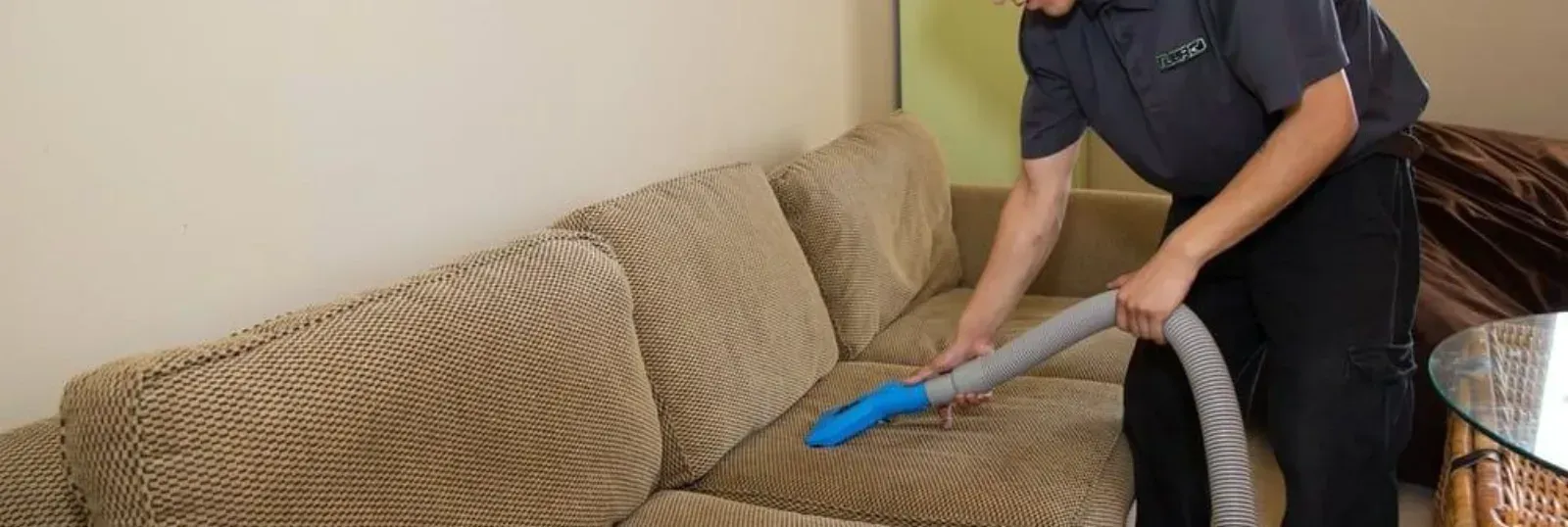
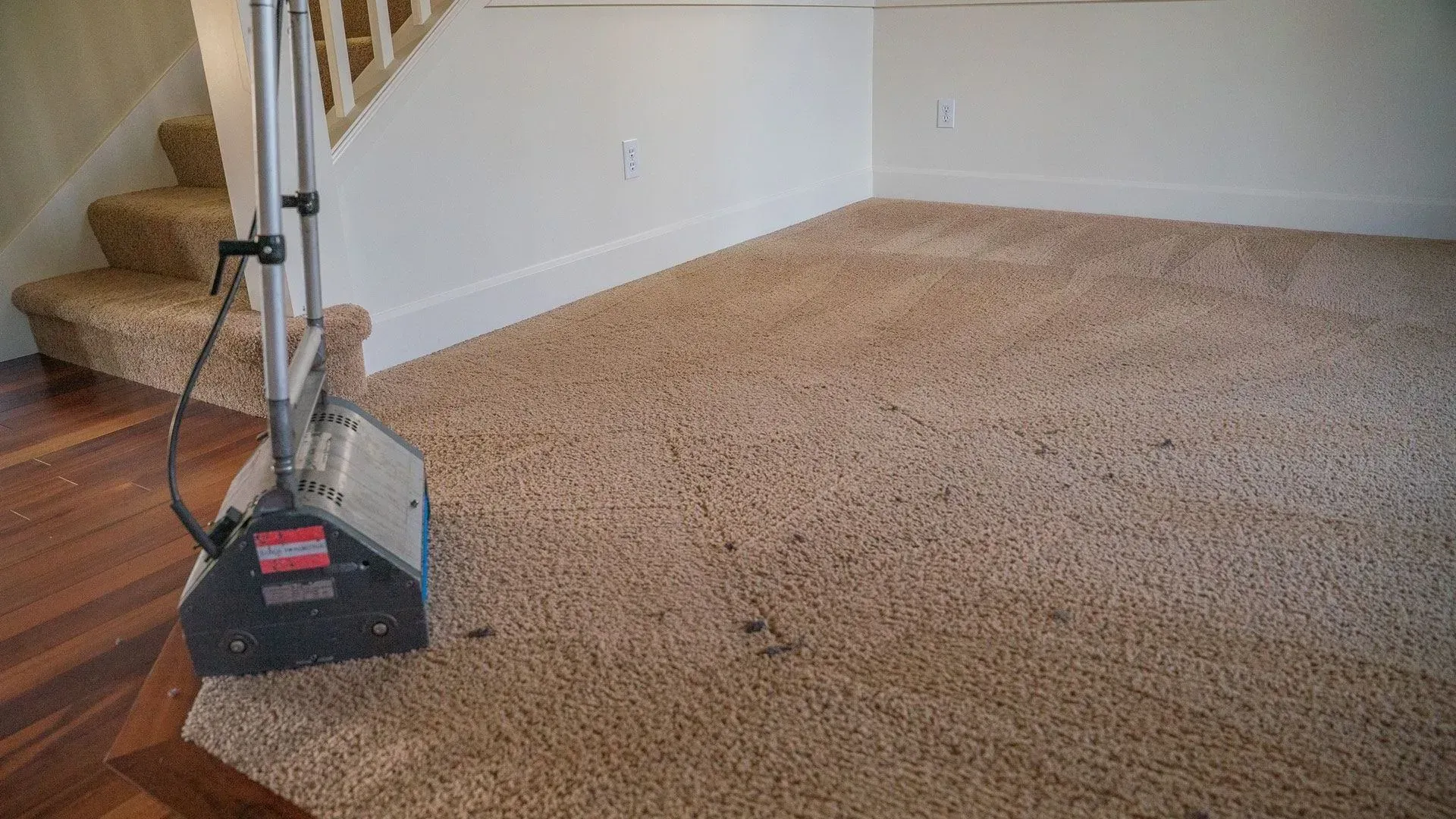
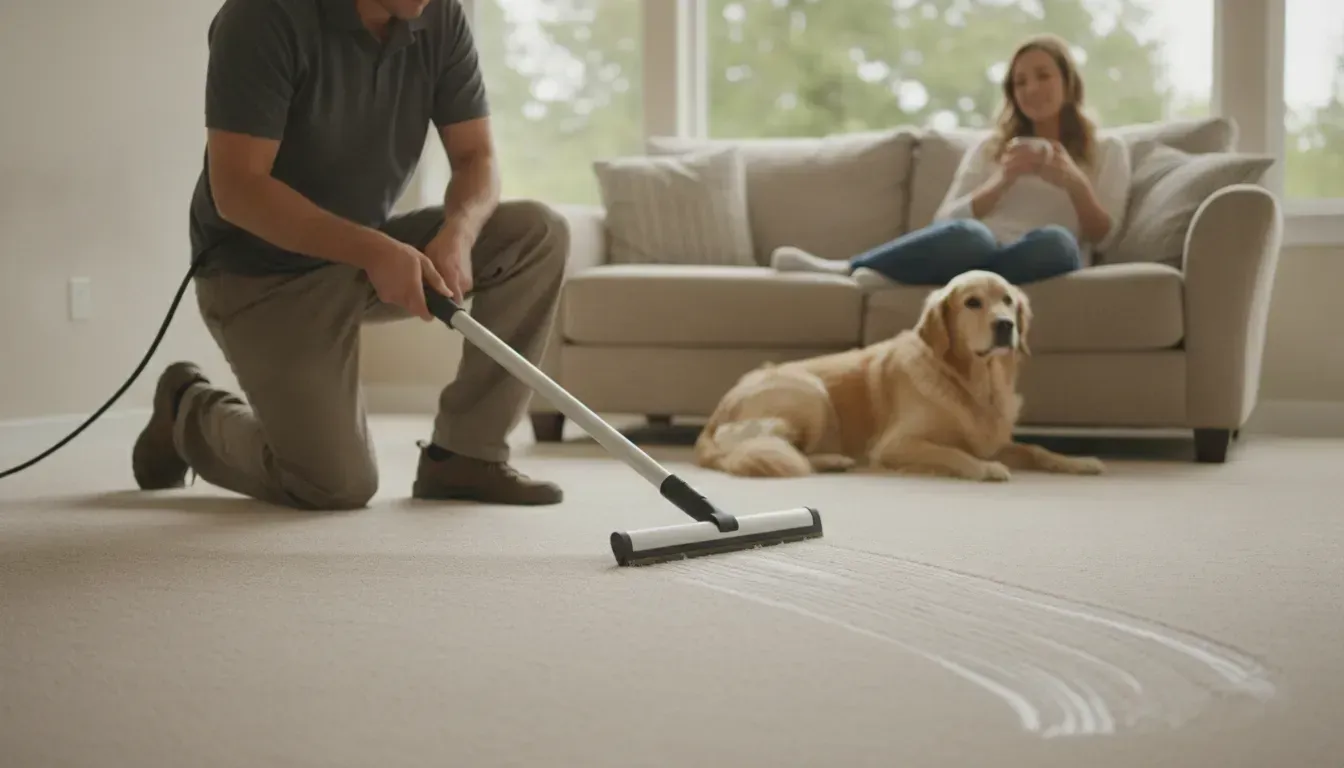
For households managing indoor allergens, hot water extraction offers a thorough way to flush dust, dander, and suspended particles from carpet fibers. The process combines a carefully selected cleaning solution with heated water and powerful extraction. That combination helps remove soils instead of simply moving them around.
A published study found that dry steam cleaning combined with repeated HEPA vacuuming reduced house dust mite allergen loading by 85.5% in study homes. The research also identified intensive HEPA vacuuming as an important part of reducing pollutants in carpet. This supports a professional cleaning approach that combines agitation, heat, and recovery rather than relying on surface vacuuming alone. Read the NIH-published study.
Schedule your Pacific Northwest carpet cleaning today
Why truck-mounted extraction helps
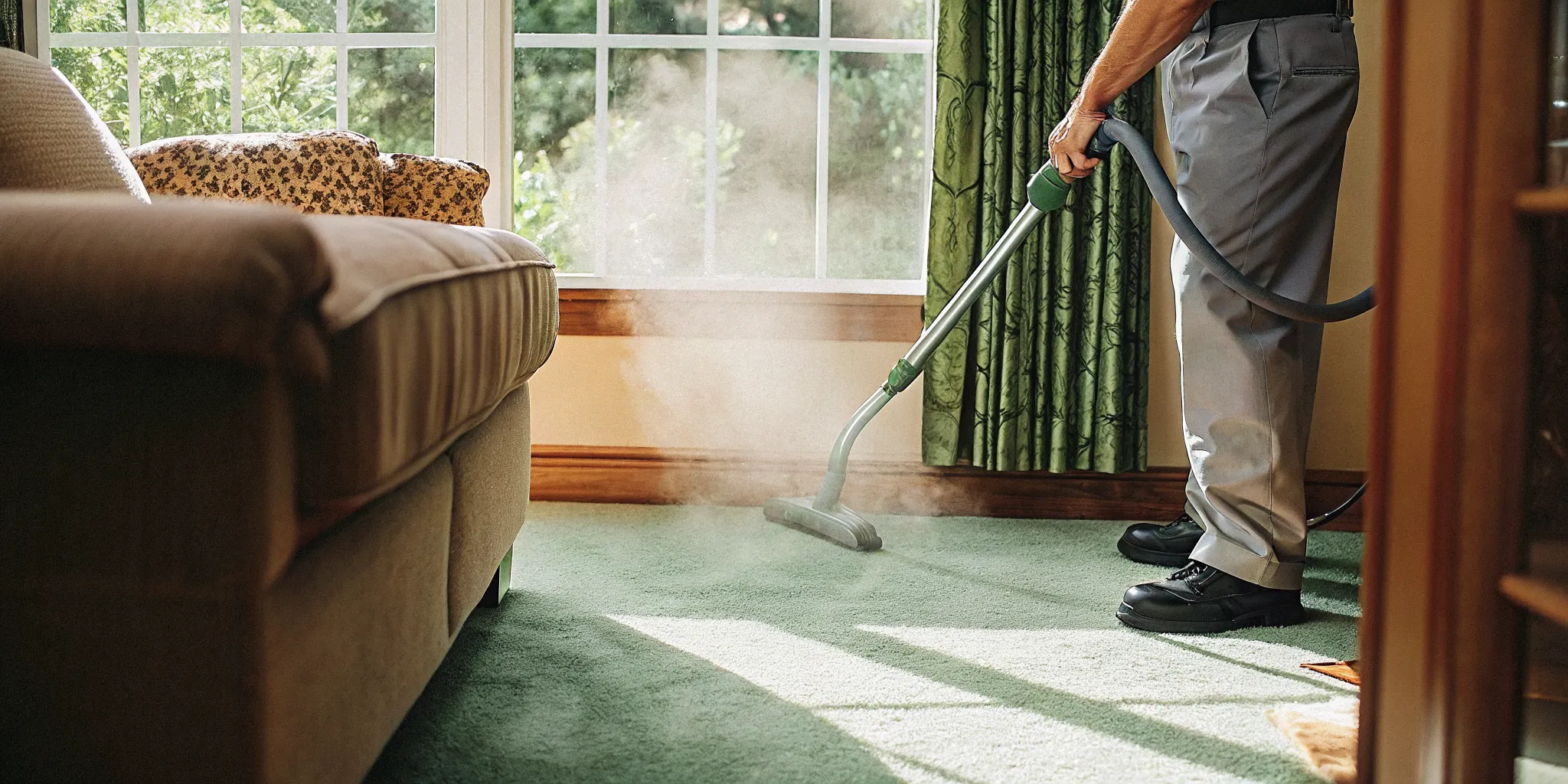
Truck-mounted equipment gives a professional technician greater water recovery and extraction power than most portable units. It also supports higher operating temperatures at the cleaning head, helping dissolve soils and release particles held deeper in the pile. The result is a more controlled clean with less residual moisture when the technician follows proper IICRC procedures.
Equipment alone does not guarantee a healthy result. A trained cleaner must select the right solution, protect fibers, manage water flow, and extract thoroughly. Tubro Carpet Cleaning uses eco-friendly, non-toxic, biodegradable solutions for residential homes in South King and Pierce Counties. These products support a careful process for families, children, and pets without relying on unnecessarily harsh chemistry.
 Drying time matters in the Pacific Northwest
Damp conditions can make slow-drying carpet a concern for allergy-sensitive households. Professional methods commonly aim for drying within several hours, depending on the carpet, soil level, and cleaning system. Tubro's quick-dry technology typically brings carpets to a usable dry state in 6 to 12 hours, compared with 24 to 48 hours often associated with slower industry processes.
For a deeper look at equipment, process, and service expectations, explore Tubro's professional residential carpet cleaning in Maple Valley. Hot water extraction works best as one part of a broader allergy-management plan, alongside routine HEPA vacuuming and moisture control.
Summary: Hot water extraction pairs heat, cleaning solution, and strong recovery to reduce embedded allergen loading. Truck-mounted equipment and quick drying make the method especially practical for Pacific Northwest homes.
Creating an Allergy-Reduction Cleaning Schedule for Your Home
Summary: A consistent routine combines weekly HEPA vacuuming, moisture-conscious habits, and professional carpet cleaning during high-allergen periods. In the Pacific Northwest, seasonal scheduling helps limit the buildup of pollen, dust, and dander in carpet fibers.
Use the following schedule as a practical framework for allergy-aware carpet care. Adjust it for household traffic, pets, children, and the needs of anyone with respiratory sensitivities.
Vacuum with a HEPA system every week
- Vacuum carpeted areas at least once each week with a properly maintained HEPA vacuum. Give extra attention to entryways, hallways, bedrooms, and other high-traffic areas. Move slowly enough for the machine to collect embedded dust and dander rather than only surface debris.
Control what enters through every doorway
- Place sturdy doormats at all entrances, including side and garage doors. Ask household members and visitors to follow a shoes-off policy. These simple barriers reduce the amount of outdoor pollen, soil, and moisture tracked onto carpet.
Respond promptly when spills occur
- Arrange professional attention when a spill cannot be safely managed through normal cleaning. Prompt action helps prevent moisture from remaining in carpet and padding, especially during the damp months common across Western Washington. Do not use this schedule as a reason to experiment with household stain chemicals.
Schedule professional cleaning during peak allergy seasons
- Plan professional carpet cleaning every three to four months during the spring and fall allergy seasons. PNW humidity can remain above 60 percent through much of the year, so carpet may hold moisture and airborne debris longer than homeowners expect. A trained technician can select an appropriate IICRC-aligned process for the fiber and soil conditions.
Book an annual deep cleaning before winter
- Schedule one thorough deep cleaning before winter settles in. This timing clears accumulated seasonal soil before homes stay closed for longer periods. Tubro Carpet Cleaning has served the region since 2010, bringing local experience to homes across South King and Pierce Counties.
This routine supports allergy management without treating carpet as the only source of indoor allergens. Combine it with appropriate HVAC maintenance, ventilation, and guidance from a qualified healthcare professional when symptoms persist.
Frequently Asked Questions
Can professional carpet cleaning help with seasonal allergies?
It can reduce allergens and pollutants trapped in carpet fibers, including dust, pet dander, and house dust mite allergens. Professional cleaning works best as part of a broader allergy-management plan that also addresses ventilation, bedding, and household dust.
How often should carpets be professionally cleaned in Western Washington?
There is no single schedule for every home. Homes with pets, children, allergy-sensitive residents, or persistent indoor moisture may need more frequent service than lightly used spaces. An IICRC-certified cleaner can recommend a schedule based on traffic, fiber type, soil load, and drying conditions.
Does hot water extraction remove mold from carpet?
Cleaning can remove soil and some biological particles, but it does not correct the moisture source or guarantee mold remediation. If carpet has sustained water damage or a persistent musty odor, address the moisture problem first and seek an appropriate inspection.
How long do carpets take to dry after professional cleaning?
Drying time depends on the carpet, ventilation, humidity, and cleaning method. Tubro Carpet Cleaning reports a typical quick-dry range of 6 to 12 hours. Good airflow and keeping foot traffic low during drying can help protect the result.
Is there research supporting HEPA vacuuming for allergy concerns?
Yes. A peer-reviewed study found that repeated HEPA vacuuming combined with dry steam cleaning reduced house dust mite allergen loading by 85.5% in study homes. Results vary by home and method, so this finding should guide expectations rather than promise an identical outcome. Read the study.
Ready to Breathe Easier This Allergy Season?
Professional carpet cleaning can help reduce the dust, dander, and allergens held in carpet fibers throughout the year. Schedule your carpet cleaning and breathe easier this allergy season by calling (253) 499-1028. Tubro Carpet Cleaning can help you choose a practical cleaning plan for your home in the Pacific Northwest.