
Will Professional Carpet Cleaning Remove Mold and Mildew?
February 28, 2025
Yes, professional carpet cleaning can remove mold and mildew—if the problem is only on the surface.
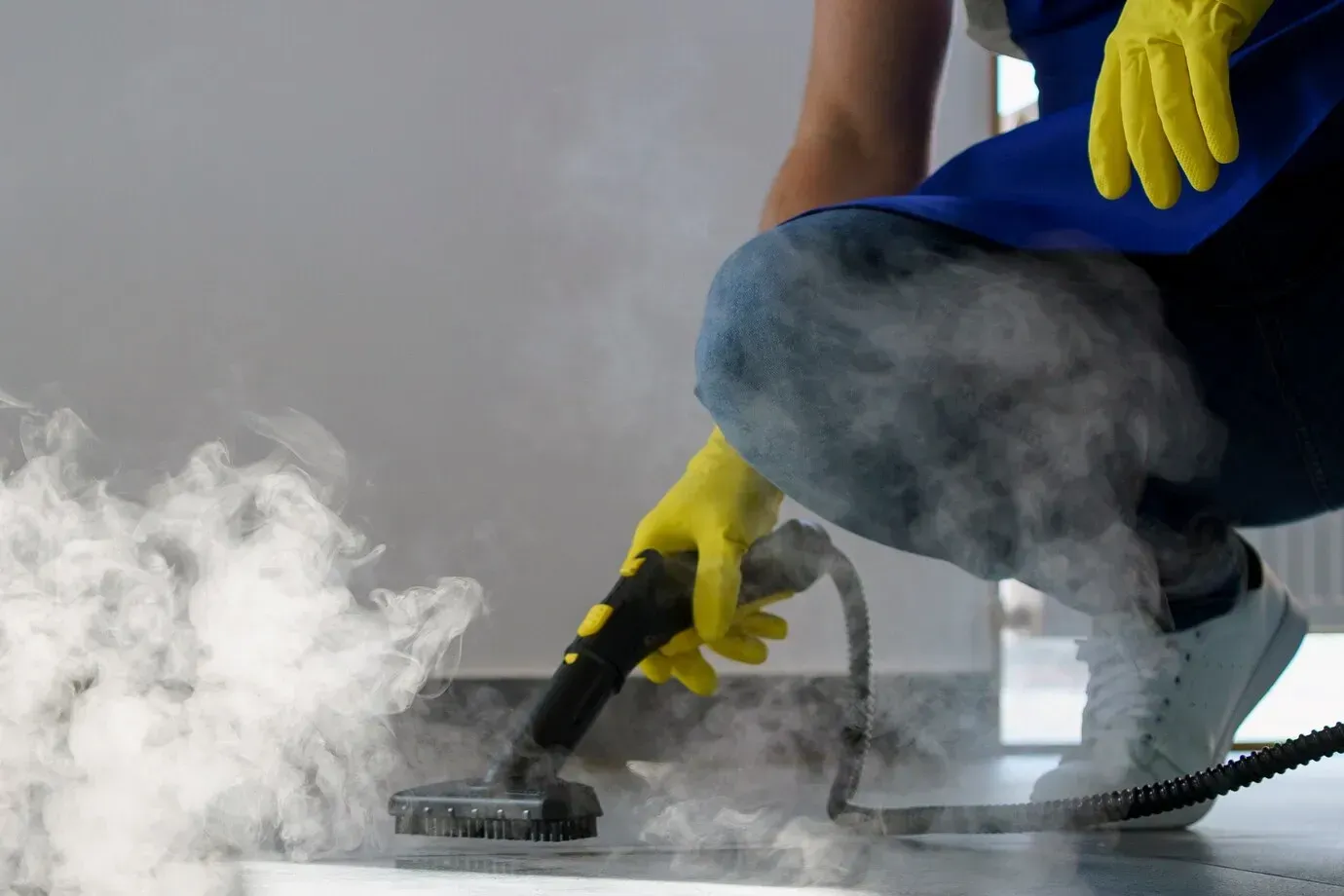
Steam cleaning and antimicrobial treatments can kill mold spores and get rid of musty smells. But if the mold has spread to the padding underneath, cleaning won’t fix it. In that case, replacing the carpet might be your only option.
Mold and mildew grow in damp carpets, often after spills, leaks, or flooding. If left alone, they can spread fast and cause health problems like allergies and breathing issues.
The good news? If you act quickly, professional cleaning can stop mold in its tracks. If the damage is too deep, replacing the carpet will keep your home safe and mold-free.
Understanding Mold and Mildew in Carpets
What Are Mold and Mildew?
Mold and mildew are types of fungi that thrive in damp environments.
While both can grow in carpets, they aren’t the same.
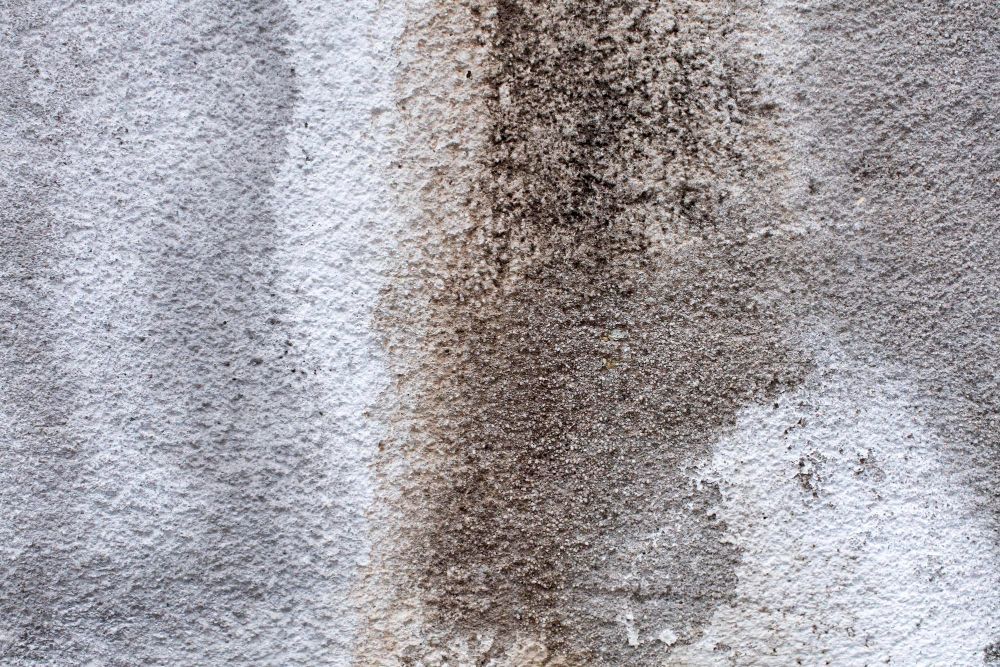
Mold is thicker, often green or black, and spreads fast.
Mildew is usually white or gray and stays on the surface.
Both can cause musty odors, stains, and health problems if left untreated.
Causes of Mold and Mildew in Carpets
Mold and mildew don’t just appear—they need moisture to grow. Here’s what can trigger them in carpets:
- Leaks and Spills: Water from plumbing leaks, roof damage, or spilled drinks can soak into the carpet, creating a perfect environment for mold.
- High Humidity: Rooms with poor ventilation, like basements and bathrooms, hold excess moisture, encouraging mold growth.
- Flooding: If your home has experienced a flood, mold can start growing in as little as 24–48 hours.
- Lack of Airflow: Carpets in closed-off rooms with no air circulation are more likely to develop mold and mildew.
When moisture sits in a carpet too long, mold spores settle in and multiply. The longer you wait, the harder it is to remove.
The Role of Professional Carpet Cleaning
Can Professional Cleaning Remove Mold and Mildew?
Yes, professional carpet cleaning can remove mold and mildew—if they haven’t spread too deep.
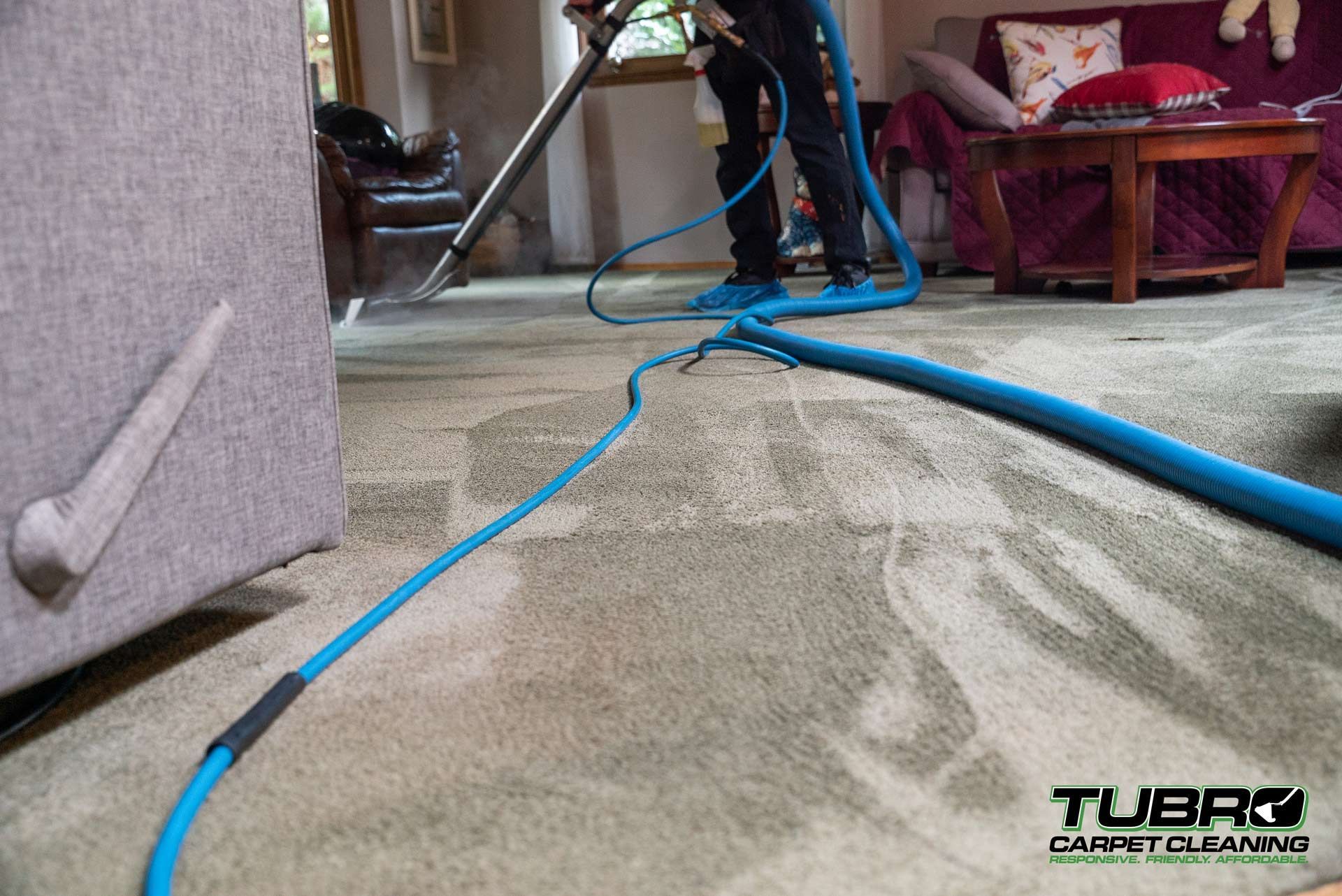
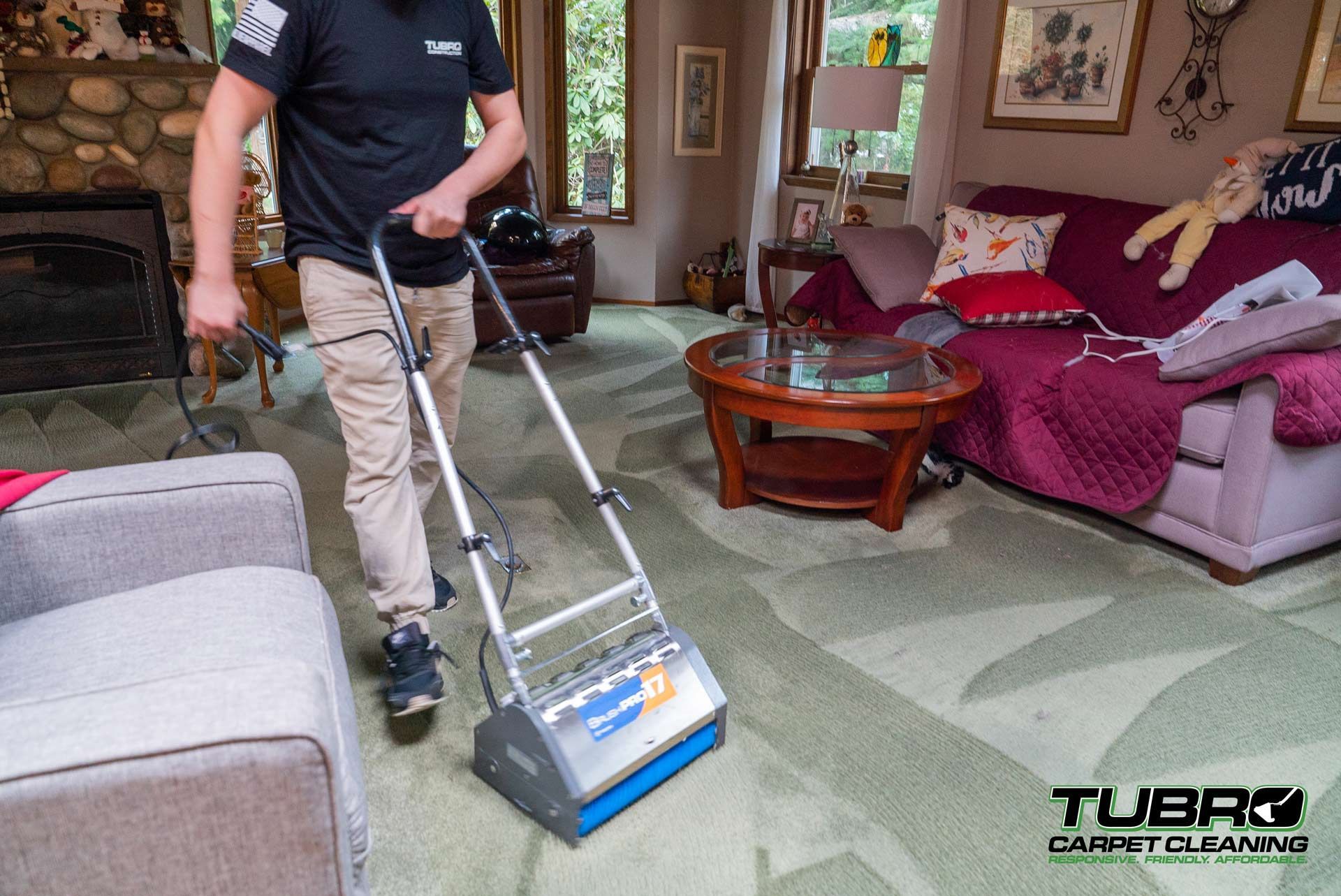
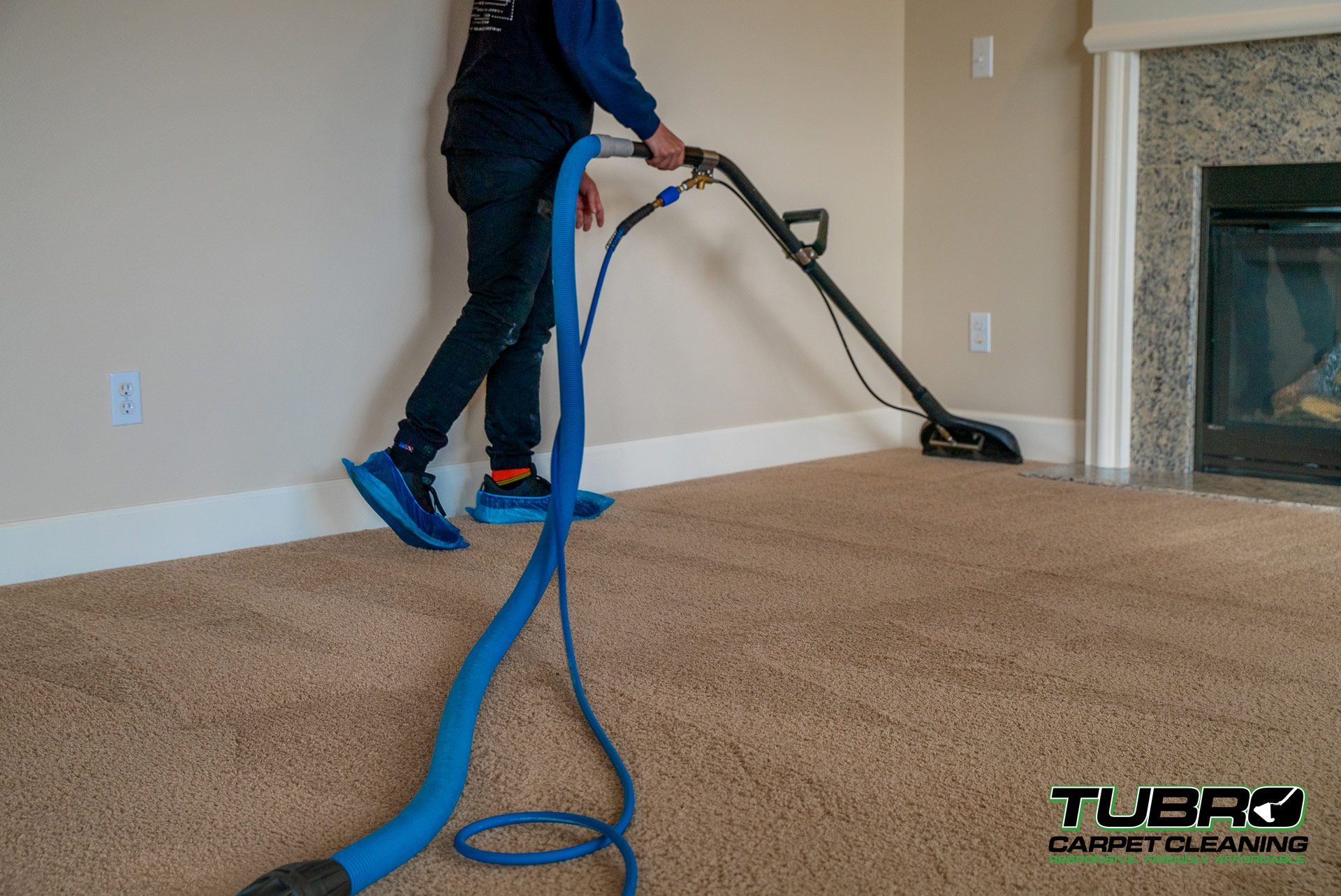
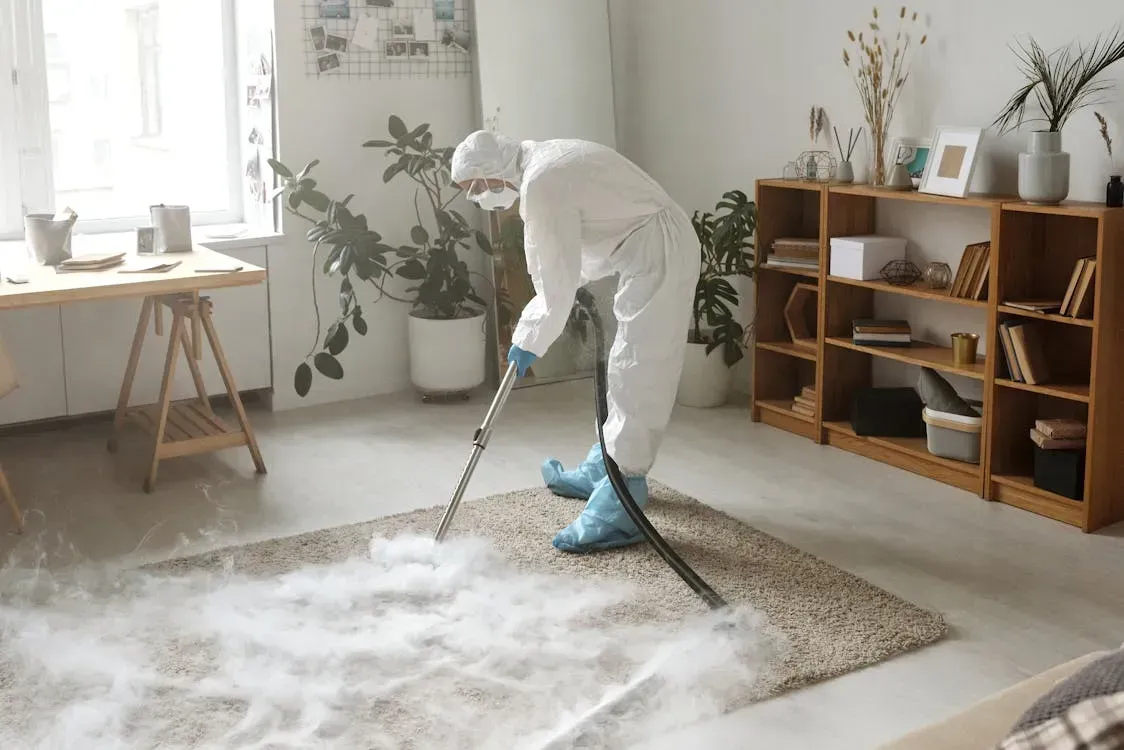
Steam cleaning, also called hot water extraction, reaches deep into the carpet fibers and kills mold spores with high temperatures. Many professional cleaners also use antimicrobial treatments to stop mold from growing back.
However, if mold has spread to the carpet padding or subfloor, cleaning won’t be enough. Mold grows fast in hidden areas where moisture lingers. In these cases, replacing the carpet may be the only way to fully eliminate the problem.
Methods Used by Professionals
Professional carpet cleaners use different techniques to remove mold and mildew. Here are the most effective methods:
- Steam Cleaning (Hot Water Extraction): Uses high heat and strong suction to kill mold spores and remove trapped moisture.
- Dry Carpet Cleaning: Uses minimal moisture and special cleaning compounds to break down mold and mildew. Best for carpets that can’t handle too much water.
- Antimicrobial Treatments: Special sprays and solutions that kill mold and stop it from coming back.
- HEPA Vacuuming: A vacuum with a high-efficiency particulate air (HEPA) filter removes mold spores from the carpet without spreading them into the air.
The right method depends on how deep the mold has spread and the type of carpet you have.
When Is Carpet Replacement Necessary?
Assessing the Extent of Damage
Not all mold problems can be solved with professional cleaning.
If mold has been growing for a while, it may have spread beyond the carpet fibers into the padding or subfloor. Here’s how to tell if replacement is necessary:
- Strong, Musty Odor: If the smell lingers even after cleaning, mold may be deep in the padding or floor.
- Visible Mold on Both Sides: If you lift a corner of the carpet and see mold underneath, cleaning won’t be enough.
- Soft or Spongy Carpet: A carpet that feels soft or weak in certain spots may have water damage and mold growth underneath.
- Recurring Mold Growth: If mold keeps coming back after cleaning, it has likely spread too far.
Impact on Carpet Padding
The padding under your carpet is like a sponge—it absorbs moisture easily but dries out slowly.
Once mold gets into the padding, it’s nearly impossible to remove completely.
Even if the top layer looks clean, mold spores can stay hidden in the padding and grow again when moisture returns.
In most cases, if mold has reached the padding, replacing the carpet and padding is the best solution. This ensures the mold is fully removed and prevents future problems.
Preventive Measures to Avoid Mold and Mildew
Regular Maintenance
Keeping your carpets clean and dry is the best way to prevent mold and mildew. Here’s what you can do:
- Vacuum Weekly: Removes dust and dirt that can trap moisture.
- Schedule Professional Cleaning: A deep clean every 6–12 months helps remove hidden moisture and prevents mold growth.
- Use Mold-Resistant Carpet Pads: If you’re replacing your carpet, choose padding designed to resist moisture buildup.
Moisture Control
Since mold thrives in damp environments, keeping moisture levels low is key. Try these steps:
- Use a Dehumidifier: Keeps humidity levels below 60%, making it harder for mold to grow.
- Improve Ventilation: Open windows, use fans, and install exhaust vents in bathrooms and basements.
- Fix Leaks Immediately: Water from plumbing leaks or roof damage can soak into carpets fast. Repair leaks as soon as possible.
Immediate Action on Spills and Leaks
Quick action can stop mold before it starts.
- Blot Spills, Don’t Rub: Press a dry towel on the spill to soak up as much liquid as possible.
- Use a Wet/Dry Vacuum: For larger spills, a wet vacuum helps remove excess moisture.
- Dry Carpet Fast: Aim fans at the wet area or use a dehumidifier to speed up drying. If possible, lift the carpet to let air circulate underneath.
By staying on top of maintenance and moisture control, you can keep your carpets mold-free and avoid costly replacements.
Keep Your Carpets Mold-Free
Professional carpet cleaning can remove mold and mildew—if they haven’t spread too deep.
Steam cleaning and antimicrobial treatments can eliminate surface mold, but if the problem reaches the padding, replacement may be the only solution.
The key is acting fast. The longer mold sits, the harder it is to remove.
Preventing mold starts with regular maintenance, moisture control, and quick action when spills or leaks happen.
If you’re dealing with moldy carpets, don’t wait—trust the experts. Tubro Carpet Cleaning offers professional residential and commercial carpet cleaning, upholstery cleaning, pressure washing, and more. Serving Maple Valley, Tacoma, Covington, Renton, Kent, and Auburn, they have the tools and expertise to keep your carpets fresh and mold-free.
Call Tubro Carpet Cleaning today to schedule a service and protect your home from mold and mildew!