
Can Old Coffee Stains Be Removed From Carpet or Are They Permanent?
June 4, 2026
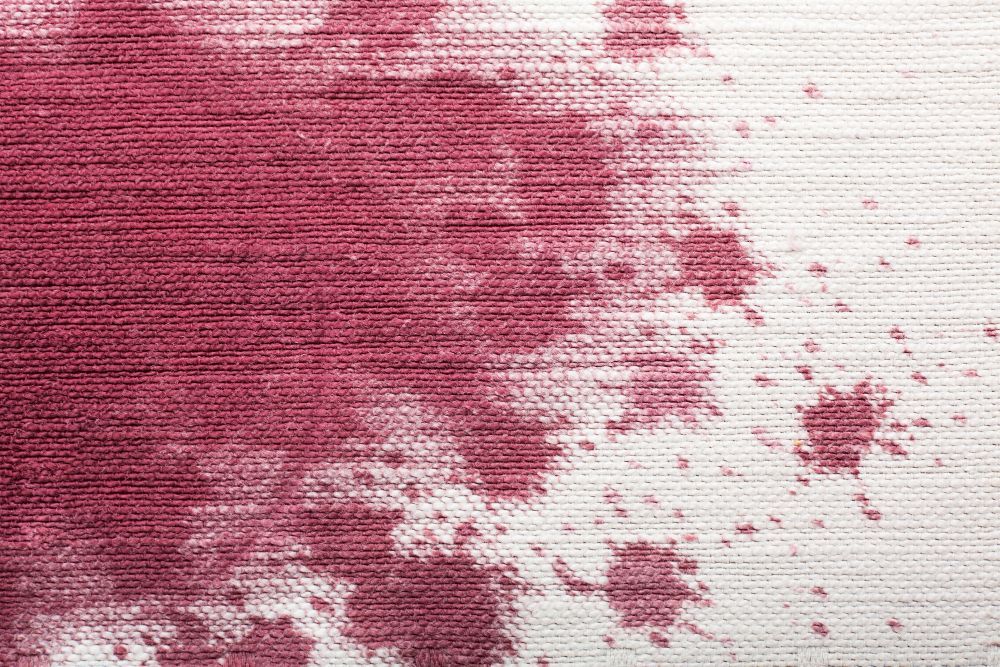
Old coffee stains are rarely noticed the moment they become a problem. They tend to resurface later—darker, more defined, and harder to ignore. What started as a simple spill gradually turns into something that looks permanent.
The challenge with older stains isn’t just cleaning them. It’s understanding what has already happened within the carpet and whether the stain is still removable or has permanently altered the fibres.
Why Old Coffee Stains Behave Differently
Old coffee stains don’t respond the same way as fresh spills because they’ve already gone through changes that affect how they interact with carpet fibres.
As coffee dries, tannins bind to the fibres and oxidation begins. This process deepens the colour and makes the stain more visible. At the same time, any leftover residue continues to attract dirt, which adds to the darkened appearance.
By the time the stain is considered “old,” it’s no longer just sitting in the carpet—it has either bonded with it or settled deeper beneath the surface.
Types of Old Coffee Stains You Might Be Dealing With
Not all old stains are the same. Identifying the type of stain is what determines whether it can be removed or only improved.
Surface-Level Set Stains
These stains are older but still mostly within the carpet fibres.
They typically:
- Lighten slightly when damp
- Appear evenly coloured
- Do not have a strong odour
These stains often respond to proper treatment because the damage is still relatively shallow.
Deep Residue Stains
These stains exist below the visible surface and are often mistaken for permanent damage.
They usually:
- Fade during cleaning but return after drying
- Have slightly darker edges or uneven colouring
- Feel different when pressed compared to surrounding carpet
This type is caused by residue in the backing or padding rather than just the fibres.
Fibre Discolouration
This is when the carpet itself has changed colour.
Common signs include:
- No visible improvement after cleaning attempts
- A dull or faded tone rather than a defined stain
- Uneven colouring that doesn’t respond to moisture
At this stage, the stain has altered the material rather than sitting within it.
How to Tell If an Old Coffee Stain Can Still Be Removed
Before attempting any treatment, it helps to assess the stain using a simple evaluation process.
- Lightly dampen a small area of the stain
This helps reveal how the stain reacts to moisture. - Observe the colour change
If the stain lightens, it is likely still removable. If there is no change, it may be permanent. - Check for reappearance after drying
If the stain fades and then returns, it indicates deeper residue. - Compare texture with surrounding carpet
Differences in texture may suggest residue buildup or fibre damage.
In many Maple Valley homes, stains that seem permanent are often residue-based, meaning they can still be improved with the right approach.
What Affects the Outcome of Old Coffee Stain Removal
Several factors influence whether a stain can be removed or only reduced in appearance.
- Age of the stain
Older stains are more likely to have bonded with fibres. - Depth of penetration
Stains that have reached the padding are more difficult to fully remove. - Previous cleaning attempts
Incorrect methods, especially involving heat or excessive moisture, can set the stain further. - Type of carpet material
Some fibres absorb and retain stains more than others. - Contents of the coffee
Additives like milk or sugar introduce additional residue that can worsen staining.
These variables explain why two similar-looking stains can have very different outcomes.
Why Old Coffee Stains Often Come Back After Cleaning
A common issue with older stains is that they appear to be gone when wet but return once the carpet dries.
This happens because:
- Residue remains in the backing or padding
- Moisture moves upward as the carpet dries
- The residue is carried back to the surface
This process, known as wicking, is one of the main reasons stains seem impossible to remove using standard methods.
When Cleaning Will Improve the Stain vs When It Won’t
Understanding what to expect helps avoid unnecessary effort and frustration. The table below outlines typical outcomes based on stain condition.
| Stain Condition | Expected Result |
|---|---|
| Recently dried stain | High chance of removal |
| Darkened but responsive to moisture | Moderate improvement |
| Recurring stain after cleaning | Requires deeper treatment |
| No change after multiple attempts | Likely permanent |
This comparison helps clarify when further cleaning is worthwhile and when expectations should shift toward improvement rather than full removal.
When Professional Cleaning Becomes Necessary
Some stains require a deeper level of treatment than household methods can provide.
Professional cleaning is typically needed when:
- The stain repeatedly returns after cleaning
- The stain has been present for an extended period
- The affected area has spread or darkened significantly
- There are signs the stain has reached the padding
In Maple Valley, Washington, these situations are common in high-traffic areas where spills are not fully addressed early on.
How Professional Treatment Improves Old Coffee Stains
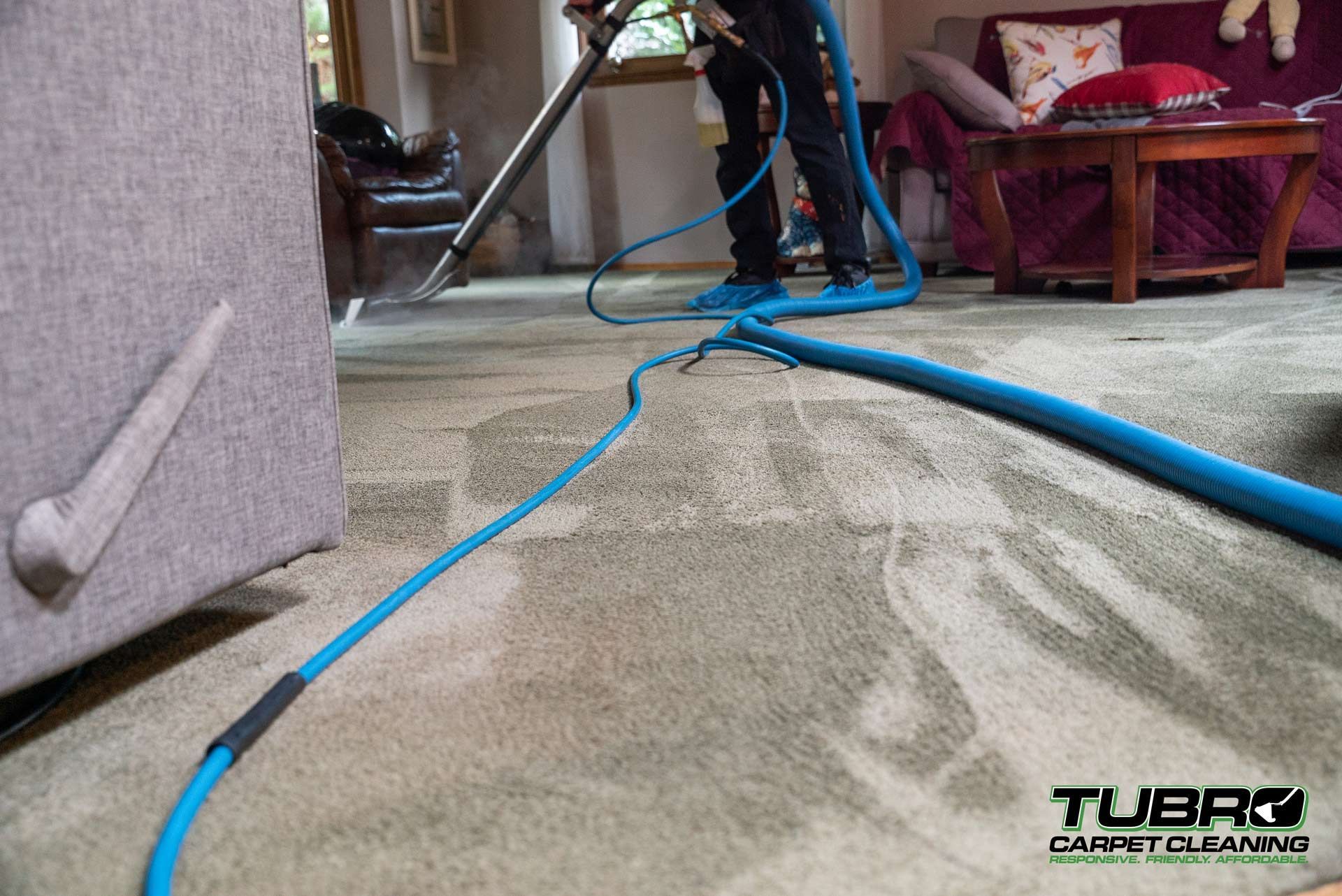
Professional cleaning focuses on addressing both the visible stain and what lies beneath the surface.
This process typically involves:
- Penetrating into carpet fibres and backing
- Breaking down tannin-based staining
- Extracting embedded residue
- Controlling moisture to prevent further wicking
While not all stains can be fully removed, this approach often produces a noticeable improvement and prevents the stain from returning.
FAQs About Old Coffee Stains in Carpet
Can old coffee stains be completely removed?
Some can be fully removed, while others can only be improved depending on how deeply they have set.
Why does the stain disappear when wet but come back later?
This is caused by residue rising back to the surface as the carpet dries.
Does using more cleaning solution help?
No. Excess solution can leave residue and make the stain more noticeable over time.
Are old stains harder to remove than fresh ones?
Yes. Once the stain has bonded with fibres or oxidised, removal becomes more difficult.
Can professional cleaning fix permanent stains?
It can improve appearance, but true fibre discolouration cannot always be fully reversed.
Conclusion
Old coffee stains are not always permanent, but they are often more complex than they appear. Whether they can be removed depends on how the stain has changed over time and how deeply it has settled into the carpet.
For homeowners in Maple Valley dealing with stains that have darkened, returned after cleaning, or resisted multiple attempts, working with a local service like
Tubro Carpet Cleaning can help determine the best approach and improve the overall condition of the carpet.