
How to Remove Red Wine Stains From Carpet Without Setting Them In
April 30, 2026
Red wine stains don’t give you much room for error. Within minutes, the liquid spreads through carpet fibres, starts bonding with the material, and begins to darken as it dries. What makes it worse is that many well-intentioned cleaning attempts actually help the stain set instead of removing it.
The difference between a removable stain and a permanent one usually comes down to how it’s handled early on. Understanding how red wine interacts with carpet and knowing when to stop and reassess can prevent long-term damage.
Why Red Wine Stains Set So Easily
Red wine stains are difficult because they don’t just sit on the surface. They change as they absorb, dry, and react with the carpet fibres.
Tannins Bond Quickly to Fibres
Tannins are natural pigments in red wine that attach strongly to carpet fibres. Once bonded, they don’t rinse out with water alone and require the right treatment to break down.
Liquid Penetrates Beyond the Surface
Red wine spreads quickly due to its thin consistency. It can move through the top fibres into the backing and padding before you’ve fully blotted the visible area.
Oxidation Darkens the Stain
As the wine dries, it oxidises and becomes darker. This is why stains often look worse hours later than they did immediately after the spill.
Step-by-Step: What to Do Right After the Spill
The first response should focus on control and removal without pushing the stain deeper. Follow these steps carefully:
- Blot immediately using a clean, dry cloth
Apply pressure to absorb the wine. Replace the cloth as it becomes saturated. - Work from the outer edges toward the centre
This prevents the stain from spreading further across the carpet. - Lightly apply cold water
Use a small amount to dilute the wine without soaking the fibres. - Blot again to lift diluted residue
Continue absorbing rather than scrubbing. - Repeat in short, controlled cycles
Avoid overworking the area, as this can damage fibres and push the stain deeper.
In Maple Valley homes where carpets are often exposed to regular use, this early stage is where most stains are either contained or made worse.
Treatment Options Based on Stain Condition
Once the initial spill is controlled, the next step depends on how far the stain has progressed. Different stages require different approaches.
Fresh Stains That Haven’t Darkened
At this stage, the stain is still responsive and has not fully bonded.
- Use a mild, diluted detergent solution
- Apply lightly and blot, not scrub
- Rinse with a small amount of clean water and blot again
This method helps break down the stain before it sets.
Stains That Have Started to Set
If the stain has darkened or been sitting for a while, it requires a more targeted approach.
- Apply a diluted vinegar solution to address tannins
- Blot immediately after application
- Repeat gently without saturating the carpet
This stage requires patience, as aggressive cleaning can worsen the stain.
Surface Residue After Cleaning
If the stain has mostly lifted but the area remains damp or slightly discoloured, additional treatment may help.
- Apply a light layer of baking soda
- Allow it to dry completely
- Vacuum thoroughly
This helps absorb leftover moisture and minor residue but will not resolve deep-set stains.
Mistakes That Cause Red Wine Stains to Set Permanently
Knowing what to avoid is just as important as knowing what to do. The following actions commonly turn manageable stains into permanent ones:
- Scrubbing the stain, which spreads pigment deeper into fibres
- Using hot water, which can lock the stain into the carpet
- Over-saturating the area, pushing liquid into the padding
- Mixing multiple cleaning products, causing chemical reactions
- Delaying treatment, allowing oxidation to occur
Even one of these mistakes can significantly reduce the chances of full removal.
How to Tell If the Stain Has Gone Beyond DIY Cleaning
There comes a point where household methods are no longer effective. The signs below indicate that the stain is no longer just on the surface:
- The stain disappears when wet but returns when dry
- The colour has deepened to brown or dark purple
- The edges remain visible even after cleaning
- The carpet feels stiff or different in texture
- The stain has spread beyond the original spill area
In Maple Valley, Washington homes, these issues are often linked to stains that were either left untreated or handled incorrectly in the early stages.
Why Red Wine Stains Reappear After Cleaning
Recurring stains are usually caused by what’s happening beneath the carpet surface.
When red wine soaks into the padding or backing, surface cleaning only removes what’s visible. As the carpet dries, moisture travels upward and brings residue back to the surface. This process, known as wicking, is why stains often reappear even after they seem to be gone.
Without addressing the deeper layers, the problem remains.
When Professional Cleaning Is the Right Step
Certain situations require more than careful cleaning at home. Professional treatment is typically needed when:
- The stain has fully dried and darkened
- The stain returns after cleaning attempts
- The spill covered a larger or heavily used area
- There is visible discolouration that does not improve
- The stain has likely reached the padding
At this stage, the goal is no longer just improving appearance, but removing what has settled below the surface.
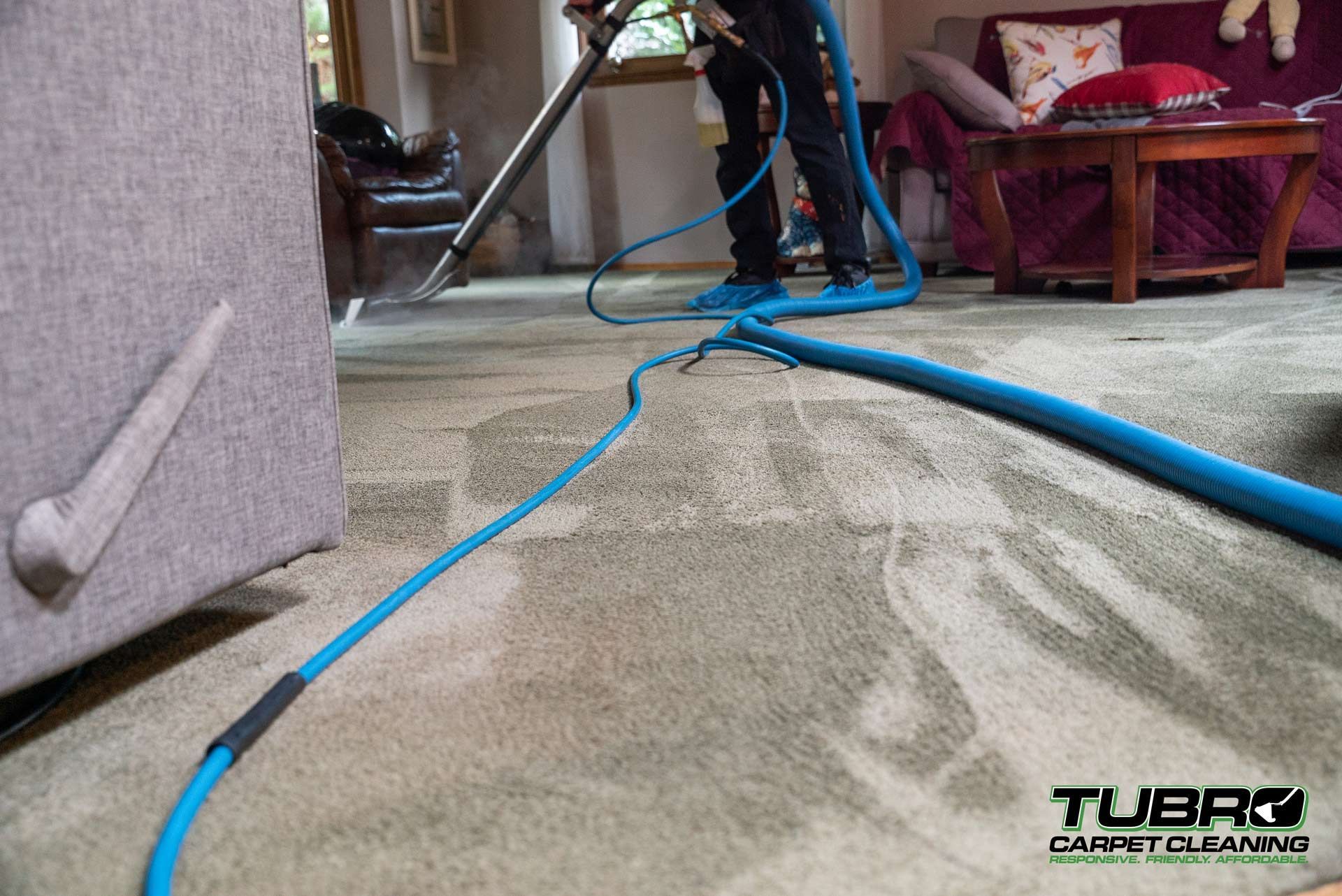
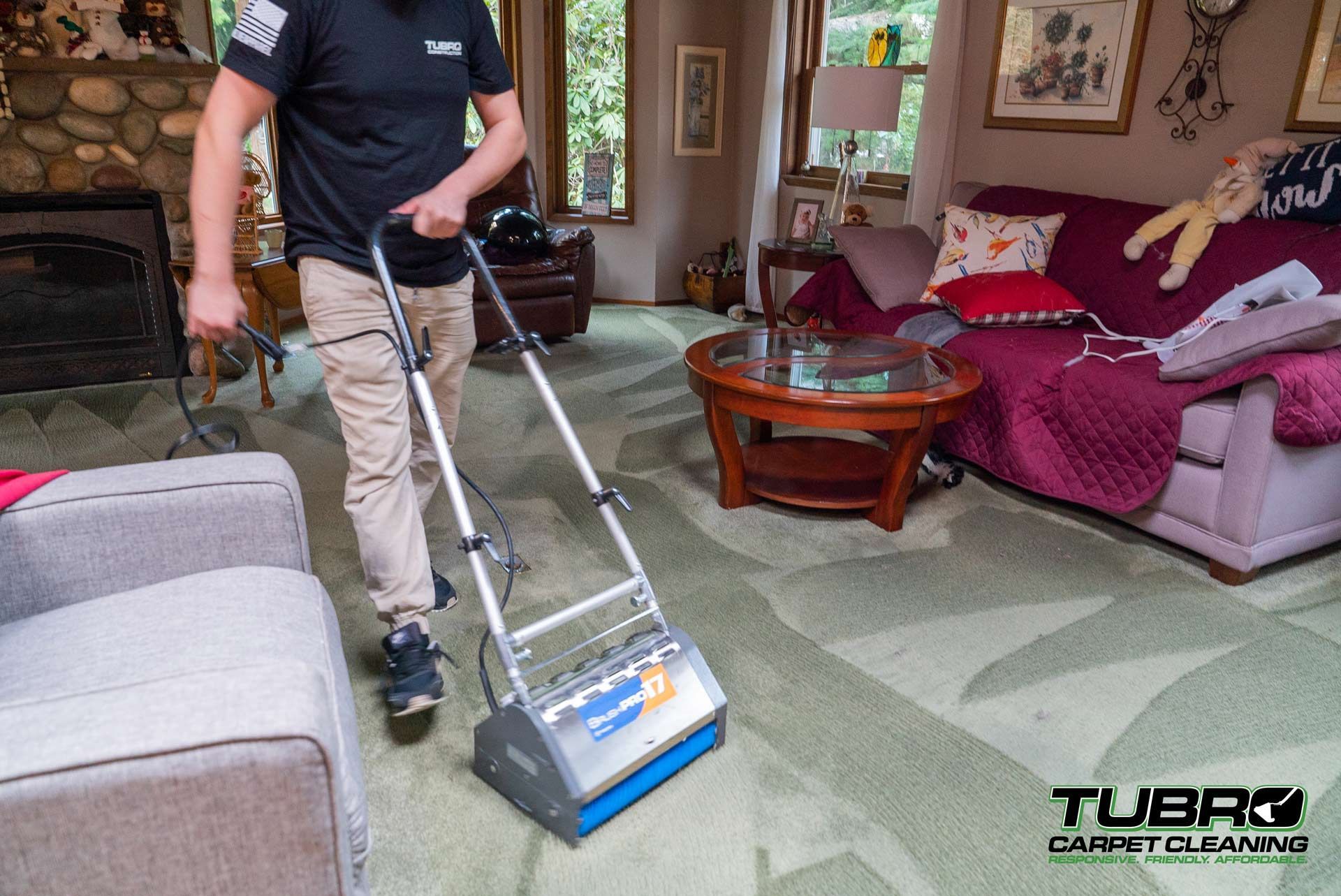
How Professional Cleaning Removes Red Wine Stains
Professional cleaning focuses on depth, control, and extraction rather than surface-level improvement.
This process typically involves:
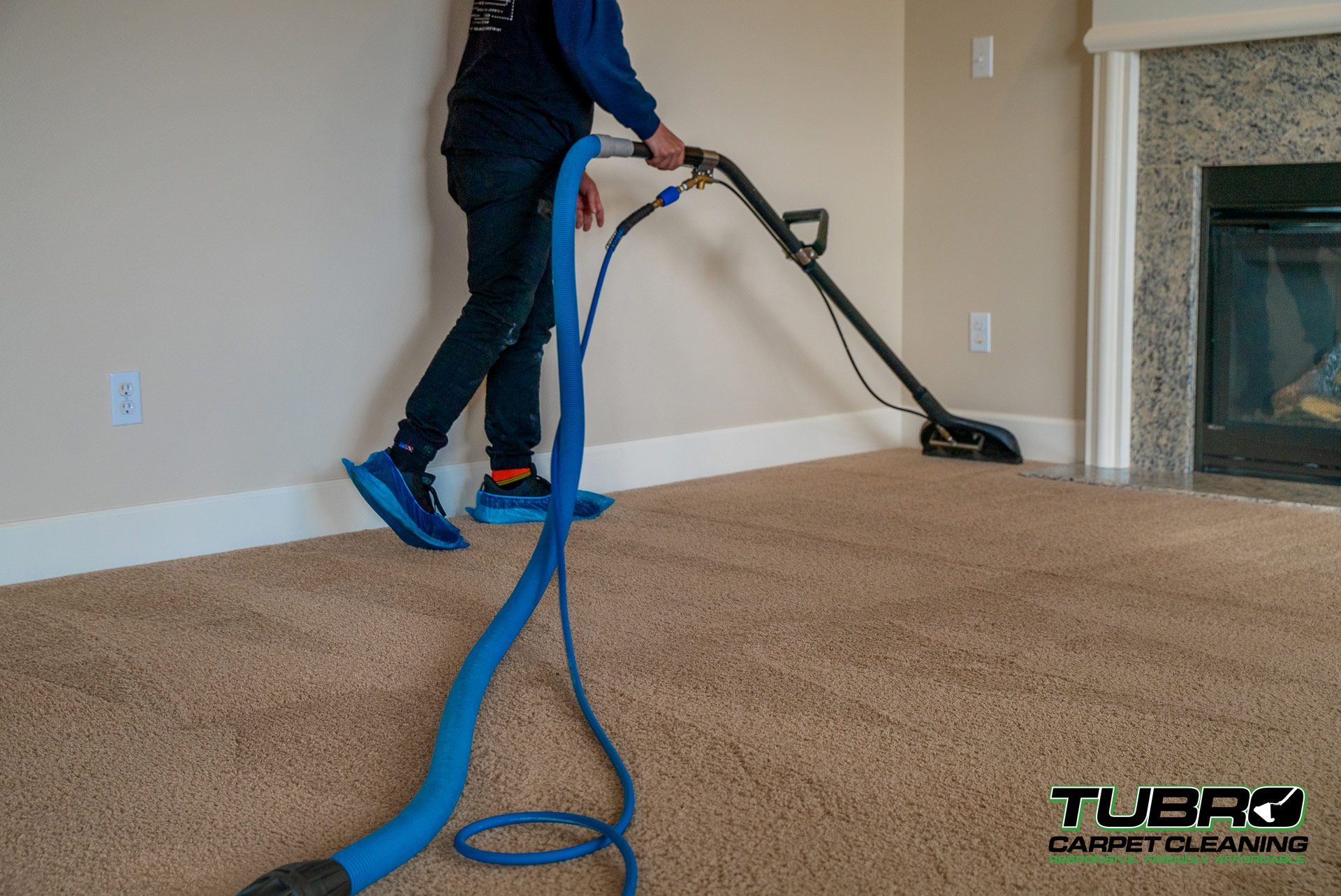
- Penetrating deep into carpet fibres and backing
- Breaking down tannin-based stains safely
- Extracting residue instead of spreading it
- Managing moisture levels to prevent further issues
This is why stains that seem permanent can often still be improved or removed with the right approach.
FAQs About Red Wine Stains on Carpet
Can red wine stains be removed after they dry?
Yes, but results depend on how deeply the stain has set. Older stains are harder to remove and may require professional cleaning.
Why does the stain come back after cleaning?
This is usually due to residue in the padding rising back to the surface as the carpet dries.
Is it safe to use store-bought carpet cleaners?
Some are effective, but others can react with tannins and worsen the stain if used incorrectly.
Does adding more water help remove the stain?
No. Excess water can push the stain deeper and make it harder to remove.
How quickly should I act after a spill?
Immediately. The first few minutes are critical in preventing the stain from setting.
Conclusion
Red wine stains become difficult when they are allowed to spread, set, or penetrate below the surface. Acting quickly and using the right approach can prevent long-term damage, but once the stain has bonded with fibres or reached the padding, basic cleaning methods are often not enough.
For homeowners in Maple Valley dealing with stains that have already set or returned after cleaning, working with a local service like
Tubro Carpet Cleaning can help address the issue at its source and restore the carpet more effectively.