
When Carpet Cleaning Is Not Enough and Replacement Is Needed
March 31, 2026
Understanding the Limits of Professional Carpet Cleaning
Professional carpet cleaning can solve many common problems, from surface dirt to everyday odors. However, there are situations where cleaning no longer restores the carpet’s function, appearance, or hygiene. Knowing when cleaning has reached its limit helps homeowners avoid wasting money on repeated services that won’t deliver lasting results.
This guide explains when carpet cleaning stops being effective and when replacement becomes the more practical choice.
What Carpet Cleaning Can Realistically Fix
Carpet cleaning is designed to address removable contamination, not structural damage.
In normal conditions, professional cleaning can:
- Remove surface and embedded soil
- Reduce common household odors
- Improve appearance and texture
- Extend carpet lifespan when done regularly
Cleaning works best when the carpet fibers, backing, and padding are still structurally intact.
Situations Where Cleaning Stops Being Effective
Some carpet problems go beyond what water, chemistry, and extraction can solve. These issues typically involve permanent damage or deep contamination.
Severe Padding Contamination
When spills, pet urine, or flooding soak into the padding, cleaning the surface carpet does not remove the source of the problem. Padding holds moisture and contaminants long after the carpet dries.
Signs padding is compromised:
- Odors return quickly after cleaning
- Carpet feels damp or spongy underfoot
- Smells are stronger near the floor level
Once padding is saturated or contaminated, replacement is usually the only long-term solution.
Persistent Pet Odors That Keep Returning
Occasional pet accidents can often be treated. Chronic pet odor is different.
When urine repeatedly reaches the padding or subfloor:
- Odor-causing salts bond to materials below the carpet
- Cleaning temporarily improves smell but doesn’t eliminate it
- Odors reappear with humidity or temperature changes
If multiple professional odor treatments have failed, replacement becomes more cost-effective than continued cleaning attempts.
Carpet Fiber Breakdown and Wear
Carpet fibers wear down over time due to foot traffic, friction, and abrasive soil.
Common signs of fiber failure include:
- Matting that does not lift after cleaning
- Fraying or fuzzing along walk paths
- Thin areas where backing becomes visible
Once fibers are physically damaged, no amount of cleaning can restore them. Cleaning may improve cleanliness, but appearance will not recover.
Stains That Are Permanently Set
Some stains alter the carpet fibers themselves rather than sitting on top of them.
These include:
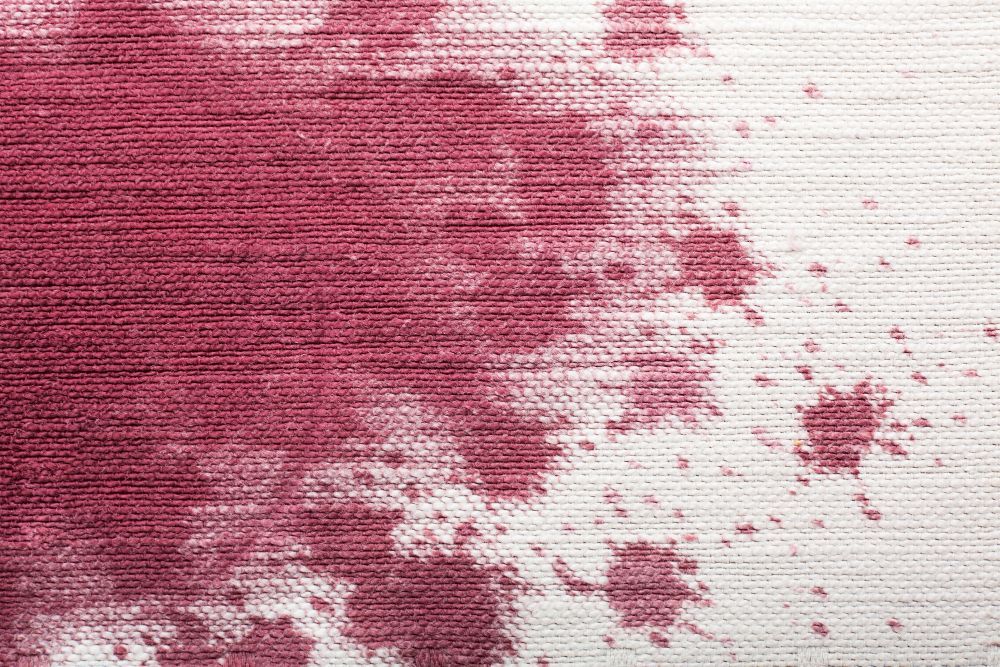
- Dye-based stains from drinks or cleaning products
- Bleach spots or chemical burns
- Old stains that have been heat-set repeatedly
When staining changes fiber color or structure, replacement is often the only way to restore a uniform appearance.
Structural Problems Cleaning Cannot Correct
Some carpet issues are mechanical rather than cosmetic or hygienic.
Delamination and Backing Failure
Carpet backing can separate over time due to age, moisture exposure, or aggressive past cleanings. This causes rippling, looseness, or uneven texture.
Cleaning does not repair backing separation. Continued cleaning may worsen the damage.
Mold or Long-Term Moisture Damage
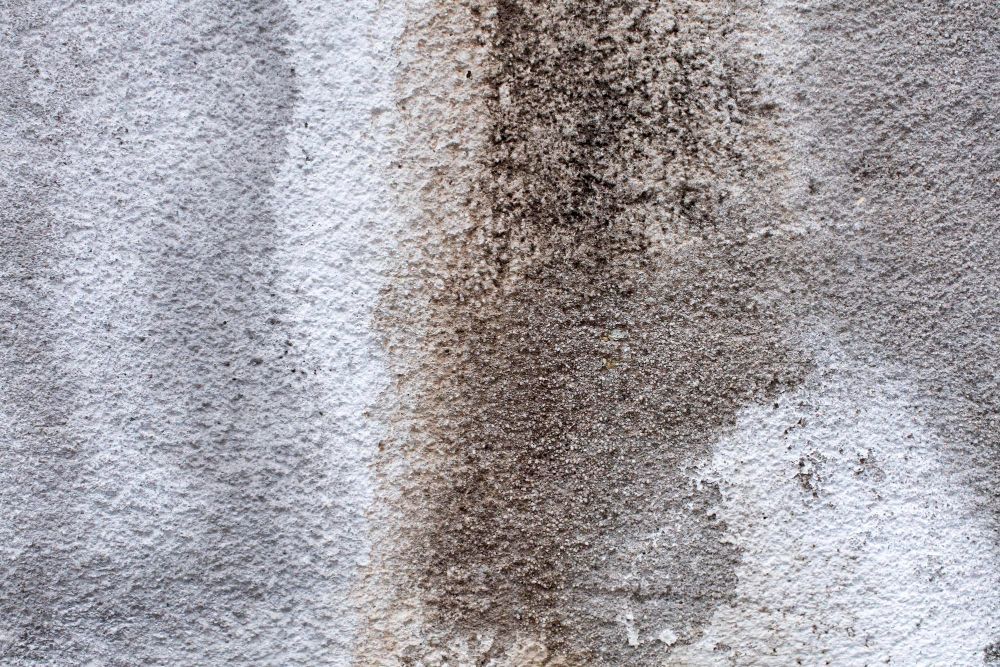
Extended moisture exposure creates conditions for mold growth, especially in padding and subflooring.
Indicators include:
- Musty smells that persist after cleaning
- Discoloration near edges or under furniture
- Health symptoms triggered in specific rooms
In these cases, replacement is a health and safety decision, not just an aesthetic one.
Cost Comparison: Repeated Cleaning vs Replacement
When deciding between continued cleaning and replacement, cost matters.
When Cleaning Still Makes Financial Sense
- Carpet is structurally intact
- Odors and stains are isolated
- Issues respond well to professional treatment
- Cleaning extends usable life by several years
When Replacement Becomes the Better Investment
- Multiple cleanings fail to resolve the same problem
- Odors or moisture originate below the carpet
- Appearance cannot be restored
- Cleaning costs approach a significant portion of replacement cost
Repeated spending on ineffective cleaning often exceeds the cost of replacement over time.
How Professionals Determine Whether Cleaning Is Worth It
A reliable carpet professional evaluates more than surface appearance. They look at:
- Fiber condition and wear patterns
- Odor source depth
- Padding moisture and contamination
- Carpet age and installation quality
- Previous cleaning history
An honest assessment includes telling homeowners when cleaning will not deliver acceptable results.
What to Do Before Committing to Replacement
Before replacing carpet, homeowners should:
- Confirm the source of odors or stains
- Ask whether padding or subfloor is affected
- Weigh the cost of additional treatments versus replacement
- Consider health, comfort, and resale impact
A final professional inspection helps ensure replacement is truly necessary.
Frequently Asked Questions
Can professional carpet cleaning fix pet urine permanently?
Only if contamination is limited to the carpet fibers. If urine has reached the padding or subfloor, replacement is often required.
How long should carpet last before replacement?
With proper care, many carpets last 8–15 years, depending on traffic, quality, and maintenance.
Is replacing carpet always better than repeated cleaning?
Not always. Replacement makes sense when cleaning no longer improves hygiene, odor, or appearance.
Can bad smells come from underneath the carpet?
Yes. Padding and subfloor materials can trap odors that cleaning the surface cannot remove.
Should carpet be replaced after water damage?
If padding or backing was saturated and not properly dried, replacement is usually recommended.
Final Takeaway
Carpet cleaning is an effective maintenance tool—but it has limits. When damage reaches the padding, fibers, or structural components of the carpet, cleaning becomes a temporary fix rather than a solution.
For homeowners in Maple Valley, getting an honest evaluation helps avoid wasting money on services that won’t work.
Tubro Carpet Cleaning can help determine whether professional cleaning will restore your carpet or if replacement is the smarter next step.