
What Causes Persistent Carpet Odours in Homes and How Are They Removed?
June 25, 2026
A carpet can look clean and still carry a smell that doesn’t go away. You vacuum, maybe spray a deodoriser, and for a short time it seems better. Then the odour returns, sometimes stronger than before.
That’s because most carpet odours aren’t surface issues. They come from something embedded within the carpet fibres or trapped beneath them. Until that source is properly addressed, the smell will keep coming back.
Why Carpet Odours Don’t Go Away With Basic Cleaning
Odours linger because they are tied to what’s inside the carpet, not just what’s visible on it.
When substances like liquids, dirt, or organic matter settle into the carpet, they don’t stay on the surface. They move into the backing and sometimes into the padding underneath. Over time, these materials break down, react with moisture, and release odours.
Basic cleaning methods usually improve the surface appearance, but they rarely remove what’s causing the smell underneath. That’s why a carpet can look fresh but still smell unchanged.
The Most Common Sources of Persistent Carpet Odours
Different odours come from different sources, and each behaves differently. Understanding the cause is what determines how it can be removed.
Pet-Related Odours
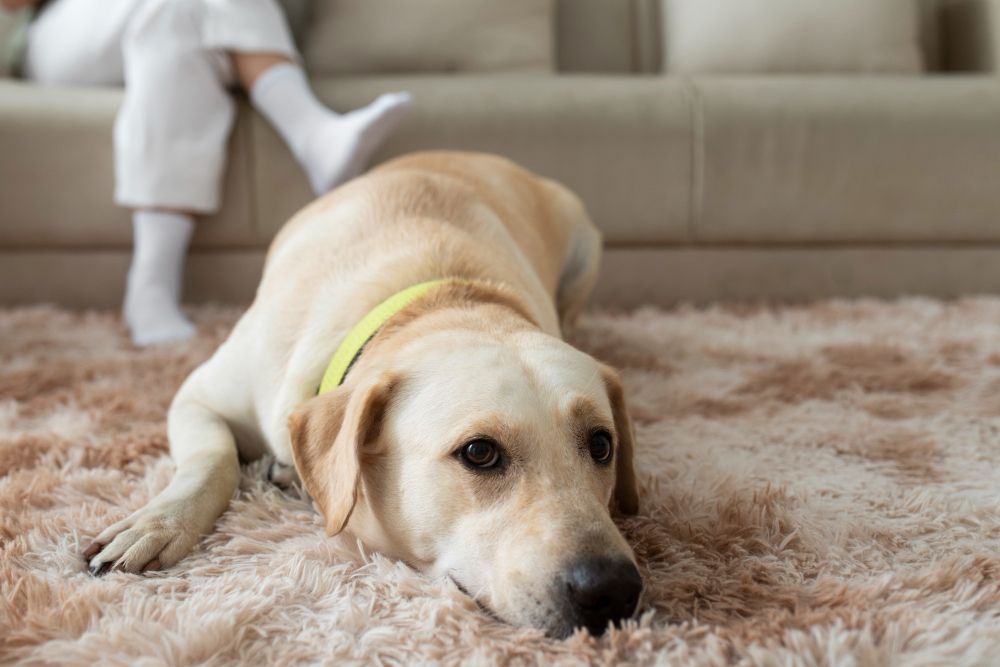
Pet urine is one of the most common causes of persistent carpet smells. It doesn’t stay in the fibres—it seeps into the padding and leaves behind compounds that reactivate when exposed to moisture.
This is why the smell can disappear after cleaning and then return days later, especially in humid conditions.
Moisture and Mildew
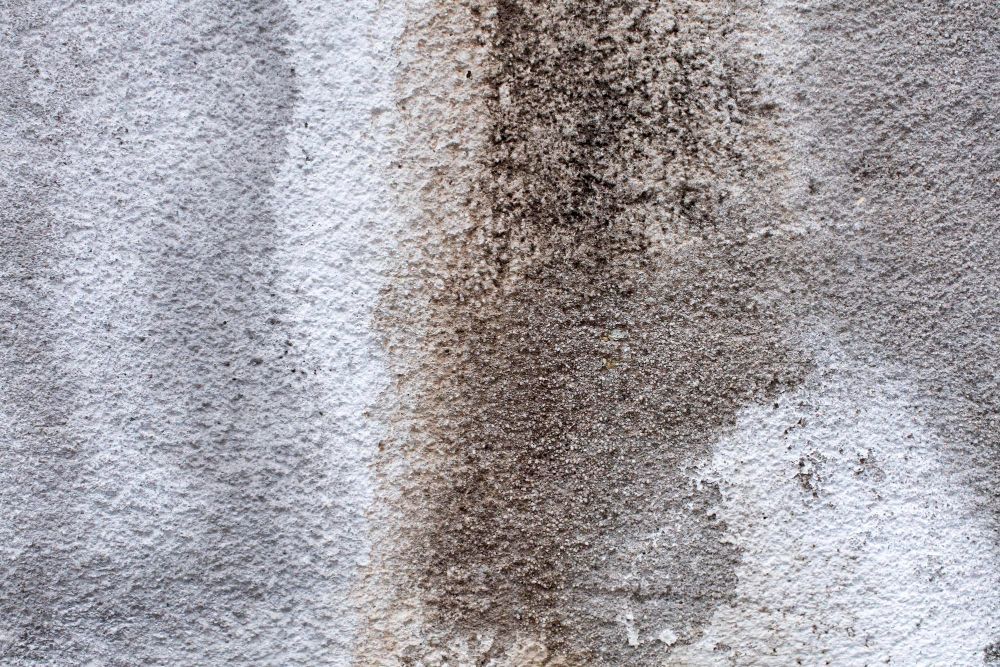
Musty smells are usually linked to moisture that hasn’t fully dried. This can come from spills, over-wetting during cleaning, or minor water damage.
Once moisture is trapped, it creates the conditions for mildew and bacteria to grow. Even if the carpet surface feels dry, dampness below can continue producing odours.
Food and Organic Residue
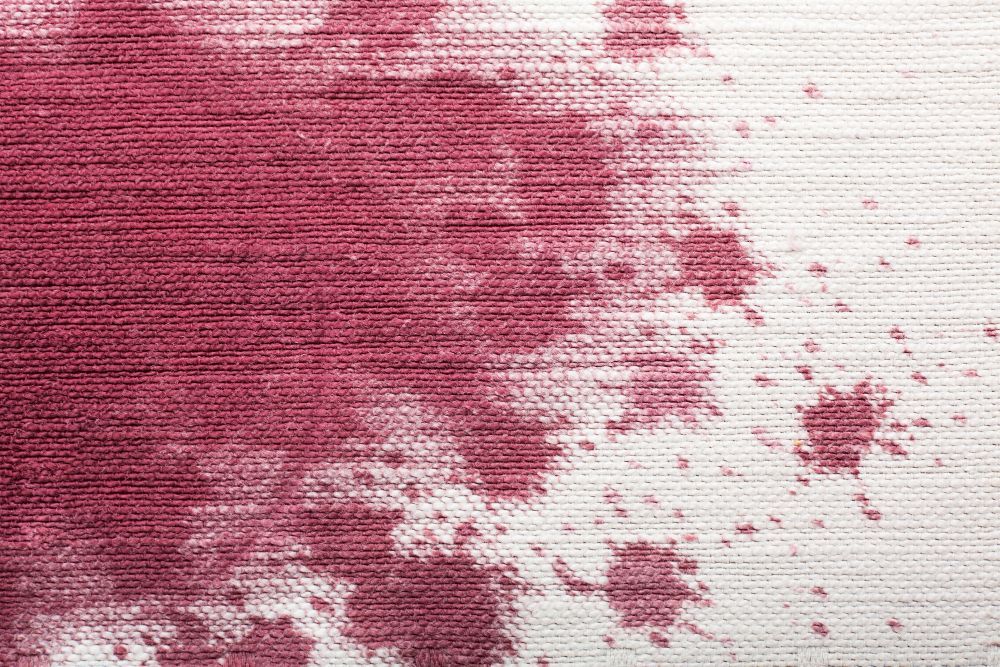
Spilled drinks, food, or other organic materials don’t always get fully removed. Over time, they break down and begin to smell.
These odours are often subtle at first but become more noticeable as residue builds up and interacts with daily use.
Smoke and Airborne Particles
Smoke doesn’t just stay in the air. It settles into carpet fibres and clings to them.
Whether it comes from cigarettes or cooking, the particles embed into the carpet and can linger for long periods if not properly removed.
General Buildup Over Time
Even without a single obvious spill, carpets collect dirt, oils, and dust. This buildup can eventually produce a dull, stale smell.
In Maple Valley homes, where carpets are exposed to regular foot traffic and outdoor elements, this gradual accumulation is a common cause of persistent odours.
Why Carpet Odours Keep Coming Back
Recurring odours are usually a sign that the underlying issue hasn’t been fully resolved.
This often happens when cleaning only addresses the surface while leaving the deeper source untouched. As the carpet dries or humidity changes, trapped residue can release odours again.
In other cases, the smell was never removed—only masked temporarily. Products that cover odours don’t eliminate the compounds causing them, so the smell returns once the masking effect fades.
Moisture also plays a role. Even small amounts left behind can reactivate odours that seemed to be gone.
How to Identify the Source of the Smell
Before trying to remove an odour, it’s important to understand what’s causing it. Different smells point to different issues.
- A sharp, ammonia-like smell often indicates pet urine
- A musty or damp smell suggests moisture or mildew
- A stale, general odour is usually linked to buildup
- A smoky smell points to airborne residue trapped in fibres
Pay attention to when the smell is strongest. If it becomes more noticeable in humid conditions, the issue is likely deeper within the carpet rather than on the surface.
In Maple Valley, Washington, seasonal humidity changes often make underlying odour problems more noticeable, especially if moisture is involved.
How Odours Are Actually Removed
Removing carpet odours requires addressing the source, not just improving the smell.
Breaking Down the Cause
For organic odours, the compounds causing the smell need to be broken down. This involves targeting bacteria and residue rather than simply cleaning the surface.
Reaching the Affected Layers
If the source is below the fibres, it needs to be treated at that depth. Surface cleaning alone will not reach contamination in the backing or padding.
Extracting Residue From the Carpet
Once the source is treated, it needs to be removed. If residue is left behind, the odour can return.
Ensuring Proper Drying
Drying is just as important as cleaning. Any remaining moisture can lead to new odours forming or existing ones reactivating.
When Odours Require Professional Cleaning
There are situations where household methods are no longer effective.
Professional cleaning is usually needed when:
- The smell returns after multiple cleaning attempts
- The odour is strong or has spread across a larger area
- The source cannot be clearly identified
- Moisture or mildew is involved
- The odour is concentrated in one persistent spot
These are signs that the problem goes beyond what surface cleaning can fix.
Why Professional Cleaning Works for Persistent Odours
Professional cleaning focuses on removing what’s causing the smell rather than masking it.
This approach involves deeper treatment that reaches into the carpet layers, breaks down odour-causing compounds, and extracts them fully. It also ensures controlled drying, which helps prevent the issue from returning.
This is why odours that seem permanent can often be resolved when treated properly.
FAQs About Carpet Odours
Why does my carpet smell worse after cleaning?
This can happen if moisture was left behind, allowing bacteria or mildew to develop.
Can carpet odours be completely removed?
Yes, if the source is identified and treated properly at the correct depth.
Do deodorisers fix carpet odours?
No. They only mask the smell temporarily and do not remove the cause.
How do I know if the smell is coming from the padding?
If the odour returns after cleaning or worsens with humidity, it likely originates below the surface.
Is replacing the carpet necessary?
Not always. Many odours can be removed without replacement if treated correctly.
Conclusion
Persistent carpet odours are rarely caused by what’s visible on the surface. They come from deeper issues like moisture, residue, or embedded contamination that hasn’t been fully removed.
Once you understand the source, the path to removing the odour becomes much clearer. For homeowners in Maple Valley dealing with smells that won’t go away, working with a local service like
Tubro Carpet Cleaning can help address the problem at its source and restore a fresher indoor environment.