
Professional vs. DIY: How Long Do Carpets Really Take to Dry After Cleaning?
May 5, 2025
Wet carpets are inconvenient. They stop you from moving furniture, walking freely, or letting kids and pets back in the room. So when people ask, “How long does it take for carpets to dry after cleaning?”, they’re not just curious—they’re trying to get back to normal life, fast.
Drying time depends on how the carpet was cleaned. If you used a rented machine or did it yourself, it could take a full day or more. But if you hired a pro, it might dry in just a few hours. In this blog, we’ll break down the differences between
DIY and professional carpet drying times, what affects how fast your carpet dries, and how to speed things up safely.
Why Carpet Drying Time Matters
Knowing how long it takes for your carpets to dry isn’t just a matter of patience — it affects your home’s health. When carpets stay wet for too long, several problems can occur.
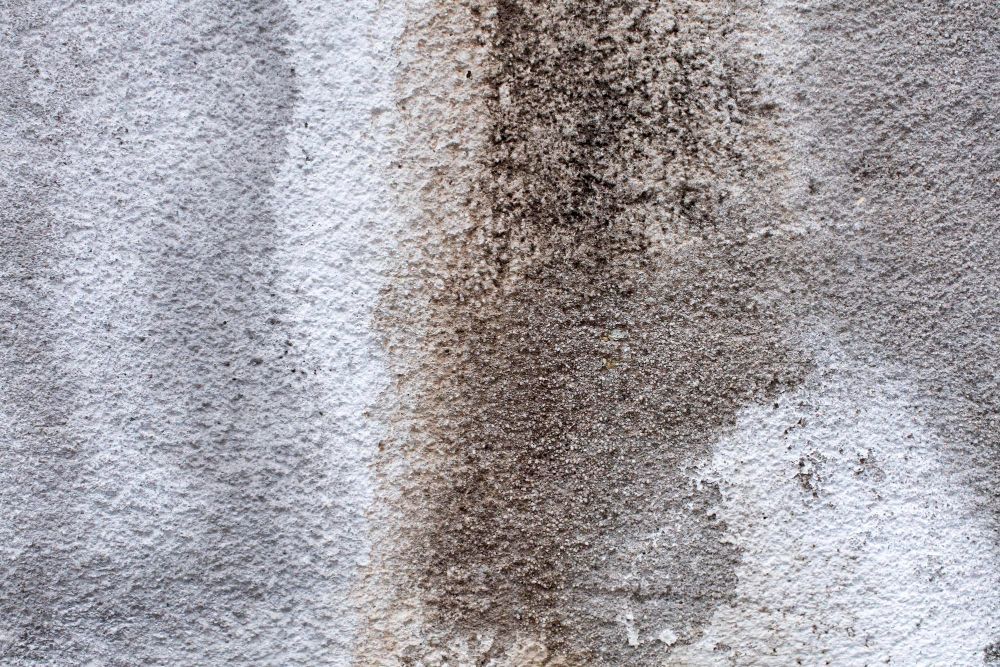
First, moisture is a breeding ground for mold and mildew. Left unchecked, mold can spread quickly and cause health issues, especially for those with allergies or respiratory problems. Second, a wet carpet can create unpleasant odors that linger even after the drying process. Finally, if you’re using the room for daily activities, prolonged wetness means you can’t walk freely, rearrange furniture, or use the space comfortably.
So, getting your carpets dry fast isn't just about convenience—it's about protecting your home, your health, and maintaining your carpet’s condition.
How Long Does It Take for Carpets to Dry After DIY Cleaning?
If you’ve ever rented a carpet cleaner or used a store-bought machine, you know the drying time can be frustrating. With DIY carpet cleaning, your carpet can stay damp for 12 to 24 hours, sometimes even longer.
Why does it take so long?
DIY machines are usually underpowered. They leave behind more water than they remove. And without strong suction, moisture sits in the carpet fibers and padding. Plus, most people accidentally over-wet their carpets, thinking more water means a deeper clean. It doesn’t. It just delays drying.
The longer your carpet stays wet, the higher the risk of
mold, musty smells, or damage. That’s why many homeowners end up regretting doing it themselves.
How Long Does It Take for Carpets to Dry After Professional Cleaning?
When you hire a professional, drying time is usually much shorter—as fast as 1 to 4 hours. That’s a big difference compared to DIY methods that can take all day or longer.
Why is it faster?
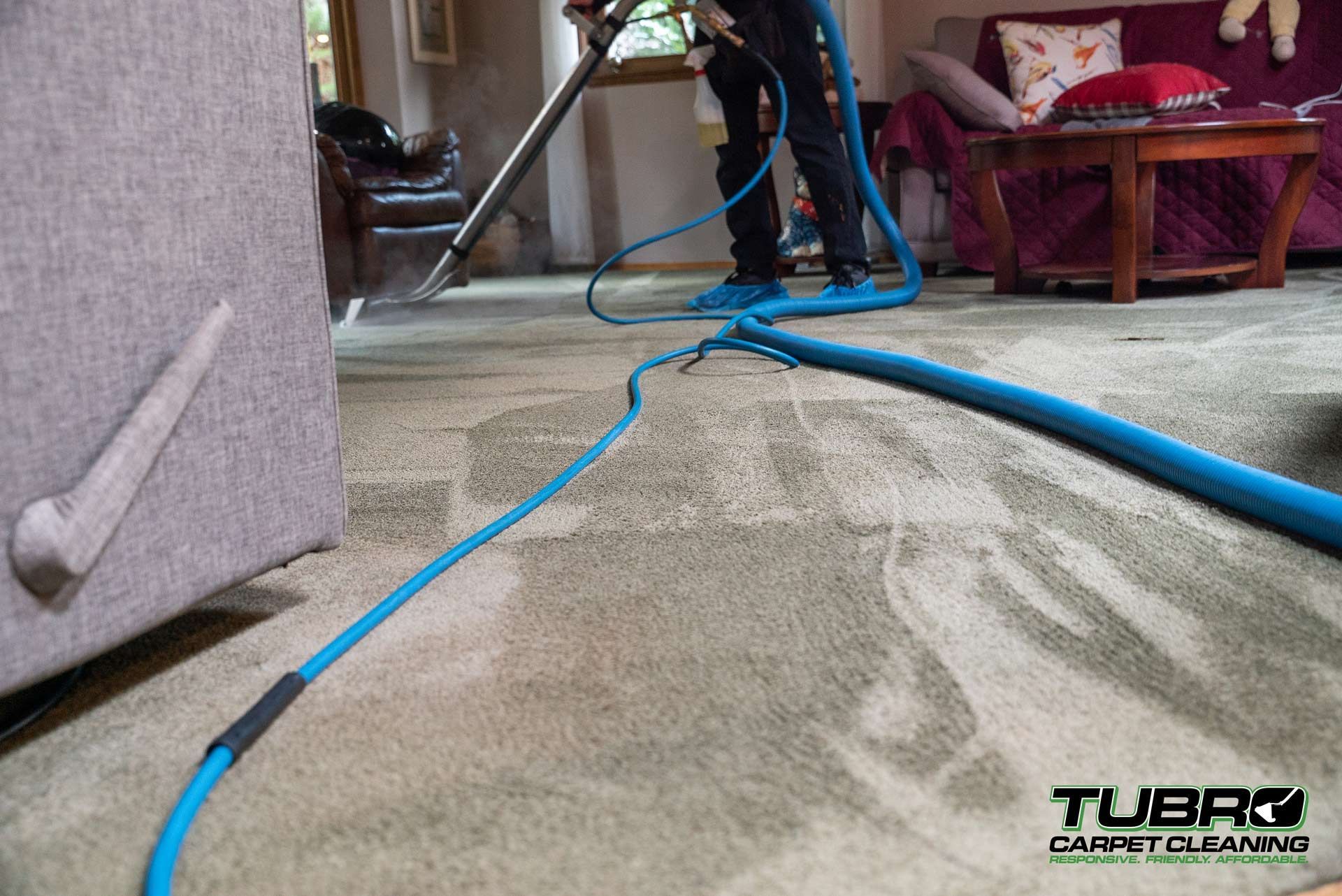
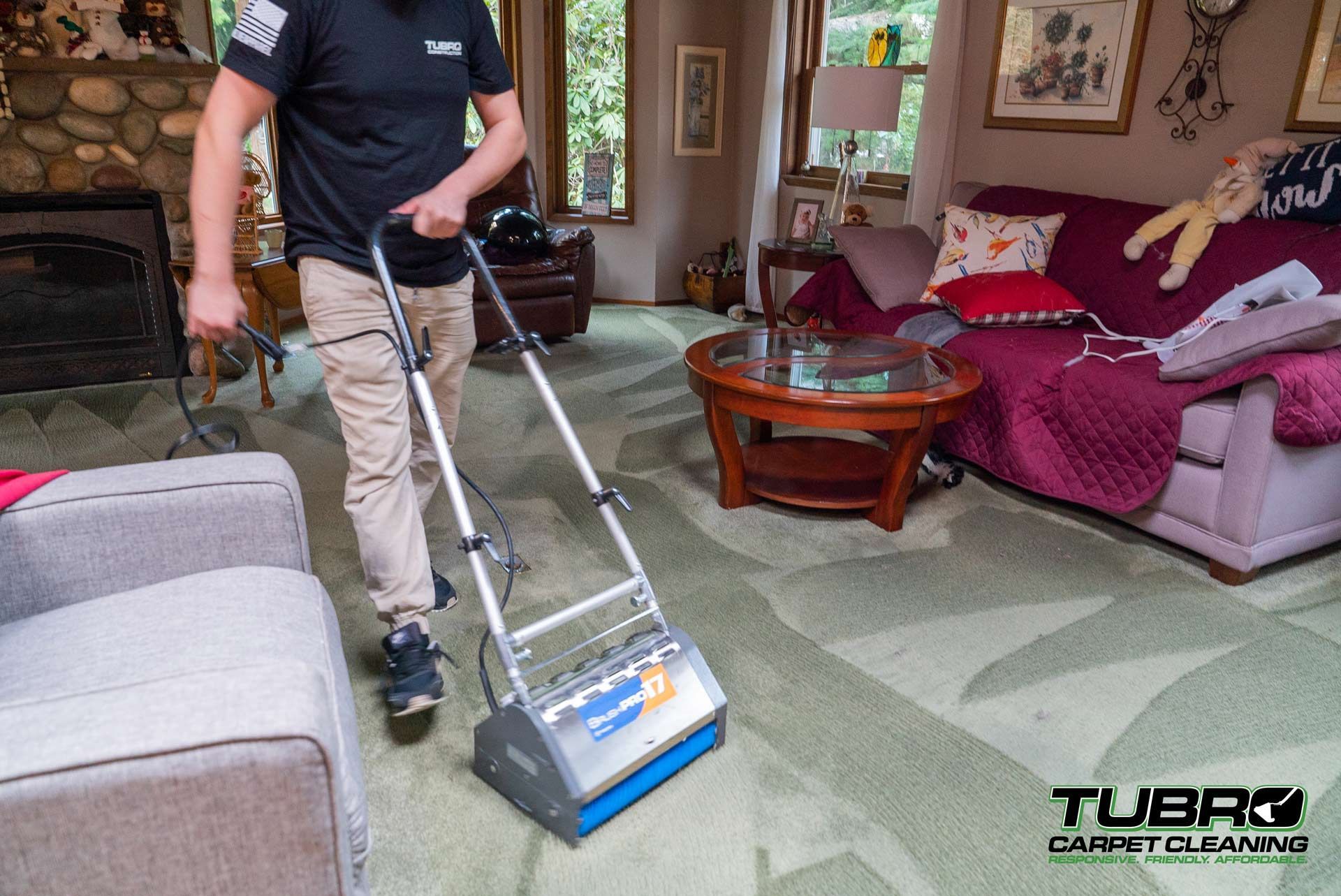
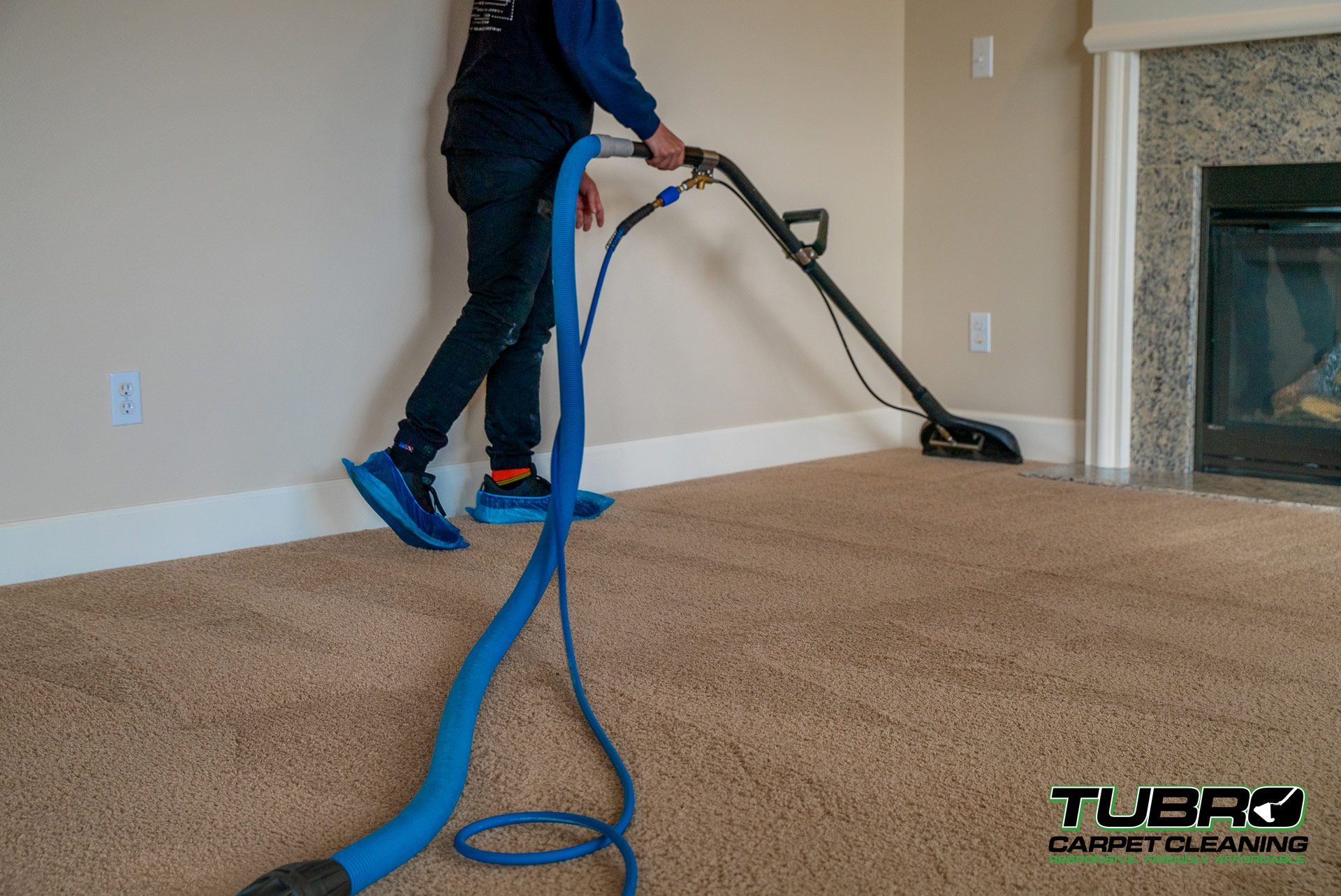
Professional carpet cleaners use high-powered equipment that extracts more water during the cleaning process. Many also use
low-moisture cleaning techniques, like hot water extraction with strong vacuums or encapsulation methods that don’t soak the carpet.
They also know how to clean without over-wetting. This skill alone can cut drying time in half. Instead of waiting 24 hours, you could have your carpet dry and ready to walk on by the afternoon.
If time matters to you—or if you’ve got kids, pets, or guests coming over—professional cleaning is the better option.
What Affects Carpet Drying Time? (DIY or Pro)
Whether you clean your carpet yourself or hire a professional, a few key things can affect how fast it dries.
1. Carpet Thickness and Material
Thicker carpets take longer to dry. So do carpets made from materials like wool. Synthetic carpets, like nylon or polyester, usually dry quicker.
2. Indoor Temperature and Humidity
Warm, dry air helps carpets dry faster. If it’s humid inside your home, the moisture in your carpet has nowhere to go. That slows the process down.
3. Airflow and Ventilation
Rooms with open windows, ceiling fans, or HVAC systems running will always dry quicker than closed-up spaces. Still air = slow drying.
4. Cleaning Method Used
Steam cleaning and hot water extraction use more water, but pros extract it better. DIY methods often leave excess moisture. On the other hand, low-moisture methods used by pros (like encapsulation or bonnet cleaning) barely wet the carpet and dry quickly.
Bottom line:
Even the best methods will take longer if the room’s airflow and humidity aren’t right.
Tips to Make Your Carpet Dry Faster After Cleaning
No matter who cleaned your carpet—DIY or professional—you can help speed up the drying process with a few simple steps.
1. Turn on Fans or HVAC
Airflow is your best friend. Ceiling fans, standing fans, or your home’s HVAC system can all help pull moisture out of the carpet and into the air.
2. Open Windows and Doors
If the weather is dry, crack open a few windows. Cross-ventilation helps fresh air circulate and push out damp air faster.
3. Keep the Room Clear
Avoid walking on the carpet until it’s dry. Don’t put furniture, rugs, or plastic coverings on it either—these trap moisture underneath and slow everything down.
4. Use a Dehumidifier
In humid climates or closed rooms, a dehumidifier makes a huge difference. It pulls moisture from the air, allowing your carpet to release moisture faster.
Even after a professional cleaning, these tips can shave off a couple of hours from the drying time.
Signs Your Carpet Is Dry and Safe to Walk On
It’s not always obvious when your carpet is fully dry. Touching the surface isn't enough—you need to be sure the padding underneath is dry too.
Here’s how to tell:
1. It Feels Completely Dry to the Touch
Check several spots, especially in thicker areas or corners. If it feels even slightly damp, give it more time.
2. No Damp or Musty Smell
A clean, dry carpet shouldn’t have any odor. If you still smell moisture or mildew, it’s not ready yet.
3. No Squishy or Soft Spots
Step gently with clean feet or socks. If any area feels soft or squishy, moisture is still trapped below.
4. It Springs Back
Press your hand into the carpet. If the fibers bounce back immediately, you’re good. If they stay matted, it’s still drying.
When in doubt, wait a little longer. It’s better to stay off the carpet an extra hour than to trap moisture under furniture or create a mold problem.
Get Faster, Safer Results with Tubro Carpet Cleaning
If you’re tired of waiting all day for your carpet to dry, professional cleaning is the clear choice. DIY machines leave behind more water, take longer to dry, and can lead to musty smells or even mold. Professionals know how to clean deep without soaking your floors—and that means your carpets can dry in as little as 1 to 4 hours.
At Tubro Carpet Cleaning, we use high-powered, low-moisture methods that leave your carpets clean, fresh, and fast-drying. We help you avoid the long wait and get back to enjoying your space the same day.
Need clean carpets without the downtime?
Contact
Tubro Carpet Cleaning today and get the job done right—fast, safe, and stress-free.