
Carpet Cleaning Prices: What Homeowners Really Pay

March 30, 2026

Understanding What You’re Actually Paying For

If you’re a homeowner in Maple Valley, carpet cleaning prices can feel unclear at first glance. Some quotes seem low, others surprisingly high, and it’s not always obvious why. The real issue isn’t just how much carpet cleaning costs—it’s what those prices actually include, what affects them, and when paying more (or less) makes sense.

This guide breaks down what homeowners truly pay for professional carpet cleaning, what drives price differences, and how to tell if a quote is reasonable for your home.


How Carpet Cleaning Prices Are Typically Structured

Professional carpet cleaning companies don’t all price the same way, but most follow one of several common pricing models. Understanding these upfront helps prevent surprises.

Pricing by Room

Many homeowners are quoted per room. This model is common for standard-sized bedrooms and living areas, but it often comes with limits.

• Rooms are usually capped at a certain square footage
• Oversized rooms may cost extra
• Hallways, closets, and stairs may be priced separately

This method works best for homes with average room sizes and minimal add-ons.

Pricing by Square Foot

Some companies charge based on total carpeted square footage. This tends to be more accurate for larger homes or open floor plans.

• More precise for wide living spaces
• Better transparency for larger homes
• Often used for whole-house cleaning

Square-foot pricing is common for newer homes in Maple Valley with open layouts.

Flat-Rate or Package Pricing

Flat rates bundle multiple areas or services together.

• Often includes basic pre-treatment
• May exclude deep stains or odor issues
• Can be cost-effective if no extras are needed

The key is checking what’s not included in the package.


What Homeowners in Maple Valley Usually Pay

While exact pricing varies by home, condition, and service scope, most Maple Valley homeowners fall into predictable ranges.

Typical Carpet Cleaning Price Ranges

• Small homes or apartments: lower total cost
• Mid-sized single-family homes: mid-range pricing
• Large homes with multiple carpeted areas: higher overall cost

Prices increase when additional labor, products, or time are required—not simply because of square footage.


What Actually Increases Carpet Cleaning Costs

Price differences aren’t random. They’re driven by real conditions inside your home.

Heavy Soiling and Traffic Wear

Carpets that haven’t been cleaned in years require more time, stronger pre-treatments, and multiple extraction passes.

• Entryways and hallways cost more
• Ground-in dirt increases labor time
• Older carpet fibers hold soil longer

Pet Odors and Urine Treatment

Basic cleaning does not remove deep pet odors. Proper treatment involves specialized solutions and additional steps.

• Odor-neutralizing treatments increase cost
• Subfloor contamination may require deeper work
• Repeated pet accidents raise pricing

This is one of the most common reasons quotes vary significantly.

Stains That Require Specialty Treatment

Not all stains are equal. Some require targeted solutions or extra dwell time.

• Wine, ink, and dye stains
• Set-in food or grease stains
• DIY product residue

Specialty stain removal is typically priced separately.

Furniture Moving

Standard pricing often assumes light furniture remains in place.

• Sofas, beds, and heavy items add labor
• Some companies charge per item
• Others exclude moving entirely

Always confirm this before booking.


Why Very Cheap Carpet Cleaning Prices Are Risky

Low prices can be tempting, but they often come with trade-offs.

Common Issues With Cut-Rate Services

• Minimal cleaning passes
• Over-wetting carpets
• No real stain or odor treatment
• Hidden add-on charges after arrival

In some cases, homeowners end up paying more after re-cleaning or dealing with lingering odors.


When Carpet Cleaning Is Worth the Cost

Professional carpet cleaning delivers the most value when expectations align with reality.

Cleaning Makes Sense When:

• Carpets are structurally sound
• Odors are surface-level or localized
• You want to extend carpet life
• Preparing a home for guests or resale

Cleaning May Not Be Enough When:

• Padding is saturated with pet urine
• Carpet backing is deteriorated
• Odors return immediately after cleaning

A reputable company will tell you honestly when replacement is the better option.


FAQs About Carpet Cleaning Prices

  • How much does carpet cleaning usually cost in Maple Valley?

     Most homeowners pay based on room count, square footage, and carpet condition. Homes with pet odors or heavy staining cost more due to added labor and treatment.

  • Does carpet cleaning remove pet urine smells completely?

     Only when the proper treatment is used. Basic cleaning alone does not neutralize deep urine contamination.

  • Why do some quotes change after inspection?

     Hidden factors like heavy soiling, pet damage, or specialty stains are often discovered on-site and affect pricing.

  • Is professional carpet cleaning worth it before selling a home?

     Yes. Clean carpets improve appearance, reduce odors, and help homes show better without the cost of replacement.

  • How often should carpets be professionally cleaned?

     Most homes benefit from professional cleaning every 12–18 months, or more often with pets or heavy foot traffic.

Final Thoughts on Carpet Cleaning Costs

Carpet cleaning prices aren’t just numbers—they reflect time, effort, materials, and results. The lowest quote isn’t always the best value, and the highest price doesn’t automatically mean better quality.


For homeowners in Maple Valley, working with a company that explains pricing clearly and evaluates your carpets honestly makes the biggest difference.


If you want accurate pricing based on your home’s actual condition, Tubro Carpet Cleaning provides professional carpet cleaning services with straightforward estimates and no unnecessary upselling.
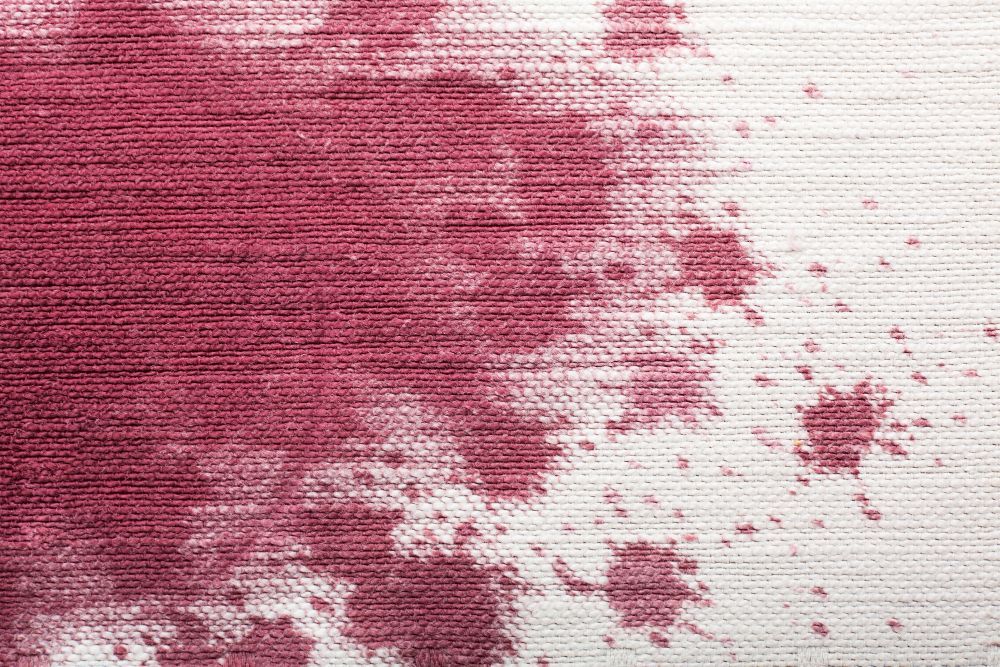
A dark red stain on a light-colored, textured fabric surface, with smaller splatters extending to the right.
April 30, 2026
Learn how to remove red wine stains from carpet without setting them in. Practical tips for Maple Valley, WA homeowners.
April 29, 2026
Find out which carpet stains need professional cleaning and when to call a carpet cleaner in Maple Valley, WA.
April 5, 2026
Learn which post-holiday carpet problems need professional cleaning, from compacted dirt and salt residue to lingering odors and stains.
April 4, 2026
Why Winter Carpet Cleaning Comes With Unique Challenges Carpet cleaning during winter isn’t the same as cleaning during warmer months. Cold temperatures, higher indoor moisture, and increased foot traffic all change how carpets behave and how cleaning should be handled. Many homeowners don’t realize these differences until they experience slow drying, lingering odors, or carpets that seem to get dirty again too quickly.  Understanding common winter-specific problems helps homeowners plan cleaning the right way—and avoid issues that make results disappointing. Increased Moisture From Winter Conditions Winter brings moisture into the home in ways that aren’t always obvious. Snow, rain, and slush get tracked inside on shoes and clothing. Even when mats are used, fine moisture and grit make their way into carpet fibers. At the same time, homes are sealed more tightly in winter, reducing natural airflow. This combination makes carpets slower to dry and more vulnerable to odor if moisture isn’t removed properly. Slower Drying Times Indoors Drying time is one of the most common winter carpet cleaning complaints. Cold outdoor air holds less moisture, but indoor airflow is often limited because windows stay closed and HVAC systems run less frequently. As a result, carpets may stay damp longer after cleaning. Slower drying can lead to: Temporary musty smells Wicking stains reappearing Discomfort walking on damp carpet Proper extraction and airflow planning are critical during winter cleanings. Soil and Grit Being Ground Deeper Into Fibers Winter footwear introduces abrasive grit into carpets. Sand, salt, and fine debris act like sandpaper when walked on repeatedly. These particles settle deep into the carpet pile and damage fibers over time. Once compacted, they become harder to remove and require slower, more intensive cleaning. This is why winter cleaning often takes longer than expected, especially in entryways, hallways, and staircases. Salt and De-Icing Residue Buildup De-icing products don’t just stay outside. Salt residue dissolves with moisture and travels into carpet fibers, where it dries and recrystallizes. Over time, this buildup causes: Stiff or crunchy carpet texture Dull appearance White or gray residue near entrances Removing salt residue requires thorough rinsing and careful moisture control to avoid residue returning as carpets dry. Odors Becoming More Noticeable in Winter Many homeowners notice odors more during winter—even without new spills or accidents. Closed windows, higher indoor humidity from cooking and showers, and reactivated contaminants all contribute to odor issues. Pet odors, in particular, tend to resurface during winter because moisture rehydrates odor-causing compounds trapped below the carpet surface. Cleaning helps, but odor treatment may be necessary if smells persist. Risks of Over-Wetting During Cold Months Over-wetting is a bigger problem in winter than in summer. When carpets are saturated and drying is slow, moisture can linger in padding or backing. This increases the risk of: Odor development Wicking stains Damage to carpet backing Winter cleaning requires controlled moisture use and slower extraction to avoid these issues. Scheduling and Availability Challenges Winter, especially around the holidays, is a busy time for carpet cleaners. Fewer daylight hours, weather disruptions, and high demand can limit appointment availability. Waiting until the last minute often means settling for less-than-ideal scheduling or rushed service. Booking earlier allows for better planning and proper drying time. When Winter Cleaning Is Still the Right Choice Despite the challenges, winter carpet cleaning can be beneficial. Cleaning during winter helps remove abrasive grit before it causes long-term damage, improves indoor air quality when homes are sealed, and prepares carpets for increased indoor activity. The key is choosing the right timing and ensuring the cleaning approach accounts for winter conditions. How to Reduce Winter Carpet Cleaning Problems Homeowners can minimize issues by preparing properly. Helpful steps include: Using entry mats and removing shoes indoors Scheduling cleaning on days with stable weather Allowing space for air circulation after cleaning Running fans or HVAC systems to aid drying Addressing odors early before they spread These steps help ensure winter cleaning delivers good results instead of new problems. Frequently Asked Questions
April 3, 2026
Learn the best time to schedule carpet cleaning before the holidays to avoid delays, improve results, and keep carpets fresh for guests.
April 2, 2026
Learn what professional carpet cleaning can fix, its limitations, and when replacement is the better solution for damaged or odor-affected carpets.
April 1, 2026
Discover why pet odors return after carpet cleaning, how urine spreads below the surface, and what’s needed to remove smells permanently.
March 31, 2026
Learn when carpet cleaning no longer works, how to spot permanent damage, and when replacing carpet is the smarter long-term choice.
March 30, 2026
Learn why carpet cleaning costs rise due to heavy soil, pet odors, stains, furniture, carpet age, and labor factors homeowners often overlook.
February 2, 2026
Discover the difference between hot water extraction and steam cleaning. Learn which carpet cleaning method is best for your Maple Valley home or office.