
How to Remove Common Household Stains from Upholstery
November 20, 2025
Introduction
Picture this: you’ve just hosted a family gathering in Maple Valley, and the next morning you notice coffee rings on the couch, a splash of red wine on the armrest, and sticky fingerprints on the cushions. Upholstery brings comfort and style to your home, but it also absorbs life’s everyday messes.
The good news is that most stains can be handled if treated properly—and knowing the right method makes all the difference. In this guide, we’ll walk through the most common household upholstery stains, how to treat them step-by-step, and when it’s time to call in a professional cleaning service like Tubro Carpet Cleaning in Maple Valley, WA.
Understanding Upholstery and Stains
Before diving into stain removal, it’s important to understand why upholstery can be tricky to clean. Unlike hard surfaces, upholstery fabrics (cotton, polyester blends, microfiber, leather, etc.) absorb liquids differently. Some stains sit on the surface, while others soak into padding beneath the fabric.
When left untreated, stains can:
- Set permanently into the fiber
- Cause odors over tim
- Attract bacteria or allergen
- Reduce the lifespan of your furniture
That’s why quick action and the right technique are essential.
How to Remove the Most Common Household Stains
Different stains require different approaches. Below are the most frequent culprits and how to handle them safely.
Food and Grease Stains
Grease can spread quickly if scrubbed. Instead:
- Blot the area gently with a paper towel to absorb excess grease
- Sprinkle baking soda or cornstarch over the stain and let it sit for 15–20 minutes to absorb oils
- Vacuum up the powder
- Lightly dab the stain with a mixture of dish soap and warm water, blotting instead of scrubbing.
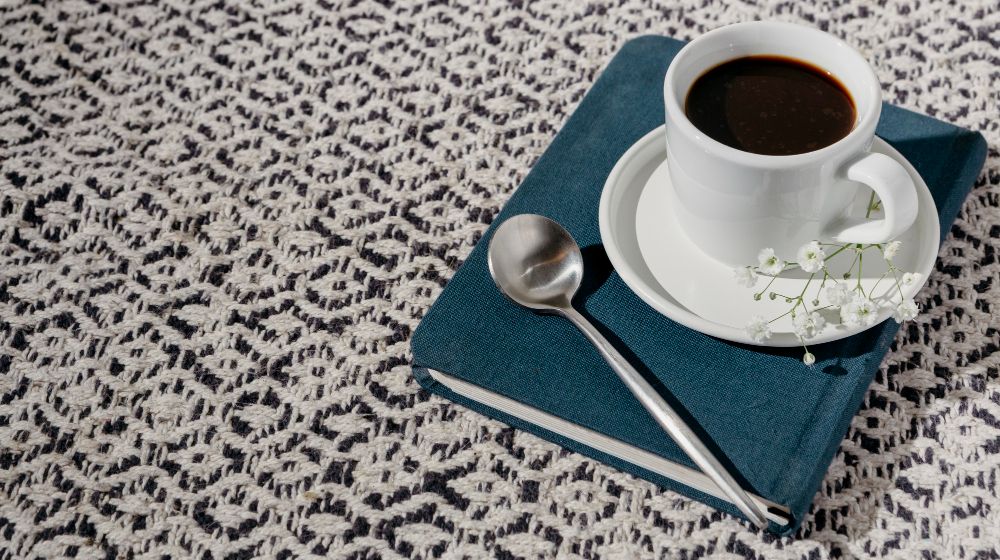
Coffee and Tea Stains
- Blot immediately with a clean, dry cloth
- Mix one tablespoon of white vinegar, one tablespoon of dish soap, and two cups of warm water
- Apply with a sponge or cloth, blotting gently until the stain fades
- Rinse with a small amount of clean water and blot dry.
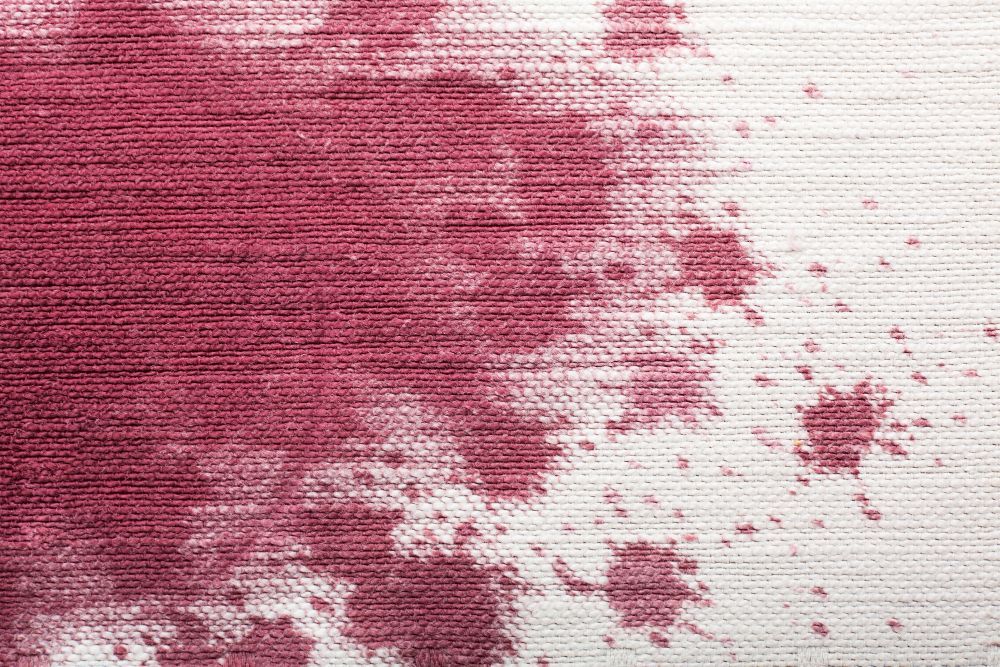
Wine Stains
- Blot up as much liquid as possible
- Sprinkle salt generously over the wet area to absorb moisture
- Mix a solution of dish soap and hydrogen peroxide (spot test first)
- Dab gently until the stain lightens, then rinse with water and blot dry.
Ink Stains
- Dab rubbing alcohol onto a cotton ball
- Gently blot (don’t rub) the stain until the ink begins to lift
- Use a clean, damp cloth to remove residue.
Pet Accidents
- Blot up as much liquid as possible
- Use a mixture of white vinegar and water (50/50) to neutralize odor
- Sprinkle baking soda after cleaning and let dry, then vacuum
- For stubborn odors, professional deep cleaning may be necessary.
Professional Upholstery Cleaning vs. DIY
While many stains can be managed at home, there are times when DIY isn’t enough.
When to call a professional like Tubro Carpet Cleaning in Maple Valley:
- Large or set-in stains that don’t respond to home remedie
- Delicate fabrics (silk, velvet, antique upholstery
- Pet odors or allergens that have penetrated deepl
- Annual deep cleaning to refresh and extend furniture life
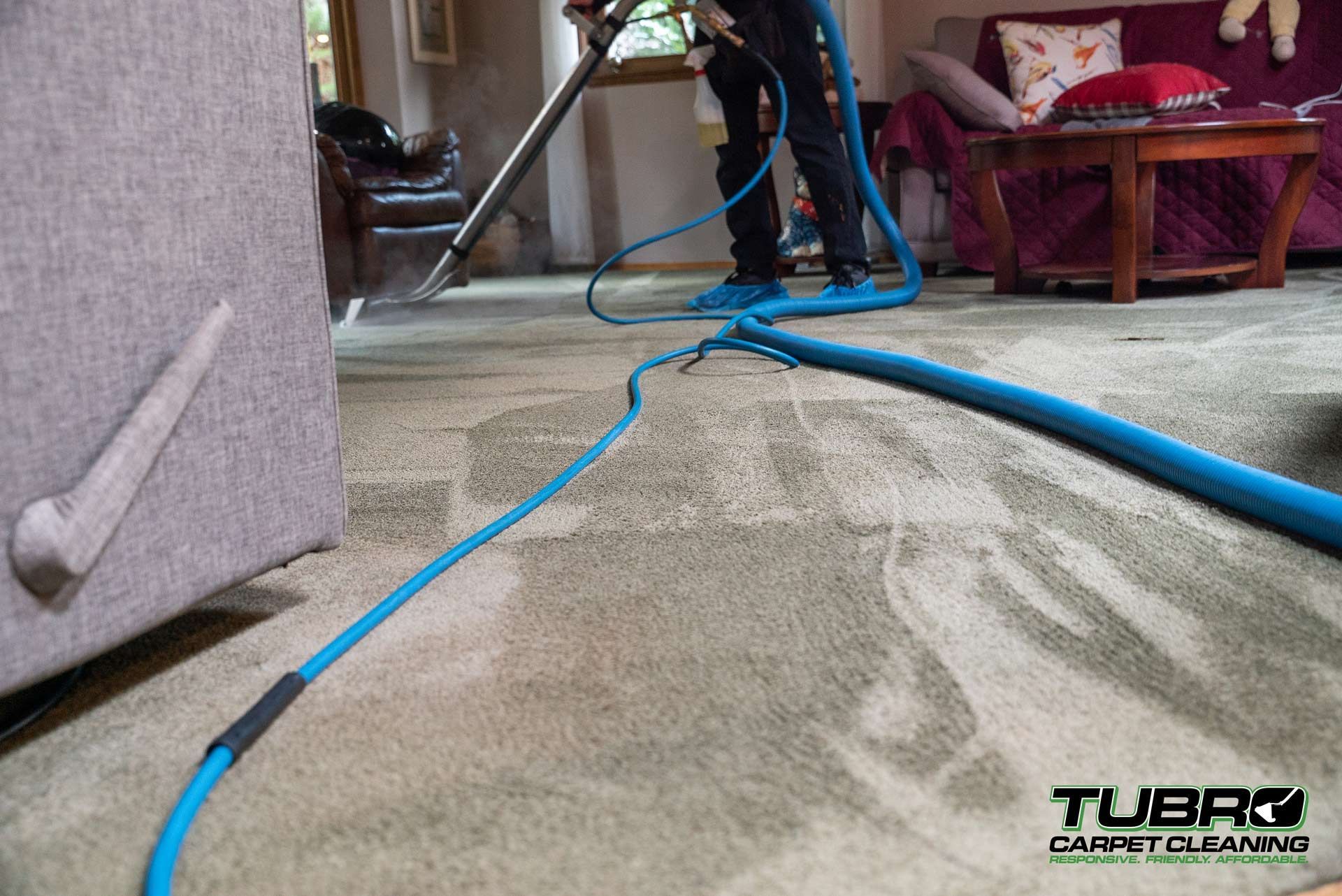
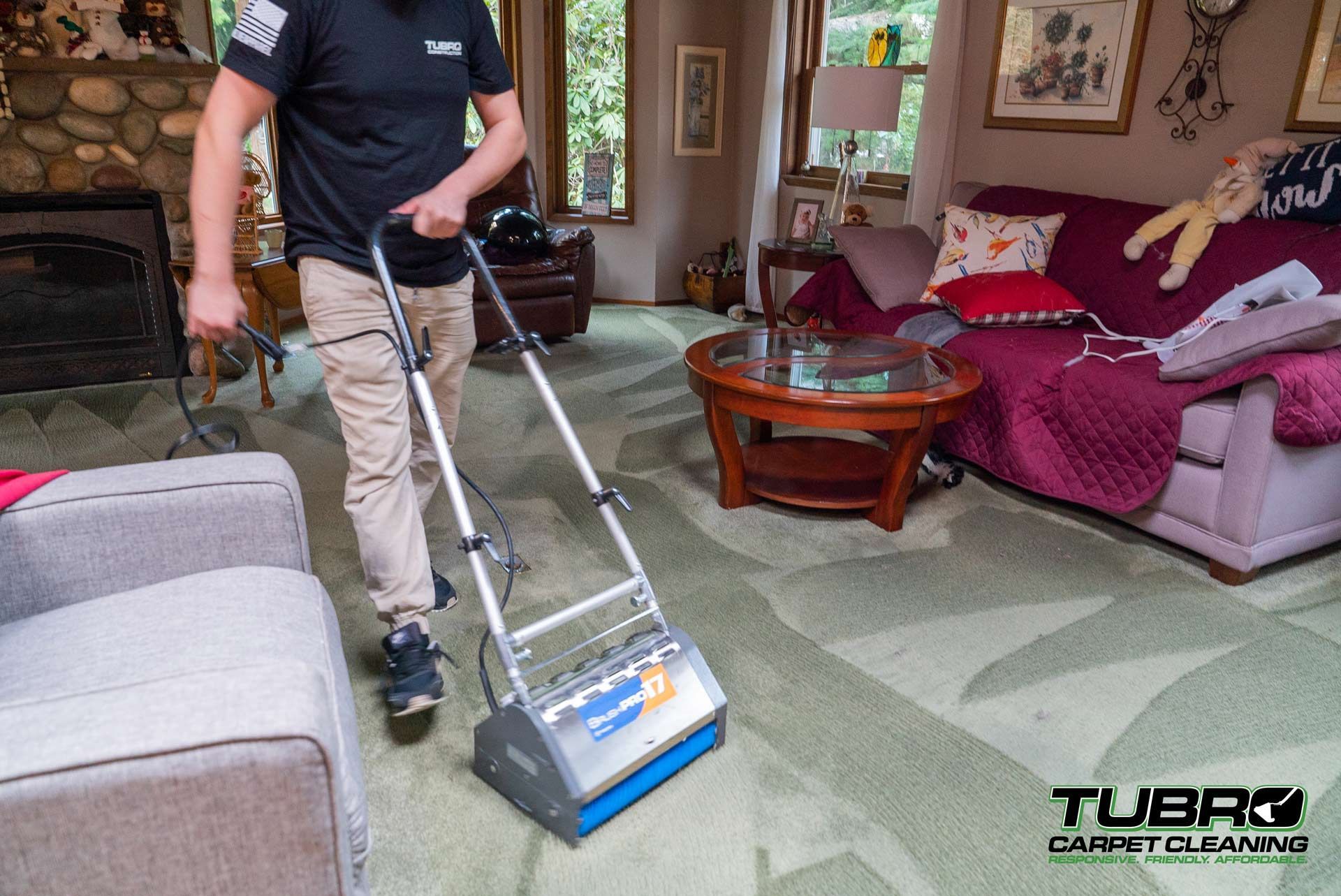
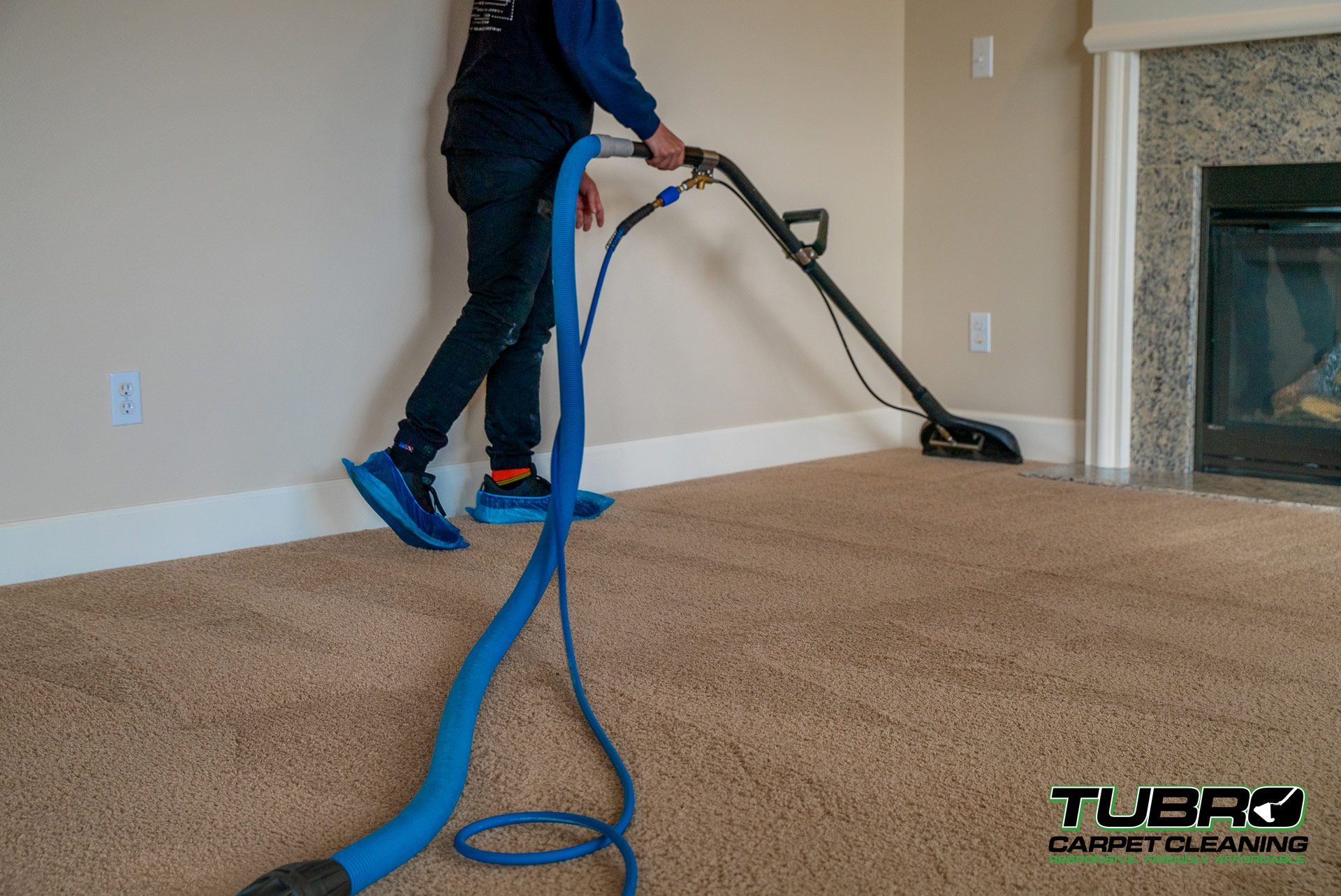
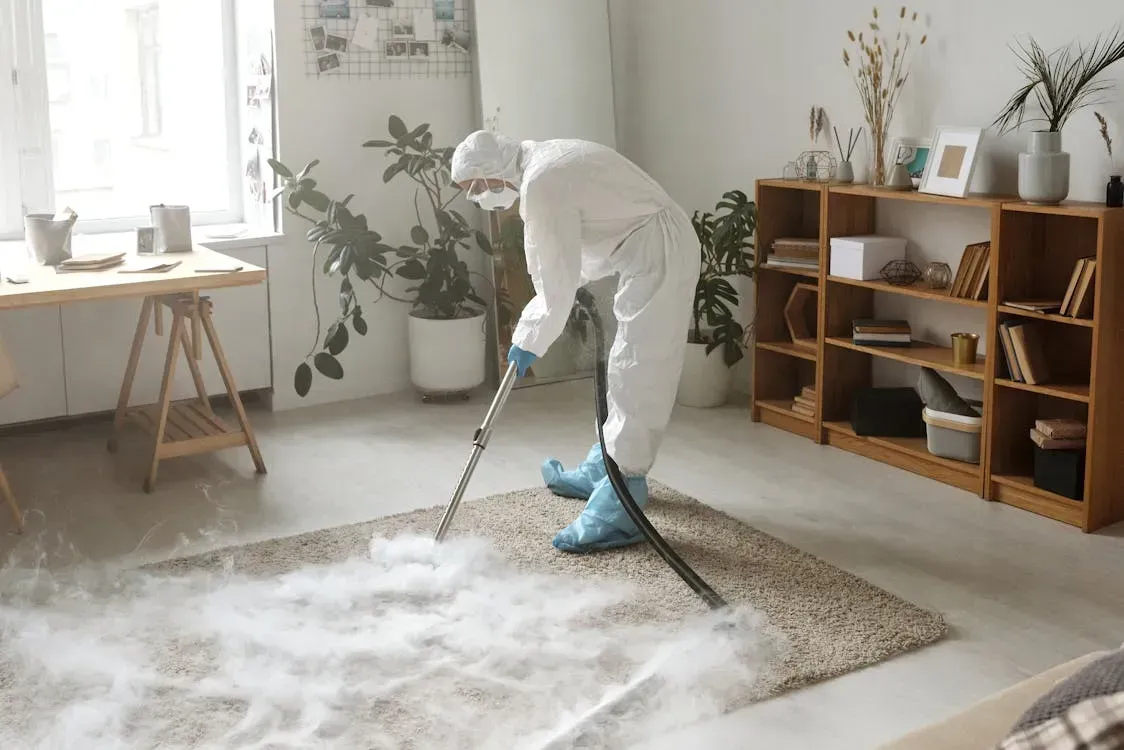
Professionals use advanced equipment, eco-friendly products, and hot water extraction techniques that go deeper than surface cleaning, ensuring upholstery looks, smells, and feels fresh.
FAQs
What is the best stain remover for upholstery?
It depends on the type of stain and fabric. For general use, a mix of mild dish soap and water works well. Always test on a hidden area first.
Can I use baking soda on upholstery?
Yes. Baking soda is excellent for absorbing grease, neutralizing odors, and refreshing fabrics.
Does steam cleaning remove stains from upholstery?
Yes, professional steam cleaning or hot water extraction can remove deeply embedded stains and allergens more effectively than DIY cleaning.
How often should I have my upholstery professionally cleaned?
Every 12–18 months is recommended, but homes with pets, children, or allergy sufferers may benefit from cleaning every 6–12 months.
Is vinegar safe on all upholstery fabrics?
No. Vinegar works well on many fabrics but can damage delicate materials like silk or leather. Always test a small area first.
Conclusion
Upholstery adds warmth and comfort to your home, but everyday life brings spills, stains, and accidents. By acting quickly and using the right methods, you can tackle most common stains—from coffee to pet mishaps. For tough stains or overall freshness, professional upholstery cleaning ensures a deeper, longer-lasting clean.
If you’re in Maple Valley, WA, and want your furniture to look and feel brand new again, Tubro Carpet Cleaning offers expert upholstery and carpet cleaning with eco-friendly solutions and fast drying times. Contact the team today to schedule your cleaning and protect your investment.