
Can Smoke Smell Be Removed From Carpet and Upholstery Completely?
July 2, 2026
Smoke odour is one of the most difficult smells to remove from a home because it doesn’t stay in the air—it settles into materials. Even after the visible signs are gone, the smell can linger in carpet and upholstery, slowly releasing back into the room over time.
Whether it can be removed completely depends on how deeply the smoke has penetrated and how it is treated. In many cases, the issue isn’t that cleaning doesn’t work—it’s that it hasn’t reached the level where the odour actually exists.
Why Smoke Odour Sticks to Soft Surfaces
Smoke is made up of microscopic particles and gases that behave differently from dust or typical household dirt. When released indoors, these particles spread quickly and embed into porous materials.
Carpet and upholstery trap smoke because of their structure. Fibres and padding create layers where particles settle, bond, and accumulate.
Over time, smoke residue:
- Bonds to fibres instead of sitting loosely on the surface
- Moves beyond the visible layer into backing and padding
- Combines with oils, dust, and existing residue
- Continues releasing odour even after the air has cleared
This is why the smell can remain even after the space looks clean.
What Affects Whether Smoke Smell Can Be Fully Removed
The outcome depends on how the smoke interacted with the materials. Several factors determine whether complete removal is possible.
Type and Intensity of Smoke Exposure
Light, short-term exposure behaves very differently from long-term or heavy exposure.
For example:
- Occasional cigarette smoke may sit closer to the surface
- Frequent indoor smoking builds layered residue over time
- Fire-related smoke introduces thicker, more complex contamination
Heavier exposure increases the depth and difficulty of removal.
How Long the Odour Has Been Present
Time allows smoke particles to settle deeper and bind more firmly to materials.
- Recent exposure is often more responsive to cleaning
- Older odours are usually embedded and require deeper treatment
- Long-term exposure can affect multiple layers of the carpet or upholstery
The longer the odour has been present, the more effort is required to remove it.
Material and Construction
Different materials hold smoke differently.
- Dense upholstery with padding traps particles below the surface
- Thicker carpets allow deeper penetration into backing and underlay
- Natural fibres tend to retain odours more strongly than some synthetics
The structure of the material influences how accessible the odour is during cleaning.
Depth of Contamination
The most important factor is how far the smoke has travelled into the material.
- Surface-level contamination can often be removed completely
- Mid-level contamination may require multiple treatments
- Deep contamination in padding or underlying layers is harder to eliminate fully
This is where many cleaning attempts fall short—they don’t reach the depth where the odour is coming from.
Why Smoke Smell Often Returns After Cleaning
It’s common for smoke odour to fade after cleaning and then return later. This happens when the cleaning only affects the surface.
Residual particles that remain in deeper layers continue to release odour. As the carpet or upholstery dries, or as the temperature changes, those particles become more noticeable again.
This is especially common in Maple Valley homes where indoor conditions—like humidity or closed environments—can make lingering odours more noticeable after cleaning.
How Smoke Odour Is Actually Removed
Removing smoke smell requires addressing both the residue and its location within the material. The process is not just about cleaning—it’s about reaching, breaking down, and removing the source.
Breaking Down Residue
Smoke particles often attach to oils and other residues, making them harder to lift. Proper treatment helps separate these particles from fibres.
Reaching the Affected Layers
If the odour has moved beyond the surface, cleaning must penetrate into the backing or padding where the particles are trapped.
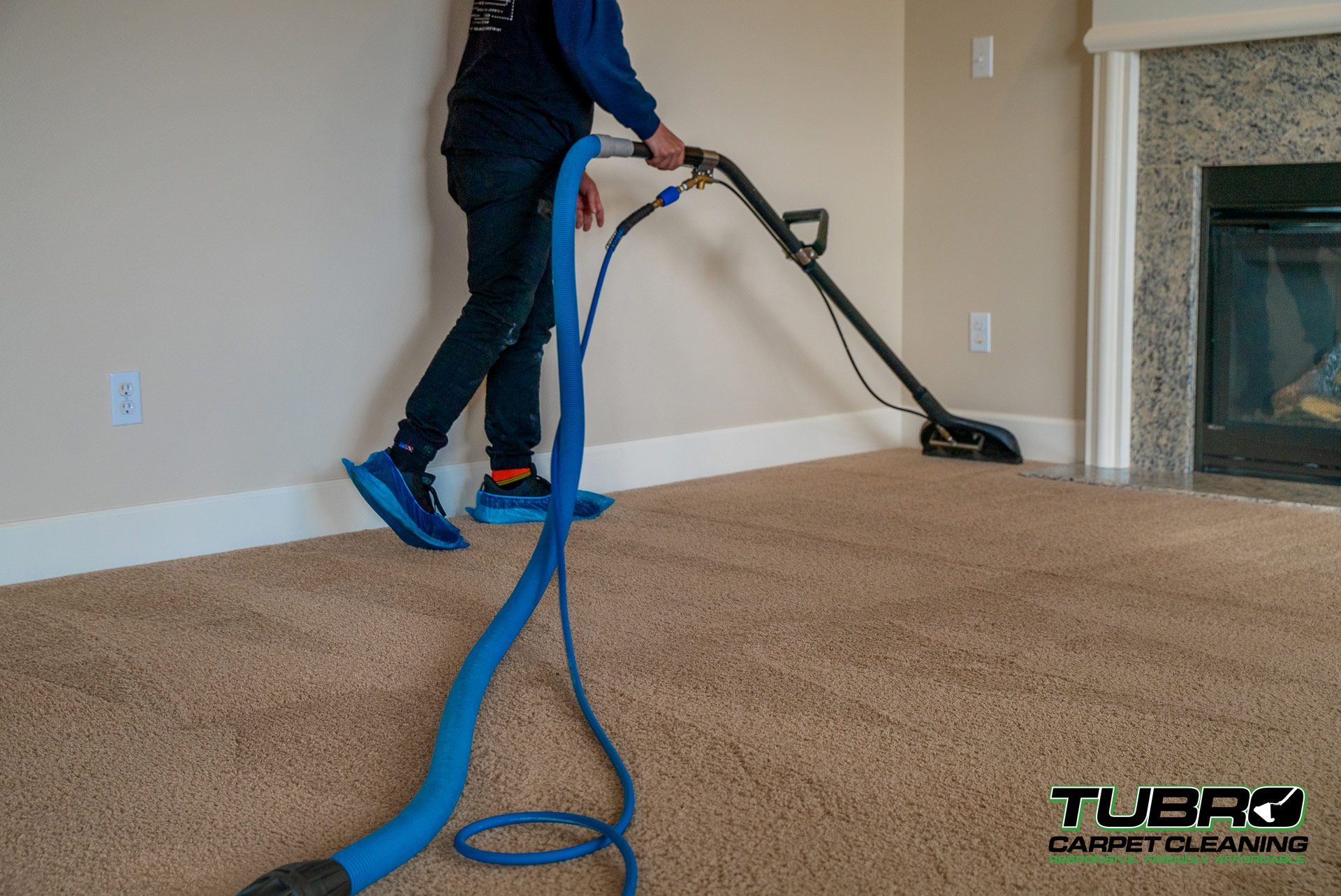
Extracting the Contamination
Once loosened, the residue must be removed. If it remains in place, it will continue to produce odour.
Controlled Drying
Drying ensures that loosened particles are not reabsorbed and that no additional odour develops from trapped moisture.
When Smoke Smell Cannot Be Fully Removed
There are situations where complete removal is not always possible.
This typically occurs when:
- Smoke exposure has been prolonged and heavy
- Residue has penetrated deeply into padding or structural layers
- Materials have absorbed odour beyond what cleaning can reach
- There is contamination beneath the carpet or upholstery
In these cases, the goal shifts from full removal to significant improvement, unless affected materials are replaced.
When Professional Cleaning Becomes Necessary
Some smoke odour issues require more than standard cleaning methods.
Professional treatment is usually needed when:
- The smell persists after multiple cleaning attempts
- The odour is present across multiple surfaces
- Upholstery and carpet both retain the smell
- The source cannot be isolated to one area
- The odour returns after initially improving
These situations indicate that the contamination is deeper than surface-level.
What Professional Treatment Does Differently
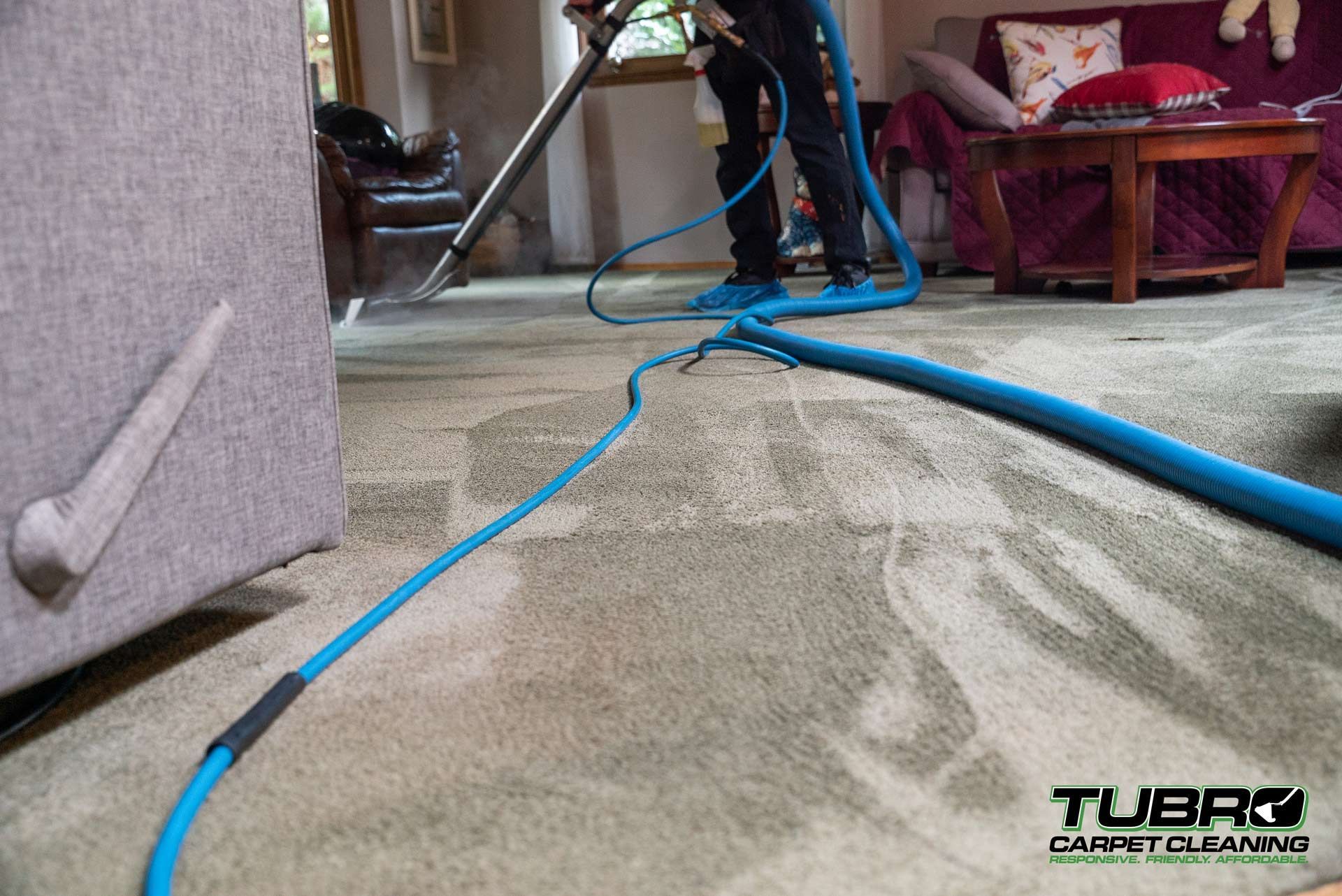
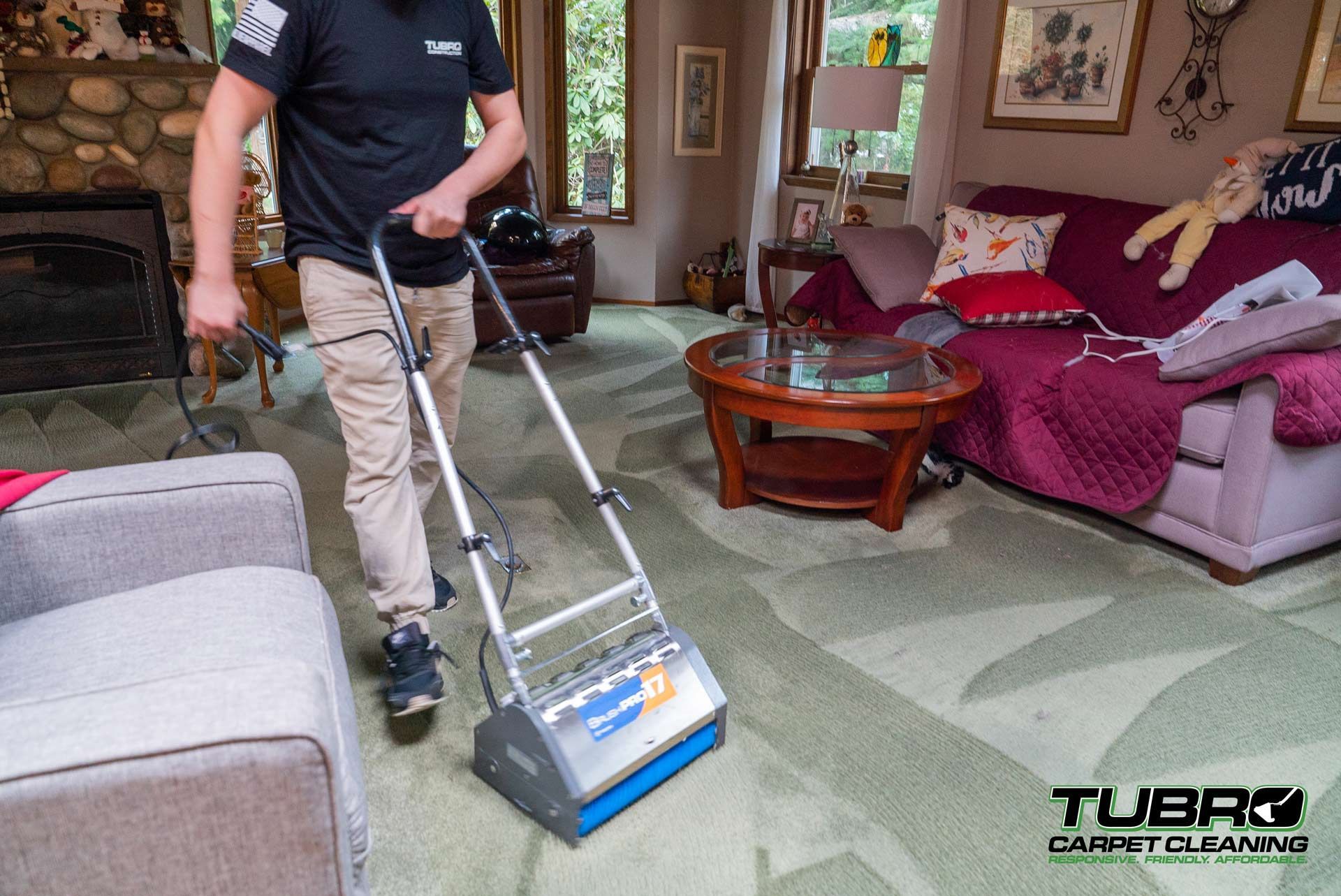
Professional cleaning focuses on removing smoke particles at every affected level rather than just improving the smell.
This includes:
- Treating fibres and deeper layers simultaneously
- Breaking down bonded residue
- Extracting contaminants instead of redistributing them
- Managing drying to prevent the odour from returning
This approach is what leads to long-term results rather than temporary relief.
FAQs About Smoke Smell in Carpet and Upholstery
Can smoke smell be completely removed from carpet?
Yes, if the contamination is not deeply embedded. Heavier cases may require multiple treatments or partial replacement.
Does vacuuming help remove smoke odour?
No. Vacuuming removes loose debris but does not address embedded smoke particles.
Why does the smell come back after cleaning?
Because deeper residue remains and continues releasing odour.
Can upholstery hold more smoke smell than carpet?
Yes. Upholstery often has dense padding that traps particles below the surface.
Is replacement ever necessary?
In severe cases where odour has penetrated deeply, replacing padding or materials may be required.
Conclusion
Smoke odour in carpet and upholstery is not just a surface issue—it is a depth issue. Whether it can be removed completely depends on how far the particles have travelled and how thoroughly they are treated.
For homeowners in Maple Valley dealing with lingering smoke smells, working with a local service like
Tubro Carpet Cleaning can help address the problem at its source and restore a cleaner, fresher indoor environment.